
Baggy pants have cycled in and out of fashion for decades, but few styles spark as much debate as cargo pants and parachute pants. Both promise freedom of movement and a relaxed silhouette, yet they deliver very different experiences when worn daily. While one prioritizes utility and durability, the other emphasizes lightness and flow. Choosing between them isn’t just about aesthetics—it’s about understanding how each design impacts comfort, breathability, mobility, and long-term wearability.
This isn’t a nostalgia contest or a throwback to 80s vs 90s fashion wars. It’s a practical comparison grounded in material science, ergonomic design, and real-life use cases. Whether you're dressing for urban exploration, outdoor activities, or simply seeking breathable everyday wear, knowing the strengths and limitations of each style can help you make a smarter, more comfortable choice.
The Origins: Function Behind the Form
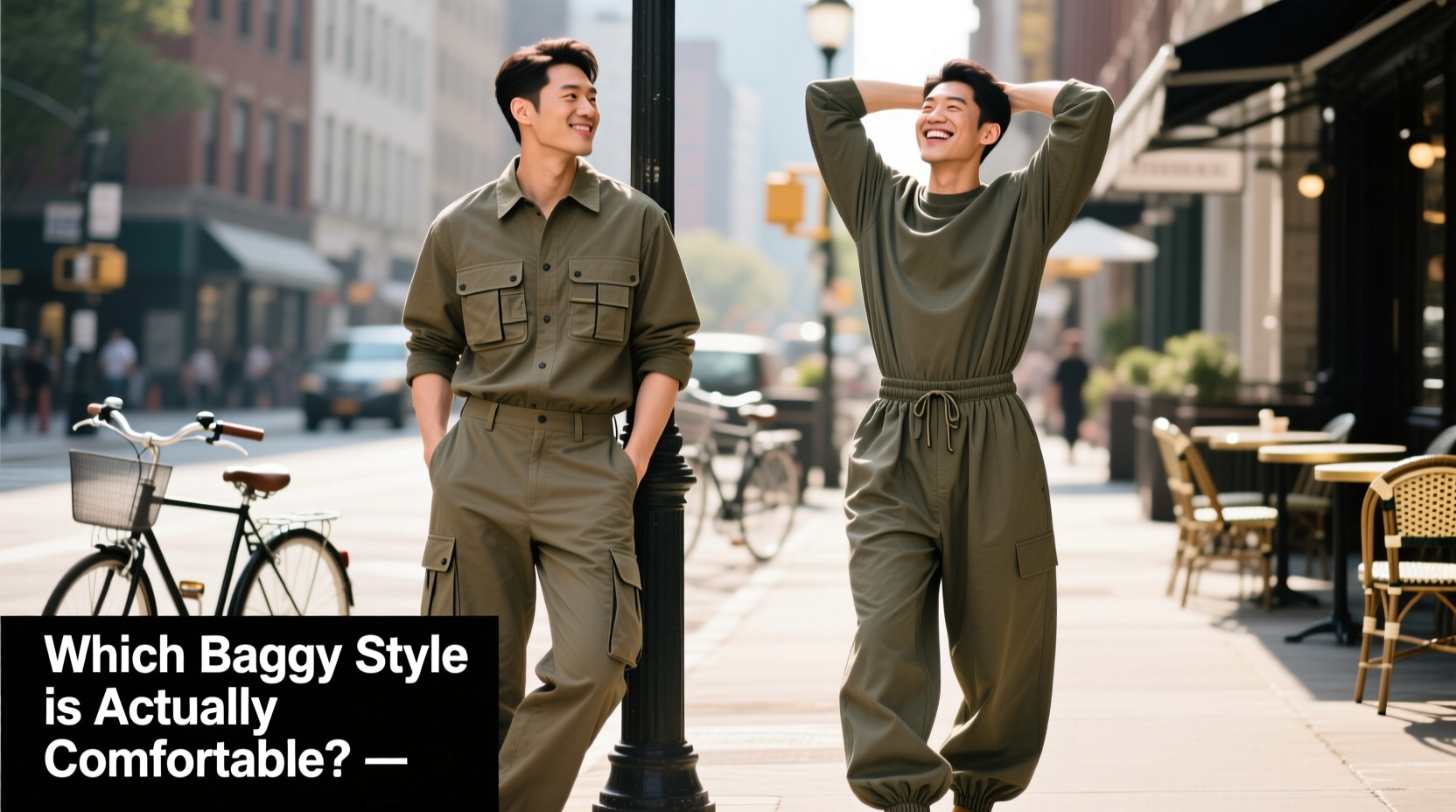
Cargo pants trace their roots to military uniforms, specifically British World War II designs intended for soldiers who needed quick access to tools, maps, and ammunition. Their defining feature—large, reinforced side pockets—wasn’t a fashion statement but a functional necessity. Made from durable cotton twill or ripstop fabric, these pants were built to endure rough terrain and heavy use.
Parachute pants, on the other hand, emerged from a completely different context. Named not because they were made from actual parachute material (though some early versions were), but because they mimicked the slick, wind-resistant nylon used in parachutes. Popularized in the 1980s by breakdancers and hip-hop artists, they offered a futuristic look with a lightweight, rustling feel that moved dramatically during dance routines.
“Comfort isn’t just about looseness—it’s about how a garment interacts with your body over time. The best baggy pants don’t just hang; they respond.” — Lena Torres, Textile Designer & Wearability Researcher
Fabric & Breathability: What Touches Your Skin Matters
The most immediate difference between cargo and parachute pants lies in their fabric composition, which directly affects comfort, especially during extended wear.
Cargo pants are typically constructed from heavier materials like cotton canvas, cotton-polyester blends, or ripstop nylon. These fabrics provide structure and durability but tend to trap heat. Cotton offers moderate breathability but absorbs moisture slowly and takes time to dry. In hot or humid conditions, this can lead to discomfort, chafing, or a sticky feeling against the skin.
Parachute pants, by contrast, are usually made from high-denier nylon or polyester with a tight weave. This makes them extremely lightweight and water-resistant. They wick sweat efficiently and dry almost instantly, making them ideal for active use or unpredictable weather. However, their synthetic nature can sometimes cause overheating if ventilation is poor, and the material often produces a noticeable rustling sound with every step—a trait loved by some, hated by others.
Tip: If you live in a humid climate, prioritize moisture-wicking linings or hybrid blends—even in cargo-style pants—to avoid discomfort from trapped sweat.Mobility & Fit: How They Move With You
Both styles offer a loose fit, but their construction leads to distinct movement profiles.
Cargo pants often feature a straight or slightly tapered leg with reinforced knees and belt loops designed for stability. The added weight of multiple pockets (especially when filled) can pull the waistband down or restrict stride if not properly fitted. However, many modern versions now include elasticated waists, gusseted crotches, or stretch panels—features that significantly improve flexibility without sacrificing utility.
Parachute pants excel in unrestricted motion. Their narrow waistband, flared legs, and minimal seams allow for wide-ranging movement, making them popular among dancers and cyclists. The snug waist creates a bungee-like effect, keeping the pants secure while the lower legs billow freely. Some models even feature zippers along the calves to adjust volume or aid in putting them on over shoes.
However, the same looseness that enables agility can become a liability. Without proper drawstrings or adjustable cuffs, parachute pants may flap excessively while walking or get caught on objects. Cargo pants, despite being bulkier, generally stay in place better due to their structured waist and heavier drape.
Comparison Table: Key Comfort Factors
| Feature | Cargo Pants | Parachute Pants |
|---|---|---|
| Fabric Weight | Medium to heavy | Very light |
| Breathability | Moderate (cotton); better with mesh liners | High (synthetic wicking) |
| Pocket Utility | High – multiple large, accessible pockets | Low – minimal or decorative pockets |
| Mobility | Good (improved with stretch) | Excellent – designed for dynamic movement |
| Noise Level | Quiet | Loud rustling with movement |
| Durability | High – abrasion-resistant fabrics | Moderate – prone to snags and tears |
| Weather Resistance | Limited unless treated | Naturally water-resistant |
Real-World Use Case: Urban Commuter vs Festival Goer
Consider two scenarios to illustrate which style performs better under specific conditions.
Scenario 1: The Daily Commuter
Alex bikes 30 minutes to work through city streets, carries a phone, wallet, keys, multitool, and sometimes a small notebook. The route includes rain-prone zones and variable temperatures. Alex values both functionality and comfort.
In this case, modern cargo pants with stretch fabric, DWR (durable water repellent) finish, and hidden ventilation zips offer superior practicality. The ability to securely carry essentials without a backpack—and withstand light rain—makes cargo pants the clear winner. Parachute pants might keep Alex dry, but lack of secure storage and tendency to snag on bike chains reduce their viability.
Scenario 2: The Music Festival Attendee
Jamie attends a three-day outdoor festival with dancing, mud, and fluctuating temperatures. Style matters, but so does staying cool and moving freely in crowds.
Here, parachute pants shine. Their lightweight build prevents overheating, and the dramatic flare adds visual flair under stage lights. When it rains, Jamie stays dry without needing extra layers. Even when sitting on damp ground, the nylon shell resists moisture absorption. While there’s nowhere to store items safely, Jamie uses a crossbody bag, minimizing the drawback.
Tip: Pair parachute pants with compression shorts or lightweight base layers to prevent chafing during prolonged physical activity.Long-Term Wearability: Comfort Beyond the First Hour
Initial comfort is easy to judge. Sustained comfort is harder to achieve.
Cargo pants, particularly those made from stiff cotton, often require a break-in period. After several wears and washes, they soften and conform to the body’s shape. Once broken in, well-fitted cargo pants feel like reliable workwear—supportive, familiar, and unobtrusive. However, low-quality versions with plastic pocket snaps or coarse stitching can cause irritation over time.
Parachute pants rarely need breaking in. From day one, they drape smoothly and move effortlessly. But long-term satisfaction depends on maintenance. Nylon tends to hold odors more than cotton, especially after sweaty use. Without proper washing (cold water, mild detergent), they can develop a persistent synthetic smell. Additionally, repeated folding or packing may create permanent creases that affect drape.
Checklist: Choosing the Right Baggy Pant for Your Lifestyle
- ✅ Do you carry everyday items? → Choose cargo pants with secure, accessible pockets.
- ✅ Will you be active or dancing? → Prioritize parachute pants for maximum airflow and motion.
- ✅ Do you live in a rainy or humid climate? → Look for water-resistant finishes on either style.
- ✅ Is noise a concern? → Avoid parachute pants in quiet offices or libraries.
- ✅ Do you value durability over trendiness? → Opt for reinforced cargo pants with bar-tacked seams.
- ✅ Are you sensitive to synthetic fabrics? → Test nylon-lined styles before full-day wear.
Expert Insight: The Science of Loose-Fit Comfort
Dr. Rajiv Mehta, a biomechanics specialist at the Human Garment Interaction Lab, explains why not all bagginess feels equal:
“Air circulation between fabric and skin reduces perceived temperature by up to 3°C. But only if the garment allows convective airflow. Many baggy pants fail here—they’re loose but sealed at the ankles or waist, creating a greenhouse effect. True comfort requires strategic venting, not just volume.” — Dr. Rajiv Mehta, Biomechanics Specialist
This insight underscores a key flaw in poorly designed oversized pants: excessive fabric without ventilation leads to heat buildup. Both cargo and parachute pants can suffer from this, but solutions exist. Cargo pants with zippered thigh vents or mesh-backed pockets improve airflow. Parachute pants with open hem cuffs or perforated panels do the same.
Step-by-Step Guide: Maximizing Comfort in Baggy Pants
- Assess Your Needs: List your primary activities (walking, cycling, standing, sitting). This determines whether utility (cargo) or mobility (parachute) matters more.
- Try Before You Buy: Sit, squat, and walk in-store or during virtual try-ons. Pay attention to crotch strain and waist slippage.
- Check Fabric Composition: Aim for at least 10–20% elastane in cargo pants for stretch. For parachute pants, look for coated nylon with UV protection.
- Evaluate Ventilation Features: Seek hidden zips, mesh inserts, or gussets that promote airflow.
- Wash According to Care Labels: Air-dry parachute pants to preserve coating; tumble-dry cotton cargos on low to soften fibers.
- Adjust Fit Over Time: Use belt loops, drawstrings, or tailor hems to maintain optimal drape and clearance from shoes.
FAQ: Common Questions About Baggy Pant Comfort
Can I wear cargo pants casually without looking bulky?
Yes—choose slimmer silhouettes with minimal pocket padding. Roll or cuff the hems slightly, and pair with fitted tops to balance proportions. Modern “lifestyle” cargo pants are designed specifically for urban wear, blending utility with clean lines.
Are parachute pants suitable for cold weather?
Not inherently. Their thin fabric offers little insulation. However, they work well as an outer layer over thermal leggings or jeans in dry, windy conditions. Just avoid wearing them in snow or sustained cold without additional layers.
Why do my cargo pants sag after a few hours?
This usually indicates poor waistband elasticity or insufficient belt support. Try versions with internal drawcords or switch to a sturdier belt. Also, avoid overloading pockets—distributed weight pulls fabric downward and strains seams.
Final Verdict: Which Style Wins on Comfort?
There’s no universal answer—comfort is contextual. But based on performance across environments, parachute pants win for pure physical ease during movement and heat management, while cargo pants take the lead in sustained, functional comfort where carrying capacity and durability matter.
If you prioritize freedom, airflow, and a dynamic aesthetic, parachute pants are unmatched. They’re the running shoes of baggy bottoms—light, responsive, and engineered for motion.
If your days involve errands, travel, outdoor tasks, or any situation where having tools at hand improves efficiency, cargo pants offer a level of integrated utility that parachute pants can’t match. Think of them as the hiking boots of loose-fit fashion—rugged, dependable, and built for purpose.
Conclusion: Choose Based on Your Life, Not the Trend Cycle
Baggy pants aren’t just a retro revival—they’re a legitimate option for people who value comfort, expression, and adaptability in clothing. Rather than chasing nostalgia or viral TikTok looks, assess what your body needs from a pair of pants on an average day.
Test both styles. Walk in them. Sit for an hour. Carry your usual load. See which one still feels good at the end of the day. That’s the true test of comfort—not how they photograph, but how they perform.
💬 What’s your go-to baggy pant for all-day comfort? Share your experience and help others find their perfect fit.