Every morning, millions of people reach for a bag—whether it’s a rugged canvas backpack for the commute or a sleek designer handbag for a day in the city. The choice often comes down to style, convenience, and budget. But one question lingers: Are expensive bags actually more practical than their affordable counterparts? On the surface, luxury brands promise superior craftsmanship, timeless design, and enduring quality. Yet, when tested against daily wear and tear, do they truly outperform a simple, durable canvas backpack? The answer isn’t as straightforward as price tags suggest.
Durability and Material Quality
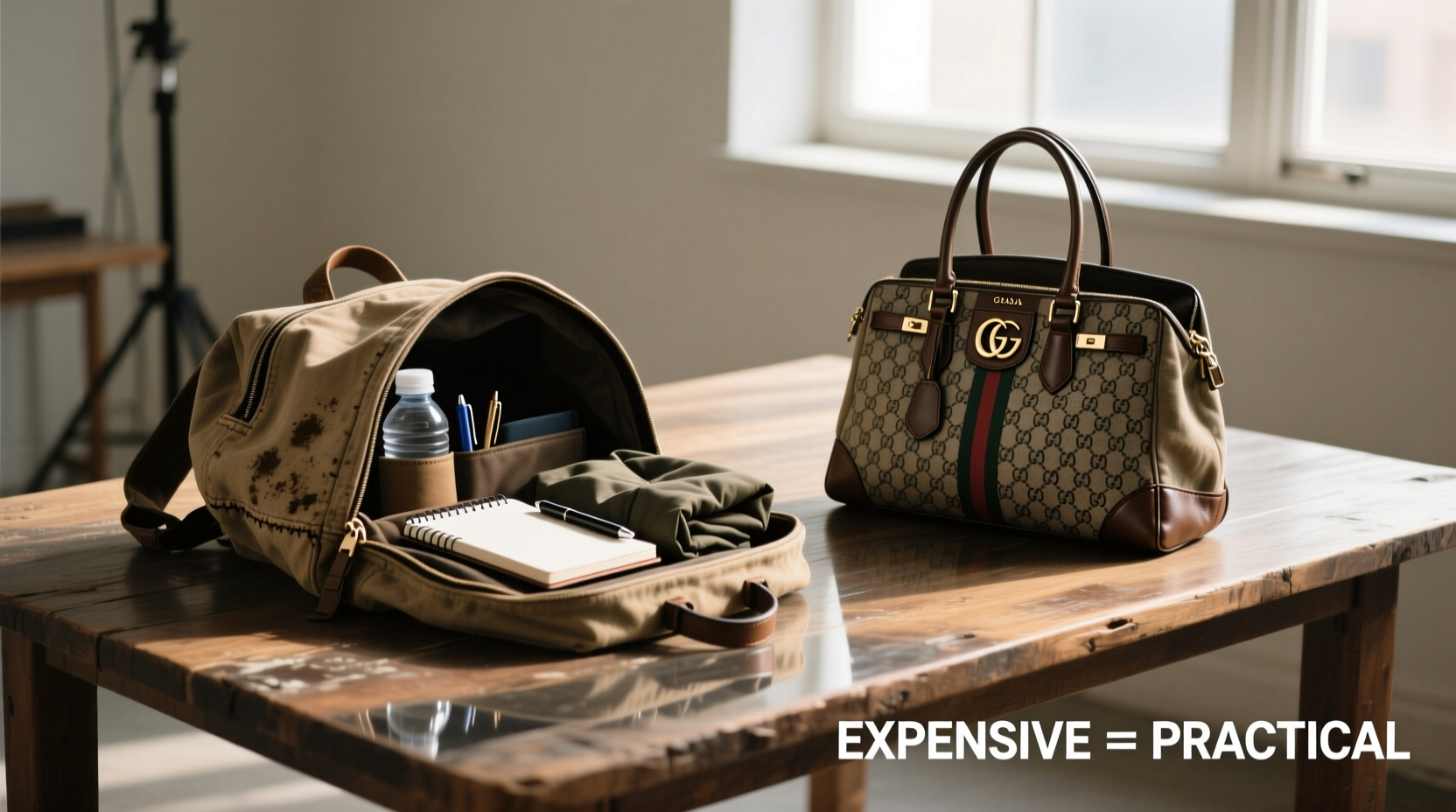
The core argument for designer handbags lies in material superiority. High-end bags typically use full-grain leather, reinforced stitching, and metal hardware designed to last. In contrast, canvas backpacks rely on tightly woven cotton or synthetic blends that resist abrasion but may lack structural longevity.
However, durability doesn’t always correlate with price. Some designer bags prioritize aesthetics over function—delicate linings, shallow compartments, or ornamental details that snag easily. Meanwhile, many modern canvas backpacks integrate water-resistant coatings, ergonomic padding, and thoughtful organizational layouts.
“Luxury doesn’t automatically mean long-lasting. I’ve seen $3,000 handbags show signs of wear after six months of regular use, while a $70 canvas pack survived years of travel.” — Lena Torres, Bag Designer & Product ConsultantTip: Evaluate materials based on your lifestyle. If you're commuting daily or traveling frequently, prioritize abrasion resistance and weight distribution over brand prestige.
Functionality in Daily Use
A bag's true value emerges in its daily utility. Backpacks offer two key advantages: hands-free mobility and balanced weight distribution. For students, urban commuters, or parents juggling gear, this is non-negotiable. Designer handbags, even structured totes, often strain shoulders and limit accessibility.
Consider access: most handbags require setting down to retrieve items. Backpacks allow quick zipped access from multiple sides. Pockets, laptop sleeves, and hydration loops are standard in mid-tier outdoor models but rare in luxury fashion lines.
Yet, designer bags excel in social and professional settings where appearance matters. Carrying a recognizable brand can signal status or confidence, especially in corporate or networking environments. Practicality here shifts from physical comfort to social currency.
Real-Life Example: Office vs Campus Life
Sophie, a marketing executive in Chicago, uses a structured Gucci tote for client meetings. It holds her tablet, notebook, and lipstick case with elegance. But on weekends hiking with her dog, she switches to a North Face canvas backpack—loaded with water, snacks, and a first-aid kit. “My Gucci bag wouldn’t survive mud,” she admits. “And my backpack would look out of place at a boardroom presentation.”
This duality reflects a growing trend: owning both types of bags for different contexts, rather than expecting one to do it all.
Cost-Per-Use: The Hidden Metric
To assess practicality, consider cost-per-use—a calculation dividing the purchase price by the number of times the bag is used.
| Bag Type | Purchase Price | Estimated Uses (5 Years) | Cost Per Use |
|---|---|---|---|
| Luxury Leather Handbag ($2,500) | $2,500 | 400 | $6.25 |
| Premium Canvas Backpack ($120) | $120 | 1,000 | $0.12 |
| Fashion Handbag ($300) | $300 | 150 | $2.00 |
The numbers reveal a striking difference. Even if the designer bag lasts five years, its cost per use remains high. The canvas backpack, used daily for work, gym, and errands, delivers far greater functional return on investment. However, emotional value—pride of ownership, brand association, aesthetic pleasure—is not captured in this metric.
Maintenance and Longevity Challenges
Luxury bags demand careful upkeep. Leather requires conditioning every few months; stains must be treated professionally. Many come with dust bags and care instructions that most owners ignore. Neglect leads to cracking, discoloration, or broken zippers—rendering a $2,000 bag unusable within three years.
Canvas backpacks, meanwhile, are low-maintenance. Most can be wiped down or machine-washed (if unlined). Repairs are easier and cheaper—replacing straps or zippers costs under $30 at local tailors.
Step-by-Step Guide: Extending Any Bag’s Lifespan
- Rotate usage: Avoid wearing one bag every single day to prevent premature fatigue.
- Clean regularly: Wipe down surfaces weekly; deep clean every 2–3 months.
- Store properly: Keep in a cool, dry place with stuffing to maintain shape.
- Avoid overloading: Excess weight strains seams and distorts structure.
- Use protective sprays: Apply fabric or leather protectant before first use.
“Consistent care and proper storage can double a bag’s lifespan.” — Emma Clarke, Fashion Care Expert
When Luxury Makes Sense (and When It Doesn’t)
Designer handbags serve specific purposes beyond utility. They can be heirlooms, investments, or symbols of achievement. Limited-edition pieces from Chanel or Hermès often appreciate in value, making them financial assets. For collectors or resellers, this practicality is measured in resale margins, not daily comfort.
But for everyday carrying—laptop, lunch, gym clothes, umbrella—the canvas backpack consistently outperforms. It adapts to weather, terrain, and load without compromise. Unless you’re attending events where image is paramount, spending thousands on a handbag rarely translates to better function.
Tip: Ask yourself: “Will this bag make my day easier—or just my Instagram feed prettier?” Prioritize ease of access, comfort, and resilience.Checklist: Choosing the Right Bag for Your Lifestyle
- ✅ Do you carry heavy items daily? → Choose a backpack with padded straps.
- ✅ Do you walk or bike to work? → Opt for balanced weight distribution.
- ✅ Is appearance critical for your job? → Consider a structured designer bag.
- ✅ Do you travel often? → Look for water resistance and lockable zippers.
- ✅ Can you afford professional maintenance? → Only invest in luxury if you’ll care for it.
FAQ
Are designer bags worth repairing?
Yes, if the bag has sentimental or resale value. Most brands offer repair services, though costs can exceed $200. For older models or discontinued lines, repairs preserve uniqueness. However, if the bag sees infrequent use, replacement may be more economical.
Can a canvas backpack look professional?
Absolutely. Brands like Bellroy, Aer, and Targus design minimalist, sleek backpacks in neutral tones that fit seamlessly in office environments. The key is avoiding loud logos and choosing refined materials like waxed canvas or recycled nylon.
Do expensive bags hold their value?
Only select models do. Hermès Birkin and Kelly bags routinely sell above retail on the secondary market. Most other designer bags depreciate immediately, losing 30–50% of value upon first use. Treat them as consumables unless you’re buying specifically for investment.
Final Thoughts: Practicality Is Personal
The debate between canvas backpacks and designer handbags isn’t about which is objectively better—it’s about alignment with your life. A teacher hauling textbooks needs durability and comfort. A lawyer meeting clients may benefit from the polish of a designer tote. Practicality is defined by how well a bag serves your routine, not its price tag.
Before investing in any bag, assess your real needs: How much do you carry? Where do you go? How much time will you spend maintaining it? A $60 backpack used wisely can outperform a neglected $3,000 handbag every time.
🚀 Reevaluate your next bag purchase. Prioritize function, test comfort, and ask: “Will this make my life easier—or just feel luxurious for a moment?” Share your experience in the comments and help others find balance between style and substance.