Flowy summer dresses are a staple in warm-weather wardrobes—lightweight, breathable, and effortlessly chic. But their loose silhouettes can sometimes obscure the waistline, making it difficult to emphasize shape. That’s where a statement belt comes in. More than just an accessory, a well-chosen belt can transform a shapeless frock into a tailored, figure-flattering ensemble. When used strategically, a statement belt adds structure, draws attention to the narrowest part of the torso, and elevates your entire look with bold style.
The key isn’t just wearing any belt—it’s about choosing the right one, positioning it correctly, and pairing it thoughtfully with your dress. From wide leather cuffs to embellished chain styles, understanding how different belts interact with various fabrics and cuts ensures you get the most out of this styling tool. Whether you're dressing up for brunch or stepping into evening wear, mastering the art of belting a flowy dress is a small change that delivers big impact.
Why Belting Works: The Science of Proportion and Silhouette
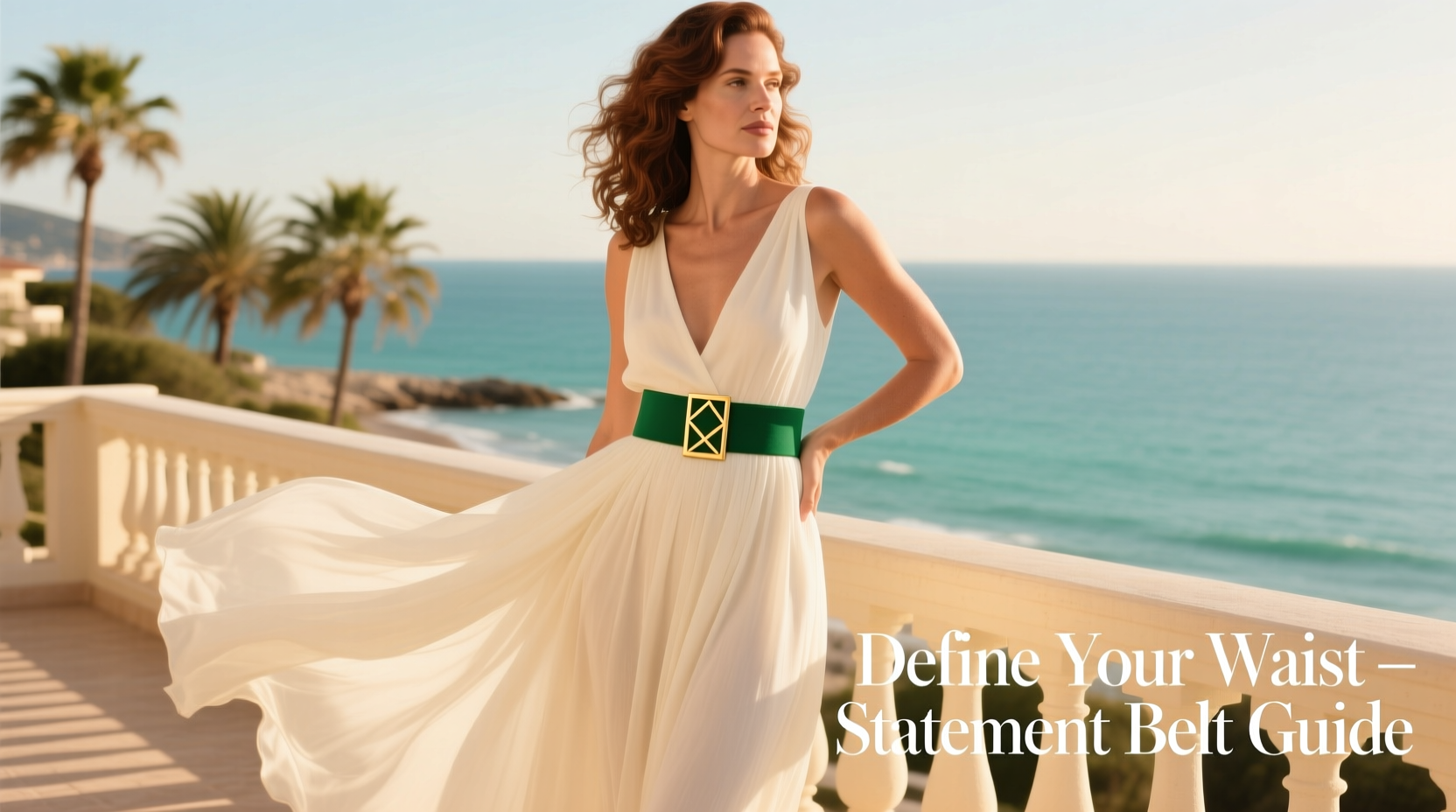
Fashion is deeply tied to visual balance. A flowing dress without definition often creates a column-like effect, which can flatten natural curves. By introducing a belt at the waist, you create contrast between volume and constraint—drawing the eye to a focal point and breaking up the silhouette into balanced sections.
According to fashion psychologist Dr. Laura Jane Smith, “The human eye naturally gravitates toward contrast and interruption in lines. A belt acts as a visual anchor, signaling where the torso ends and the hips begin. This not only enhances perceived proportion but also communicates intentionality in styling.”
This principle applies across body types. For petite frames, a narrow belt can prevent overwhelming the figure while still defining the waist. For taller or curvier builds, wider belts add drama without sacrificing elegance. The goal is always harmony—using the belt to complement, not compete with, the dress.
“Proportion is everything in summer dressing. A single accessory like a statement belt can shift an outfit from ‘thrown on’ to ‘thoughtfully styled.’” — Marcus Reed, Fashion Stylist & Editorial Consultant
Choosing the Right Statement Belt for Your Dress
Not all belts work equally well with every type of flowy dress. The ideal choice depends on fabric weight, neckline, length, and overall aesthetic. Consider these factors when selecting your belt:
- Width: Wide belts (2–3 inches) offer strong definition and work best with midi or maxi dresses made from medium-weight cotton or linen. Narrow belts (under 1 inch) suit delicate fabrics like chiffon or voile.
- Material: Leather or vegan leather belts hold structure and create clean lines. Fabric sashes drape softly and suit bohemian styles. Metallic or chain belts add glamour and pair well with slip-style or satin dresses.
- Closure: Buckles make a bolder statement; elastic or tie-front belts offer adjustability and comfort for casual wear.
- Color and Detail: Contrast colors draw more attention and maximize waist definition. Matching the belt to the dress grounds the look. Embellishments like studs, embroidery, or hardware should align with the dress’s vibe—minimalist for clean lines, ornate for romantic styles.
Matching Belt Types to Dress Styles
| Dress Style | Suggested Belt Type | Styling Notes |
|---|---|---|
| Maxi Shirtdress (linen) | Wide woven leather belt | Adds polish; tuck in a camisole underneath for layered effect |
| Slip Dress (satin) | Thin metallic chain belt | Enhances drape; place slightly above natural waist for elongation |
| Smocked Boho Midi | Fabric sash or braided cord belt | Complements soft texture; tie at side for asymmetry |
| Empire Waist Gown | No belt (or subtle ribbon) | Belt would disrupt intentional high-waist design |
| Shift Dress with Volume | Structured wide buckle belt | Creates artificial waist; choose contrasting color for emphasis |
Step-by-Step Guide to Belting a Flowy Summer Dress
Applying a belt may seem straightforward, but precision makes the difference between a defined silhouette and a haphazard look. Follow this five-step process for optimal results:
- Put on the dress and assess the fit. Stand in front of a full-length mirror. Observe where the fabric pools or billows. Identify the narrowest part of your torso—this is typically just above the hip bones and below the ribcage.
- Select your belt based on the dress’s volume. Heavier fabrics can support chunkier belts; lighter ones need delicate options to avoid distortion.
- Position the belt at the natural waist. Wrap it snugly but comfortably around your midsection. Ensure it sits horizontally—not tilted—and fastens securely. For extra lift, suck in slightly while fastening, then relax once secured.
- Adjust the dress fabric around the belt. Smooth out any bunching above or below. If the dress has excess material, gently gather and drape it over the hips for a cascading effect.
- Evaluate the final look. Turn side-on in the mirror. Does the belt create a clear hourglass shape? Is the balance between top and bottom even? Make micro-adjustments as needed.
Avoiding Common Belting Mistakes
Even experienced dressers can misstep when accessorizing flowy garments. Here are frequent errors and how to correct them:
- Belting too low (on the hips): This elongates the upper body and shortens the legs. Always aim for the true waistline unless intentionally creating a hip-belted look.
- Using a flimsy belt on a heavy fabric: Thin belts can disappear into thick cotton or denim dresses. Match belt strength to fabric density.
- Over-accessorizing: A statement belt already draws attention. Pair it with minimal jewelry to avoid visual clutter.
- Ignoring scale: Petite wearers may be overwhelmed by oversized buckles. Choose proportions that harmonize with your frame.
- Tightening excessively: While snugness defines shape, over-tightening causes bulging and discomfort. Aim for secure yet breathable fit.
“I once styled a client in a voluminous tiered dress with a tiny elastic belt. It vanished into the folds. We swapped it for a 2-inch cognac leather belt—immediate transformation. The dress went from shapeless to sculpted.” — Naomi Tran, Celebrity Wardrobe Stylist
Real-Life Example: Transforming a Beach Cover-Up into Evening Wear
Sophie, a freelance designer based in Santa Monica, attended a seaside dinner party last summer. She arrived in a long, ivory rayon cover-up dress she’d worn over her swimsuit earlier that day. Loose and airy, it lacked formality. Before entering the venue, she pulled a wide black vegan leather belt from her tote and cinched it at her natural waist. She paired the look with gold hoops and strappy sandals.
The result? Guests assumed she’d changed outfits. The belt created a dramatic contrast, added sophistication, and gave the illusion of a custom-fit garment. What started as a functional beach piece became a minimalist evening dress—proof that one accessory can redefine purpose and perception.
Styling Checklist: Get It Right Every Time
Before heading out, run through this quick checklist to ensure your belted look is polished and intentional:
- ✅ Belt width complements the dress volume
- ✅ Positioned at the narrowest part of the torso
- ✅ Sits flat and level (not twisted or slanted)
- ✅ Color either contrasts or harmonizes with the dress
- ✅ No fabric pulling or unnatural puckering
- ✅ Overall silhouette appears balanced and proportional
- ✅ Comfortable enough for extended wear
Frequently Asked Questions
Can I wear a statement belt with a very delicate fabric like chiffon?
Yes, but choose carefully. Opt for lightweight belts such as thin ribbons, fabric sashes, or soft chain belts with padding. Avoid heavy buckles or stiff materials that could snag or distort the fabric. Tie loosely and avoid excessive tightening.
What if my dress already has a built-in tie or drawstring?
You can layer a belt over it. Let the original closure sit beneath a structured belt for added definition. Alternatively, replace the soft tie with a firmer belt for a sharper silhouette while keeping the internal drawstring for modesty or fit security.
Are there body types that shouldn’t wear belted dresses?
There’s no rule excluding any body type. The key is adaptation. Apple shapes benefit from belts placed slightly higher, just under the bust, in empire-style draping. Pear shapes should emphasize the waist to balance wider hips. Hourglass figures can belt tightly to highlight curves. Adjust placement and width to enhance your unique proportions.
Final Thoughts: Elevate Simplicity with Intentional Detail
A flowy summer dress embodies ease and freedom—but effortless doesn’t have to mean undefined. With a statement belt, you introduce control, contrast, and character to an otherwise fluid form. It’s a technique rooted in tailoring principles: shaping fabric to honor the body beneath.
More than a trend, this styling method is a timeless skill. Once mastered, it allows you to reinvent pieces in your wardrobe, turning simple sundresses into standout ensembles suitable for any occasion. Whether you favor minimalist leather loops or ornate vintage-inspired buckles, the power lies in the precision of placement and confidence in expression.
💬 Try belting your favorite flowy dress this week and notice the transformation. Share your go-to belt style or ask questions in the comments—let’s build a community of smarter, more stylish summer dressing.