In today’s fast-paced world, the modern professional is often expected to shift from boardroom meetings to airport lounges without missing a beat. A well-chosen bag can make this transition effortless—offering both polished style for the office and practical durability for travel. Yet too many people end up owning multiple bags: one for work, another for weekend getaways, and perhaps a third for business trips. The smarter solution? Invest in a single versatile piece that performs beautifully in both settings.
The key lies not just in aesthetics but in thoughtful design, material quality, and intelligent functionality. With the right approach, you can find a bag that looks at home beside a laptop in a conference room and still holds up when tossed into an overhead bin or carried through cobblestone streets abroad.
Define Your Dual-Purpose Needs
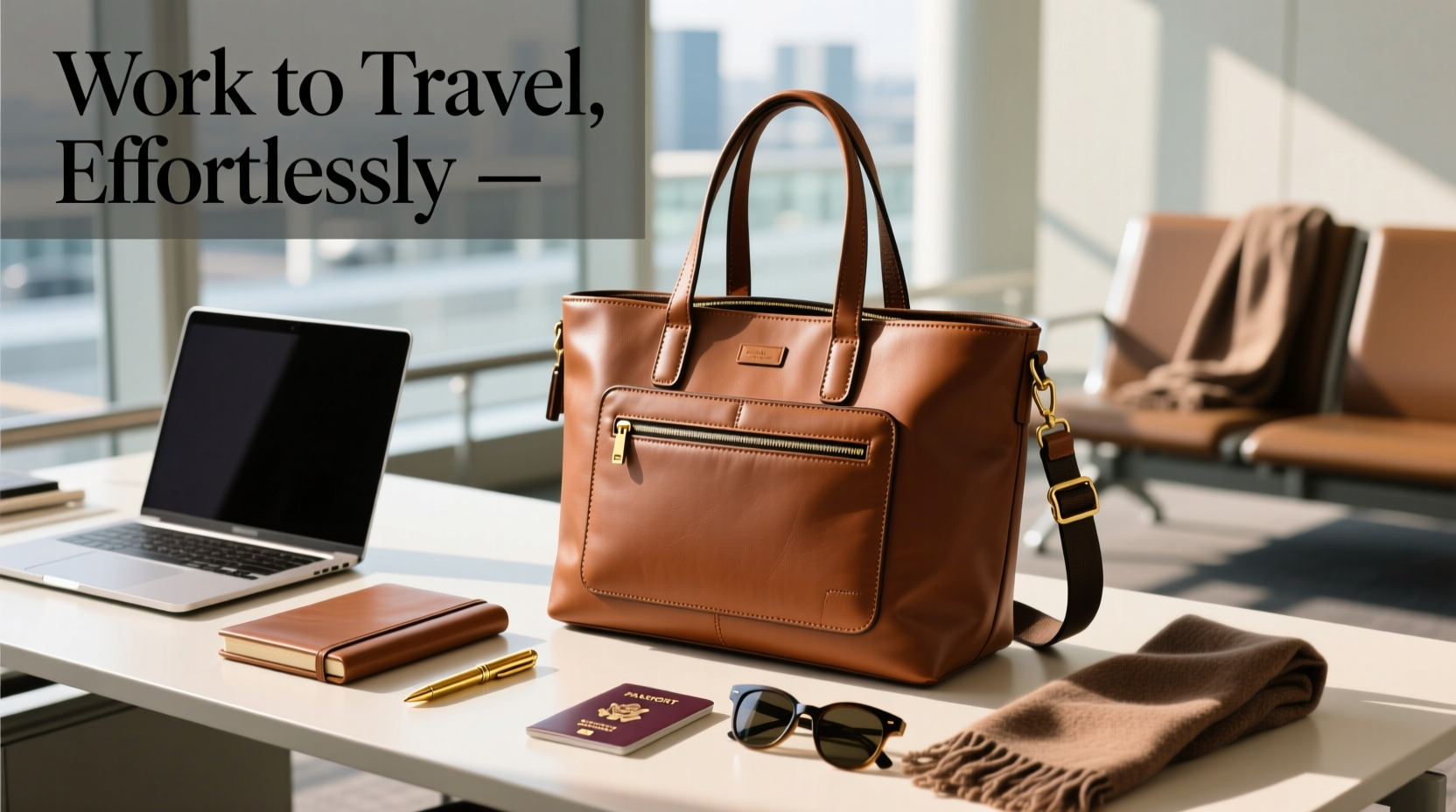
Before evaluating designs or brands, clarify what each environment demands. At work, your bag must project professionalism—structured silhouettes, neutral tones, and organized interiors help convey competence. It should carry essentials like a laptop, notebook, pens, and perhaps a change of clothes or makeup pouch. On the road, the same bag needs to be durable, lightweight, and adaptable to changing conditions—resistant to weather, easy to clean, and comfortable to wear for long stretches.
Start by listing your non-negotiables:
- Laptop compartment (with padding)
- Dedicated space for documents or folders
- Quick-access pockets for phone, passport, or wallet
- Comfortable carrying options (top handles, crossbody strap, or backpack straps)
- Water-resistant exterior or protective lining
- Weight under 4 pounds when empty
Material Matters: Balancing Style and Resilience
The fabric or leather of your bag directly affects its longevity, weight, and aesthetic flexibility. While genuine leather offers timeless elegance and develops a beautiful patina over time, it can be heavy and requires regular maintenance. Alternatives like waxed canvas, ballistic nylon, or recycled technical fabrics provide excellent durability with less upkeep and are often more travel-friendly.
“Travel exposes bags to more abrasion, moisture, and rough handling than daily commutes. Materials should be chosen not just for look, but for resilience.” — Marcus Lin, Product Designer at Nomad Gear Co.
Consider hybrid constructions: leather-trimmed nylon bodies combine ruggedness with refinement. Avoid overly delicate materials like suede or uncoated cotton unless they’re purely decorative accents.
Pros and Cons of Common Bag Materials
| Material | Style Appeal | Durability | Maintenance | Best For |
|---|---|---|---|---|
| Genuine Leather | High | Medium-High | Regular conditioning needed | Corporate environments, short trips |
| Waxed Canvas | Medium | High | Low – wipe clean | All-season use, urban + rural travel |
| Ballistic Nylon | Low-Medium | Very High | Very Low | Frequent flyers, outdoor access |
| Recycled Polyester | Medium | Medium | Low | Eco-conscious professionals |
| Suede | High | Low | High – sensitive to stains | Office-only use |
Design Features That Bridge Work and Travel
A truly transitional bag integrates subtle yet powerful features that serve both worlds. Look beyond color and brand reputation—focus on engineering details that enhance usability.
1. Convertible Carrying Options
A bag that can switch between tote, shoulder, crossbody, and even backpack mode gives you flexibility across contexts. Detachable straps or fold-out backpack supports allow you to adapt to crowded trains or long walks without sacrificing formality.
2. TSA-Friendly Laptop Compartment
Many premium commuter bags now include a lay-flat laptop sleeve that opens 180 degrees, allowing you to pass through airport security without removing your device—a feature equally useful during client visits where quick tech setup is required.
3. Hidden Security Pockets
Discreet RFID-blocking pockets or zippered compartments against the back panel protect your passport, credit cards, and boarding passes while appearing sleek from the front.
4. Expandable Sides
Some designs offer zipper-gusseted sides that add 2–3 inches of capacity when returning from a trip with souvenirs or extra laundry. When flattened, they maintain a slim profile suitable for office use.
Tip: Test the bag in person if possible—open and close zippers, insert a 15” laptop, and walk around with it to assess balance and comfort.Real-World Example: Sarah’s Paris Business Trip
Sarah, a marketing director based in Chicago, had long juggled two separate bags: a structured leather tote for work and a compact roller duffel for overnight trips. After missing a connection due to luggage delays, she decided to consolidate. She invested in a medium-sized waxed canvas weekender with leather trim, dual top handles, an adjustable crossbody strap, and a padded 15-inch laptop sleeve.
During her next business trip to Paris, she used the same bag from her downtown office to Charles de Gaulle Airport. She carried her laptop, presentation materials, a sweater, toiletry kit, and evening attire—all within the bag’s smartly divided compartments. The water-resistant fabric survived a sudden downpour, and the detachable strap made navigating metro stairs painless. Back at the office Monday morning, the bag looked polished and professional, not worn or out of place.
One bag. Two functions. Zero compromise.
Step-by-Step Guide to Choosing Your Ideal Transitional Bag
- Assess your weekly routine: How many days do you commute vs. travel? What items do you consistently carry?
- Set a budget: Aim for $200–$400—this range typically includes high-quality materials and craftsmanship.
- Choose a neutral color: Charcoal, navy, olive, or cognac blends with most wardrobes and hides minor scuffs.
- Test the weight: Empty bag should feel light. Add a book or laptop to simulate load.
- Check access points: Can you reach your phone or wallet without unpacking everything?
- Evaluate warranty and repair options: Brands offering lifetime repairs (e.g., Patagonia, Bellroy) add long-term value.
- Try before you buy—or read verified reviews: Look for feedback on comfort after extended wear and durability over six months.
Essential Checklist Before Purchase
- ✅ Fits your laptop securely (with padding)
- ✅ Includes a dedicated document sleeve
- ✅ Has at least one hidden secure pocket
- ✅ Offers multiple carry configurations
- ✅ Made from durable, low-maintenance material
- ✅ Weighs less than 4 lbs when empty
- ✅ Maintains shape when partially filled
- ✅ Complies with airline personal item dimensions (typically under 18” x 14” x 8”)
Frequently Asked Questions
Can a backpack really work in a formal office setting?
Yes—if designed thoughtfully. Minimalist backpacks in dark leather or technical fabric with clean lines and no visible branding are increasingly accepted in corporate environments. Look for models with briefcase-like structure and removable straps.
How do I keep my bag looking fresh after travel?
After each trip, empty the bag completely and wipe down interior and exterior surfaces with a damp cloth. Allow it to air dry in a ventilated area away from direct heat. Store with tissue paper inside to maintain shape. For leather, apply conditioner every 3–6 months.
Is it worth paying more for a “luxury” transitional bag?
If the higher price reflects superior materials, construction, and long-term support (like repairs), then yes. A $350 bag used daily for five years costs less per use than replacing two cheaper bags annually. Focus on value, not just cost.
Final Thoughts: One Bag, Infinite Possibilities
The ideal work-to-travel bag isn’t about compromise—it’s about convergence. It represents a philosophy of intentional living: carrying only what you need, moving efficiently between roles, and maintaining elegance under pressure. When you find that perfect balance of function and form, your bag becomes more than an accessory. It becomes an extension of your lifestyle.
Don’t settle for clutter or inconvenience. Take the time to evaluate your real needs, test options thoroughly, and invest in a piece that supports your dynamic life. Whether you're presenting quarterly results or boarding a red-eye flight, your bag should empower you—not hold you back.
💬 Found your perfect transitional bag? Share your favorite model and why it works for you in the comments—your insight could help someone else make their best choice yet.