Selecting a shoulder bag for daily work use is more than a fashion decision—it's an investment in both productivity and personal well-being. The right bag supports your routine, carries essential tools securely, and complements your professional image. Yet many people end up with shoulder bags that strain their posture, wear out prematurely, or simply don’t align with their lifestyle. The key lies in balancing practicality with aesthetics, ensuring every carry feels effortless and every look feels intentional.
Understand Your Daily Carry Needs
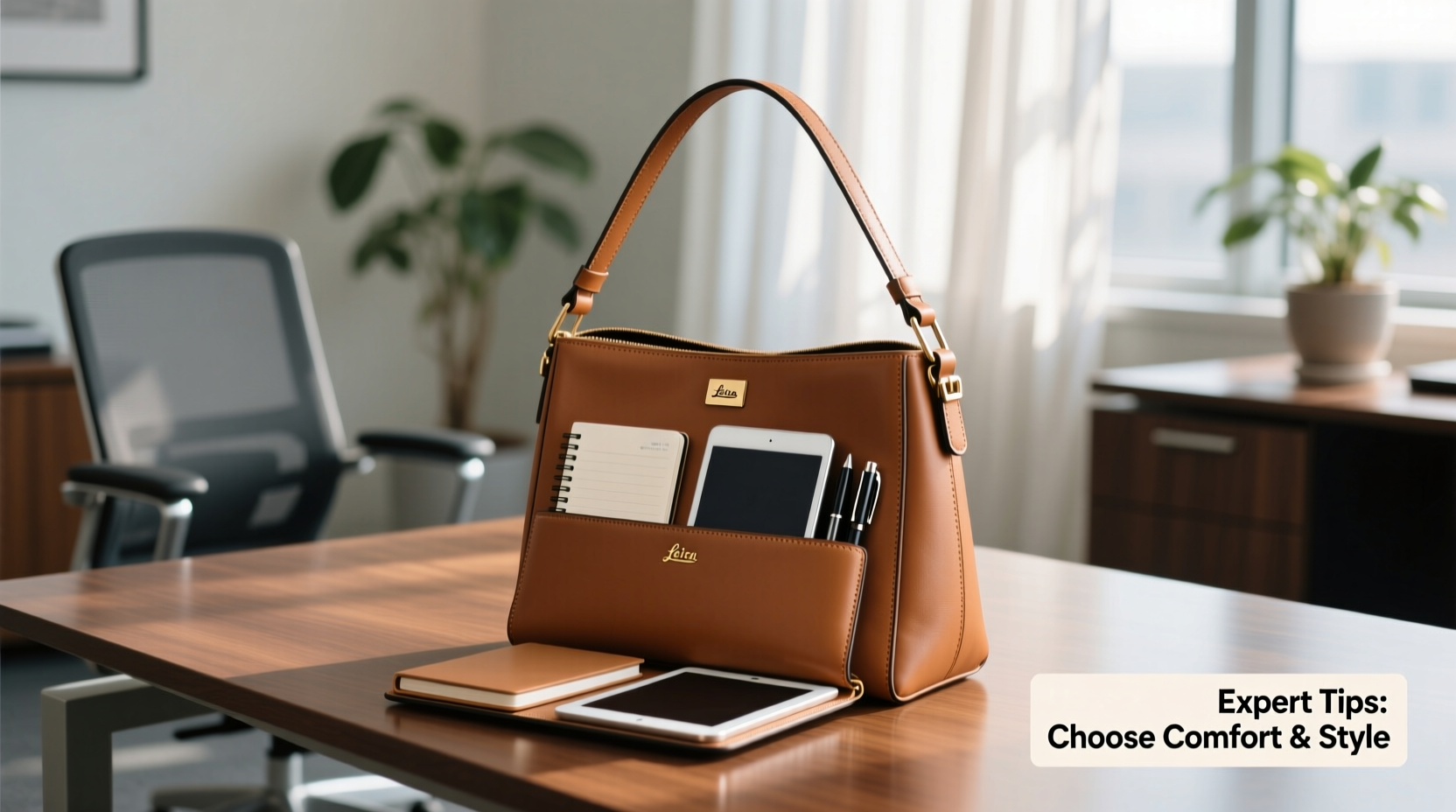
Before evaluating materials or design, start by auditing what you actually need to carry each day. A common mistake is choosing a bag based on appearance alone, only to find it lacks space for a laptop, tablet, notebooks, or even a water bottle. Professionals across industries—from lawyers to creatives—have unique carrying demands.
Begin by listing your essentials:
- Laptop (note dimensions)
- Tablet or e-reader
- Notebook and pens
- Phone and charger/power bank
- Wallet, keys, and ID badge
- Lunch container or reusable bottle
- Umbrella or compact jacket
This inventory helps determine required volume and internal organization. For example, someone commuting with a 15-inch MacBook will need a padded compartment of at least 15.6 inches. Overloading a small bag leads to bulging seams and discomfort, while an oversized one can feel cumbersome and unbalanced.
Tip: Measure your largest item (usually your laptop) and add 1 inch to each dimension when selecting compartment size.Prioritize Ergonomic Design for Long-Term Comfort
Shoulder strain, neck tension, and back pain are frequent complaints among professionals who carry heavy loads daily. The weight distribution of your bag plays a critical role in physical comfort. Look for features that reduce pressure on your dominant shoulder.
Key ergonomic considerations include:
- Adjustable straps: Allow customization for torso length and wearing preference.
- Padded shoulder straps: Distribute weight evenly and prevent digging into the shoulder.
- Crossbody capability: Longer straps let you wear the bag diagonally, shifting weight across the torso and reducing strain.
- Structured base: Prevents sagging and keeps contents stable, minimizing swing during movement.
Designers like Emily Zhao, known for her urban commuter collections, emphasize balance: “A well-balanced bag doesn’t just sit on your shoulder—it moves with you. That’s where comfort begins.”
“Even a lightweight bag can cause fatigue if poorly balanced. Test how it hangs when loaded.” — Dr. Lena Torres, Occupational Ergonomist
Material Matters: Durability Meets Style
The fabric or leather of your shoulder bag affects not only appearance but longevity and maintenance. Consider your environment: Do you commute in rainy cities? Work in air-conditioned offices? Travel frequently?
| Material | Pros | Cons | Best For |
|---|---|---|---|
| Genuine Leather | Durable, ages beautifully, professional look | Heavy, requires conditioning, sensitive to moisture | Corporate environments, long-term investment |
| Faux Leather (Vegan) | Lightweight, affordable, cruelty-free | Less breathable, prone to peeling over time | Short-term use, budget-conscious buyers |
| Nylon or Ballistic Fabric | Water-resistant, lightweight, rugged | Less formal, may look sporty | Commuting, travel, unpredictable weather |
| Cotton Canvas | Breathable, stylish, eco-friendly options | Stains easily, less structured | Casual workplaces, creative fields |
If you're torn between aesthetics and resilience, consider hybrid designs—leather trim on a nylon body, for instance—that merge elegance with endurance.
Organization That Works With Your Workflow
A disorganized bag creates mental clutter. Frequent digging for keys or missing documents undermines efficiency. Internal layout should reflect how you access items throughout the day.
Ideal organizational features include:
- Separate padded laptop sleeve (non-negotiable for tech safety)
- Dedicated zip pocket for phone and wallet
- Pen loops and card slots
- Interior mesh pockets for cords or receipts
- Quick-access exterior pocket for transit cards or sunglasses
Avoid designs with too many compartments, which can create dead zones where items get lost. Instead, opt for intuitive zoning: tech in one area, personal items in another, quick-grab essentials within reach.
Real Example: Maria’s Commute Upgrade
Maria, a marketing manager in Chicago, used a sleek but shallow tote for months. She often arrived at meetings with a crumpled notebook and a drained phone. After switching to a structured crossbody shoulder bag with a magnetic top flap and interior organizer panel, she noticed immediate improvements. Her laptop stayed protected, her power bank was always charged and accessible, and she no longer rummaged through her bag during elevator rides. “It’s not just about looking put-together,” she said. “It’s about feeling prepared.”
Style That Aligns With Your Professional Identity
Your shoulder bag is part of your professional wardrobe. It should coordinate with your typical attire and reflect the culture of your workplace. A vibrant red satchel might energize a creative studio but feel out of place in a conservative law firm.
When evaluating style, ask:
- Does the color complement my usual outfits? (Neutrals like black, navy, taupe, or brown offer maximum versatility.)
- Is the silhouette modern but timeless? (Avoid overly trendy shapes that may feel dated in two years.)
- Do the hardware finishes (zippers, clasps) match other accessories like watches or belt buckles?
Consider investing in a classic design that transitions seamlessly from desk to dinner. A minimalist leather shoulder bag in oxblood, for instance, pairs as well with a blazer as it does with a weekend coat.
Tip: Choose a bag with subtle branding. Logos may feel bold today but could seem excessive later.Step-by-Step Guide to Choosing Your Ideal Shoulder Bag
Follow this sequence to make a confident, informed decision:
- Inventory your daily essentials – List everything you carry regularly.
- Measure your largest item – Especially your laptop or tablet.
- Determine your primary use case – Office-only, hybrid, or frequent travel?
- Set a realistic budget – Aim for $150–$300 for durable, quality craftsmanship.
- Test ergonomics – If shopping in-store, load the bag with similar weight and walk around.
- Evaluate closure type – Zippers offer security; magnetic flaps allow speed. Choose based on priority.
- Check warranty and brand reputation – Reputable brands often provide repair services or guarantees.
Frequently Asked Questions
How do I prevent shoulder pain from carrying a shoulder bag?
Distribute weight evenly by using adjustable, padded straps. Switch shoulders periodically, and consider a crossbody style to stabilize the load. Avoid exceeding 10% of your body weight in carried items.
Can I use a shoulder bag for international business travel?
Absolutely. Many modern shoulder bags include RFID-blocking pockets, TSA-friendly laptop compartments, and anti-theft zippers. Look for streamlined designs that meet airline carry-on requirements.
What’s the difference between a shoulder bag and a tote?
Shoulder bags typically have a single strap that rests on one shoulder and often feature closures like zippers or flaps. Totes usually have dual handles, an open top, and are carried in the hand or elbow. Shoulder bags generally offer better security and hands-free convenience.
Final Checklist Before You Buy
- ✅ Laptop fits snugly in a padded compartment
- ✅ Strap is adjustable and cushioned
- ✅ Material suits your climate and commute
- ✅ Has at least two secure interior pockets
- ✅ Exterior allows quick access to phone/wallet
- ✅ Weight feels balanced when loaded
- ✅ Color and style match your professional wardrobe
Make the Right Carry a Daily Win
Your shoulder bag shouldn’t be an afterthought. It’s a tool that supports your focus, protects your gear, and expresses your professionalism. By applying these expert-backed principles—assessing needs, prioritizing ergonomics, choosing resilient materials, and aligning style with substance—you’ll find a bag that feels like a natural extension of your workday rhythm.
💬 Found your ideal work bag? Share your top tip or favorite brand in the comments—help others avoid the trial and error you’ve already conquered.