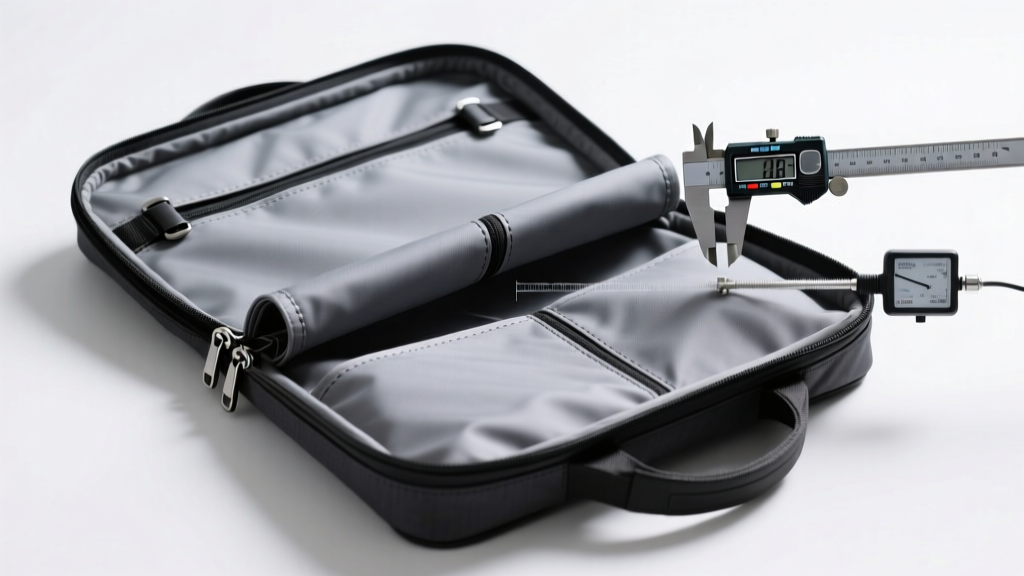
Types of Branded Traveling Bags
Choosing the right branded traveling bag can significantly enhance your travel experience by combining durability, style, and functionality. Whether you're commuting, vacationing, or heading to the gym, each type of bag serves a unique purpose. Below is a detailed breakdown of the most popular branded travel bag types, their features, advantages, and ideal use cases.
Backpacks
Designed for comfort and balanced weight distribution, branded backpacks are ideal for travelers who value mobility and organization. Constructed with ergonomic shoulder straps and often padded back panels, they reduce strain during extended wear. Most feature multiple compartments for laptops, documents, chargers, and personal items.
Advantages
- Even weight distribution for reduced back strain
- Multiple pockets for organized packing
- Hands-free convenience
- Durable, weather-resistant materials (e.g., ballistic nylon, polyester)
- Often includes laptop sleeves and USB charging ports
Limitations
- Limited capacity for long trips
- Can be bulky in crowded spaces
- Less suitable for formal settings
Best for: Daily commutes, hiking, short trips, students, and urban travelers
Rolling Luggage
Also known as suitcases or wheeled luggage, these bags are engineered for effortless mobility. Featuring retractable handles and smooth-rolling wheels (often 2 or 4-wheel spinner designs), they minimize physical effort when navigating airports, train stations, or city streets. Interiors are typically compartmentalized with zippered mesh pockets and compression straps.
Advantages
- Easy maneuverability with minimal effort
- High packing capacity with structured organization
- Available in carry-on, medium, and large sizes
- Expandable options for extra storage
- Impact-resistant shells (polycarbonate, ABS) protect contents
Limitations
- Less convenient on uneven terrain or stairs
- Bulkier and harder to store overhead
- Wheels and handles can wear out over time
Best for: Business trips, long vacations, air travel, and frequent flyers
Duffle Bags
These soft-sided, cylindrical bags offer maximum flexibility and lightweight portability. Typically made from durable fabrics like canvas, nylon, or Cordura, duffle bags feature a large main compartment with a zip or drawstring closure. Many include detachable shoulder straps and carry handles for versatile carrying options.
Advantages
- Spacious and flexible for bulky items
- Lightweight and easy to pack
- Fits well in overhead bins or car trunks
- Ideal for gym gear, weekend trips, or sports equipment
- Often water-resistant or treated for weather protection
Limitations
- Limited internal organization
- Can become heavy to carry when full
- Less secure than rigid luggage
Best for: Weekend getaways, gym use, sports events, and supplemental packing
Crossbody Bags
Compact and stylish, crossbody bags are worn diagonally across the torso, offering excellent security and hands-free convenience. Branded versions often feature RFID-blocking pockets, anti-theft zippers, and premium leather or synthetic materials. Their slim profile makes them perfect for carrying essentials without bulk.
Advantages
- Highly secure with anti-theft features
- Hands-free and easy to access
- Stylish designs suitable for casual and semi-formal use
- Lightweight and compact
- Ideal for city exploration and crowded areas
Limitations
- Very limited storage capacity
- Not suitable for carrying larger items like laptops
- Strap may cause shoulder discomfort over time
Best for: Day trips, city tours, shopping, and minimalist travelers
Tote Bags
Spacious and open-top, branded tote bags are both functional and fashionable. Made from canvas, leather, or eco-friendly textiles, they feature sturdy handles for shoulder or hand carrying. Many include interior pockets, zip closures, and reinforced bases for durability. Their minimalist yet elegant design suits both travel and daily use.
Advantages
- Large capacity for books, laptops, and personal items
- Eco-friendly options made from recycled or sustainable materials
- Versatile for travel, work, or shopping
- Easy to pack and access contents
- Often doubles as a reusable shopping bag
Limitations
- No external padding for electronics
- Open tops may be less secure
- Can sag when overloaded
Best for: Business commutes, beach trips, shopping, and eco-conscious travelers
| Type | Capacity | Portability | Security | Best For |
|---|---|---|---|---|
| Backpacks | Medium to High | Excellent | Good | Daily use, hiking, short trips |
| Rolling Luggage | High to Very High | Excellent (on flat surfaces) | Very Good | Air travel, long vacations |
| Duffle Bags | High | Good | Fair | Weekend trips, gym, sports |
| Crossbody Bags | Low | Excellent | Excellent | City travel, minimal carry |
| Tote Bags | Medium to High | Good | Fair to Good | Work, shopping, casual travel |
Expert Tip: When selecting a branded travel bag, consider your primary use case—backpacks and crossbody bags excel in urban environments, while rolling luggage and duffles are better suited for longer trips. Always check airline carry-on size restrictions before purchasing.
Designs of Branded Traveling Bags: Style, Function, and Sustainability
Branded traveling bags have evolved beyond mere utility—they now reflect personal style, lifestyle choices, and even environmental values. From rugged athletic gear to elegant luxury pieces, the design of a travel bag plays a crucial role in its functionality, durability, and appeal. Understanding the different design categories helps consumers make informed decisions based on their travel habits, fashion preferences, and sustainability goals.
Athletic Design: Built for Movement and Durability
Designed for active individuals and outdoor enthusiasts, athletic-style travel bags prioritize performance and practicality. These bags often feature bold, energetic color schemes—such as neon accents or sporty two-tone patterns—that convey a dynamic lifestyle. Constructed from durable, water-resistant materials like ballistic nylon, polyester, or ripstop fabric, they withstand harsh weather and frequent use.
Common styles include duffels, gym backpacks, and rolling sports bags, all engineered with ergonomic straps, padded handles, and multiple compartments for organizing shoes, clothes, towels, and fitness gear. Ventilated shoe pockets, moisture-wicking linings, and quick-access side pockets enhance usability. Whether heading to the gym, embarking on a weekend hike, or traveling for a sports event, athletic bags offer comfort, resilience, and smart organization.
Classic Design: Timeless Elegance and Everyday Versatility
The classic design represents understated sophistication and long-term value. Favored by professionals and frequent travelers, these bags typically come in neutral tones—black, navy, charcoal, or tan—with clean lines, minimal branding, and refined finishes. The focus is on craftsmanship rather than flash, using high-quality materials like full-grain leather, durable canvas, or premium synthetic fabrics.
Features include structured silhouettes, secure zippers, interior organization pockets, and smooth-rolling wheels (in carry-ons). Classic travel bags seamlessly transition from airport terminals to office boardrooms, making them ideal for business trips or city getaways. Their timeless appeal ensures they remain stylish for years, offering excellent return on investment through longevity and adaptability.
Luxury Design: Status, Craftsmanship, and Exclusivity
Luxury travel bags are symbols of prestige and refined taste. Crafted by renowned fashion houses such as Louis Vuitton, Gucci, or Rimowa, these pieces combine artisanal techniques with premium materials like top-grain leather, exotic skins, or aerospace-grade aluminum. Attention to detail is paramount—hand-stitched seams, polished hardware, and signature monograms distinguish them as high-end accessories.
While often commanding premium prices, luxury bags deliver not only aesthetic excellence but also superior durability and functional design. Many include TSA-approved locks, customizable interiors, and modular compartments. These bags cater to discerning travelers who value exclusivity and elegance, often serving as statement pieces for international travel or special occasions.
Eco-Friendly Design: Sustainable Style for the Conscious Traveler
With growing environmental awareness, eco-friendly travel bags have surged in popularity. Brands like Patagonia, Matt & Nat, and TUMI now offer sustainable alternatives made from recycled plastics (e.g., ocean-bound PET bottles), organic cotton, cork, or plant-based leathers. These materials reduce reliance on virgin plastics and lower carbon footprints.
Eco-conscious designs often feature minimalist aesthetics—natural tones, simple branding, and earth-inspired patterns—aligning with a "less is more" philosophy. Many are certified by organizations like Global Recycled Standard (GRS) or Bluesign®. Beyond materials, sustainable production practices, ethical labor standards, and recyclable packaging further enhance their green credentials. Ideal for eco-minded travelers, these bags prove that style and sustainability can coexist.
Fashion Design: Trend-Driven Statements and Celebrity Influence
Fashion-forward travel bags are created to turn heads. Collaborations between designers and major brands result in limited-edition pieces that blend runway trends with travel functionality. Think bold prints, metallic finishes, embellishments like studs or embroidery, and unique silhouettes that stand out in crowded airports or city streets.
Influenced by seasonal fashion cycles, these bags often appear in fashion magazines, social media campaigns, and celebrity wardrobes. Made from diverse materials—including vegan leather, coated canvas, or innovative textiles—they cater to style-conscious consumers who view luggage as an extension of personal identity. While sometimes less practical for long trips, fashion bags excel as weekenders, cabin luggage, or everyday totes that elevate any outfit.
| Design Type | Best For | Key Features | Average Price Range |
|---|---|---|---|
| Athletic | Gym-goers, outdoor adventurers, weekend travelers | Water-resistant fabric, multiple pockets, ergonomic carry | $50 – $150 |
| Classic | Business travelers, daily commuters, minimalists | Durable materials, neutral colors, professional look | $100 – $300 |
| Luxury | High-end travelers, collectors, gift buyers | Premium craftsmanship, iconic branding, exclusive materials | $500 – $3,000+ |
| Eco-Friendly | Environmentally conscious consumers, sustainable lifestyle advocates | Recycled materials, low-impact production, minimalist design | $80 – $250 |
| Fashion | Style influencers, trend followers, urban travelers | Bold aesthetics, celebrity collaborations, seasonal releases | $150 – $600 |
Tip: When choosing a branded travel bag, consider not only appearance but also your travel frequency, destination type, and packing habits. A well-chosen bag enhances convenience, protects your belongings, and reflects your personal values—whether that’s performance, professionalism, luxury, sustainability, or fashion-forward thinking.
Why Choose Branded Travel Bags?
When it comes to travel gear, the decision to invest in a branded travel bag—such as those from industry leaders like Samsonite, Tumi, or Briggs & Riley—goes beyond just a name. These brands have built their reputations on delivering reliable, stylish, and durable solutions for modern travelers. Whether you're a frequent flyer, a business professional, or an occasional vacationer, choosing a branded travel bag offers tangible benefits that enhance your journey from start to finish.
Brand Recognition & Trust
A recognizable brand logo on a duffle, suitcase, or backpack isn't just for show—it signals a legacy of quality and customer satisfaction. Established brands like Samsonite and Tumi have spent decades refining their designs and building consumer trust through consistent performance.
- Top brands are globally recognized, making it easier to identify luggage at baggage claims
- Brand reputation often reflects adherence to international manufacturing and safety standards
- Familiar logos provide a sense of reliability, especially when traveling in unfamiliar destinations
Did you know? Over 70% of business travelers prefer branded luggage due to perceived dependability and professional appearance.
Superior Quality & Long-Term Durability
Branded travel bags are engineered using high-performance materials such as ballistic nylon, polycarbonate shells, and aerospace-grade aluminum frames. These components are rigorously tested for impact resistance, abrasion, and weather exposure.
- Reinforced stitching and weather-sealed zippers prevent rips and water damage
- Premium wheels and telescopic handles ensure smooth mobility over varied surfaces
- Higher initial cost is offset by years of use—often 5–10 years with proper care
Smart investment: A $300 branded suitcase used for 8 years costs less than $40 per year—less than most generic bags replaced annually.
Wide Variety & Customization Options
Leading brands offer extensive product lines designed for every type of traveler and trip duration. From compact carry-ons to expandable checked luggage, the options are tailored to real-world needs.
- Multiple categories: rolling suitcases, garment bags, backpacks, duffles, and tech organizers
- Available in diverse colors, finishes (matte, gloss, textured), and sizes (18” to 32”)
- Specialized features like TSA-approved locks, USB charging ports, and modular compartments
Style meets function: Whether you prefer minimalist black or bold patterns, branded bags let you express personal taste without sacrificing utility.
Comprehensive Warranty & Customer Support
Unlike generic luggage, most premium brands back their products with robust warranties—often ranging from 5 years to a lifetime—covering defects, zipper failures, and wheel damage.
- Many offer repair or replacement services at no cost, even after years of ownership
- Dedicated customer service teams assist with claims, repairs, and part replacements
- Satisfaction guarantees and return policies enhance buyer confidence
Peace of mind: Brands like Briggs & Riley offer "Simple as that." lifetime repair policy—no questions asked.
Thoughtful Design & Aesthetic Appeal
Branded travel bags are not just functional—they are designed with aesthetics and ergonomics in mind. Design teams collaborate with industrial engineers and fashion experts to create products that are both beautiful and practical.
- Ergonomic handles and balanced weight distribution reduce strain during transit
- Clean lines, modern silhouettes, and signature details elevate the travel experience
- Interior organization systems (pockets, compression straps, garment sleeves) maximize packing efficiency
Design detail: Tumi’s FXT ballistic nylon is not only durable but also resists scuffing and maintains a polished look over time.
Added Value & Resale Potential
Premium branded bags often retain their value better than off-brand alternatives. Well-maintained luggage from top manufacturers can be resold or passed down, extending its lifecycle.
- Recognizable brands command higher resale prices on secondhand markets
- Classic designs remain stylish for years, avoiding the "dated" look of trend-driven models
- Gifting a branded bag is seen as thoughtful and prestigious
Bonus benefit: Some brands offer loyalty programs or trade-in options for new purchases.
Expert Tip: When selecting a branded travel bag, consider your most common travel scenario—business trips, weekend getaways, or international vacations—and choose a model optimized for that use. Look for bundles or starter kits (e.g., carry-on + personal item) for maximum value and coordinated styling.
| Traveler Type | Recommended Brand | Key Features | Lifespan Estimate |
|---|---|---|---|
| Frequent Business Traveler | Tumi, Briggs & Riley | TSA locks, garment sleeves, laptop compartments | 7–10 years |
| Leisure Vacationer | Samsonite, Delsey | Lightweight design, expandable storage, spinner wheels | 5–8 years |
| Adventure/Outdoor Explorer | Patagonia, The North Face | Weather-resistant fabrics, rugged construction, MOLLE compatibility | 6–9 years |
| Student or Budget-Conscious Traveler | AmazonBasics (branded line), Kenneth Cole | Affordable pricing, decent durability, modern style | 3–5 years |
Additional Advantages of Branded Travel Bags
- Innovation: Leading brands invest in R&D to introduce smart features like GPS tracking, built-in scales, and wireless charging
- Sustainability: Many now use recycled materials (e.g., Repreve fabric) and eco-conscious manufacturing processes
- Security: Integrated lock systems and slash-resistant materials protect belongings in transit
- Compatibility: Designed to meet airline carry-on size requirements and fit in overhead bins
- Accessories: Branded ecosystems include packing cubes, luggage tags, and protective covers for a complete travel solution
How to Choose Branded Traveling Bags: A Smart Buyer’s Guide
Selecting the right branded travel bag is more than just a style decision—it's an investment in comfort, durability, and functionality. Whether you're a frequent flyer, a weekend adventurer, or preparing for a long-term journey, choosing a high-quality bag from a reputable brand ensures your belongings stay protected and organized. This comprehensive guide breaks down the five essential factors to consider when purchasing a branded travel bag: brand reputation, material quality, functionality, design, and value for money.
Important Note: While style and price are important, never compromise on safety and durability when selecting luggage. A well-built bag can protect your valuables through rough handling, weather exposure, and long-distance travel.
1. Brand Reputation – Trust Matters
The reputation of a luggage brand is a strong indicator of product quality and customer satisfaction. Established brands like Samsonite, Tumi, Rimowa, and Briggs & Riley have earned their status through decades of innovation, reliability, and traveler trust.
- Look for brands with consistently high ratings on trusted platforms like Amazon, Trustpilot, or Consumer Reports.
- Check for warranties—many premium brands offer lifetime or extended limited warranties as a sign of confidence in their products.
- Read user reviews to understand real-world performance, especially regarding durability after multiple trips.
- Prioritize brands known for excellent customer service and repair options, which add long-term value.
A respected brand not only delivers quality but also reflects a commitment to design excellence and traveler needs.
2. Material and Durability – Built to Last
Your travel bag will face rough handling, weather changes, and constant use. Choosing the right material is crucial for protecting your items and ensuring longevity.
- Hard-shell cases made from polycarbonate or ABS plastic offer excellent impact resistance and are ideal for air travel.
- Soft-sided bags crafted from ballistic nylon, polyester, or Cordura provide flexibility, lightweight performance, and often better expandability.
- Look for water-resistant or water-repellent coatings that protect against rain and spills.
- Reinforced corners, double-stitched seams, and abrasion-resistant panels increase resilience.
- Durable zippers (e.g., YKK) and reinforced handles ensure the bag can withstand daily wear and tear.
Test the fabric by checking its thickness and resistance to scratching. A durable bag may cost more upfront but saves money over time by avoiding frequent replacements.
3. Functionality and Features – Designed for Real Travel
Modern travel bags come with smart features that enhance convenience and organization. Consider how the bag supports your specific travel habits.
- Multiple compartments help separate clothes, electronics, toiletries, and documents for quick access.
- Compression straps keep contents secure and reduce shifting during transit.
- Expansion zippers allow extra packing space when needed—ideal for return trips with souvenirs.
- Integrated USB ports (with internal battery pocket) offer on-the-go charging—great for tech-savvy travelers.
- Smooth-rolling, 360-degree spinner wheels make maneuvering through airports and train stations effortless.
- Telescopic handles with multiple height settings ensure comfort for users of all sizes.
- Ensure the bag meets airline carry-on size requirements if you plan to avoid checked baggage fees.
Bags with TSA-approved locks provide added security while allowing airport inspectors to open them without damage.
4. Design and Aesthetics – Style Meets Personality
Your travel bag is often the first thing noticed at the baggage claim. Choosing a design that reflects your personal style enhances both confidence and enjoyment.
- Classic colors like black, navy, or gray offer timeless appeal and hide dirt well.
- Bold colors or unique patterns make your bag easy to identify and add a fun element to travel.
- Minimalist designs suit business travelers, while vibrant or adventurous styles appeal to leisure explorers.
- Consider sleek silhouettes with clean lines for a modern look, or vintage-inspired shapes for a retro vibe.
While aesthetics matter, ensure the design doesn’t sacrifice practicality—ornate details shouldn’t interfere with functionality or durability.
5. Price and Value – Invest Wisely
Travel bags range from budget-friendly options to luxury investments. The key is finding the best value for your needs and budget.
- Entry-level branded bags ($50–$150) offer decent quality for occasional travelers.
- Mid-range options ($150–$300) balance performance, features, and durability—ideal for regular travelers.
- Premium luggage ($300+) from brands like Tumi or Rimowa delivers top-tier materials, engineering, and warranty support.
- Consider cost per use: a $400 bag used for 50 trips costs only $8 per trip—often less than replacing cheaper bags every few years.
- Watch for seasonal sales, travel expos, or bundle deals to get more value.
Focus on long-term value rather than just the sticker price. A slightly more expensive bag that lasts 10 years is far more economical than three cheap bags that fail within two.
| Selection Factor | Top Brands | Key Features to Look For | Budget Range |
|---|---|---|---|
| Brand Reputation | Samsonite, Tumi, Rimowa, Briggs & Riley | Lifetime warranty, strong customer reviews, global service centers | $150–$600+ |
| Material & Durability | Osprey, Thule, Delsey | Polycarbonate shell, ballistic nylon, YKK zippers, reinforced corners | $100–$400 |
| Functionality | Travelpro, Away, Pelican | Spinner wheels, TSA locks, USB ports, expansion zippers | $120–$350 |
| Design & Style | Kamiliant, July, Bluesmart | Color variety, modern shapes, customizable tags, minimalist look | $100–$300 |
| Value for Money | AmazonBasics, Rockland, American Tourister | Solid build, warranty, airline-compliant sizing | $40–$120 |
Pro Tip: Before purchasing, visit a store to physically test the bag—roll it, open compartments, and lift it to assess weight and comfort. If shopping online, check return policies and warranty details to ensure peace of mind.
Final Recommendations
- Always match the bag type (carry-on, checked, duffel, backpack) to your typical travel style.
- Register your luggage with the manufacturer for warranty activation and theft recovery support.
- Use packing cubes to maximize organization, regardless of bag size or brand.
- Clean and store your bag properly after trips to extend its lifespan.
- Consider eco-friendly brands that use recycled materials and sustainable practices.
Choosing the right branded travel bag is about balancing quality, function, and personal preference. With the right research and attention to detail, you can find a luggage companion that makes every journey smoother, safer, and more stylish.
Frequently Asked Questions About Travel Bags
Q1: What is the purpose of travel bags?Travel bags are specifically designed to securely store, organize, and transport personal belongings from one place to another—whether it's a weekend getaway, a business trip, or an international adventure. Their primary purpose is to protect contents such as clothing, electronics, toiletries, and valuables from environmental hazards like moisture, dust, impact, and rough handling during transit.
Beyond protection, travel bags enhance convenience by offering structured compartments, durable carrying options (like handles, straps, or wheels), and ergonomic designs that make mobility easier. Whether you're navigating airport terminals, hiking to a campsite, or commuting across town, a well-designed travel bag ensures your essentials stay safe, accessible, and organized.
Q2: What are the different types of travel bags called?Travel bags come in a wide variety of styles, each tailored for specific needs, durations, and modes of travel. Common types include:
- Suitcases: Rigid or soft-sided wheeled luggage ideal for air travel and longer trips. Available in carry-on and checked sizes.
- Backpacks: Hands-free, shoulder-carried bags perfect for hiking, commuting, or urban exploration. Often feature padded straps and laptop sleeves.
- Duffle Bags: Cylindrical, soft-sided bags great for short trips or gym use. Lightweight and easy to pack, though less organized than suitcases.
- Tote Bags: Stylish, open-top bags suitable for day trips, shopping, or carrying work essentials. Often made from canvas or leather.
- Wheeled Duffels: Combine the capacity of a duffle with the convenience of wheels and a telescoping handle—ideal for athletes or frequent travelers.
- Garment Bags: Designed to carry suits, dresses, or formal wear without wrinkling, often used for business or special events.
Choosing the right type depends on your travel style, destination, duration, and what you need to carry.
Q3: What are travel bags used for?Travel bags serve a wide range of purposes across different lifestyles and activities:
- Vacations: Carry clothes, shoes, toiletries, and accessories for leisure trips—ranging from beach getaways to mountain retreats.
- Business Travel: Transport professional attire, laptops, documents, and presentation materials in a polished, organized manner.
- Daily Commuting: Backpacks or totes help carry work items, lunch, and personal devices between home and office or school.
- Weekend Getaways: Compact duffels or carry-ons are perfect for short trips with minimal packing needs.
- Adventure & Outdoor Activities: Waterproof backpacks or rugged duffels carry gear for camping, skiing, or trekking in challenging conditions.
- Specialized Use: Camera bags, laptop cases, and sports equipment bags are designed to protect high-value or delicate items.
No matter the purpose, a good travel bag simplifies movement, reduces stress, and keeps your belongings secure and accessible.
Q4: What features should a high-quality travel bag have?A reliable travel bag should combine durability, functionality, and thoughtful design. Key features to look for include:
- Durable Materials: High-denier nylon, polyester, or polycarbonate shells resist tears, abrasions, and weather exposure.
- Reinforced Zippers: Double-stitched, lockable zippers prevent breakage and theft—especially important for international travel.
- Comfortable Carrying Options: Padded handles, adjustable shoulder straps, and telescoping handles with smooth-rolling wheels reduce strain.
- Weather Resistance: Water-resistant or waterproof coatings protect contents during rain, snow, or spills.
- Multiple Compartments: Internal pockets, mesh dividers, and dedicated laptop/tablet sleeves improve organization and accessibility.
- Security Features: Lockable zippers, RFID-blocking pockets, and anti-theft designs add peace of mind in crowded areas.
- Lightweight Construction: Especially important for carry-ons to stay within airline weight limits while maximizing packing capacity.
Investing in a bag with these features ensures long-term reliability and enhances your overall travel experience.
Q5: Why do kids need their own travel bags?Providing children with their own travel bags offers both practical and developmental benefits:
- Age-Appropriate Size: Kids’ bags are smaller and lighter, making them easier for young travelers to carry without strain.
- Encourages Independence: Letting children pack their own clothes, toys, and books fosters responsibility and decision-making skills.
- Reduces Parental Stress: Each child having their own bag means fewer items for parents to manage, minimizing lost items and meltdowns.
- Promotes Organization: With designated spaces for clothes, snacks, and entertainment, kids learn to keep their belongings tidy.
- Fun & Personalization: Many kids’ bags feature colorful designs, favorite characters, or customizable tags, making travel more exciting and engaging.
- Safety & Identification: Labeled bags help identify ownership quickly and reduce mix-ups during group trips or school excursions.
Whether it’s a mini backpack for a sleepover or a wheeled suitcase for a family vacation, a child-sized travel bag empowers young travelers and makes journeys smoother for the whole family.