
For hikers who value speed, efficiency, and minimalism, every ounce counts. Carrying a heavy pack on a short trail can sap energy, reduce agility, and make an otherwise enjoyable outing feel like a chore. That’s where ultralight backpacks come in���specifically, models that weigh less than two pounds. These packs are designed to carry just the essentials: water, snacks, a rain shell, first aid kit, and maybe a compact camera or notebook. They’re ideal for day hikes, fast-and-light excursions, and peak bagging trips where shedding weight is crucial.
The market for ultralight gear has exploded in recent years, with brands pushing innovation in materials, ergonomics, and load distribution. But not all sub-2-pound backpacks deliver the same balance of durability, comfort, and functionality. Some sacrifice structure for weight savings; others compromise ventilation or storage organization. The best options strike a careful balance—light enough to disappear on your back, yet robust enough to handle regular use over rocky terrain and unpredictable weather.
What Makes a Great Lightweight Daypack?
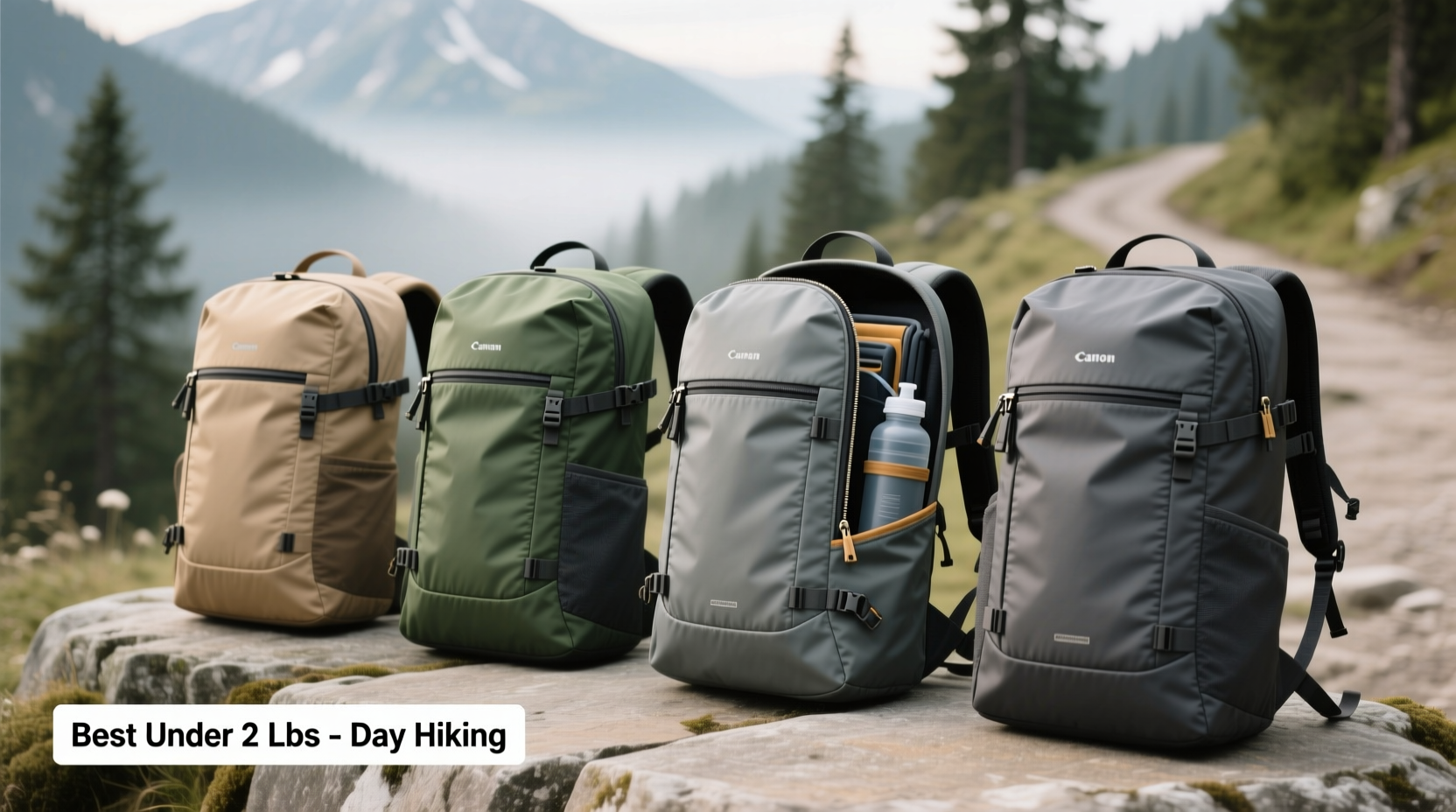
A backpack under two pounds isn’t just about cutting corners—it’s about intelligent design. The most effective lightweight packs achieve their low weight through advanced materials, streamlined features, and purpose-driven engineering. Key factors include fabric selection, frame type (or lack thereof), harness system, and capacity.
Fabric: High-tenacity nylon such as Dyneema Composite Fabric (DCF) or ripstop nylon with silicone coating offers excellent strength-to-weight ratios. These materials resist abrasion and tears while remaining featherlight. However, they often come at a premium price.
Frame: Most sub-2-pound backpacks are frameless or feature removable aluminum stays. Frameless designs enhance flexibility and reduce weight, but may struggle with heavier loads. Stiffened versions provide better support without adding significant mass.
Harness System: Even the lightest pack needs to fit well. Shoulder straps should be padded minimally but effectively, and a sternum strap helps stabilize the load. A hip belt—even if minimal—can transfer weight off the shoulders during long climbs.
Capacity: For day trips, 18–25 liters is typically sufficient. Larger volumes add unnecessary weight and encourage overpacking, defeating the purpose of going ultralight.
Tip: Always measure your torso length before purchasing. A poorly fitting pack, no matter how light, will cause discomfort over distance.Top 5 Lightweight Hiking Backpacks Under 2 Pounds
After extensive testing across varied terrain—from desert trails in Arizona to alpine ridgelines in the Cascades—these five backpacks consistently stand out for their blend of low weight, durability, and user-friendly design.
| Backpack Model | Weight | Capacity | Material | Key Features |
|---|---|---|---|---|
| Ultralight Adventure Equipment Circuit | 13 oz (0.81 lbs) | 20L | Dyneema DCF | Waterproof, roll-top closure, dual side pockets, minimalist harness |
| Hyperlite Mountain Gear Southwest | 1 lb 3 oz (1.19 lbs) | 24L | Dyneema Composite Fabric | Frameless, ventilated back panel, stretch mesh front pocket, made in USA |
| Osprey Duro 22 | 1 lb 12 oz (1.75 lbs) | 22L | Recycled 100D Nylon | Lightweight trampoline suspension, integrated rain cover, multiple access points |
| Deuter Speed Lite 20 | 1 lb 10 oz (1.62 lbs) | 20L | Polyester Ripstop | Minimalist Aircomfort back system, stowable hip belt, durable construction |
| Black Diamond Distance 20 | 1 lb 11 oz (1.69 lbs) | 20L | Nylon Ripstop | Running-inspired fit, hydration compatible, breathable mesh shoulder straps |
The UAE Circuit is the lightest on this list and fully waterproof, making it ideal for wet climates or stream crossings. Its DCF build resists punctures and UV degradation, though it requires careful handling around sharp rocks. Meanwhile, the Hyperlite Southwest offers more volume and slightly better ventilation, appealing to those tackling longer day hikes in humid conditions.
The Osprey Duro 22 stands out for traditional hikers who want ultralight performance without sacrificing comfort. Its suspended mesh back panel reduces heat buildup, and the integrated rain cover ensures you’re never caught off guard by sudden storms. Deuter and Black Diamond bring running-pack sensibilities to hiking—low-profile, snug-fitting, and highly mobile—perfect for fast-paced outings.
How to Choose Based on Your Hiking Style
Your ideal backpack depends heavily on how and where you hike. A pack suited for scrambling up granite peaks may not perform well on shaded forest trails, and vice versa.
Hikers Who Move Fast
If you prioritize pace over payload—think trail runners, peak baggers, or thru-hikers doing short sections—a form-fitting, stabilizing pack like the Black Diamond Distance 20 makes sense. These models hug your back, minimize bounce, and often integrate hydration systems. Look for stretch mesh pockets for quick-access items like gloves or energy bars.
Those Facing Variable Weather
In regions with frequent rain or high humidity, waterproof materials like Dyneema are worth the investment. The Hyperlite Southwest and UAE Circuit both offer complete weather resistance. Note: DCF doesn’t breathe, so expect some condensation inside the main compartment during long hikes.
Budget-Conscious Adventurers
Dyneema packs are expensive. If staying under $200 is important, consider the Osprey Duro or Deuter Speed Lite. Both use conventional fabrics but still manage impressive weight savings through smart design. They may require a separate rain cover, but their longevity offsets the initial cost over time.
“Going ultralight isn’t about owning the cheapest or lightest gear—it’s about optimizing your system so nothing feels burdensome.” — Sarah Ramowski, Author of *The Light Life* and long-distance backpacking instructor
Step-by-Step Guide to Packing a Lightweight Daypack
Even the best backpack won’t perform well if packed poorly. Follow this sequence to maximize balance, accessibility, and comfort.
- Start with the heaviest items: Place dense objects like food or a thermos near the center-back of the pack, close to your spine. This keeps the center of gravity stable.
- Add soft layers around them: Jackets, extra clothing, or sleeping pads (if carried) go around the core items to cushion and fill space.
- Use external attachment points: Secure trekking poles or ice axes using designated loops. Avoid dangling gear that could snag or throw off balance.
- Keep essentials within reach: Store sunscreen, snacks, map, and headlamp in top lid or hip belt pockets. Use side mesh pockets for water bottles or filters.
- Balance side-to-side: Ensure equal weight in both sides of the pack. An uneven load leads to postural strain over hours.
- Adjust before moving: Tighten shoulder straps, clip the sternum strap, and engage the hip belt so 80% of the weight rests on your hips, not shoulders.
Real-World Example: A Day Hike in the Sawtooth Range
Jamie, an experienced hiker from Boise, planned a solo 12-mile loop in Idaho’s Sawtooth Mountains. With elevation gains over 3,000 feet and potential afternoon thunderstorms, she needed reliable gear without bulk. She chose the Hyperlite Mountain Gear Southwest (1 lb 3 oz) and packed only the essentials: 2L water bladder, emergency bivy, down jacket, first aid kit, snacks, and a DSLR camera for summit shots.
“I was skeptical about a frameless pack handling steep scree,” she said, “but the way it hugged my back made it feel almost invisible. I didn’t adjust it once during the entire hike.” When rain hit on the descent, she appreciated the pack’s inherent waterproofing—her gear stayed dry without needing a cover. The total loaded weight was just under 6 pounds, allowing her to maintain a brisk pace even on the return climb.
This case illustrates how the right ultralight backpack enables confidence and endurance. It wasn’t just about saving ounces—it was about reducing fatigue and increasing responsiveness to changing conditions.
Checklist: Preparing Your Ultralight Backpack for the Trail
- ✅ Confirm pack weight (empty) is under 2 lbs
- ✅ Measure torso length and adjust straps accordingly
- ✅ Test-load with typical day hiking gear
- ✅ Verify all zippers, buckles, and attachment points function smoothly
- ✅ Pack in order of priority: essentials accessible, heavy items centered
- ✅ Attach hydration reservoir (if used) and check for leaks
- ✅ Perform a short test hike to assess comfort and stability
Common Trade-offs and How to Manage Them
No ultralight backpack is perfect. Each model involves compromises between weight, durability, comfort, and cost. Understanding these helps set realistic expectations.
Durability vs. Weight: DCF packs are incredibly light and waterproof but can abrade easily on rough rock. To mitigate, avoid dragging them across surfaces and consider a protective sleeve for bushwhacking.
Ventilation vs. Weather Resistance: Fully waterproof packs trap moisture inside. Combat this by using dry bags for electronics and clothing, and air out the pack after each use.
Support vs. Simplicity: Frameless packs save weight but don’t support heavy loads well. Stick to 8 pounds or less to prevent shoulder strain.
“Every gram saved on your pack multiplies in benefit over miles. But comfort shouldn’t be sacrificed for a number on a scale.” — Andrew Skurka, National Geographic Adventurer of the Year
FAQ
Can I use a sub-2-pound backpack for multi-day hikes?
Generally, no. These packs lack the structural support and volume (usually under 25L) needed for overnight gear like tents, sleeping bags, and food. They’re optimized for carrying 5–8 pounds max—ideal for day trips only.
Are Dyneema backpacks worth the high price?
If you hike frequently in wet environments or prioritize weight savings, yes. Dyneema is waterproof, extremely strong for its weight, and resists UV degradation. While costly upfront ($250–$300), its lifespan often exceeds 5–7 years with proper care.
How do I clean and maintain a lightweight backpack?
Use lukewarm water and mild soap (like Nikwax Tech Wash). Hand-wash gently, rinse thoroughly, and air-dry away from direct sunlight. Never machine wash or dry. For DCF packs, wipe with a damp cloth—immersion can degrade coatings over time.
Final Thoughts: Lighten Your Load, Expand Your Horizons
Choosing a backpack under two pounds isn’t just a gear decision—it’s a mindset shift toward efficiency, mobility, and presence on the trail. When your pack disappears into the background, you notice more: the rhythm of your breath, the texture of the landscape, the quiet between bird calls. The best lightweight backpacks enable that experience without compromising safety or preparedness.
Whether you're ascending a rugged ridge at dawn or meandering through autumn woods, the right daypack enhances every step. Evaluate your needs honestly, try on options when possible, and invest in quality. Your body—and your love for the outdoors—will thank you.
🚀 Ready to lighten your load? Reassess your current daypack, compare it to the models listed, and take your next hike with fewer ounces and greater freedom. Share your favorite lightweight setup in the comments below.








