
Vegan leather handbags have become a staple in modern wardrobes—offering ethical style without compromising on fashion. While they mimic the look and feel of genuine leather, their synthetic composition requires a different care approach. Unlike animal-based leather, most vegan leathers are made from polyurethane (PU) or polyvinyl chloride (PVC), materials that can crack, peel, or discolor if improperly cleaned or stored. With the right techniques, however, your bag can maintain its luster and structure for years. This guide delivers practical, tested advice to help you preserve both appearance and durability.
Understanding Vegan Leather: What Makes It Different?
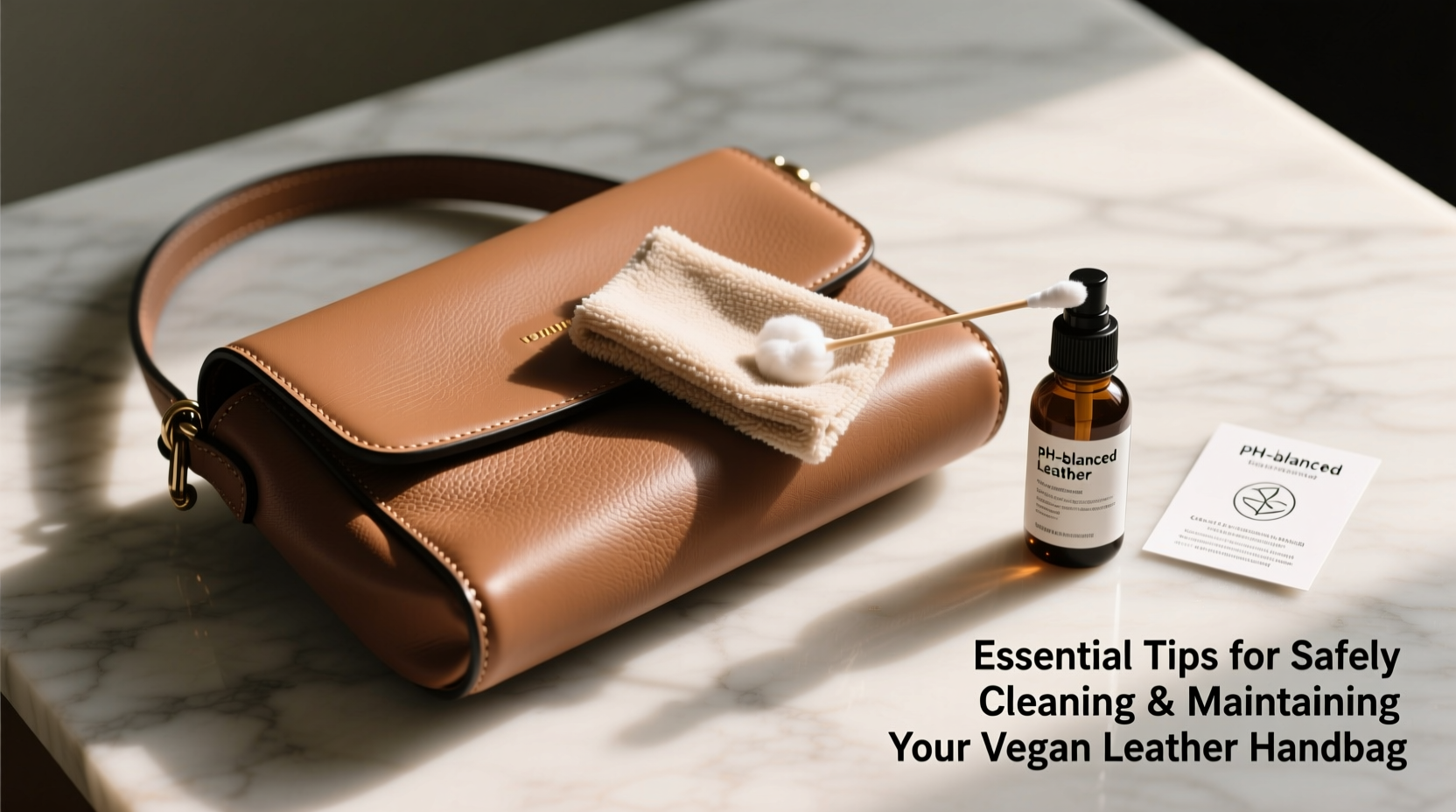
Vegan leather is engineered to replicate real leather but lacks its natural breathability and resilience. PU leather, the most common type today, is flexible and soft but sensitive to heat, moisture, and abrasion. PVC-based alternatives are stiffer and more prone to cracking over time. Because these materials are plastic-based, they react poorly to harsh chemicals, direct sunlight, and prolonged exposure to humidity.
The surface coating is especially vulnerable. Many vegan leathers feature a topcoat that provides shine and water resistance. Once this layer degrades, the underlying material becomes exposed and susceptible to staining and peeling. That’s why preventive care—not just reactive cleaning—is essential.
“Many people assume vegan leather is low-maintenance because it’s synthetic, but it actually demands more attention than traditional leather,” says Lila Nguyen, sustainable fashion consultant. “The key is gentle, consistent upkeep.”
Daily Care Habits to Prevent Damage
Maintaining your bag starts long before visible stains appear. Daily habits play a crucial role in extending its lifespan. Simple actions like avoiding overloading, keeping it away from sharp objects, and wiping off dust regularly prevent micro-abrasions and structural stress.
- Avoid overstuffing: Excessive weight distorts the bag’s shape and strains seams.
- Rotate usage: Using the same bag every day accelerates wear. Rotate between 2–3 bags to give each time to rest.
- Keep away from jewelry: Rings, bracelets, or zippers can scratch the surface during use.
- Wipe after use: Use a dry microfiber cloth to remove dust and oils transferred from hands or clothing.
Step-by-Step Guide to Cleaning Your Vegan Leather Bag
Cleaning should be done every 4–6 weeks, depending on use. A deep clean removes accumulated grime and restores shine without damaging the material. Follow this timeline for safe, effective results:
- Empty the bag completely – Remove all contents and shake out loose debris.
- Dust the exterior and interior – Use a soft-bristled brush or dry microfiber cloth to loosen surface particles.
- Prepare a cleaning solution – Mix one part distilled water with one part mild soap (like castile or baby shampoo). Avoid detergents with bleach, alcohol, or ammonia.
- Dampen a cloth, not the bag – Moisten a lint-free cloth with the solution and wring it until nearly dry.
- Wipe gently in circular motions – Focus on stained or soiled areas. Never saturate the material.
- Dry naturally – Let the bag air-dry away from direct heat or sunlight. Do not use a hairdryer.
- Condition (if applicable) – Some PU leathers benefit from a vegan leather conditioner. Test on a hidden area first.
For stubborn marks, try a cotton swab dipped lightly in rubbing alcohol—but only on a small, inconspicuous spot first. If the material darkens or feels sticky, discontinue use immediately.
Do’s and Don’ts: Quick Reference Table
| Do’s | Don’ts |
|---|---|
| Use a pH-balanced, non-toxic cleaner | Use household cleaners like Windex or bleach |
| Store in a breathable cotton dust bag | Store in plastic, which traps moisture |
| Keep in a cool, dry place away from sunlight | Leave in hot cars or near radiators |
| Spot test any product before full application | Apply conditioners or polishes without testing |
| Handle with clean hands to reduce oil transfer | Place on dirty surfaces like restaurant floors |
Real Example: How One Bag Was Saved from Peeling
Sophie, a freelance designer in Portland, noticed her favorite black crossbody bag starting to flake along the edges after six months of daily use. She had been wiping it with disinfectant wipes and storing it in a plastic bin under her bed. After consulting a repair specialist, she learned that the alcohol in the wipes had stripped the protective coating, while the sealed container trapped humidity.
She switched to a routine using a damp microfiber cloth with diluted castile soap and began storing the bag in a cotton pillowcase inside her closet. Within three weeks, no new peeling occurred. Though the existing damage couldn’t be reversed, proper care stopped further deterioration. Now, over a year later, the bag remains functional and stylish with regular light cleaning.
Tip: Never use disinfectant wipes on vegan leather—they contain alcohol and solvents that degrade the surface.Storage Solutions That Preserve Shape and Color
How you store your bag when not in use is just as important as how you clean it. Improper storage leads to creasing, fading, and mold growth—especially in humid climates.
Always stuff your bag with acid-free tissue paper or clean, soft cloths to help it retain its shape. Avoid newspaper, as ink can transfer onto light-colored materials. Store upright on a shelf, never crammed between heavier items. Use a breathable fabric dust bag to protect against dust and scratches while allowing airflow.
“Storing a bag flat or squished causes permanent creases that weaken the material over time,” notes Marcus Reed, accessory restoration expert. “Support its structure consistently.”
Frequently Asked Questions
Can I use coconut oil or vinegar to clean vegan leather?
No. Coconut oil may temporarily soften the surface but can attract dirt and cause long-term stickiness. Vinegar is too acidic and may break down the polymer layers. Stick to mild, pH-neutral soaps specifically designed for synthetics.
What should I do if my bag gets wet?
Gently blot excess moisture with a dry cloth. Let it air-dry at room temperature, away from heaters or direct sun. Never rub, as this can spread water and damage the finish. Once dry, inspect for water spots and clean lightly if needed.
How often should I deep clean my vegan leather bag?
Every 4–6 weeks for frequently used bags. Occasional-use bags can be cleaned every 2–3 months. Regular surface wiping reduces the need for intensive cleaning.
Essential Maintenance Checklist
Stay proactive with this simple monthly checklist:
- ☐ Wipe down exterior and interior with a dry microfiber cloth
- ☐ Check for stains or scuffs and treat immediately
- ☐ Empty and shake out lining to remove debris
- ☐ Inspect stitching and hardware for signs of wear
- ☐ Re-stuff with tissue to maintain shape
- ☐ Confirm storage environment is cool, dry, and ventilated
Final Thoughts: Small Efforts, Lasting Results
Your vegan leather handbag is more than an accessory—it's a reflection of personal style and conscious consumerism. By treating it with care, you honor both its craftsmanship and your values. The habits outlined here don’t require special tools or hours of effort. Instead, they rely on consistency, awareness, and respect for the material’s limits.
Start today: take out your bag, inspect its condition, and give it a gentle wipe-down. Make cleaning a ritual, not a chore. Share your experience or ask questions in the comments below—your insights could help others extend the life of their favorite pieces.
💬 Have a tip that saved your vegan leather bag? Or a mistake you learned from? Join the conversation and help build a community of mindful fashion lovers.








