Types of Wireless On/Off Remote Switches
A wireless on/off remote switch is a modern control solution that enables users to manage electrical devices remotely without the need for physical wiring or direct access to outlets. These switches are increasingly popular in homes, offices, and commercial spaces due to their convenience, energy efficiency, and seamless integration into smart environments. Offering a range of options allows businesses to tap into multiple niche markets—from tech-savvy homeowners to eco-conscious consumers—maximizing profitability and customer satisfaction.
Remote Control Switch
A basic yet highly effective wireless switch that allows users to turn devices on or off using a handheld remote. Commonly used for ceiling fans, lamps, and small appliances.
Advantages
- Simple plug-and-play installation
- Intuitive operation with physical buttons
- Wide compatibility with AC-powered devices
- Ideal for elderly or mobility-impaired users
Limitations
- Limited range (typically up to 30 feet)
- Requires line-of-sight in some models
- Remote can be misplaced easily
Best for: Living rooms, bedrooms, and simple home automation setups
Wireless Plug Switch
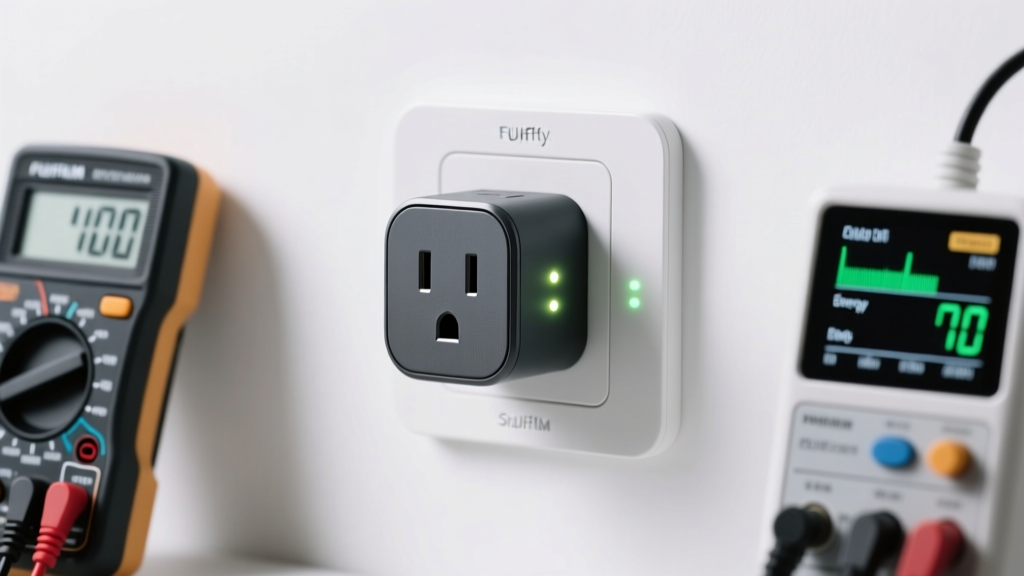
A compact device that plugs directly into a standard wall outlet, with a socket for connecting appliances. Controlled via remote or app, it turns any device into a remotely operated one.
Advantages
- Universal compatibility with plug-in devices
- Easy to install—no electrician needed
- Great for hard-to-reach or high-up outlets
- Often includes scheduling and timer functions
Limitations
- May block adjacent outlets
- Less discreet than built-in switches
- Some models lack energy monitoring
Best for: Kitchens, garages, and retrofitting older homes with smart features
Smart Home Switch
Wi-Fi or Bluetooth-enabled switches that integrate with smart home ecosystems (like Alexa, Google Assistant, or Apple HomeKit) for voice and app-based control.
Advantages
- Remote access from anywhere via smartphone
- Voice command compatibility
- Automation and scene integration (e.g., "Goodnight" mode)
- Energy usage tracking in advanced models
Limitations
- Requires stable Wi-Fi connection
- Higher initial cost
- Potential privacy and security concerns
Best for: Tech-forward households, remote monitoring, and integrated smart homes
Wireless Light Switch
A battery-powered wall-mounted switch that communicates wirelessly with a receiver module connected to the light fixture—no rewiring required.
Advantages
- Easy installation—no electrical wiring needed
- Can be repositioned anywhere (e.g., bedside, hallway)
- Modern, minimalist design options available
- Supports multi-switch control for one light
Limitations
- Battery replacement required periodically
- Dependent on receiver module reliability
- May have latency in signal response
Best for: Renovations, rental properties, and decorative lighting control
USB Rechargeable Switch
A remote or switch unit powered by an internal rechargeable battery, charged via USB port—eliminating the need for disposable batteries.
Advantages
- Eco-friendly—reduces battery waste
- Lower long-term operating cost
- Sleek, modern design with LED indicators
- Convenient charging via power bank, PC, or adapter
Limitations
- Requires occasional charging downtime
- May not last as long as replaceable batteries
- Higher upfront cost than basic remotes
Best for: Eco-conscious consumers, modern offices, and gadget enthusiasts
| Type | Installation | Control Method | Smart Features | Best Use Case |
|---|---|---|---|---|
| Remote Control Switch | Easy (plug-in) | Handheld remote | Basic on/off | Simple device control |
| Wireless Plug Switch | Very Easy | Remote or app | Timer, scheduling | Retrofitting appliances |
| Smart Home Switch | Moderate (Wi-Fi setup) | App, voice, remote | Full automation, cloud access | Integrated smart homes |
| Wireless Light Switch | Easy (no wiring) | Wall-mounted remote | Limited automation | Flexible lighting control |
| USB Rechargeable Switch | Easy | Remote or app | Depends on model | Eco-friendly setups |
Expert Tip: For optimal performance and longevity, pair USB rechargeable switches with a low-power consumption receiver module and consider using a smart plug with energy monitoring to track savings over time.
Importance of Wireless On/Off Remote Switches
For wholesalers, understanding the full value proposition of wireless on/off remote switches is essential to effectively market smart plugs and connected devices to a diverse range of customers—from residential homeowners to commercial facility managers. These switches are no longer just a luxury but a practical upgrade in modern living and working environments. Below are the key benefits that make wireless remote switches a compelling product for any smart home or office ecosystem.
Increased Convenience
Wireless on/off remote switches offer unmatched convenience by allowing users to control electrical devices from anywhere within range—without needing to physically access wall switches or power outlets. This is especially beneficial in multi-story homes, large offices, or areas with awkwardly placed switches.
For individuals with limited mobility, such as the elderly or those with disabilities, these switches eliminate the need to stretch, bend, or walk across a room. Whether turning off a bedroom light from bed or powering down a kitchen appliance remotely, the ease of use enhances daily functionality and independence.
Energy Savings
One of the most impactful benefits of wireless remote switches is their ability to reduce energy consumption. Many households and businesses unknowingly leave devices running overnight—such as lamps, fans, or entertainment systems—leading to unnecessary electricity usage.
With a simple press of a button or through automated scheduling, users can ensure devices are powered down when not in use. This consistent control helps lower monthly utility bills and reduces the carbon footprint. Additionally, minimizing idle operation reduces heat buildup in electronics, decreasing the risk of overheating and extending the lifespan of connected appliances.
Enhanced Safety
Safety is a top concern for modern consumers, and wireless switches address this by minimizing the risks associated with forgotten or unattended devices. Heaters, irons, stoves, and space fans can pose fire hazards if left on accidentally.
Remote switches often include timer functions, automatic shutoff, or integration with smart home systems, enabling users to set schedules or receive alerts. Parents can ensure kids’ room devices turn off at bedtime, and travelers can remotely power down appliances before leaving home. This proactive control provides peace of mind and strengthens the product’s appeal to safety-conscious buyers.
Versatile Applications
Wireless remote switches are highly adaptable and compatible with a wide range of devices, including lighting fixtures, air conditioners, televisions, coffee makers, pumps, and garage tools. Their plug-and-play design requires no complex rewiring, making them ideal for retrofitting older buildings or temporary installations.
This versatility allows wholesalers to position the product across multiple market segments—residential, hospitality, healthcare, and small offices. Whether used to automate morning routines, manage HVAC systems, or enhance accessibility, the broad application range increases cross-selling opportunities and customer satisfaction.
Improved Quality of Life
Beyond technical benefits, wireless on/off switches significantly enhance overall quality of life. They empower users with greater control over their environment, promoting comfort, independence, and mental well-being.
For aging adults or individuals with chronic conditions, the ability to manage devices remotely can mean the difference between living independently and requiring assisted care. Simple actions like turning on lights or adjusting a fan become effortless, reducing stress and improving daily routines. The intuitive interface and seamless integration into existing setups make these switches accessible to users of all tech levels.
Smart Home Integration & Scalability
Modern wireless switches are increasingly compatible with popular smart home platforms such as Amazon Alexa, Google Assistant, and Apple HomeKit. This allows voice control, app-based management, and automation through routines (e.g., “Goodnight” mode that turns off all lights and appliances).
Wholesalers can highlight this future-proofing aspect—customers can start with a single switch and gradually build a fully connected home. The scalability of these systems makes them attractive for both entry-level users and tech-savvy early adopters, expanding the target market and increasing long-term customer value.
| Benefit | Key Impact | Target Customer Segment |
|---|---|---|
| Convenience | Effortless device control from anywhere | Families, elderly, busy professionals |
| Energy Efficiency | Reduces electricity bills and waste | Eco-conscious households, cost-sensitive users |
| Safety | Prevents fire hazards and device overheating | Parents, renters, travelers |
| Versatility | Works with lights, appliances, tools | Homeowners, offices, hospitality |
| Accessibility | Supports independent living | Seniors, people with disabilities |
Pro Tip for Wholesalers: Emphasize real-life use cases during sales presentations—such as turning off a forgotten iron or automating holiday lighting. Demonstrating tangible benefits helps customers visualize value, increasing conversion rates. Pair products with compatible smart hubs or offer bundled packages to boost average order value.
Commercial Uses of Wireless On/Off Remote Switches
Wireless on/off remote switches have become essential tools across various industries, offering convenience, energy efficiency, and seamless integration with modern automation systems. Understanding their diverse commercial applications enables wholesalers to effectively position these products as valuable solutions for business clients. From enhancing customer experiences to streamlining operations, these smart switches deliver measurable benefits in real-world environments.
Smart Home Integration
Modern smart homes increasingly rely on wireless switches to create cohesive, intuitive living environments. These devices integrate seamlessly with popular smart home platforms such as Amazon Alexa, Google Assistant, and Apple HomeKit, allowing homeowners to control lighting, HVAC systems, and entertainment devices via mobile apps or voice commands.
- Enables centralized control of multiple appliances and lighting circuits from a single interface
- Can be programmed to work with motion sensors and occupancy detectors for automated responses
- Synchronizes with smart thermostats and security cameras to create unified automation scenes (e.g., "Goodnight" mode)
- Supports remote access, enabling homeowners to manage devices even when away from the property
Key advantage: Offers retrofit compatibility with existing electrical systems—no rewiring required
Office Automation & Energy Management
In commercial office settings, wireless switches streamline equipment management and significantly reduce energy waste. They are particularly effective in conference rooms, shared workspaces, and executive suites where multiple devices need coordinated control.
- Allows staff to power down projectors, monitors, and lights with a single button press after meetings
- Integrates with building management systems (BMS) for scheduled on/off cycles based on occupancy
- Reduces phantom load by completely cutting power to idle electronics
- Supports zone-based automation, enabling departments to customize control settings
Energy impact: Businesses report up to 25% reduction in lighting-related energy costs with automated controls
Hospitality Industry Applications
Hotels, resorts, and vacation rentals use wireless switches to elevate guest comfort while maintaining operational efficiency. By placing control in the hands of guests, properties deliver a premium, personalized experience that aligns with modern expectations for smart accommodations.
- Guests can adjust room lighting ambiance, control TVs, and regulate air conditioning without searching for switches
- Remote-controlled blackout curtains or mood lighting enhance relaxation and convenience
- Property managers can preset "welcome" or "eco" modes that activate upon check-in or vacancy
- Integration with property management software enables remote diagnostics and maintenance alerts
Customer satisfaction: Properties with smart room controls see higher guest ratings and repeat bookings
Event & Venue Management
Event planners and venue operators leverage wireless switches for dynamic control of lighting, AV equipment, and decorative elements. Their portability and ease of setup make them ideal for temporary installations and multi-purpose spaces.
- Enables instant scene changes during ceremonies, concerts, or corporate presentations
- Reduces need for manual intervention—staff can manage multiple zones from a single remote
- Compact design allows discreet placement behind stages or in rental equipment cases
- Supports synchronization with music, video, or lighting software for choreographed effects
Operational benefit: Cuts setup and teardown time by up to 40%, reducing labor costs
Retail & Commercial Display Control
Retailers use wireless switches to manage promotional displays, signage, and lighting with precision and efficiency. This is especially valuable in large stores, shopping malls, and seasonal pop-up shops where visual merchandising plays a key role in customer engagement.
- Remotely activate window displays at dusk and deactivate them at dawn or closing time
- Control digital signage, LED strips, and mannequin lighting without physical access
- Integrate with energy management systems to align with peak/off-peak electricity rates
- Enable quick adjustments during photo shoots or store reconfigurations
Cost-saving insight: Automated shutdowns prevent after-hours energy waste, improving sustainability metrics
Industrial & Facility Maintenance
While not explicitly mentioned, wireless switches are increasingly used in light industrial and facility management contexts. They provide safe, remote access to hard-to-reach equipment and support preventive maintenance protocols.
- Control pumps, exhaust fans, or heating units in remote or hazardous locations
- Enable lockout/tagout (LOTO) procedures with digital logging capabilities
- Support predictive maintenance by integrating with IoT sensors and monitoring systems
- Facilitate testing and commissioning without requiring on-site personnel for basic power cycling
Safety note: Look for IP-rated and industrial-grade models designed for rugged environments
Wholesaler Insight: Position wireless on/off switches not just as standalone products, but as scalable components of larger automation ecosystems. Bundle them with smart hubs, sensors, or energy monitoring tools to increase perceived value. Highlight ROI through energy savings, labor reduction, and enhanced customer experience metrics to appeal to decision-makers across industries.
| Industry | Primary Use Case | Key Benefit | Integration Potential |
|---|---|---|---|
| Smart Home | Whole-home automation | User convenience & remote access | Smart speakers, mobile apps, security systems |
| Office & Corporate | Equipment & lighting control | Energy savings & productivity | BMS, scheduling software, occupancy sensors |
| Hospitality | Guest room automation | Enhanced guest experience | Property management systems, mobile check-in |
| Events & Venues | Dynamic environment control | Operational efficiency | AV systems, lighting consoles, event software |
| Retail & Commercial | Promotional display management | Energy efficiency & visual impact | Digital signage, timers, energy monitoring |
Additional Considerations for Wholesalers
- Range & Reliability: Recommend models with extended range (100+ feet) and interference-resistant protocols like 433MHz or Zigbee
- Scalability: Multi-channel switches allow control of several devices from one remote—ideal for large installations
- Security: Suggest units with rolling code encryption to prevent unauthorized access in commercial settings
- Compliance: Ensure products meet FCC, CE, and RoHS standards for legal distribution
- Support & Warranty: Offer technical support and warranty coverage to build trust with business clients
How to Choose the Best Wireless On/Off Remote Switch: A Comprehensive Guide for Wholesalers
Selecting the right wireless on/off remote switch is crucial for ensuring customer satisfaction, safety, and long-term reliability. As a wholesaler, your ability to source high-quality, versatile, and compatible switches directly impacts your market competitiveness and client retention. This guide outlines the most important technical and practical factors to consider when evaluating and sourcing wireless remote switches for residential, commercial, and industrial applications.
Important Note: Always verify product certifications (e.g., FCC, CE, RoHS) and compliance with local electrical safety standards. Non-compliant switches can pose fire hazards, interference risks, and liability issues.
1. Power Rating: Matching Load Capacity to Application Needs
The power rating is one of the most critical specifications when selecting a wireless switch. It determines the maximum electrical load the switch can safely handle without overheating or failing.
- Standard Ratings: Most residential switches support 10A–15A at 120V (1,200–1,800W) or 10A at 240V (2,400W). Industrial models may go up to 30A or higher.
- Overload Risks: Using a switch with a lower rating than the connected device (e.g., heaters, motors, or compressors) can lead to arcing, melting, or fire.
- Future-Proofing: Opt for switches with a 20–25% higher capacity than typical client needs to allow for device upgrades.
- Load Types: Ensure compatibility with resistive (lights, heaters), inductive (motors, fans), and capacitive loads, as some switches are optimized for specific types.
Wholesaler Tip: Offer switches with clear labeling of max wattage and amperage. Include a quick-reference chart for common appliances (e.g., LED lights: 10–100W, space heaters: 1,500W) to help clients make informed choices.
2. Operating Range: Ensuring Reliable Signal Coverage
The effective range of a wireless switch determines where it can be used and how reliably it performs in different environments.
- Indoor Range: Typically 30–100 feet (10–30 meters), depending on walls, interference, and building materials.
- Outdoor/Industrial Range: High-end models can reach 300+ feet (100+ meters) with line-of-sight, ideal for warehouses, garages, or outdoor lighting.
- Signal Technology: Most switches use RF (Radio Frequency) at 315MHz, 433MHz, or 2.4GHz. 433MHz offers better wall penetration; 2.4GHz supports mesh networking but may face Wi-Fi interference.
- Range Testing: Request real-world performance data from suppliers, not just theoretical specs. Test in multi-wall environments before bulk purchasing.
| Application Type | Recommended Range | Signal Type | Key Considerations |
|---|---|---|---|
| Small Apartment or Office | 30–50 ft (10–15m) | 433MHz RF | Low interference, simple setup |
| Large Home or Warehouse | 100–300 ft (30–100m) | 433MHz or 2.4GHz with repeater | Consider signal boosters or mesh systems |
| Outdoor Lighting or Gates | 200+ ft (60+m) | High-power RF or LoRa | Weatherproofing and antenna placement |
3. Compatibility with Smart Home & IoT Systems
Modern clients increasingly expect seamless integration with smart ecosystems. Offering switches that support popular platforms enhances value and marketability.
- Supported Platforms: Look for compatibility with Amazon Alexa, Google Assistant, Apple HomeKit, Samsung SmartThings, and IFTTT.
- App Control: Mobile apps allow scheduling, remote access, and automation (e.g., turn off lights when leaving home).
- Protocol Support: Wi-Fi, Zigbee, Z-Wave, or Bluetooth-based switches offer different trade-offs in range, power use, and hub requirements.
- Scalability: Systems that support multiple switches in a single app improve user experience and reduce support queries.
Market Insight: Smart-compatible switches often command a 20–40% price premium. Position them as premium offerings for tech-savvy clients and smart home installers.
4. Ease of Installation: Reducing Barriers to Adoption
Simple installation increases customer satisfaction and reduces returns due to user error.
- Plug-and-Play Models: Ideal for lamps and small appliances—no wiring required.
- Hardwired Switches: Replace traditional wall switches; ensure clear instructions and included mounting hardware.
- No Neutral Wire Needed: Some models work without a neutral wire, making them suitable for older homes.
- DIY-Friendly Design: Features like tool-free terminals, color-coded wiring, and QR-code-linked video tutorials improve user experience.
Safety Reminder: Even "easy" installations involve electrical work. Always recommend turning off power at the breaker and using a voltage tester. Include safety warnings in packaging.
5. Remote Control Options: Flexibility for Diverse Use Cases
Different clients have different control preferences. Offering variety helps meet diverse needs.
- Handheld Remotes: Simple, reliable, and ideal for elderly users or basic on/off control. Look for ergonomic design and long battery life.
- Wall-Mounted Keypads: Allow centralized control of multiple zones (e.g., living room lights, fans).
- Mobile Apps: Enable remote access, scheduling, and integration with other smart devices.
- Voice Control: Supports hands-free operation via smart speakers—increasingly expected in modern homes.
- Multi-Zone Control: One remote or app can manage multiple switches, reducing clutter and complexity.
Pro Tip: Bundle switches with optional accessories (extra remotes, keypads, or smart hubs) to increase average order value and provide complete solutions.
Additional Considerations for Wholesalers
- Durability: Choose switches with robust casings (IP44 or higher for moisture resistance) and long-lasting buttons.
- Battery Life: Remote controls should last 1–2 years on standard batteries (e.g., CR2032). Low-battery indicators are a plus.
- Scalability: Ensure systems support adding more switches later without compatibility issues.
- Warranty & Support: Prefer suppliers offering 1–2 year warranties and responsive technical support.
- Custom Branding: Explore private-label options to build your own brand identity in the market.
By carefully evaluating power ratings, range, smart compatibility, ease of installation, and control options, wholesalers can curate a product line that meets diverse customer needs and stands out in a competitive market. Prioritize quality, safety, and flexibility to build long-term client trust and reduce post-sale issues.
Frequently Asked Questions About Wireless On/Off Remote Switches
Q1: Will a simple on/off switch create RF interference with nearby devices?It is highly unlikely that modern wireless on/off switches will cause radio frequency (RF) interference with nearby electronic devices. These switches are engineered with advanced RF communication protocols designed to minimize signal disruption. They operate within regulated frequency bands (such as 433 MHz or 2.4 GHz) and comply with international standards like FCC (USA), CE (Europe), and IC (Canada), which strictly limit electromagnetic emissions.
Additionally, manufacturers subject these devices to rigorous electromagnetic compatibility (EMC) testing to ensure they function reliably in environments crowded with Wi-Fi routers, Bluetooth devices, and other wireless systems. Features like frequency hopping and low transmission power further reduce the risk of interference, making them safe for use in homes, offices, and industrial settings.
Q2: Can a single remote control multiple wireless switches simultaneously?Yes, many wireless switch systems are specifically designed to allow one remote to control multiple switches at once. This functionality is especially useful in applications such as lighting control, HVAC systems, or security setups where synchronized operation is desired.
These systems typically support grouping or zoning—users can assign multiple switches to a single channel or scene. For example, pressing one button can turn off all lights in a room or activate an entire security setup. Most models offer customizable programming through dip switches, mobile apps, or smart home hubs, allowing flexible configuration based on user preferences and layout requirements.
Advanced systems may also support master-slave configurations or mesh networking (e.g., using Zigbee or Z-Wave), enabling scalable and reliable multi-device control even across large areas.
Q3: How secure are wireless switches against unauthorized access?Modern wireless on/off switches incorporate robust security measures to prevent hacking, spoofing, or unauthorized control. Key security features include:
- Unique Device IDs: Each switch and remote pair uses a unique identifier to prevent cross-talk or accidental activation by neighboring systems.
- Encrypted Communication: Many models use rolling codes or AES encryption to secure data transmission, ensuring commands cannot be intercepted or replayed by third parties.
- Two-Way Authentication: Higher-end systems verify both the remote and the switch before executing a command, adding an extra layer of protection.
- Certification & Audits: Reputable manufacturers have their products tested and certified by independent labs to meet cybersecurity standards such as UL 2900 or ISO/IEC 27001.
While no wireless system is completely immune to attacks, these safeguards make it extremely difficult for unauthorized users to gain access, especially in residential and small commercial environments.
Q4: Are wireless switches compatible with renewable energy systems like solar power?Yes, wireless switches are not only compatible with renewable energy systems such as solar power, but they are also well-suited for enhancing energy efficiency in off-grid or hybrid setups. Their low power consumption makes them ideal for integration into solar-powered installations where conserving battery life is crucial.
These switches can be used to remotely control lights, pumps, inverters, or ventilation systems powered by solar energy. Some models even include energy monitoring capabilities, allowing users to track power usage and optimize performance. When paired with charge controllers or solar management systems, wireless switches enable intelligent automation—such as turning off non-essential loads during low-battery conditions.
Additionally, solar-powered wireless switches are now available, eliminating the need for external power sources altogether and further increasing sustainability.
Q5: Do wireless remote switches work with smart home systems and mobile apps?Many modern wireless switches are designed to integrate seamlessly with popular smart home ecosystems and can be controlled via mobile apps, voice assistants, and home automation platforms. Compatibility varies by model, but leading options support protocols such as Wi-Fi, Bluetooth, Zigbee, Z-Wave, and Matter, enabling connectivity with:
- Voice Assistants: Amazon Alexa, Google Assistant, Apple Siri (via HomeKit).
- Smart Hubs: Samsung SmartThings, Hubitat, Home Assistant.
- Mobile Apps: Dedicated manufacturer apps or universal platforms like IFTTT for custom automation rules.
This integration allows users to schedule operations, create scenes (e.g., "Goodnight" mode), receive status updates, and monitor device activity remotely. Some advanced models also support geofencing, automatically adjusting settings based on your location.
To ensure compatibility, always verify that the switch supports your preferred smart home platform before purchase. Look for official certification logos or consult the product documentation for integration details.