Smart plugs have surged in popularity over the past few years. Marketed as a simple way to “smart home” your existing appliances, they promise convenience, automation, and—perhaps most compellingly—energy savings. But with prices ranging from $15 to over $40 per unit, many consumers are left wondering: Are smart plugs actually effective at reducing electricity use, or are they just another flashy gadget that adds clutter without real value?
The answer isn’t a simple yes or no. The effectiveness of a smart plug depends heavily on how and where it’s used. While some households see measurable reductions in their electric bills, others find minimal impact. Understanding the technology, its limitations, and best practices is key to determining whether smart plugs are worth the investment.
How Smart Plugs Work (and Where They Save Energy)
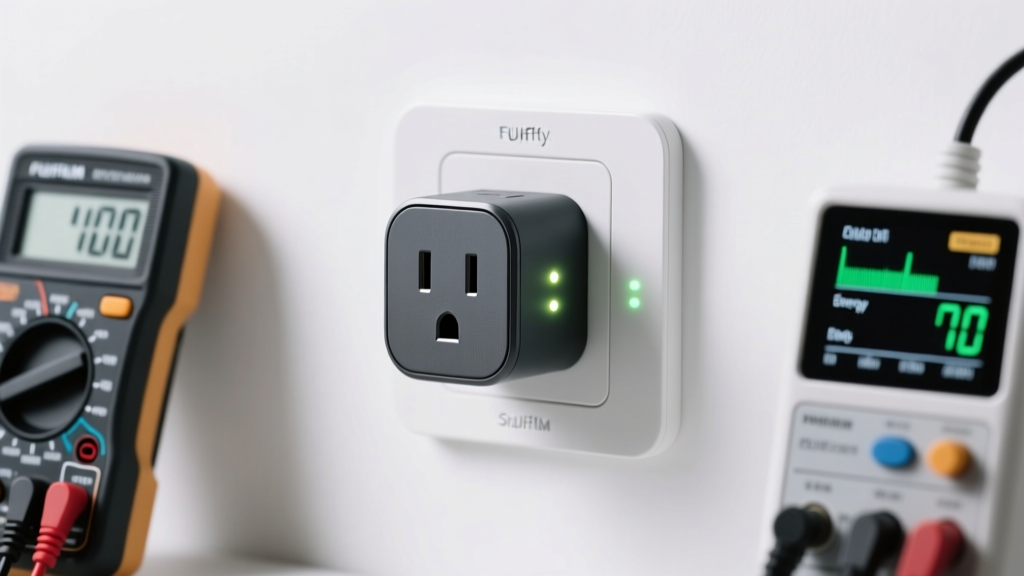
A smart plug is a Wi-Fi or Bluetooth-enabled device that sits between an electrical outlet and a plugged-in appliance. Once connected, it allows remote control via a smartphone app, voice assistants like Alexa or Google Assistant, or automated schedules. Some models even include energy monitoring features that track how much power a device consumes over time.
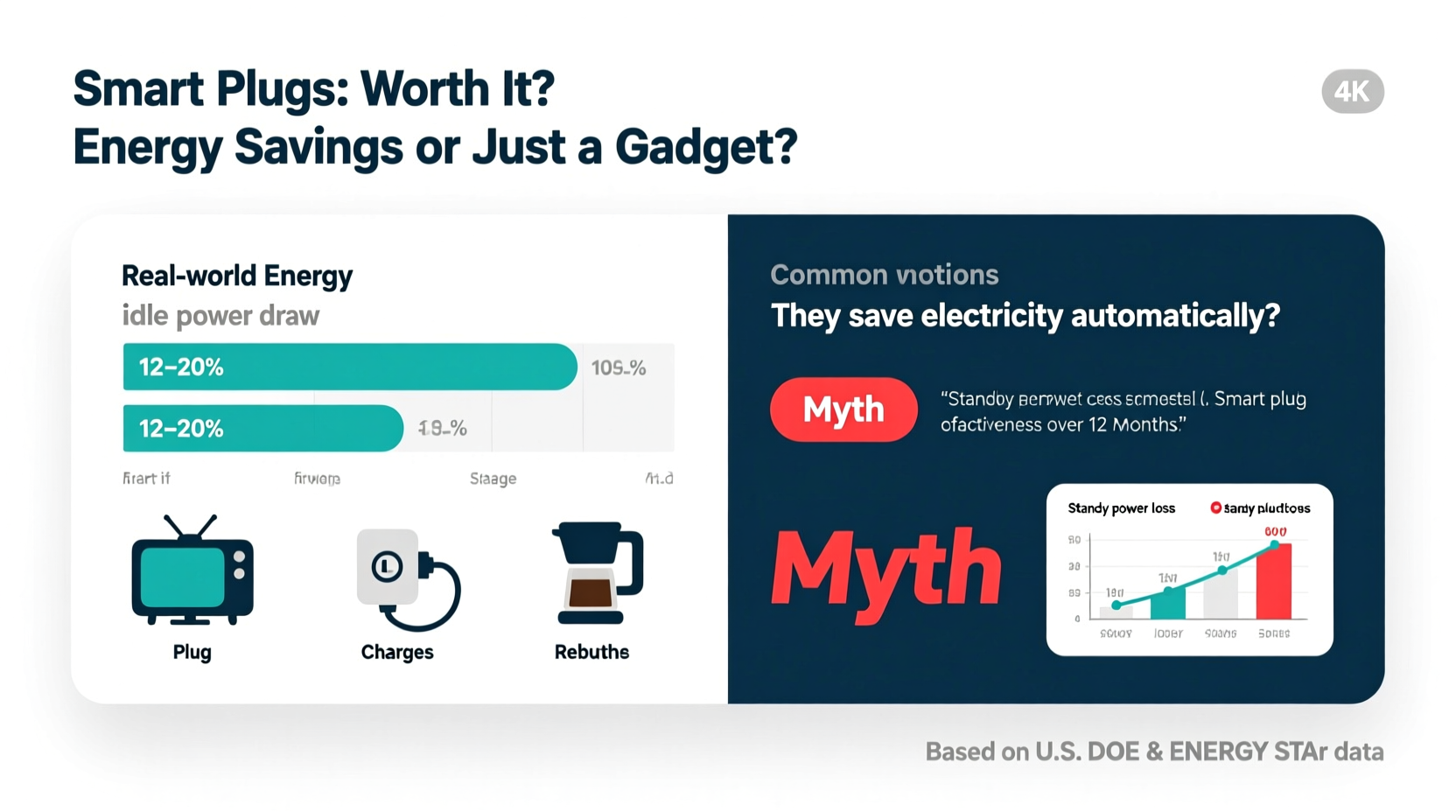
The primary energy-saving mechanism isn’t magic—it’s about eliminating \"vampire power,\" also known as standby or phantom load. Many electronics continue to draw small amounts of electricity even when turned off. Devices like coffee makers, game consoles, televisions, and phone chargers can consume 5–20 watts continuously if left plugged in.
While each device uses only a modest amount individually, the cumulative effect across multiple devices can add up. According to the U.S. Department of Energy, standby power accounts for roughly 5% to 10% of residential electricity use—equivalent to leaving a light bulb on 24/7 in every room of your house.
Smart plugs interrupt this constant draw by cutting off power completely when not needed. For example, scheduling a smart plug to turn off your entertainment system at midnight ensures no energy is wasted overnight.
Tip: Focus smart plug usage on high-phantom-load devices like gaming consoles, sound systems, and desktop computers—not low-drain items like lamps or phone chargers.Real-World Savings: What You Can Actually Expect
To assess whether smart plugs are worth it, consider actual cost savings. Let’s look at a realistic scenario.
Suppose you have a home theater setup consisting of a TV, cable box, soundbar, and gaming console. When powered off but still plugged in, this system draws an average of 30 watts continuously. That’s 0.03 kilowatts per hour. Over a month (720 hours), that’s 21.6 kWh. At the national average electricity rate of $0.15 per kWh, that’s $3.24 per month—or $38.88 annually.
By using a smart plug to cut power to the entire setup during sleeping hours (say, 8 hours per night), you reduce idle time by one-third. This could save approximately $13 per year on that single setup.
Now, multiply that across several devices:
| Device | Standby Power (Watts) | Monthly Cost (Idle) | Potential Annual Savings* |
|---|---|---|---|
| Home Theater System | 30 W | $3.24 | $13 |
| Gaming Console | 15 W | $1.62 | $6 |
| Desktop Computer + Monitor | 25 W | $2.70 | $10 |
| Coffee Maker with Clock | 5 W | $0.54 | $2 |
| Total (4 devices) | 75 W | $8.10 | $31/year |
*Assumes 8-hour nightly cutoff; savings vary by usage and local rates.
In this case, four smart plugs costing $20 each ($80 total) would take roughly 2.5 years to pay for themselves through energy savings alone. After that, the savings become pure benefit. However, if your devices have minimal standby consumption, the return on investment may never materialize.
“Phantom loads are often overlooked, but they represent a consistent drain. Smart plugs won’t revolutionize your bill, but they’re one of the easiest tools to start reclaiming that lost energy.” — Dr. Lena Patel, Energy Efficiency Researcher at the National Grid Institute
When Smart Plugs Make Sense (and When They Don’t)
Not all appliances benefit equally from smart plug integration. The key is identifying which devices waste energy when idle and which ones don’t.
✅ Ideal Candidates for Smart Plugs
- Entertainment centers: TVs, streaming boxes, sound systems, and game consoles often remain in standby mode.
- Home office equipment: Desktop computers, monitors, printers, and docking stations.
- Kitchen appliances with clocks or displays: Microwaves, coffee makers, air fryers.
- Chargers and power strips: Use smart plugs with multi-outlet strips to kill power to multiple devices at once.
❌ Poor Fits for Energy Savings
- Refrigerators and freezers: Turning these off ruins food and defeats their purpose.
- Furnaces or HVAC systems: These require constant connectivity and safety protocols.
- Medical devices: Any life-support or health-monitoring equipment should never be controlled remotely.
- Lights used frequently: If you’re manually turning lights on/off throughout the day, automation adds little value unless paired with sensors.
Another consideration is convenience versus savings. Some people install smart plugs purely for lifestyle benefits—like turning on a space heater before arriving home or automating holiday lights. In these cases, the value isn’t measured in kilowatt-hours but in comfort and ease.
Step-by-Step Guide to Maximizing Smart Plug Efficiency
To get the most out of your smart plugs—both financially and functionally—follow this proven sequence:
- Audit your current devices: Walk through each room and identify electronics that stay plugged in 24/7. Note those with clocks, remote sensors, or network connectivity.
- Measure standby consumption: Use an energy monitor plug (many smart plugs include this feature) to check how much power each device uses when “off.” Focus on anything drawing more than 5 watts.
- Prioritize high-load devices: Install smart plugs first on systems with the highest idle draw, such as entertainment setups or workstations.
- Create automation rules: Set schedules to cut power during predictable off-hours (e.g., midnight to 7 AM). Use geofencing to turn devices on only when you’re near home.
- Group devices efficiently: Plug related appliances into a single power strip connected to a smart plug. This avoids buying multiple units and simplifies control.
- Review monthly usage: Check your smart plug’s app data regularly to confirm energy reductions and adjust timing as needed.
- Evaluate ROI after six months: Compare your electricity bills pre- and post-installation. If savings are negligible, reassign or repurpose the plug.
Mini Case Study: The Johnson Family’s Smart Plug Experiment
The Johnsons, a family of four in suburban Ohio, decided to test whether smart plugs could reduce their $180 monthly electric bill. They installed five plugs: one for their living room entertainment center, two for office equipment, one for the kitchen coffee station, and one for outdoor holiday lighting.
Using the energy tracking feature, they discovered their TV and Xbox combo drew 28 watts on standby—costing nearly $3.80 monthly. Their office printer and monitor used 20 watts combined, adding another $2.50. By scheduling both to shut off at 10 PM and restart at 7 AM on weekdays (and later on weekends), they reduced idle time significantly.
After three months, their average bill dropped to $167—a $13 reduction. While not all of this was due to smart plugs (they also adjusted thermostat settings), they estimated about $8 of the savings came directly from eliminating phantom loads. With a total spend of $95 on plugs, they expect to break even within 12 months.
More importantly, they appreciated the convenience. The parents could turn off kids’ gaming systems remotely, and holiday lights now activate automatically at dusk. For them, the plugs were both economical and practical.
Common Misconceptions About Smart Plugs
Despite growing adoption, several myths persist about what smart plugs can do:
- Myth: Smart plugs reduce active power usage. Reality: They only affect power when devices are off or in standby. They don’t make appliances more efficient while running.
- Myth: All smart plugs measure energy accurately. Reality: Budget models may offer estimates rather than precise readings. Look for brands like TP-Link Kasa or Eve that provide detailed wattage tracking.
- Myth: Voice control means better savings. Reality: Saying “Alexa, turn off the lamp” saves no more energy than flipping a switch manually. Automation and scheduling drive real efficiency.
- Myth: One smart plug fits all needs. Reality: Outdoor models must be weather-resistant. Heavy-duty appliances may exceed standard plug wattage limits (typically 15A / 1800W).
FAQ: Your Top Questions Answered
Do smart plugs really save electricity?
Yes—but only when used on devices with significant standby power draw. They are ineffective for always-on appliances or low-consumption gadgets. The savings come from eliminating phantom loads, not improving device efficiency.
Can I use smart plugs with heaters or AC units?
You can, but proceed with caution. Space heaters often exceed the maximum load of standard smart plugs (check wattage ratings). Also, frequent cycling may wear out the plug’s internal relay. Use heavy-duty models rated for heating appliances if necessary.
Are smart plugs secure?
Most reputable brands use encryption and regular firmware updates. However, any internet-connected device carries some risk. Choose plugs from trusted manufacturers, keep apps updated, and use strong passwords to minimize vulnerabilities.
Checklist: Is a Smart Plug Right for You?
Before purchasing, ask yourself the following:
- ✅ Do I have devices that consume over 5 watts on standby?
- ✅ Am I willing to set up schedules or automations?
- ✅ Will I use voice control or remote access regularly?
- ✅ Are my target appliances safe to cycle on/off automatically?
- ✅ Have I calculated potential savings vs. upfront cost?
- ✅ Do I already use a smart home ecosystem (Alexa, Google Home, Apple HomeKit)?
If you answered “yes” to most of these, smart plugs are likely a worthwhile addition. If not, they may end up as underused novelties.
Conclusion: Practical Tool or Gimmick?
Smart plugs are neither miracle savers nor useless toys. They occupy a middle ground: a modest but meaningful tool in the broader effort to reduce household energy waste. For tech-savvy users with high-phantom-load devices, they deliver tangible savings and added convenience. For others, especially those with efficient modern appliances or limited automation habits, the benefits may not justify the cost.
Their true value emerges not from isolated use, but as part of a holistic energy strategy. Paired with LED lighting, programmable thermostats, and mindful consumption, smart plugs contribute to a smarter, leaner home. They won’t slash your bill overnight, but over time, they help cultivate awareness of where energy goes—and how easily it can be reclaimed.
🚀 Ready to cut phantom loads? Start with one high-draw device, track its idle usage, and automate it today. Small changes compound—your wallet and the planet will thank you.