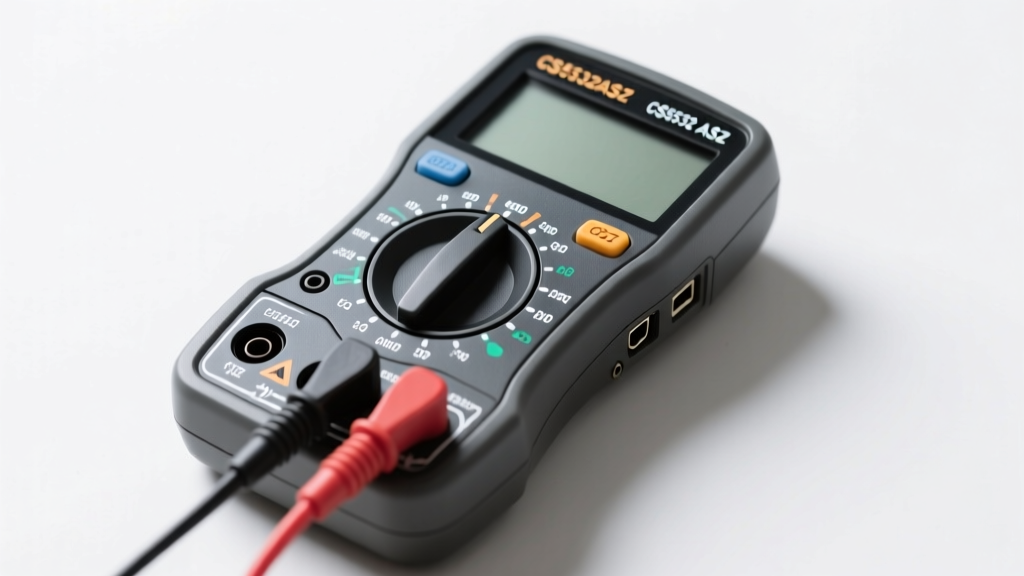
Types of Speed Volume Controls
A speed volume control is an essential component in audio, motor, and communication systems that regulates output levels—whether sound, speed, or signal strength. These controls are vital for achieving optimal performance, user comfort, and system efficiency across consumer electronics, industrial machinery, and telecommunications.
The following are the primary types of speed volume controls, each designed for specific applications and operational requirements:
Analog Speed Volume Control
Utilizes a variable resistor (potentiometer) and mechanical dial to adjust output. Turning the knob changes resistance, directly affecting motor speed or audio volume.
Advantages
- Simple, intuitive operation with smooth adjustments
- No digital processing delay (real-time response)
- Cost-effective for basic systems
- Durable in well-constructed models with minimal electronic complexity
Limitations
- Limited precision in setting exact levels
- Subject to wear and tear over time (mechanical degradation)
- More prone to noise and signal interference
- Not ideal for automated or programmable systems
Best for: Low-cost audio systems, vintage equipment, manual motor controls, and applications where simplicity is key
Digital Speed Volume Control
Employs digital signal processing (DSP) to regulate output with high precision. Adjustments are made via buttons, touch interfaces, or software, offering fine-grained control.
Advantages
- High accuracy with incremental adjustments (e.g., 1 dB steps)
- Consistent performance without signal degradation
- Compatible with automation, presets, and remote software control
- Less susceptible to environmental interference
Limitations
- Higher initial cost and circuit complexity
- Potential for latency in signal processing
- Requires power and digital circuitry
- May lack the "tactile feel" preferred by some users
Best for: Modern audio systems, computers, professional equipment, and smart devices requiring precise, repeatable control
RF Remote Volume Control
Uses radio frequency (RF) signals to wirelessly adjust volume or speed from a distance, eliminating the need for line-of-sight—unlike infrared remotes.
Advantages
- Operates through walls and obstacles (up to 30m range)
- Ideal for hard-to-reach or hidden devices
- Supports two-way communication in advanced systems
- Enhances user convenience in home theater and industrial setups
Limitations
- Potential for RF interference from other devices
- Requires batteries in remote units
- Higher complexity and cost than basic controls
- Security concerns in unencrypted systems
Best for: Home entertainment systems, commercial AV setups, industrial machinery, and smart home integrations
Optical Speed and Volume Control
Leverages light intensity in fiber-optic systems to regulate signal amplification and attenuation, crucial in high-speed telecommunications and optical networks.
Advantages
- Immune to electromagnetic interference (EMI)
- Supports ultra-high bandwidth and long-distance transmission
- Precise control over signal dynamics (OVC adjusts attenuation based on light levels)
- Essential for preventing signal overload and distortion in optical systems
Limitations
- High cost and specialized infrastructure required
- Limited to optical communication and networking applications
- Complex installation and maintenance
- Sensitive to physical damage (e.g., fiber bending)
Best for: Telecommunications, data centers, fiber-optic networks, and high-performance optical systems
| Type | Precision | Complexity | Best Use Case | Key Advantage |
|---|---|---|---|---|
| Analog | Moderate | Low | Basic audio, manual motor control | Tactile, real-time adjustment |
| Digital | High | Medium | Computers, smart devices, pro audio | Accurate, programmable control |
| RF Remote | Medium | Medium-High | Home theater, industrial systems | Wireless operation through obstacles |
| Optical | Very High | High | Fiber-optic networks, telecom | EMI-free, high-bandwidth control |
Expert Tip: When integrating digital or RF controls into existing analog systems, consider using digital-to-analog converters (DACs) or signal translators to ensure compatibility and maintain signal integrity.
Commercial Value of Speed Volume Control
Speed and Volume (S/V) controls are far more than technical components—they are strategic assets that deliver measurable business value across industries. By precisely regulating the flow and velocity of fluids or gases in industrial systems, S/V controls prevent inefficiencies such as cavitation, energy waste, and mechanical stress. These capabilities translate directly into cost savings, improved safety, and enhanced operational reliability.
From power generation and chemical processing to mining and marine operations, S/V controls play a pivotal role in protecting critical infrastructure. They extend the service life of pumps, valves, piping systems, and dynamic machinery like turbines and engines by minimizing wear caused by turbulence, pressure fluctuations, and imbalances. This proactive protection reduces unplanned downtime and costly repairs, supporting continuous, high-efficiency operations.
Key Commercial Benefits of Speed Volume Controls
Energy Efficiency
One of the most significant financial advantages of S/V controls is their ability to drastically reduce energy consumption. By integrating technologies such as Variable Frequency Drives (VFDs), systems can operate at variable speeds matched to real-time demand rather than running at full capacity unnecessarily.
For example, in pump and fan applications, reducing motor speed by just 20% can cut power consumption by nearly 50%, following the affinity laws where power is proportional to the cube of flow rate. These energy savings translate into lower utility bills and reduced carbon emissions, helping companies meet sustainability goals and comply with environmental regulations.
Enhanced System Longevity
Controlling speed and flow minimizes mechanical stress on motors, pumps, seals, and supporting structures. Reduced vibration and thermal cycling lead to less wear and tear, significantly extending the operational lifespan of equipment.
This is especially crucial in manufacturing and heavy industry, where unexpected equipment failure can halt production lines, delay deliveries, and incur substantial financial losses. With S/V controls, maintenance intervals become more predictable, spare parts last longer, and overall lifecycle costs decrease—improving return on investment and asset utilization.
Cavitation Prevention
Cavitation—the formation and collapse of vapor bubbles in a liquid due to rapid pressure changes—is a major cause of damage in pumps and valves. It leads to pitting, noise, vibration, and premature failure. S/V controls mitigate cavitation by maintaining optimal flow velocities and pressure conditions.
By preventing this destructive phenomenon, businesses avoid frequent repairs and replacements, reducing both direct maintenance costs and indirect losses from downtime. This benefit is especially vital in marine propulsion systems, water treatment plants, and offshore drilling operations, where reliability under harsh conditions is non-negotiable.
Process Optimization
Precise speed and volume regulation enable fine-tuned control over industrial processes. In sensitive sectors like food and beverage, pharmaceuticals, and chemical manufacturing, even minor deviations in flow rates can compromise product quality, consistency, and safety.
S/V controls ensure accurate dosing, uniform mixing, and reliable transfer of media, supporting compliance with strict industry standards. Automated control systems can respond in real time to process variables, improving yield, reducing waste, and enhancing overall production efficiency.
| Benefit | Industry Impact | Estimated Cost Savings |
|---|---|---|
| Energy Efficiency | HVAC, Water Treatment, Power Plants | Up to 60% reduction in energy costs with VFD integration |
| System Longevity | Manufacturing, Oil & Gas | 30–50% longer equipment lifespan; 40% lower maintenance costs |
| Cavitation Prevention | Marine, Chemical Processing, Mining | Up to 70% reduction in pump repair frequency |
| Process Optimization | Food & Beverage, Pharmaceuticals | 15–25% improvement in product consistency and throughput |
Strategic Implementation Tips
Important: While S/V controls offer substantial benefits, improper sizing or calibration can lead to inefficiencies or even system damage. Always consult engineering experts during design and installation phases. Regular performance reviews and software updates ensure that control systems continue to operate at peak efficiency throughout their lifecycle.
Speed Volume Control as Part of System Solutions
Speed volume control has evolved into a critical system component, seamlessly integrated with other mechanical, electrical, and digital systems to enhance overall performance. These controls are essential in dynamic environments where precise regulation of speed and flow (s and v) directly impacts system efficiency, safety, and longevity. By enabling accurate modulation of rotational speed and fluid dynamics, speed volume controls help prevent mechanical stress, reduce operational noise, minimize energy consumption, and avoid issues such as cavitation and thermal overload.
Modern applications span across industries—from industrial pumps and HVAC systems to aviation, marine propulsion, and telecommunications—where optimized control leads to improved reliability and performance under variable operating conditions. The integration of intelligent technologies further elevates these systems, making them adaptive, responsive, and future-ready.
Integration with Variable Frequency Drives (VFDs)
One of the most effective implementations of speed volume control is through integration with Variable Frequency Drives (VFDs), which regulate the speed of electric motors by adjusting the frequency and voltage supplied to the motor. This allows for smooth, stepless control of motor speed, directly influencing the volume of fluid or air moved by connected equipment such as pumps, fans, and compressors.
- Reduces energy consumption by matching motor output to actual demand, avoiding wasteful constant-speed operation
- Improves fluid dynamics by preventing sudden pressure surges and flow inconsistencies
- Minimizes mechanical wear and extends equipment life by eliminating hard starts and abrupt load changes
- Significantly lowers noise levels and eliminates cavitation in centrifugal pumps
Key application: Widely used in water treatment plants, HVAC systems, and chemical processing facilities where precise flow control and energy efficiency are paramount.
Sound and Vibration Damping
Speed volume controls contribute significantly to reducing noise and vibration in mechanical and electromechanical systems. By modulating rotational speeds and flow rates, these controls mitigate resonance, harmonic oscillations, and turbulent flow—common sources of unwanted noise and structural fatigue.
- In optical and telecommunications systems, precise volume control minimizes signal fluctuation and electromagnetic interference
- Reduces acoustic emissions in enclosed environments, enhancing workplace comfort and safety
- Protects sensitive instrumentation and structural components from vibration-induced damage
- Extends maintenance intervals and reduces downtime in high-vibration environments
Real-world benefit: In aviation and marine fleets, controlled speed-volume systems improve passenger comfort while reducing stress on engines, gearboxes, and hull structures.
Smart Controls and IoT Integration
With the rise of smart technology and the Internet of Things (IoT), speed volume controls have become intelligent, self-adjusting systems capable of real-time monitoring and adaptive response. These smart controls use sensors to collect data on pressure, temperature, flow rate, and ambient conditions, then automatically adjust motor speed and volume output for optimal performance.
- Enables predictive maintenance by detecting anomalies in system behavior
- Supports remote monitoring and control via cloud-based platforms
- Automatically adapts to changing environmental conditions, such as fluctuating demand or external loads
- Enhances reliability in critical applications like data centers and telecom networks where consistent transmission speed is vital
Innovation spotlight: IoT-enabled systems can send alerts for maintenance, optimize energy use based on time-of-day tariffs, and integrate with building management systems (BMS) for holistic control.
Safety Mechanism and Emergency Response
Speed volume control systems serve as vital safety components by preventing over-speed conditions, managing surge events, and enabling controlled shutdowns during emergencies. These controls ensure that systems operate within safe parameters, protecting both equipment and personnel.
- Prevents over-pressurization in fluid systems by automatically reducing pump or compressor speed
- Facilitates soft shutdowns to avoid hydraulic hammer and mechanical shock
- Activates fail-safe modes when abnormal vibrations, temperatures, or pressures are detected
- Ensures compliance with industry safety standards in high-risk sectors like maritime and aerospace
Critical function: In emergency scenarios, speed volume controls can rapidly reduce system activity to minimize damage and maintain operational integrity until full shutdown or intervention occurs.
Professional Insight: When designing or upgrading systems, consider speed volume control not just as a performance enhancer but as a core element of system intelligence and safety. Combining VFDs with IoT-enabled sensors and predictive analytics creates a robust, energy-efficient, and resilient system architecture that adapts to real-world demands while reducing lifecycle costs.
| Industry | Primary Benefit | Common Applications | Technology Used |
|---|---|---|---|
| HVAC & Building Systems | Energy Efficiency | Fans, Pumps, Chillers | VFDs + BMS Integration |
| Water & Wastewater | Flow Stability & Cavitation Prevention | Centrifugal Pumps, Aeration Systems | VFDs + Pressure Sensors |
| Telecommunications | Signal Integrity & Noise Reduction | Cooling Systems, Optical Networks | Smart Volume Controls + IoT |
| Marine & Aviation | Vibration Control & Safety | Propulsion, Hydraulics, HVAC | Adaptive Speed Controls + Safety Locks |
Additional Considerations for Optimal Implementation
- System Compatibility: Ensure that speed volume controls are compatible with existing motors, drives, and control architectures to avoid integration issues.
- Scalability: Choose modular solutions that can be expanded or upgraded as operational needs evolve.
- Environmental Resilience: In harsh environments (e.g., offshore, chemical plants), select components with corrosion-resistant materials and sealed enclosures.
- Energy Monitoring: Integrate energy meters to quantify savings and support sustainability reporting.
- Maintenance Planning: Leverage diagnostic features to schedule maintenance proactively, minimizing unplanned downtime.
DIY Maintenance and Repair Guide for Speed & Volume Control Systems
Speed and volume control systems are engineered for long-term reliability and continuous operation, often lasting many years without significant performance degradation. However, proactive maintenance is essential to ensure longevity, optimal performance, and early detection of potential failures. Whether used in industrial, marine, aerospace, or consumer applications, routine care can prevent costly repairs and system downtime.
Important Note: Always disconnect power and follow lockout/tagout procedures before performing any maintenance or repair on speed and volume control systems. Working on live circuits or moving mechanisms can result in serious injury or equipment damage.
Essential Preventive Maintenance Practices
Implementing a consistent maintenance schedule significantly extends the lifespan of control systems and enhances operational accuracy. Below are key practices every user should follow:
- Regular Lubrication
Moving components in mechanical speed and volume controls—such as potentiometers, gears, and rotary knobs—are prone to friction and wear over time. Apply manufacturer-recommended lubricants (e.g., silicone-based or dry-film lubricants) every 3–6 months, depending on usage intensity. This reduces mechanical stress, prevents binding, and minimizes the risk of overheating due to increased resistance.
Tip: Avoid over-lubrication, which can attract dust and debris, leading to clogging or electrical interference in sensitive areas.
- Heat Monitoring
Excessive heat is a leading cause of premature failure in electronic and electromechanical control systems. Continuously monitor operating temperatures using built-in sensors or infrared thermometers, especially during peak load conditions. Temperatures exceeding 70°C (158°F) may indicate cooling inefficiencies or component strain.
Consider installing thermal cutoff switches or heat sinks in high-demand environments. Ensure ventilation pathways are unobstructed and clean dust buildup from cooling fans and vents monthly.
- Calibration
Analog controls, such as rotary knobs and sliders, can drift over time due to mechanical wear or environmental changes, resulting in inaccurate output readings. Perform calibration every 6 months or after major system changes.
Use a calibrated multimeter or digital oscilloscope to compare actual output against expected values at fixed reference points (e.g., 25%, 50%, 75%, and 100% input). Adjust trim pots or recalibrate digitally as needed. For digital systems, utilize built-in diagnostic modes or calibration wizards if available.
- Cool Down Period
To prevent thermal fatigue and prolong component life, implement scheduled cool-down periods after extended use. A recommended practice is a minimum 15-minute rest period for every hour of continuous full-load operation—especially critical in aerospace, marine propulsion, and industrial automation systems.
This allows capacitors, motors, and control boards to dissipate accumulated heat and return to baseline operating temperatures, reducing long-term stress on solder joints and semiconductors.
DIY-Friendly Repairs and Troubleshooting
Many common issues with speed and volume control systems can be resolved without professional assistance, provided proper safety precautions are followed. Below are repairable issues suitable for competent DIYers:
- Component Replacement
Failed motors, sensors, or circuit boards are common culprits behind control malfunctions. Most modern systems use modular components with standardized connectors, making replacements straightforward. Consult the device’s service manual to identify part numbers and sourcing options.
When replacing electronic boards, ensure compatibility in voltage, pin configuration, and firmware version. Always ground yourself before handling sensitive electronics to prevent electrostatic discharge (ESD) damage.
- Software Updates and Resets
In smart or digitally controlled systems, erratic behavior is often caused by software glitches rather than hardware failure. Check the manufacturer’s website for firmware updates that address known bugs, improve responsiveness, or enhance compatibility.
Performing a factory reset can also resolve configuration errors. Note: Back up custom settings before resetting. Many embedded systems support OTA (over-the-air) updates or USB-based flashing tools for easy maintenance.
- Wiring Fixes
Loose connections, corroded terminals, or broken wires are frequent causes of intermittent control issues. Inspect all wiring harnesses for signs of fraying, oxidation, or poor crimping. Use a continuity tester to identify open circuits.
Clean corroded contacts with electrical contact cleaner and a soft brush. Re-solder broken connections using rosin-core solder and a temperature-controlled iron. Secure repaired wires with heat-shrink tubing and strain relief clamps to prevent future damage.
| Maintenance Task | Frequency | Tools Required | Expected Outcome |
|---|---|---|---|
| Lubrication of Moving Parts | Every 3–6 months | Lubricant, clean cloth, applicator | Reduced friction, smoother operation |
| Temperature Monitoring | Continuous / Weekly checks | Infrared thermometer, thermal sensor | Early detection of overheating risks |
| System Calibration | Every 6 months or after repair | Multimeter, calibration tool, reference gauge | Accurate control response and output |
| Wiring Inspection & Repair | Annually or when issues arise | Continuity tester, soldering iron, wire stripper | Reliable signal transmission |
| Firmware/Software Update | As released by manufacturer | Computer, USB cable, update software | Improved stability and features |
Expert Tip: Keep a maintenance log for your speed and volume control system. Record dates of lubrication, calibration, repairs, and software updates. This documentation helps track performance trends, identify recurring issues, and supports warranty claims or professional servicing when needed.
When to Seek Professional Help
While many repairs are DIY-accessible, certain situations require expert intervention:
- Internal PCB damage or burnt components
- Motor winding failures or bearing seizures
- Complex microcontroller or encoder issues
- Systems operating in hazardous or high-voltage environments
If you're uncertain about a repair, consult the manufacturer or a certified technician. Improper fixes can compromise safety and void warranties.
By combining regular maintenance with informed DIY repairs, you can maximize the reliability and lifespan of your speed and volume control systems, ensuring smooth and precise operation for years to come.
Frequently Asked Questions About Speed and Volume Controls
Q1: How does speed and volume control affect energy consumption?Speed and volume control plays a critical role in optimizing energy efficiency across various mechanical and electrical systems. By allowing equipment to operate only at the required capacity—rather than running continuously at full power—these controls significantly reduce unnecessary energy use.
This is especially impactful in fluid-handling systems such as pumps, fans, and compressors, where the power required is proportional to the cube of the speed (affinity laws). For example, reducing a fan's speed by just 20% can lead to nearly 50% reduction in energy consumption.
- Pumps & Fans: Variable frequency drives (VFDs) adjust motor speed based on demand, cutting energy costs in HVAC and industrial processes.
- Dynamic Load Matching: Systems adapt in real time to changing conditions, avoiding energy waste from overproduction.
- Long-Term Savings: Proper implementation can yield energy savings of 30–60%, with rapid return on investment in commercial applications.
In addition to lowering utility bills, efficient speed and volume control reduces wear on components, extends equipment lifespan, and supports sustainability goals by minimizing carbon emissions.
Q2: Are speed and volume controls essential for telecommunications?Yes, speed and volume control—particularly in the form of optical and signal-level management—are fundamental to maintaining high-quality, reliable telecommunications networks.
In fiber-optic and wireless communication systems, precise control over signal transmission speed and amplitude ensures data integrity across long distances. Without proper regulation, signals can suffer from:
- Attenuation: Signal weakening over distance, leading to data loss or errors.
- Distortion: Excessive signal strength causing clipping or interference.
- Dispersion: Spreading of optical pulses that degrades transmission quality.
Optical Variable Control (OVC) and automatic gain control (AGC) mechanisms dynamically adjust signal parameters to compensate for environmental changes, network load, and hardware variations. These systems are vital in applications such as:
- Long-haul fiber networks
- Cellular base stations
- Broadcast and streaming services
By maintaining optimal signal levels, these controls ensure clear voice transmission, high-speed internet, and reliable data transfer.
Q3: When should calibration of speed and volume controls be performed?Calibration is essential to ensure accuracy, consistency, and safety in systems utilizing speed and volume controls. The recommended frequency depends on several factors, including operating environment, usage intensity, and system criticality.
| Condition | Calibration Frequency | Reason |
|---|---|---|
| Standard indoor environment | Annually | Minimal exposure to contaminants; stable conditions. |
| Dusty or industrial settings | Every 6 months | Particulate buildup affects sensor accuracy and mechanical movement. |
| High humidity or corrosive environments | Every 4–6 months | Moisture and chemicals can degrade components and connections. |
| High-usage or mission-critical systems | Quarterly or after major events | Prevent failures in systems where downtime is costly or dangerous. |
Additional triggers for calibration include noticeable performance drift, error codes, or after maintenance work involving control components. Regular calibration ensures compliance with industry standards and maintains optimal system responsiveness and efficiency.
Q4: What role do RF remote volume controls play?RF (Radio Frequency) remote volume controls provide wireless, line-of-sight-free operation of audio and signal levels across a wide range of consumer and professional applications.
Unlike infrared (IR) remotes that require direct visibility, RF technology uses radio waves to transmit commands through walls and obstacles, offering greater flexibility and range—often up to 100 feet or more.
- Home Entertainment: Control sound systems, TVs, and streaming devices from another room.
- Commercial Audio: Adjust background music levels in retail stores, restaurants, or conference halls without physical access.
- Telecommunications: Remotely manage broadcast equipment, repeaters, or satellite uplinks.
- Smart Home Integration: Work with platforms like Alexa, Google Home, or Apple HomeKit for voice-activated volume adjustment.
Modern RF remotes often support two-way communication, providing feedback on current settings and enabling advanced features like scene selection and multi-zone control. Their reliability and convenience make them a preferred choice in complex or large-scale installations.
Q5: Can speed and volume controls be repaired by the user?User-performed repairs are possible for minor issues, but more complex problems should be handled by trained professionals to ensure safety and system integrity.
Tasks suitable for users:
- Replacing batteries in remote controls
- Reconnecting loose cables or connectors
- Updating firmware or software via manufacturer tools
- Cleaning accessible components (e.g., volume knobs, sensor ports)
- Resetting devices to factory settings
Situations requiring professional service:
- Internal circuit board damage or corrosion
- Motor or actuator failure in automated systems
- Calibration drift requiring specialized tools
- Integration with networked or industrial control systems
- Any repair involving high voltage or sealed units
Attempting advanced repairs without proper training can void warranties, create safety hazards, or cause further damage. Always consult the manufacturer’s manual and consider professional diagnostics when in doubt.