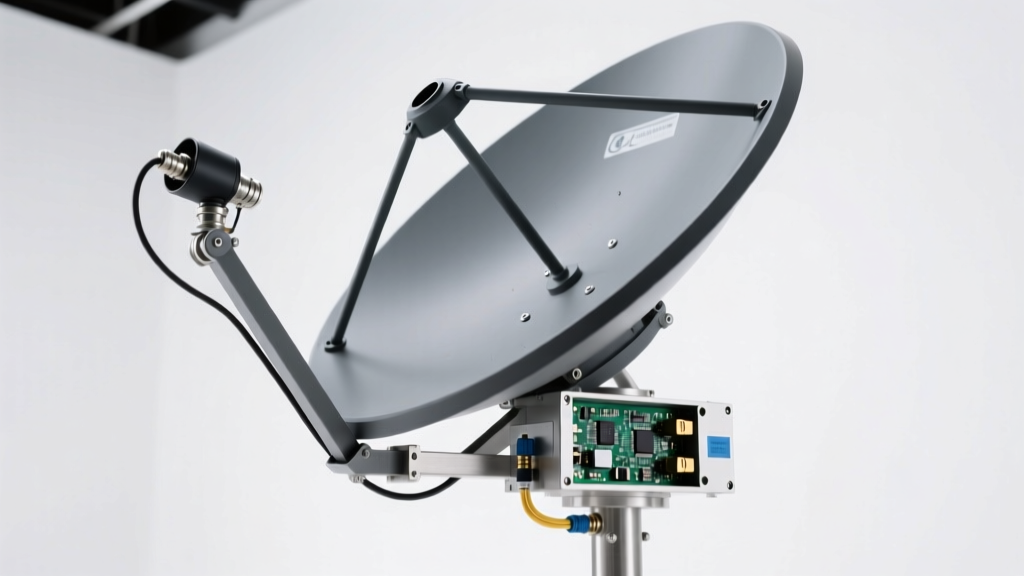
Types of SMDA24C TBT Modules
A SMDA24C TBT module is an advanced networking component designed to support high-speed data transmission and versatile connectivity in modern communication systems. These modules are widely used in telecommunications, enterprise networks, and industrial applications due to their adaptability and performance. They are primarily categorized based on the number of output channels, supported media types, and additional functional capabilities.
Understanding the different types of SMDA24C TBT modules helps users select the right solution for specific network requirements, whether it's for data-heavy environments, remote installations, or hybrid infrastructure setups.
Hybrid Modules
Hybrid SMDA24C TBT modules integrate both TDAs (Time Division Multiplexing Access) and TBT (Triple Band Transmission) interfaces into a single unit, offering unmatched versatility in mixed-network environments.
Advantages
- Supports simultaneous data, voice, and video transmission
- Backward compatible with legacy systems
- Integrated Ethernet ports for seamless connectivity
- Enables media conversion between analog and digital signals
- Ideal for transitioning from traditional to modern networks
Limitations
- Higher complexity in configuration
- May require firmware updates for full functionality
- Potentially higher power consumption
Best for: Enterprise networks, telecom gateways, multi-service platforms
Power-over-Ethernet (PoE) Modules
PoE-enabled SMDA24C TBT modules deliver both data and electrical power over a single Ethernet cable, eliminating the need for separate power supplies at remote endpoints.
Advantages
- Reduces cabling complexity and installation costs
- Supports powered devices like IP cameras, VoIP phones, and wireless access points
- Enables deployment in hard-to-reach locations
- Centralized power management and remote reboot capability
- Energy-efficient with IEEE 802.3af/at compliance
Limitations
- Distance limited to standard Ethernet cable lengths (~100m)
- Higher heat generation under full load
- Requires compatible switches or injectors
Best for: Security systems, smart buildings, IoT deployments
Fiber Optic Modules
Fiber optic variants of the SMDA24C TBT utilize light pulses through glass or plastic fibers for ultra-reliable, long-distance, and high-bandwidth data transmission.
Advantages
- Supports transmission over several kilometers without signal degradation
- Immune to electromagnetic interference (EMI) and radio frequency interference (RFI)
- High data transfer speeds (up to 10 Gbps or more)
- Enhanced security—difficult to tap without detection
- Ideal for high-noise industrial environments
Limitations
- Higher initial cost for transceivers and cabling
- More delicate—requires careful handling during installation
- Specialized tools and expertise needed for splicing and termination
Best for: Data centers, campus backbones, industrial automation, telecom backhaul
Wireless Modules
Wireless SMDA24C TBT modules enable data transmission via radio frequencies, offering flexible and scalable connectivity where physical cabling is impractical.
Advantages
- Quick and easy deployment with minimal infrastructure
- Supports mobility and dynamic network topologies
- Ideal for temporary setups or remote monitoring stations
- Compatible with Wi-Fi 5/6 standards for high throughput
- Reduces maintenance and downtime associated with cable damage
Limitations
- Subject to signal interference from walls, weather, or other RF sources
- Lower security compared to wired connections (requires encryption)
- Bandwidth can be shared and variable depending on network load
Best for: Outdoor surveillance, mobile command centers, rural connectivity, temporary events
| Module Type | Data Speed | Range | Power Delivery | Best Use Case |
|---|---|---|---|---|
| Hybrid | High | Medium (up to 100m) | Optional (via PoE) | Mixed-signal networks, telecom integration |
| PoE | High | Short (up to 100m) | Yes (up to 30W) | Remote-powered devices, smart offices |
| Fiber Optic | Very High (up to 10Gbps+) | Long (up to 40km) | No (data only) | Backbone links, EMI-prone areas |
| Wireless | Moderate to High | Variable (up to 500m+ line-of-sight) | No (unless paired with PoE extender) | Mobile or cable-free environments |
Expert Tip: When deploying fiber optic SMDA24C TBT modules, always use optical power meters to verify signal strength and ensure proper cleaning of connectors to prevent signal loss due to contamination.
Specifications of SMDA24C TbT Module
The SMDA24C TbT (Thunderbolt) is a high-performance chipset module engineered for seamless data transmission, robust connectivity, and integration across diverse network environments. Designed for modern computing and industrial applications, this module excels in environments requiring fast, reliable, and secure data transfer. Its advanced architecture supports quality transmission control, ensuring minimal latency and high signal integrity even under heavy workloads.
Key Technical Specifications
Data Throughput Performance
The SMDA24C TbT modules deliver impressive data transfer speeds ranging from 1 to 10 gigabits per second (Gbps), depending on the specific variant and configuration. This wide throughput range makes the module suitable for both entry-level and high-demand applications such as external GPU enclosures, high-resolution video editing, and rapid storage access via NVMe SSDs.
Performance can be influenced by host system compatibility, cable quality, and firmware optimization. For maximum efficiency, pairing the module with Thunderbolt 3 or 4 certified devices ensures full utilization of its bandwidth capabilities.
Operating Temperature Range
Engineered for reliability in variable conditions, the SMDA24C TbT operates effectively within a temperature range of 0°C to 70°C (32°F to 158°F). This thermal resilience allows deployment in both indoor office environments and industrial settings where ambient temperatures may fluctuate significantly.
The module includes thermal regulation features that help maintain stable performance during prolonged usage, reducing the risk of overheating and thermal throttling.
Physical Dimensions
With compact dimensions of approximately 25mm x 75mm x 150mm (H x W x L), the SMDA24C TbT module is designed for space-constrained installations. Its small footprint enables integration into compact PCs, embedded systems, and portable workstations without sacrificing performance.
The standardized size also simplifies mounting and alignment in rack-mounted enclosures and OEM-designed chassis, facilitating easier upgrades and maintenance.
Build Quality & Materials
The module features a durable aluminum casing, which provides excellent heat dissipation and mechanical protection for sensitive internal components. The metal enclosure shields against electromagnetic interference (EMI) and physical damage, enhancing long-term reliability.
In alignment with environmental sustainability goals, many versions of the SMDA24C TbT are constructed using recyclable materials and conform to RoHS (Restriction of Hazardous Substances) standards. This eco-conscious design reduces electronic waste and supports green manufacturing initiatives.
| Specification | Value / Range | Notes |
|---|---|---|
| Data Throughput | 1 – 10 Gbps | Dependent on module version and host system compatibility |
| Operating Temperature | 0°C to 70°C | Suitable for commercial and light industrial use |
| Dimensions (H x W x L) | 25mm x 75mm x 150mm | Compact form factor for easy integration |
| Enclosure Material | Aluminum with recyclable components | Thermal management and EMI shielding |
Key Functional Advantages
Important: Always verify compatibility with your host system before installation. Use certified Thunderbolt cables and ensure firmware is up to date to achieve optimal performance and avoid connectivity issues. Improper handling or installation in incompatible systems may lead to reduced throughput or hardware damage.
How to Choose SMDA24C TBT Modules
Selecting the right SMDA24C TBT modules is essential for ensuring reliable, high-performance communication systems tailored to your client’s operational needs. These advanced transceiver modules are widely used in industrial automation, telecommunications, and enterprise networking environments. To make informed purchasing decisions, business owners and system integrators should evaluate several critical technical and operational factors.
Module Type & Configuration
The SMDA24C TBT series comes in various configurations designed for different transmission protocols and network topologies. Understanding the specific module type ensures compatibility with your infrastructure and optimal performance under expected workloads.
- Channel Count: Higher channel density modules (e.g., 4-channel or 8-channel) are ideal for high-traffic data environments such as data centers or industrial control systems requiring parallel signal transmission.
- Transmission Medium: Choose between fiber optic variants (ideal for long-distance, EMI-resistant communication) and wireless-enabled models (suited for mobile or hard-to-wire installations).
- Form Factor: Confirm compatibility with standard SFP+, QSFP, or XFP slots depending on your switch or router model.
Key consideration: Always verify the physical and electrical interface standards before deployment.
Performance Specifications
Technical specifications directly impact system efficiency, scalability, and future-proofing. Evaluating throughput, latency, and integration capabilities ensures seamless operation within existing networks.
- Throughput Rate: SMDA24C TBT modules typically support speeds up to 25Gbps per channel; select based on current bandwidth demands and projected growth.
- Protocol Compatibility: Ensure support for key protocols such as Ethernet, OTN, or CPRI, especially in telecom and 5G applications.
- Power over Ethernet (PoE) Support: Modules with integrated PoE simplify installation by delivering both data and power over a single line—ideal for remote sensors or IP-based devices.
- Latency & Jitter: Critical for real-time applications like video surveillance or industrial automation where timing precision matters.
Pro tip: Use network analysis tools to assess current load and determine required throughput headroom.
Environmental Durability & Reliability
In industrial or outdoor deployments, environmental resilience is crucial. The SMDA24C TBT modules must withstand temperature extremes, dust, moisture, and electromagnetic interference.
- Operating Temperature Range: Industrial-grade models operate reliably from -40°C to +85°C, making them suitable for harsh environments like manufacturing plants or outdoor telecom cabinets.
- Dust & Moisture Resistance: Look for IP67-rated enclosures or conformal-coated circuitry to prevent corrosion and signal degradation.
- Vibration & Shock Tolerance: Essential for mobile platforms or machinery-heavy settings where constant movement can damage sensitive electronics.
- EMI Shielding: Metal housings and filtered connectors reduce interference in electrically noisy environments.
Critical factor: Specify ruggedized versions when deploying in extreme or uncontrolled environments.
Manufacturer Quality & Support
Partnering with reputable manufacturers ensures product consistency, regulatory compliance, and long-term serviceability.
- Brand Reputation: Established suppliers often adhere to ISO 9001 quality standards and conduct rigorous burn-in testing.
- Compliance Certifications: Verify compliance with RoHS, FCC, CE, and IEEE 802.3 standards for safety and interoperability.
- Warranty & RMA Policies: Premium brands offer 3–5 year warranties and responsive return material authorization (RMA) processes.
- Technical Support: Access to engineering support, firmware updates, and configuration guides enhances deployment success.
Smart choice: Prioritize vendors offering full documentation and compatibility databases.
Professional Recommendation: For most enterprise and industrial applications, choose mid-to-high-tier SMDA24C TBT modules from certified manufacturers that balance performance, durability, and support. Avoid generic or unbranded modules for mission-critical systems, as they may lack proper thermal management or signal integrity controls. Always test new modules in a lab environment before large-scale rollout.
| Application Type | Recommended Module Features | Transmission Medium | Environmental Rating |
|---|---|---|---|
| Data Center Interconnect | High channel count, low latency, 25Gbps+ throughput | Fiber Optic (Single-mode) | Commercial (0°C – 40°C) |
| Industrial Automation | PoE support, EMI shielding, rugged housing | Industrial Ethernet over twisted pair | Industrial (-40°C – 85°C, IP67) |
| Outdoor Wireless Backhaul | Weather-resistant, UV-protected casing | Fiber or wireless hybrid | Extended Temp, Sealed Enclosure |
| Mobile Command Units | Vibration-resistant, compact form factor | Wireless or armored fiber | MIL-STD-810G compliant |
Additional Considerations
- Interoperability: Test modules with existing switches and routers to ensure plug-and-play functionality without firmware conflicts.
- Firmware Upgradability: Choose models that allow field updates to support future protocols or security patches.
- Energy Efficiency: Look for modules with low power consumption (e.g., <1.5W per port) to reduce operational costs and heat generation.
- Security Features: Some advanced modules include encryption, authentication, or tamper detection for secure communications.
- Scalability: Select modular designs that allow incremental expansion as network demands grow.
Applications of SMDA24C TbT Modules in Modern Technology
The SMDA24C TbT (Thunderbolt) module is a high-performance interface solution that enables ultra-fast data transfer and seamless connectivity across a wide range of industries. Leveraging Thunderbolt technology, these compact surface-mount modules deliver exceptional bandwidth, low latency, and power efficiency, making them ideal for advanced communication and networking applications. Below is a comprehensive overview of the key industries and use cases where SMDA24C TbT modules are transforming performance and reliability.
Technical Note: The SMDA24C TbT module supports Thunderbolt 3 or 4 protocols (depending on configuration), offering data transfer speeds up to 40 Gbps, daisy-chaining capabilities, and support for dual 4K displays or single 8K output. It also enables Power over Cable (up to 100W), making it ideal for compact, high-bandwidth embedded systems.
1. Telecommunications: Enabling High-Speed Data & Voice Networks
In the telecommunications sector, SMDA24C TbT modules play a crucial role in enhancing the speed, reliability, and scalability of data and voice transmission systems. These modules are integrated into carrier-grade equipment and enterprise communication platforms to support high-bandwidth applications such as VoIP, video conferencing, and real-time data streaming.
- Facilitates low-latency transmission of voice and data across hybrid networks
- Supports synchronization and timing precision in telco operating systems
- Enables rapid failover and redundancy in mission-critical communication infrastructures
- Used in edge computing nodes to process and route data closer to end-users
Pro Insight: When deployed in 5G backhaul networks, SMDA24C TbT modules help bridge the gap between radio units and core networks by providing deterministic latency and high-throughput connectivity.
2. Network Infrastructure: Powering Advanced Media Conversion
SMDA24C TbT modules are increasingly embedded in core network infrastructure devices such as routers, switches, and network hubs. Their primary function in this environment is to act as high-speed media converters, translating between electrical and optical signals or bridging different protocol layers.
- Integrates with multi-gigabit switches to support Thunderbolt-to-Ethernet or Thunderbolt-to-fiber uplinks
- Enables ProE (Power over Ethernet) compatibility in hybrid setups, delivering both data and power to IP cameras, access points, and IoT sensors
- Supports daisy-chained topologies for scalable, modular network expansion
- Reduces bottlenecks in data centers by accelerating inter-device communication
This capability is especially valuable in smart buildings and industrial networks, where high-density device connectivity and power delivery must coexist efficiently.
3. Video Surveillance & Security Systems: Delivering Real-Time HD Video
Modern video surveillance systems demand high bandwidth and minimal latency to ensure real-time monitoring and recording. The SMDA24C TbT module meets these requirements by enabling fiber-optic or high-speed copper-based transmission of uncompressed HD and 4K video streams.
- Supports long-distance video transmission (up to 100 meters over active cables) without signal degradation
- Enables direct connection between IP cameras and NVRs (Network Video Recorders) with minimal processing delay
- Facilitates integration with AI-powered analytics systems that require rapid data ingestion
- Maintains signal integrity in electrically noisy environments (e.g., industrial sites, transportation hubs)
By leveraging Thunderbolt’s high throughput, these modules ensure that security systems can operate at peak performance, even under heavy load.
4. Smart Home & IoT Ecosystems: Enabling Seamless Device Integration
As smart homes become more complex, the need for reliable, high-speed interconnectivity grows. The SMDA24C TbT module serves as a backbone for intelligent home ecosystems, connecting devices such as smart thermostats, voice assistants, lighting systems, and entertainment hubs.
- Provides a unified interface for high-bandwidth device communication within IoT networks
- Supports simultaneous data, audio, video, and power delivery over a single cable
- Enables fast firmware updates and real-time synchronization across smart home devices
- Integrates with home automation gateways to improve responsiveness and reduce lag
This integration ensures a smooth, responsive user experience and supports the growing demand for edge computing in residential environments.
| Application Area | Key Benefits | Supported Devices | Performance Metrics |
|---|---|---|---|
| Telecommunications | Low latency, high reliability, real-time sync | VoIP systems, 5G nodes, edge routers | Up to 40 Gbps, sub-millisecond latency |
| Network Infrastructure | Media conversion, PoE support, daisy-chaining | Switches, routers, IP cameras | 40 Gbps, 100W power delivery |
| Video Surveillance | HD/4K streaming, long-distance transmission | NVRs, PTZ cameras, analytics servers | Uncompressed video, 60 fps at 4K |
| Smart Home & IoT | Unified connectivity, multi-protocol support | Voice assistants, thermostats, smart displays | Multi-device sync, sub-10ms response |
Expert Tip: When designing systems with SMDA24C TbT modules, ensure proper thermal management and signal integrity by following PCB layout guidelines from the manufacturer. Use shielded cables and avoid sharp bends to maintain optimal performance.
Future-Ready Applications and Trends
As Thunderbolt technology evolves, the SMDA24C TbT module is expected to expand into emerging fields such as:
- Augmented and Virtual Reality (AR/VR): Supporting high-resolution headsets with low-latency data and display links
- Automotive Infotainment: Enabling fast data transfer between sensors, displays, and control units in connected vehicles
- Medical Imaging: Facilitating rapid transfer of large diagnostic files (e.g., MRI, CT scans) in clinical environments
- Industrial Automation: Connecting programmable logic controllers (PLCs) and HMIs with real-time precision
In conclusion, the SMDA24C TbT module is not just a connectivity component—it is a critical enabler of next-generation performance across telecommunications, network infrastructure, surveillance, and smart environments. Its combination of speed, power delivery, and versatility makes it a cornerstone of modern high-speed electronic design.
Frequently Asked Questions About SMDA24C TBT Modules
Q1: Do the SMDA24C TBT modules have any role in enhancing network security?A1: Yes, SMDA24C TBT (Thunderbolt) modules play a meaningful role in enhancing network security, particularly in high-performance computing and data transfer environments. These modules support secure data transmission through advanced encryption protocols and hardware-based authentication mechanisms. When used with fiber optic cabling, they offer an added layer of protection—fiber optics are inherently more resistant to electromagnetic interference and eavesdropping compared to traditional copper wiring, making them ideal for long-distance, secure communications in enterprise and data center settings.
Additionally, Thunderbolt technology includes features like I/O virtualization and direct memory access (DMA) protection, which help prevent unauthorized access to system memory during peripheral connections, further strengthening overall network and device security.
Q2: Which factors influence the throughput rate of SMDA24C TBT modules most significantly?A2: The throughput performance of SMDA24C TBT modules is influenced by several key factors:
- Network Infrastructure: The underlying network architecture—such as switch capabilities, cabling type (e.g., fiber vs. copper), and protocol support (e.g., Thunderbolt 3/4, USB4)—directly affects achievable data rates.
- System Complexity and Scale: Larger, more complex networks with high device density and concurrent data streams demand greater bandwidth. In such environments, the modules must maintain low latency and high throughput to avoid bottlenecks.
- Cable Quality and Length: High-speed TBT modules require certified cables capable of supporting 20–40 Gbps transfer speeds. Longer cables or substandard materials can degrade signal integrity and reduce effective throughput.
- Host Device Capabilities: The performance of the connected host (e.g., workstation, server, or storage array) including CPU, PCIe bandwidth, and driver optimization, also limits maximum throughput.
- Workload Type: Real-time applications like video editing, AI training, or large-scale backups place sustained demands on the module, testing its ability to maintain peak speeds over time.
Optimizing these factors ensures that SMDA24C TBT modules operate at their full potential, delivering reliable, high-speed connectivity.
Q3: Are SMDA24C TBT modules suitable for outdoor use?A3: While standard SMDA24C TBT modules are primarily designed for indoor, controlled environments, certain ruggedized variants are engineered specifically for outdoor or harsh-condition deployment. These specialized models typically feature:
- Weatherproof Enclosures: Sealed housings with IP67 or higher ratings to resist dust, moisture, and temporary submersion.
- Wide Operating Temperature Range: Designed to function reliably in extreme temperatures (e.g., -40°C to +85°C), making them suitable for telecom towers, surveillance systems, or industrial outdoor installations.
- Enhanced Thermal Management: Improved heat dissipation through passive cooling fins or conductive materials to prevent overheating under direct sunlight or high ambient heat.
- Corrosion-Resistant Materials: Use of stainless steel or coated alloys to withstand humidity, salt spray, and UV exposure.
It’s essential to verify the product specifications and environmental ratings before deploying any TBT module outdoors. Standard consumer-grade modules should not be used in unprotected outdoor settings due to risk of damage and performance degradation.
Q4: What is the lifetime of an SMDA24C TBT module?A4: The operational lifespan of an SMDA24C TBT module varies based on multiple interdependent factors, but under typical conditions, these modules can last between 5 to 10 years. Key determinants include:
- Environmental Conditions: Modules operating in stable temperatures with low humidity and minimal dust exposure tend to last longer. Extreme environments accelerate wear on internal components.
- Usage Intensity: Continuous high-bandwidth operations (e.g., 24/7 data streaming or server interconnects) may shorten lifespan due to thermal stress and electronic fatigue.
- Maintenance and Handling: Regular inspection, proper cable management, and avoidance of physical stress (e.g., frequent plugging/unplugging) help extend longevity.
- Component Quality: Higher-grade semiconductors, connectors, and circuit board materials used in premium modules contribute to greater durability and reliability over time.
Many manufacturers provide Mean Time Between Failures (MTBF) ratings exceeding 1 million hours, indicating strong long-term reliability when operated within specified parameters.
Q5: How do SMDA24C TBT modules contribute to sustainable technology?A5: SMDA24C TBT modules support sustainability in modern technology through several eco-conscious design and operational features:
- Energy Efficiency: These modules are engineered to deliver high data throughput with minimal power consumption. Advanced power management modes reduce energy use during idle or low-activity periods, contributing to lower carbon footprints in data centers and enterprise networks.
- Use of Recyclable Materials: Many manufacturers are transitioning to environmentally friendly materials in module construction, including recyclable metals, halogen-free PCBs, and reduced hazardous substances (RoHS compliant).
- Long Service Life: With lifespans reaching up to a decade, SMDA24C modules reduce the frequency of replacements, minimizing electronic waste and resource consumption.
- Support for Modular Upgrades: Instead of replacing entire systems, users can upgrade connectivity via TBT modules, promoting a "repair and reuse" model over disposable electronics.
- Reduced Need for Redundant Infrastructure: High-speed, reliable connections reduce the need for multiple lower-speed links, streamlining hardware requirements and cutting down on material usage.
As part of a broader shift toward green IT, SMDA24C TBT modules represent a convergence of performance and environmental responsibility, aligning with global sustainability goals in the tech industry.