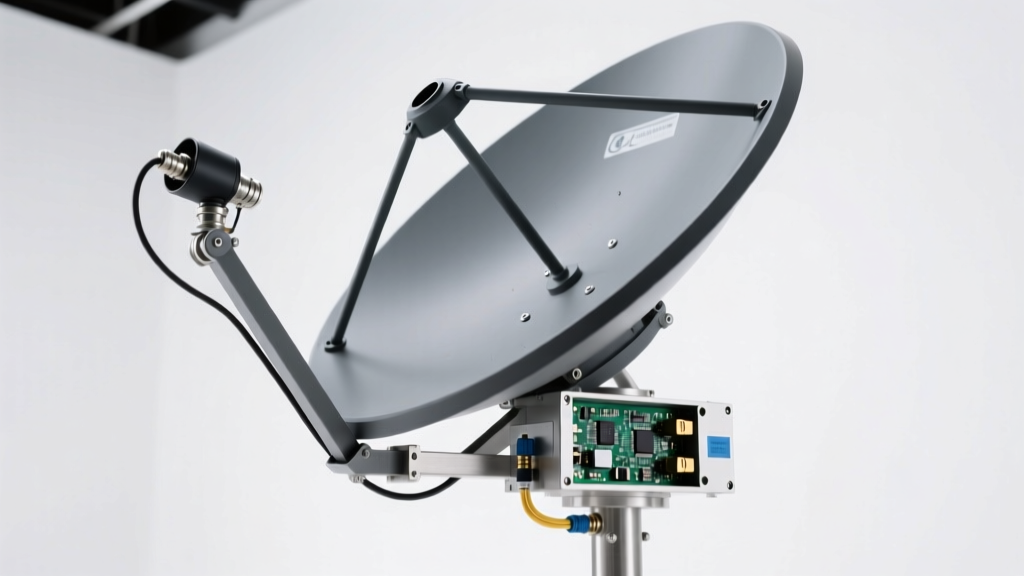
Types of Antenna TV Satellite Systems
A TV satellite antenna is a critical component for receiving broadcast signals from space-based satellites, enabling high-quality television programming, internet, and data services. Different types of satellite antennas are designed to meet various performance, environmental, and mobility needs. Understanding the distinctions between these systems helps users select the best solution for residential, commercial, or mobile applications.
Satellite Dish Antenna
Parabolic reflector antennas designed to capture microwave signals from geostationary satellites in orbit.
Advantages
- High signal gain and excellent reception clarity
- Available in multiple sizes for varying signal strength needs
- Supports both C-band and Ku-band frequencies
- Proven reliability over decades of use
Limitations
- Requires precise alignment toward the satellite
- Larger models need significant mounting space
- Vulnerable to snow, ice, and wind damage
Best for: Fixed installations, rural areas, premium TV and radio services
Antenna TV Satellite Combination
Hybrid systems that integrate over-the-air (OTA) digital TV reception with satellite signal capabilities.
Advantages
- Access to both free-to-air local channels and subscription satellite content
- Single-system convenience reduces clutter and installation complexity
- Ideal for cord-cutters seeking comprehensive channel access
- Reduces need for multiple rooftop installations
Limitations
- Higher initial cost compared to standalone systems
- May require advanced signal processing equipment
- Performance depends on compatibility between components
Best for: Urban and suburban homes, media enthusiasts, integrated entertainment systems
Ka-band Antenna
High-frequency satellite antennas operating in the 26.5–40 GHz range, supporting modern broadband and HD broadcasting.
Advantages
- Supports ultra-high-speed data transmission and HD/4K video
- Enables two-way communication (upload and download)
- Compact design ideal for tight spaces and mobile platforms
- Used in next-gen satellite internet (e.g., Starlink, Viasat)
Limitations
- Prone to rain fade during heavy precipitation
- Requires advanced error correction and signal boosting
- Higher power consumption and system complexity
Best for: High-speed satellite internet, modern broadcasting, mobile connectivity on vehicles and vessels
Omnidirectional Satellite Antenna
Non-directional antennas capable of receiving signals from multiple satellites without physical repositioning.
Advantages
- No need for manual or motorized alignment
- Perfect for moving platforms like RVs, boats, and emergency vehicles
- Quick setup and automatic signal acquisition
- Reliable in remote or changing environments
Limitations
- Lower signal gain compared to directional dishes
- Limited to specific satellite networks with broad coverage
- May struggle in areas with weak signal strength
Best for: Mobile applications, temporary deployments, maritime and overland travel
| Type | Frequency Band | Signal Strength | Mobility | Best Application |
|---|---|---|---|---|
| Satellite Dish Antenna | C-band, Ku-band | High | Fixed | Residential TV, rural broadband |
| TV Satellite Combo | Digital OTA + Ku/Ka-band | High (dual-source) | Semi-mobile | Integrated home entertainment |
| Ka-band Antenna | Ka-band (26.5–40 GHz) | Very High | Fixed/Mobile | Satellite internet, HD broadcasting |
| Omnidirectional Antenna | Ku/Ka-band (varies) | Moderate | High Mobility | RVs, marine, emergency response |
Expert Tip: For Ka-band systems, consider installing a radome or hydrophobic coating to minimize rain fade effects and maintain consistent signal quality during adverse weather conditions.
Installation Note: When setting up a combination TV-satellite antenna, ensure proper signal isolation and use high-quality coaxial cables with shielding to prevent interference between OTA and satellite feeds.
Industrial Applications of Antenna TV Satellite Technology
Satellite communication and antenna TV systems have evolved beyond entertainment, becoming vital tools across various industrial sectors. These technologies provide reliable, real-time data transmission and connectivity—even in remote or infrastructure-limited regions—enabling smarter decision-making, improved safety, and operational efficiency. From precision agriculture to global disaster response, satellite-based systems are transforming how industries operate and respond to dynamic challenges.
1. Agriculture: Enabling Precision and Connectivity
Satellite technology has revolutionized modern farming by bridging the digital divide in rural and remote agricultural areas. Farmers leverage satellite-delivered data to access real-time weather forecasts, soil moisture levels, crop health analytics, and commodity market updates directly on mobile devices or integrated into smart farm machinery.
This connectivity supports precision agriculture—where satellite imagery and GPS data guide variable-rate application of water, fertilizers, and pesticides. Instead of treating entire fields uniformly, farmers can target only affected zones, reducing input costs, minimizing environmental impact, and maximizing crop yields. In regions with limited internet or cellular coverage, satellite remains the sole reliable communication channel, ensuring continuous access to critical information for sustainable food production.
Key Benefits in Agriculture
- Real-Time Weather Monitoring: Helps schedule planting, irrigation, and harvesting to avoid adverse conditions.
- Remote Sensing & Imaging: Enables early detection of pests, diseases, and nutrient deficiencies through multispectral analysis.
- Market Access: Connects farmers to pricing data and buyers, improving profitability and reducing post-harvest losses.
- Digital Farm Management: Integrates with IoT-enabled tractors and drones for automated, data-driven operations.
Use Case Example
A large-scale wheat farm in Australia uses satellite imagery to monitor crop stress across thousands of hectares. By analyzing vegetation indices, the farmer identifies underperforming zones and adjusts irrigation and fertilizer application accordingly. This results in a 15% increase in yield and a 20% reduction in water usage over two growing seasons.
2. Transportation and Logistics: Enhancing Tracking and Safety
In the transportation and logistics sector, satellite antennas are indispensable for real-time vehicle tracking, fleet management, and supply chain visibility. Global Positioning System (GPS) signals—delivered via satellite—allow companies to monitor the exact location of trucks, ships, and aircraft, optimizing delivery routes and improving fuel efficiency.
For long-haul freight and maritime shipping, satellite communication ensures uninterrupted data flow even in remote regions like deserts, oceans, or polar routes. This enables proactive delay management, theft prevention, and improved customer service through accurate delivery ETAs. In aviation, satellite-based ADS-B systems enhance air traffic control by providing precise aircraft positioning, especially over oceanic or mountainous areas.
| Application | Technology Used | Impact |
|---|---|---|
| Fleet Tracking | GPS + Satellite Uplink | Reduces fuel costs by up to 15% and improves on-time delivery rates |
| Cargo Monitoring | Satellite IoT Sensors | Enables real-time monitoring of temperature, humidity, and tampering |
| Maritime Navigation | VSAT (Very Small Aperture Terminal) | Ensures crew safety and regulatory compliance in international waters |
| Air Traffic Management | Satellite-Based ADS-B | Improves flight safety and reduces separation distances |
3. Energy and Utilities: Monitoring Remote Infrastructure
The energy and utilities sector relies heavily on satellite communications to monitor and manage infrastructure spread across vast, often inaccessible regions. Oil and gas pipelines, offshore drilling platforms, wind farms, and power transmission lines are frequently located in areas without terrestrial network coverage.
Satellite antennas enable real-time data transmission from SCADA (Supervisory Control and Data Acquisition) systems, allowing operators to detect leaks, pressure changes, or equipment failures instantly. In renewable energy, satellite imagery helps identify optimal sites for solar and wind installations by analyzing topography, sunlight exposure, and wind patterns.
Utility companies also use satellite links to coordinate emergency repairs during outages and manage smart grid technologies, ensuring stable energy distribution and minimizing downtime—especially in rural or disaster-affected regions.
Oil & Gas Monitoring
Satellite-connected sensors on pipelines transmit data on flow rates, temperature, and structural integrity. Alerts are triggered automatically if anomalies are detected, enabling rapid response to potential spills or ruptures.
Renewable Energy Planning
Geospatial satellite data is used to assess land suitability for solar farms by analyzing solar irradiance, shading, and terrain slope. This reduces planning time and increases long-term energy output accuracy.
4. Disaster Management and Humanitarian Relief
Satellite TV and communication systems are critical during natural disasters such as hurricanes, earthquakes, floods, and wildfires. When terrestrial networks fail due to infrastructure damage, satellite technology provides the only reliable means of communication for emergency responders.
Real-time satellite imagery allows agencies to assess damage extent, identify blocked roads, locate stranded victims, and plan evacuation routes. Meteorological satellites provide early warnings and track storm developments, giving communities more time to prepare. Humanitarian organizations like the Red Cross and UN agencies deploy portable satellite terminals to establish communication hubs in disaster zones, coordinating the delivery of food, medical supplies, and shelter.
Important: While satellite technology offers unparalleled connectivity in remote and crisis situations, proper training and equipment maintenance are essential. Outdated terminals, misaligned antennas, or lack of power sources can hinder performance during critical operations. Regular testing and integration with local emergency response plans ensure maximum effectiveness when lives are at stake.
Product Specifications and Features of Antenna TV Satellite
The Antenna TV Satellite is a high-performance, weather-resistant outdoor antenna engineered to deliver superior digital TV reception across long distances. Designed with advanced materials and signal optimization technologies, this antenna ensures reliable access to free over-the-air broadcasts in both VHF and UHF bands. Whether you're cutting the cord or enhancing your home entertainment setup, understanding its full range of specifications and features will help maximize performance and longevity.
Core Technical Specifications
- Material: Constructed from lightweight yet durable aluminum alloy, the antenna resists corrosion and rust, ensuring long-term reliability even in coastal or humid environments.
- Frequency Range: Dual-band operation at 144MHz (VHF) and 430MHz (UHF) allows reception of both standard-definition and high-definition channels from local broadcast stations.
- Signal Range: Capable of receiving signals up to 50 miles for VHF and 30 miles for UHF, making it ideal for suburban and rural areas with distant transmitters.
- Polarization Type: Features circular polarization technology that enhances signal capture from multiple angles, reducing dropouts caused by signal reflection or misalignment.
- Wind Resistance: Rigorously tested in wind tunnels up to 100+ mph, ensuring structural integrity and uninterrupted performance during storms or high-wind conditions.
Physical and Mounting Details
- Dimensions: Compact design measures 29.5" x 4.5" x 1.5", allowing discreet installation without requiring excessive space or visual impact.
- Weight: Weighs only 1.5 lbs, making it easy to handle and install without additional support or tools.
- Mounting System: Equipped with a standard 1" x 14 threaded mount, compatible with most poles, wall brackets, and rooftop mounts for versatile placement options.
- Installation Orientation: Optimized for eastward alignment to capture primary broadcast towers; adjustable tilt ensures precise targeting for maximum signal strength.
- Compatibility: Works seamlessly with all major digital TVs, digital converters, and HD tuners that support ATSC 1.0/3.0 standards.
Pro Tip: Use a signal meter or smartphone app during installation to fine-tune direction and elevation for optimal reception.
Detailed Installation Guide
Proper installation is crucial to achieving the best possible signal quality. Follow these step-by-step instructions to ensure a secure and effective setup:
- Unbox and Inspect: Carefully open the packaging and verify all components are present. Refer to the included instruction manual for part identification and system overview.
- Attach the Base: Secure the antenna to its mounting base. Ensure the base is firmly fixed to a stable surface to prevent movement or vibration.
- Connect Cables: Use a high-quality coaxial cable to connect the antenna output to your TV’s “ANT IN” or satellite port. Avoid using damaged or low-grade cables to prevent signal loss.
- Mount on Roof or Pole: Position the antenna on your roof, attic, or an exterior pole. For best results, mount it as high as safely possible to minimize obstructions.
- Install the Secondary Dish (if applicable): If your model includes a secondary reflector or dish, attach it to the main holder and secure the support arm to enhance directional focus.
- Adjust Tilt and Alignment: Fine-tune the vertical tilt so the smaller dish aligns perfectly with the larger element. Point the antenna toward the nearest broadcast tower (typically east-facing in many regions).
- Perform Channel Scan: Power on your TV, navigate to the settings menu, and run a full channel scan to detect available digital broadcasts. Re-scan if you make adjustments later.
Expert Advice: Consider using a rotor or amplifier if you're located more than 30 miles from broadcast towers or need to receive signals from multiple directions. Always check local TV station maps online before installation.
Maintenance and Long-Term Care
Regular maintenance ensures consistent performance and extends the lifespan of your Antenna TV Satellite. Simple upkeep can prevent common issues related to weather exposure and wear.
- Periodic Cleaning: Wipe the surface monthly with a soft, damp cloth to remove dust, pollen, bird droppings, or snow buildup that could interfere with signal reception.
- Inspect for Damage: Routinely examine the antenna elements, housing, and mounting brackets for cracks, warping, or corrosion. Replace any compromised parts promptly.
- Secure Fasteners: At least twice a year, inspect and tighten all screws, bolts, and clamps to maintain structural stability, especially after severe weather events.
- Cable Integrity Check: Examine coaxial cables for cuts, kinks, or exposed conductors. Replace damaged cables immediately to avoid signal degradation or water ingress.
- Waterproof Connections: Apply weatherproof tape or silicone sealant around connector joints to prevent moisture penetration, which can cause short circuits or rust.
- Lubricate Moving Parts: If your antenna has adjustable joints or a rotor mechanism, apply anti-rust lubricant or dielectric grease annually to ensure smooth operation.
Maintenance Schedule: Create a bi-annual checklist (spring and fall) to perform comprehensive inspections and cleaning, especially in regions with harsh winters or heavy rainfall.
| Feature | Specification | Benefit |
|---|---|---|
| Material | Aluminum Alloy | Lightweight, rust-resistant, durable for outdoor use |
| Frequency Bands | 144MHz (VHF), 430MHz (UHF) | Receives both standard and high-definition channels |
| Max Range | 50 miles (VHF), 30 miles (UHF) | Suitable for rural and suburban locations |
| Polarization | Circular | Improved signal stability from any angle |
| Wind Load Rating | Tested up to 100+ mph | Stable performance in extreme weather |
| Mount Type | 1" x 14 Threaded Mast | Universal compatibility with standard mounts |
Final Recommendation: For optimal performance, pair this antenna with a signal amplifier and surge protector, especially in areas prone to lightning or electrical interference. Proper installation and routine care will ensure years of crystal-clear, cost-free television viewing. Always consult local regulations before installing rooftop or tall pole-mounted antennas.
Quality and Safety Considerations for Antenna TV Satellite Systems
When installing or upgrading an antenna TV satellite system—whether for home entertainment, outdoor use, or commercial applications—both quality and safety are critical. A high-performing system delivers crisp, uninterrupted signal reception, while proper safety practices protect users, property, and equipment. This guide provides a comprehensive overview of the key quality factors to consider when selecting equipment and the essential safety protocols to follow during installation and maintenance.
Safety Warning: Improper antenna installation can lead to electrical hazards, falls, or damage from weather exposure. Always de-energize nearby circuits when possible, use fall protection on roofs, and avoid working in adverse weather conditions such as rain, wind, or storms.
Key Quality Considerations for Antenna TV Satellite Systems
The performance and longevity of your antenna system depend on several quality-driven factors. Investing in a well-built system ensures consistent signal delivery and reduces the need for frequent repairs or replacements.
- Signal Clarity and Reception Performance: The primary function of any TV or satellite antenna is to deliver clear, high-quality audio and video signals. Look for antennas with high gain ratings, directional precision (for outdoor models), and low noise amplification. Systems designed for digital broadcasting should support ATSC 3.0 (NextGen TV) standards for future-proofing.
- Easy Installation and User-Friendly Design: A quality antenna should come with intuitive mounting hardware, clear instructions, and minimal required tools. Features like pre-attached coaxial cables, adjustable brackets, and plug-and-play connectivity enhance usability—especially for DIY users setting up conference booths or temporary media stations.
- Durability and Environmental Resistance: Outdoor antennas are exposed to extreme weather, including UV radiation, heavy rain, snow, and high winds. Choose models made from corrosion-resistant materials like aluminum or UV-protected plastics. Look for IP-rated enclosures and sealed electronics to ensure long-term reliability.
- Brand Reputation and Product Testing: Trusted manufacturers often conduct rigorous field testing and comply with FCC, CE, or RoHS standards. Brands with strong customer support, warranties, and firmware updates (for smart antennas) provide added peace of mind. Reading verified user reviews and professional benchmarks can help identify consistently reliable products.
Expert Tip: For optimal signal quality in urban or obstructed areas, consider using a signal amplifier or rotor-controlled directional antenna that can be adjusted remotely to target specific broadcast towers.
Essential Safety Considerations for Antenna Installation and Maintenance
Safety should never be compromised during antenna setup or servicing. The following best practices help prevent electrical hazards, falls, equipment failure, and property damage.
- Avoid Power Lines: Maintain a minimum clearance of 10 feet (3 meters) between the antenna, mast, tools, and any overhead power lines. Electricity can arc across gaps, especially in humid conditions. If the antenna contacts a power line, it can become energized and pose a lethal shock risk.
- Proper Grounding: Ground the entire antenna system—including the mast, mounting bracket, and coaxial cable shield—using a UL-listed grounding block and copper wire connected to your home’s grounding electrode system. This protects against lightning-induced surges and static buildup that could damage electronics or cause fire.
- Use Coaxial Cable with Shielding: Install high-quality, double-shielded coaxial cable (RG6 or better) between the antenna and your TV or receiver. The shielding prevents electromagnetic interference (EMI) and reduces the risk of electrical current entering your home’s interior wiring system.
- Secure Mounting Practices: Ensure the antenna is firmly attached to a roof, chimney, or pole using weather-resistant hardware. Use guy wires for tall masts and check torque specifications on all bolts. A loose antenna can detach in high winds, posing a danger to people and property below.
- Weatherproof All Connections: Apply waterproof coaxial connectors and self-amalgamating tape or silicone sealant at every joint. Moisture intrusion leads to signal loss, corrosion, and potential short circuits. Regularly inspect seals for cracking or wear.
- Conduct Annual Inspections: Schedule a yearly check of the entire system. Look for frayed cables, loose mounts, corroded connectors, bent elements, or signs of animal nesting. Early detection of wear can prevent system failure and hazardous situations.
- Use Insulated Tools and Protective Gear: When working near electrical sources, always wear rubber-insulated gloves and use tools with non-conductive handles. This provides an added layer of protection against accidental contact with live circuits.
| Safety/Quality Factor | Recommended Standard | Common Risks if Ignored | Best Practices |
|---|---|---|---|
| Signal Clarity | ATSC 3.0 compatible, high-gain antenna | Poor reception, pixelation, dropped signals | Use signal meter during installation, orient toward broadcast towers |
| Electrical Clearance | 10+ feet from power lines | Electrocution, fire hazard | Measure distance before lifting antenna; use spotter |
| Grounding | FCC Part 83 & NEC Article 810 compliant | Lightning damage, equipment failure | Install grounding block within 5 feet of entry point |
| Cable Quality | Radiation-hardened RG6 with foil + braid shield | Signal loss, interference, fire risk | Avoid splices; replace damaged cables immediately |
| Mounting Security | Wind-rated hardware, guy wires (if needed) | Falling antenna, structural damage | Torque bolts to spec; inspect after storms |
Maintenance Tip: After severe weather events, perform a visual inspection of your antenna system from the ground using binoculars. If damage is suspected, schedule a professional assessment before attempting repairs.
Final Recommendations
- Always follow local building codes and homeowner association (HOA) regulations regarding antenna placement.
- Consider hiring a certified installer for rooftop or tall mast installations to ensure compliance and safety.
- Keep a log of installation date, grounding setup, and maintenance checks for future reference.
- Upgrade older antennas every 7–10 years, even if they appear functional, to maintain optimal signal quality.
- Educate all household members about the dangers of climbing near antennas or touching outdoor equipment.
Selecting a high-quality antenna TV satellite system and adhering to strict safety guidelines ensures reliable performance, protects your investment, and most importantly, keeps you and your family safe. Whether you're setting up a permanent rooftop array or a temporary solution for a conference booth, thoughtful planning and attention to detail make all the difference.
Frequently Asked Questions About Satellite Antennas
Q1: What is the function of a satellite antenna?A satellite antenna, also known as a ground station antenna, plays a crucial role in modern communication systems by capturing and transmitting signals to and from satellites orbiting Earth. These signals enable a wide range of services including satellite television, high-speed internet, GPS navigation, weather forecasting, and long-distance telecommunications.
The antenna works by focusing electromagnetic signals using a parabolic or directional design, which enhances signal strength and accuracy. Once received, the signal is sent through a coaxial or fiber-optic cable to a receiver (such as a set-top box or modem), where it's decoded and delivered to your TV, computer, or other connected devices. For two-way communication systems (like satellite internet), the antenna also transmits data back to the satellite, completing the communication loop.
Q2: What are the four main components of a satellite system?A fully functional satellite communication system consists of four key elements that work together seamlessly:
- Ground Antenna (Earth Station): Located on the ground, this device sends and receives signals to and from the satellite. It includes the dish, low-noise block downconverter (LNB), and transmitter components.
- Communication Satellite (in orbit): Positioned in geostationary or low Earth orbit, the satellite acts as a relay station, receiving signals from Earth and retransmitting them to another location.
- Transponders: These are onboard electronic systems within the satellite that receive incoming signals, amplify them, change their frequency to avoid interference, and then retransmit them back to Earth.
- Receiving Equipment (e.g., satellite dish & receiver): This includes the user-end hardware such as the satellite dish, LNB, coaxial cabling, and a decoder or modem that converts the signal into usable content like TV channels or internet data.
Together, these components form a complete end-to-end system that enables global communication, broadcasting, and data transfer across vast distances, even in remote areas where traditional infrastructure is unavailable.
Q3: How does a TV satellite antenna differ from a satellite dish?The terms "TV satellite antenna" and "satellite dish" are often used interchangeably, but there are subtle distinctions based on design and function:
| Feature | TV Satellite Antenna | Satellite Dish |
|---|---|---|
| Primary Function | Broad term for any antenna receiving satellite TV signals; may include flat-panel or phased array designs. | Specific type of parabolic reflector designed to focus weak satellite signals onto the LNB for optimal reception. |
| Design | Can be flat, compact, or directional; sometimes integrated into building structures. | Typically circular or oval-shaped with a curved surface to maximize signal collection. |
| Signal Reception | May receive both terrestrial (local) broadcasts and satellite signals depending on configuration. | Optimized specifically for receiving signals from geostationary satellites (e.g., DirecTV, Dish Network). |
| Installation Flexibility | More versatile in urban settings; easier to mount discreetly. | Requires clear line-of-sight to the southern sky (in the Northern Hemisphere) and precise alignment. |
In practice, most home satellite TV setups use a parabolic dish as part of the overall antenna system. While all satellite dishes are types of satellite antennas, not all satellite antennas are dishes. The complete system—dish, LNB, cabling, and receiver—works together to deliver high-quality TV programming.
Q4: How long do satellite antennas last?Satellite antennas are built for durability and typically have a lifespan of **10 to 15 years or more** under normal operating conditions. Several factors influence their longevity:
- Environmental Exposure: Antennas in regions with extreme weather—such as heavy snow, high winds, salt spray (coastal areas), or intense UV radiation—may degrade faster. Proper sealing and corrosion-resistant materials help extend life.
- Build Quality: Higher-end models made with robust materials like aluminum or reinforced composites tend to outlast cheaper plastic alternatives.
- Maintenance: Regular inspection for loose mounts, damaged cables, or misalignment can prevent performance issues. Cleaning the dish surface from dirt, bird droppings, or snow improves signal quality and reduces strain on components.
- Technology Obsolescence: While the physical antenna may last over a decade, changes in broadcast standards (e.g., new satellite frequencies or encryption) may require upgrades to the LNB or receiver before the antenna itself fails.
With proper installation and occasional maintenance, many users find their satellite systems remain functional well beyond 15 years, especially if electronic components are periodically updated.
Q5: Which factors impact satellite signal reception?Satellite signal quality can be affected by a variety of environmental, technical, and physical factors. Understanding these helps ensure reliable service:
- Line-of-Sight Obstructions: Trees, buildings, towers, or even accumulated snow on the dish can block the signal path between the antenna and the satellite, causing signal loss or pixelation.
- Weather Conditions: Rain fade (signal degradation during heavy rain), snow buildup, or thick cloud cover can temporarily weaken or interrupt satellite signals, especially in Ku-band and Ka-band systems.
- Antenna Alignment: Even slight misalignment—due to wind, settling, or accidental bumps—can significantly reduce signal strength. Precise azimuth, elevation, and skew settings are essential for optimal performance.
- Satellite Position: Geostationary satellites must be within the antenna’s visible arc. Location on Earth (latitude/longitude) determines which satellites are accessible and how the dish should be aimed.
- Signal Interference: Nearby electronic devices, power lines, or competing wireless signals may introduce noise, particularly if cabling is damaged or improperly shielded.
- Equipment Condition: Worn or corroded connectors, damaged coaxial cables, or failing LNBs can degrade signal quality even if the dish appears intact.
To maintain strong reception, ensure your antenna has a clear view of the sky, is securely mounted, and uses high-quality, weatherproof components. Many modern receivers include signal strength meters to assist with troubleshooting and realignment when needed.