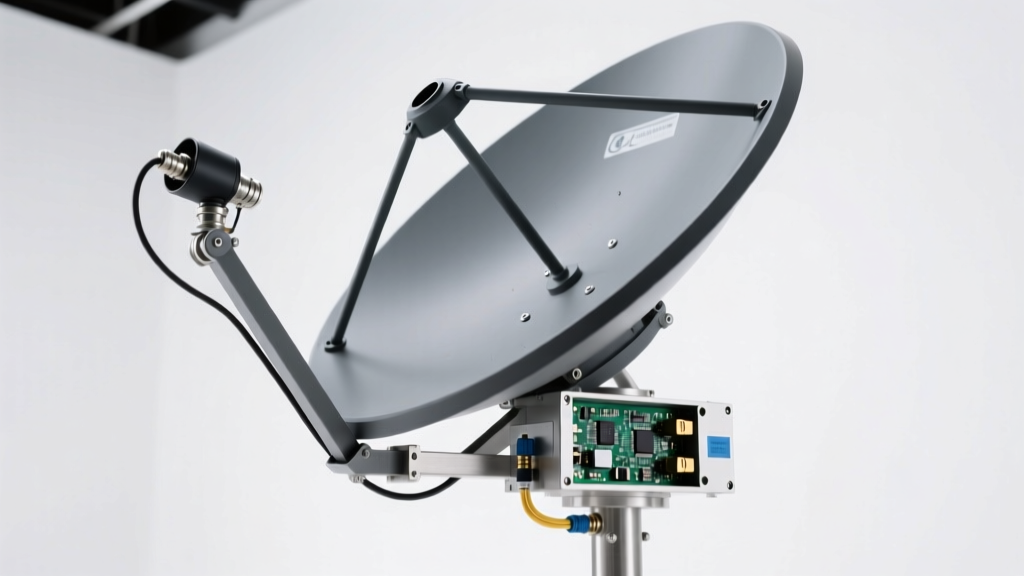
Types of Electronic Components
Understanding the different types of electronic components is essential for designing, building, and troubleshooting complex electronic systems. These components form the foundation of modern technology, enabling everything from simple circuits to advanced computing devices. Proper selection and integration of components ensure optimal performance, reliability, and efficiency in electronic applications.
Active Electronic Components
Active components are capable of controlling current flow, amplifying signals, and providing energy gain within a circuit. They require an external power source to operate and are fundamental in signal processing and power management.
- Transistors: Semiconductor devices used for switching and amplification in digital and analog circuits.
- Integrated Circuits (ICs): Miniaturized circuits containing multiple components on a single chip, such as microprocessors and memory units.
- Diodes: Allow current to flow in one direction; used in rectification and signal demodulation.
- Vacuum Tubes: Older technology still used in high-power and audio applications for signal amplification.
Advantages
- Signal amplification capability
- Energy generation or control
- Essential for logic and computing functions
- Enable complex circuit operations
Limitations
- Require external power to function
- More complex design and integration
- Generally more expensive than passive parts
- Sensitive to overheating and voltage spikes
Key Materials: Silicon and germanium are the most common semiconductor materials due to their tunable conductivity and stability under various conditions.
Passive Electronic Components
Passive components cannot introduce net energy into a circuit or amplify signals. Instead, they store, dissipate, or regulate electrical energy. They are indispensable for managing current, voltage, and signal integrity.
- Resistors: Limit current flow and divide voltages; crucial for biasing active components.
- Capacitors: Store and release electrical energy; used in filtering, timing, and coupling applications.
- Inductors: Store energy in magnetic fields; commonly used in power supplies and RF circuits.
- Ferrite Beads: Suppress high-frequency noise in circuits, improving signal quality.
Advantages
- No external power required
- High reliability and long lifespan
- Simple construction and low cost
- Essential for filtering and stabilization
Limitations
- Cannot amplify signals
- Limited functionality compared to active parts
- Energy storage capacity is finite
- Can be affected by temperature and frequency
Best Use: Found in virtually every electronic device for voltage regulation, noise suppression, and signal conditioning.
Mechanical Electronic Components
These components rely on physical movement to control electrical circuits. They provide manual or automatic switching, protection, and circuit isolation, playing a vital role in system safety and user interaction.
- Switches: Manually open or close circuits (e.g., push buttons, toggle switches).
- Relays: Electrically operated switches that allow low-power signals to control high-power circuits.
- Circuit Breakers: Automatically interrupt current flow during overloads or short circuits to prevent damage.
Advantages
- Direct user control and feedback
- High current handling capability
- Fail-safe operation in protection roles
- Durable and easy to integrate
Limitations
- Moving parts prone to wear and fatigue
- Slower response than solid-state devices
- Can generate arcing or contact bounce
- Larger size compared to semiconductor alternatives
Critical Role: Ensures safe operation, enables user input, and protects sensitive electronics from overcurrent conditions.
Electromechanical Components
These hybrid components convert electrical energy into mechanical motion or vice versa. They bridge the gap between electronic control systems and physical action, enabling automation and energy conversion.
- Electric Motors: Transform electrical energy into rotational motion (used in fans, robots, and vehicles).
- Generators: Convert mechanical energy (from turbines, engines) into electrical power.
- Solenoids: Produce linear motion when energized; used in valves, locks, and actuators.
Advantages
- Enable physical movement and automation
- High efficiency in energy conversion
- Wide range of power and speed options
- Integral to industrial and consumer devices
Limitations
- Contain moving parts requiring maintenance
- Subject to mechanical wear and failure
- Can be noisy during operation
- Generally larger and heavier than pure electronics
Applications: Robotics, automotive systems, HVAC, power generation, and manufacturing equipment.
Sensors
Sensors are critical input devices that detect and measure real-world physical parameters and convert them into electrical signals for processing. They enable electronic systems to interact intelligently with their environment, forming the foundation of smart and responsive technologies.
- Temperature Sensors: Monitor heat levels (e.g., thermistors, RTDs) in climate control and safety systems.
- Pressure Sensors: Detect fluid or gas pressure in automotive, medical, and industrial applications.
- Light Sensors: Measure illumination (e.g., photodiodes, LDRs) for automatic lighting and displays.
- Motion Sensors: Detect movement using infrared, ultrasonic, or accelerometer-based technologies.
- Humidity Sensors: Measure moisture levels in environmental monitoring and HVAC systems.
Advantages
- Enable real-time data collection
- Facilitate automation and feedback control
- Support IoT and smart device functionality
- Improve system responsiveness and efficiency
Limitations
- Calibration required for accuracy
- Sensitive to environmental interference
- May require signal conditioning circuits
- Limited lifespan in harsh conditions
Key Applications: Smart homes, wearable devices, industrial automation, environmental monitoring, and autonomous vehicles.
| Component Type | Function | Power Requirement | Key Examples | Typical Applications |
|---|---|---|---|---|
| Active | Amplify, switch, generate signals | Requires external power | Transistors, ICs, Diodes | Computers, amplifiers, radios |
| Passive | Store, resist, or filter energy | No external power needed | Resistors, Capacitors, Inductors | Power supplies, filters, timing circuits |
| Mechanical | Manual or automatic circuit control | Operated manually or electrically | Switches, Relays, Breakers | Control panels, safety systems, appliances |
| Electromechanical | Convert energy forms (electrical ↔ mechanical) | Requires electrical input | Motor, Generator, Solenoid | Automation, robotics, power systems |
| Sensors | Measure physical parameters | Requires power for operation | Temperature, pressure, motion sensors | IoT, smart devices, monitoring systems |
Design Tip: When building complex systems, always consider the interaction between active, passive, and mechanical components. Proper impedance matching, power rating selection, and signal conditioning are crucial for reliable and efficient operation.
Industrial Applications of Electronic Components, Accessories & Telecommunications
Electronic components form the backbone of modern technology, enabling innovation across industries through their adaptability, precision, and integration capabilities. From everyday consumer devices to complex industrial systems, these components power advancements that improve efficiency, safety, and connectivity. This guide explores key sectors where electronic components, accessories, and telecommunications technologies are driving transformation.
Consumer Electronics
One of the most visible and rapidly evolving applications of electronic components is in consumer electronics. Devices such as smartphones, televisions, laptops, tablets, and home theater systems rely on integrated circuits (ICs), microprocessors, sensors, capacitors, and memory modules to deliver high performance and user-friendly experiences.
Modern design trends emphasize miniaturization, energy efficiency, and seamless connectivity—enabled by advanced semiconductor technologies and wireless communication modules. For example, touchscreens use capacitive sensors, while cameras integrate CMOS image sensors and signal processors. The continuous demand for smarter, faster, and more intuitive gadgets ensures sustained growth in this sector.
Healthcare Equipment
Electronic components are revolutionizing healthcare by enabling precise diagnostics, real-time monitoring, and minimally invasive treatments. Medical devices such as MRI machines, CT scanners, ultrasound systems, ECG monitors, and patient vital sign trackers depend on analog and digital circuitry, signal amplifiers, data converters, and embedded controllers.
In surgical environments, robotics-assisted systems use sensors, actuators, and feedback mechanisms to enhance precision. Wearable health monitors like smartwatches and glucose sensors leverage low-power microcontrollers and wireless transceivers to transmit critical health data to caregivers. These innovations not only improve patient outcomes but also reduce hospital stays and operational costs.
Industrial Automation
Modern manufacturing relies heavily on electronic components to achieve automation, optimize production lines, and ensure consistent quality. Key elements include programmable logic controllers (PLCs), human-machine interfaces (HMIs), industrial sensors (temperature, pressure, motion), motor drives, and relay modules.
These components work together within Supervisory Control and Data Acquisition (SCADA) systems to monitor processes in real time, detect anomalies, and initiate corrective actions. Automation enhances operational efficiency, reduces human error, improves worker safety, and supports predictive maintenance strategies through data analytics and machine learning integration.
Automotive Systems
The automotive industry has undergone a technological shift with the integration of electronic systems into nearly every aspect of vehicle design. Electronic control units (ECUs) manage engine performance, transmission, braking, and emissions. Advanced Driver Assistance Systems (ADAS)—including lane departure warnings, adaptive cruise control, and automatic emergency braking—rely on radar, LiDAR, cameras, and sensor fusion algorithms.
Infotainment systems provide navigation, connectivity, and multimedia through touchscreens and voice recognition. Additionally, electric vehicles (EVs) depend on power electronics such as inverters, battery management systems (BMS), and charging controllers. As vehicles move toward full autonomy, the demand for high-reliability, fault-tolerant electronic components continues to grow.
Telecommunications
Telecommunications infrastructure is built upon a foundation of electronic components that enable voice, data, and video transmission across global networks. Routers, switches, base stations, fiber optic transceivers, and satellite communication systems all incorporate RF amplifiers, oscillators, filters, modems, and network processors.
With the rollout of 5G technology, components must support higher frequencies, lower latency, and massive device connectivity. Small cells, millimeter-wave antennas, and beamforming technologies require precision-tuned components to ensure reliable signal integrity. Meanwhile, consumer telecom devices like smartphones and VoIP phones integrate multiple radios (Wi-Fi, Bluetooth, LTE) into compact, energy-efficient designs.
Internet of Things (IoT) Devices
The Internet of Things (IoT) represents one of the fastest-growing domains for electronic component application. IoT ecosystems consist of interconnected devices—such as smart thermostats, security cameras, wearable fitness trackers, industrial sensors, and connected appliances—that collect, process, and exchange data via the internet.
Core components include microcontrollers (e.g., ARM Cortex-M series), wireless modules (Wi-Fi, Zigbee, LoRa, NB-IoT), environmental sensors (temperature, humidity, motion), and power management ICs. Edge computing capabilities allow local data processing, reducing bandwidth usage and improving response times. In both residential and industrial settings (IIoT), IoT enables smarter decision-making, energy savings, and enhanced user experiences.
| Application Sector | Key Components Used | Primary Benefits |
|---|---|---|
| Consumer Electronics | Microprocessors, Memory Chips, Touch Sensors, Displays | User convenience, multimedia capabilities, portability |
| Healthcare Equipment | Signal Processors, ADCs, Biometric Sensors, RF Modules | Accurate diagnosis, remote monitoring, improved patient care |
| Industrial Automation | PLCs, HMIs, Proximity Sensors, Motor Drives | Increased productivity, reduced downtime, enhanced safety |
| Automotive Systems | ECUs, ADAS Sensors, Inverters, CAN Bus Controllers | Improved safety, fuel efficiency, autonomous driving readiness |
| Telecommunications | RF Transceivers, Optical Modules, Network Processors, Antennas | High-speed connectivity, global reach, low-latency communication |
| IoT Devices | MCUs, Wireless Chips, Environmental Sensors, Power ICs | Data-driven insights, automation, energy optimization |
Important: As electronic systems become more interconnected and mission-critical, selecting reliable, certified components with proper thermal, electrical, and environmental ratings is essential. Designers must also consider cybersecurity, especially in healthcare, automotive, and IoT applications, where vulnerabilities can have serious consequences. Staying updated with industry standards (e.g., ISO 26262 for automotive, IEC 60601 for medical) ensures compliance and long-term system reliability.
Product Specifications and Features of Electronic Components, Accessories & Telecommunications
Selecting the right electronic components requires a thorough understanding of their technical specifications, performance characteristics, and application environments. This guide provides a detailed breakdown of key passive and protective components—resistors, capacitors, inductors, switches, and circuit breakers—highlighting critical parameters that influence reliability, efficiency, and system compatibility.
Resistors
Function: Resistors limit current flow, divide voltages, and protect sensitive components in electronic circuits.
- Resistance Value: Measured in ohms (Ω), values typically range from fractions of an ohm to several megaohms. Common standard values follow E-series (E12, E24) for interchangeability.
- Power Rating: Ranges from 0.125W (1/8W) to 5W or higher. Higher wattage resistors are essential in power supplies, amplifiers, and motor control circuits to prevent overheating.
- Tolerance: Indicates allowable deviation from the nominal resistance (e.g., ±1%, ±5%, ±10%, up to ±20%). Precision applications like measurement instruments require tight tolerances (±1% or better).
- Temperature Coefficient: Specifies how resistance changes with temperature—critical in high-precision or thermally variable environments.
Types & Applications:
- Metal Film: High precision, low noise, excellent stability—ideal for audio and signal processing circuits.
- Carbon Film: Cost-effective, moderate stability—suitable for general-purpose use.
- Wire-Wound: Handles high power and surge currents—used in power supplies and industrial equipment.
- Thick/Thin Film (SMD): Compact surface-mount types for PCBs in modern consumer electronics.
Key Insight: Always match the resistor’s power rating to the circuit’s maximum expected power dissipation, including safety margins (typically 1.5–2x).
Capacitors
Function: Store and release electrical energy, filter noise, stabilize voltage, and block DC while allowing AC to pass.
- Capacitance Value: Ranges from picofarads (pF) to farads (F). Ceramic capacitors typically span 1pF–100μF; electrolytics go up to several thousand microfarads.
- Voltage Rating: Must exceed the maximum voltage in the circuit (e.g., 16V, 50V, 450V). Exceeding this can cause catastrophic failure.
- Tolerance: Varies by type—ceramic (±10% to ±20%), electrolytic (±5% to ±20%), film (±1% to ±5%).
- Equivalent Series Resistance (ESR): Lower ESR improves efficiency in power filtering and switching applications.
Types & Applications:
- Ceramic: Small size, low cost, good for decoupling and high-frequency filtering.
- Electrolytic (Aluminum): High capacitance per volume—used in power supply smoothing.
- Tantalum: Stable, reliable, compact—ideal for medical devices and aerospace systems where failure is not an option.
- Film (Polyester, Polypropylene): Low leakage, high insulation resistance—used in timing and audio circuits.
Design Tip: In compact PCBs, consider SMD capacitors to save space and reduce parasitic inductance.
Inductors and Coils
Function: Oppose changes in current, store energy in a magnetic field, and are used in filters, transformers, and power converters.
- Inductance Value: Typically ranges from 1μH to 10H; specialized wire-wound types can reach 20H or more.
- Current Rating: Specifies the maximum continuous current before core saturation or overheating occurs. Critical in DC-DC converters and motor drivers.
- Core Material: Ferrite cores are most common due to high permeability and low eddy current losses. Iron powder or air cores are used in RF applications.
- Self-Resonant Frequency (SRF): The frequency at which the inductor behaves like a resonant circuit—important in RF and switching designs.
Construction & Shielding:
- Shielded Inductors: Encased in metal or magnetic shielding to minimize electromagnetic interference (EMI)—essential in noise-sensitive environments.
- Unshielded: Lower cost but may interfere with nearby components.
- Encapsulation: Epoxy or plastic coating protects against moisture, dust, and mechanical damage.
Critical Note: Core saturation leads to sudden loss of inductance—always verify inductance under actual operating current.
Switches
Function: Control the flow of electricity by opening or closing circuits manually or automatically.
- Current Rating: From milliamps (signal switches) to tens of amps (power switches). Must match load requirements to avoid arcing or contact welding.
- Voltage Rating: Determines the maximum voltage the switch can safely interrupt.
- Pole and Throw Configuration:
- SPST: Simple on/off control.
- SPDT: Selects between two circuits.
- DPDT: Controls two circuits simultaneously—useful for reversing motor direction.
- Contact Material: Silver alloy or gold-plated contacts improve conductivity and resist corrosion.
- Actuation Force & Life Cycle: Industrial switches are rated for 10,000+ cycles; tactile switches in consumer devices may have shorter lifespans.
Environmental Durability:
- Housed in stainless steel or rugged plastics for resistance to heat, moisture, and physical impact.
- IP-rated enclosures (e.g., IP67) ensure operation in harsh environments like outdoor or industrial settings.
Application Insight: Use sealed switches in automotive or marine environments to prevent moisture ingress.
Circuit Breakers
Function: Automatically interrupt current flow during overloads or short circuits to protect equipment and personnel.
- Current Rating: Expressed in amperes (e.g., 1A, 10A, 30A)—must match the circuit’s normal operating current.
- Voltage Rating: Specifies the maximum system voltage the breaker can safely interrupt (e.g., 120VAC, 240VAC, 600VAC).
- Tripping Mechanism:
- Thermal: Responds to prolonged overcurrent via bimetallic strip heating.
- Magnetic: Trips instantly during short circuits using solenoid action.
- Thermal-Magnetic: Combines both for comprehensive protection—common in residential and industrial panels.
- Interrupting Capacity (IC): Maximum fault current the breaker can safely interrupt—critical in high-power systems.
Construction & Safety:
- Housing: Made from insulating thermoplastics (e.g., polycarbonate) to prevent electrical shock and contain internal arcs.
- Terminals: Designed for secure wire connections with screw or spring-clamp mechanisms.
- Mounting: DIN rail, panel mount, or inline styles for flexibility in installation.
Safety Reminder: Never exceed the breaker’s voltage or interrupting rating—doing so risks fire or explosion.
Professional Recommendation: When designing or replacing electronic systems, always cross-reference component specifications with the original equipment manufacturer (OEM) guidelines. Prioritize components with certifications (UL, CE, RoHS) to ensure compliance and reliability. For mixed-signal or high-frequency circuits, consider parasitic effects (e.g., capacitor ESR, inductor SRF) that can degrade performance. In safety-critical applications, choose components with extended temperature ranges and robust environmental protection.
| Component Type | Key Parameter | Typical Range | Critical Application Consideration |
|---|---|---|---|
| Resistor | Power Rating | 0.125W – 5W+ | Ensure 1.5–2x safety margin over expected power dissipation |
| Capacitor | Voltage Rating | 2V – 450V+ | Never exceed rated voltage; derate by 20% in high-temp environments |
| Inductor | Current Rating | 100mA – 20A | Verify inductance under load to avoid core saturation |
| Switch | Configuration | SPST to DPDT | Match pole/throw to control logic requirements |
| Circuit Breaker | Interrupting Capacity | 1kA – 100kA | Must exceed maximum possible fault current in the system |
Additional Selection Criteria
- Temperature Range: Industrial components often operate from -40°C to +125°C; consumer-grade may be limited to 0°C–70°C.
- RoHS Compliance: Ensures components are free from lead, mercury, and other hazardous substances—mandatory in most markets.
- Mounting Style: Through-hole vs. surface-mount (SMD) affects PCB design, assembly, and repairability.
- Lifespan & Reliability: Electrolytic capacitors degrade over time; mechanical switches wear out—factor in maintenance cycles.
- EMI/RFI Shielding: Critical in telecommunications and medical devices to meet EMC standards.
How to Choose Electronic Components, Accessories & Telecommunications Equipment
Selecting the right electronic components, accessories, and telecommunications equipment is essential for building reliable, efficient, and scalable systems. Whether you're designing a simple circuit or a complex industrial control system, making informed decisions ensures long-term performance, safety, and cost-effectiveness. This guide walks you through the critical factors to consider when choosing resistors, capacitors, inductors, switches, circuit breakers, and related accessories.
Safety & Reliability Warning: Always verify component ratings and compatibility before integration. Using mismatched or substandard parts can lead to system failure, overheating, or even fire hazards—especially in high-power or mission-critical applications.
Key Factors in Selecting Electronic Components
- Define System Requirements
Begin by clearly outlining your project’s goals. Ask: Is the priority space efficiency, power efficiency, signal precision, or durability? For example:
- Space-constrained designs (e.g., wearables, IoT devices) require surface-mount components (SMD) and miniaturized connectors.
- High-efficiency systems may demand low-ESR capacitors and low-resistance inductors to minimize energy loss.
- Precision analog circuits benefit from tight-tolerance resistors and stable, low-drift capacitors.
- Ensure Compatibility Across Components
Not all components work seamlessly together. Compatibility includes:
- Electrical compatibility: Voltage and current ratings must align. For example, a 25V capacitor should not be used in a 30V circuit.
- Signal compatibility: Impedance matching is crucial in RF and high-speed digital circuits to prevent signal reflection.
- Mechanical fit: Verify footprint dimensions (e.g., 0805 vs. 1206 resistors) and connector types (e.g., RJ45, SMA, USB-C).
- Inductors and capacitors: While fixed capacitors are often interchangeable within voltage and capacitance specs, inductors vary significantly in saturation current and core material—choose carefully based on application.
- Establish and Stick to a Budget
Balance performance with cost. Consider:
- High-quality components may have a higher upfront cost but reduce long-term failure rates.
- Bulk purchasing from authorized distributors can lower per-unit costs.
- Avoid over-specifying; a 1% tolerance resistor isn’t always needed in non-critical applications.
- Select Components Based on Application
Different components excel in different environments:
- Resistors:
- Wire-wound resistors: Ideal for high-power industrial applications due to excellent heat dissipation.
- Metal film resistors: Best for precision circuits (e.g., amplifiers, sensors) due to low noise and tight tolerance.
- Switches & Circuit Breakers:
- Toggle switches: Choose SPST, SPDT, DPDT, etc., based on required circuit control logic.
- Circuit breakers: Select thermal, magnetic, or hybrid types depending on load type (resistive vs. inductive) and trip curve requirements.
- Telecommunications accessories: Use shielded cables and EMI filters in noisy environments to maintain signal integrity.
- Resistors:
- Prioritize Reputable Manufacturers and Suppliers
Stick to well-known brands such as:
- Resistors/Capacitors: Vishay, Panasonic, TDK, Murata
- Switches/Breakers: Schneider Electric, Eaton, ABB, Omron
- Connectors/Cabling: TE Connectivity, Amphenol, Molex
Components from trusted manufacturers undergo rigorous testing, ensuring better reliability, longevity, and compliance with international standards (e.g., RoHS, UL, CE).
- Verify Ratings and Specifications
Always cross-check datasheet values against your design needs:
- Resistors: Power rating (e.g., 1/4W, 1W), tolerance (±1%, ±5%), temperature coefficient.
- Capacitors: Capacitance value, voltage rating, ESR, dielectric type (ceramic, electrolytic, tantalum).
- Inductors: Inductance, saturation current, DC resistance (DCR), self-resonant frequency.
- Switches/Breakers: Current/voltage ratings, contact material, actuation force, lifecycle (number of operations).
- Consider Physical Space and Thermal Management
Proper layout prevents overheating and ensures maintainability:
- Allow adequate clearance around heat-generating components (e.g., power resistors, regulators).
- Use heatsinks or forced airflow when necessary.
- Ensure components fit within enclosure dimensions and don’t obstruct airflow or wiring paths.
- Follow PCB design best practices: proper trace width, thermal vias, and component spacing.
| Component Type | Key Selection Criteria | Common Applications | Recommended Brands |
|---|---|---|---|
| Resistors | Power rating, tolerance, temperature coefficient, package size | Current limiting, voltage division, pull-up/down networks | Vishay, Yageo, Panasonic |
| Capacitors | Capacitance, voltage rating, ESR, dielectric type | Filtering, coupling, decoupling, energy storage | Murata, TDK, Kemet, Nichicon |
| Inductors | Inductance, saturation current, DCR, core material | Power supplies, RF circuits, noise suppression | Coilcraft, Würth Elektronik, Taiyo Yuden |
| Switches | Configuration (SPDT, DPDT), current rating, actuation type | Power control, signal routing, user interfaces | Omron, C&K, Alps Alpine |
| Circuit Breakers | Rated current, trip curve, pole count, interrupting capacity | Overcurrent protection, panel integration, industrial systems | Schneider, Eaton, ABB, Siemens |
Expert Tip: Always obtain and review component datasheets before purchase. Pay special attention to derating curves, thermal characteristics, and lifetime estimates—especially for capacitors and power components operating under stress.
Additional Best Practices
- Use simulation tools (e.g., SPICE) to validate circuit behavior before prototyping.
- Keep a bill of materials (BOM) with part numbers, suppliers, and alternatives for easy sourcing and replacement.
- Label components clearly on PCBs and enclosures for easier troubleshooting.
- For telecommunications systems, consider future scalability—choose modular connectors and support for higher bandwidths.
- Store sensitive components (e.g., MOSFETs, ICs) in anti-static packaging and handle with ESD-safe practices.
Choosing the right electronic components is both a technical and strategic decision. By focusing on system requirements, compatibility, quality, and physical constraints, you can build robust, efficient, and maintainable systems. When in doubt, consult engineering forums, manufacturer support, or a qualified electronics designer to ensure optimal component selection.
Frequently Asked Questions About Electronic Components
Q1: What are active devices?Active devices are electronic components capable of amplifying, switching, or generating electrical signals within a circuit. Unlike passive components, they require an external power source to operate because they add energy to the system. These components are fundamental in enabling signal control and power management in modern electronics.
Common examples of active devices include:
- Transistors: Used for amplification and switching in everything from audio equipment to digital logic circuits.
- Integrated Circuits (ICs): Complex assemblies like microprocessors, operational amplifiers, and memory chips that perform advanced computational or signal-processing tasks.
- Amplifiers: Devices that increase the power of a signal, commonly used in audio systems and communication equipment.
- Oscillators: Generate periodic signals (e.g., clock signals in computers) and are essential in radio frequency (RF) and timing applications.
Active components are the backbone of modern electronic systems, enabling dynamic functions such as data processing, signal modulation, and automation.
Q2: What are passive devices?Passive devices are electronic components that do not require an external power source and cannot amplify or generate electrical signals. Instead, they interact with electrical energy by storing, dissipating, or resisting it. While they don’t add energy to a circuit, they are crucial for shaping signal behavior and maintaining circuit stability.
Key types of passive components include:
- Resistors: Limit current flow and divide voltages, helping to protect sensitive components and set bias points in circuits.
- Capacitors: Store and release electrical charge, used for filtering noise, coupling AC signals, and stabilizing power supplies.
- Inductors: Store energy in a magnetic field, commonly used in filters, transformers, and power converters.
- Ferrite Beads: Suppress high-frequency noise in power and signal lines, improving electromagnetic compatibility (EMC).
Despite their inability to amplify, passive components are indispensable in circuit design. They ensure proper impedance matching, signal integrity, and power regulation across a wide range of electronic applications—from consumer gadgets to industrial control systems.
Q3: What are the common electronic components embedded in telecommunication devices?Telecommunication devices rely on a carefully integrated mix of electronic components to transmit, receive, and process data efficiently and reliably. These components work together to manage signals, regulate power, filter interference, and maintain system performance under varying conditions.
Typical components found in telecom equipment include:
- Resistors and Capacitors: Used in filtering circuits and impedance matching networks to ensure clean signal transmission.
- Inductors: Key in RF tuning circuits and power supply chokes to manage frequency response and reduce noise.
- Fixed Capacitors: Provide stable capacitance values for decoupling and bypassing in high-speed digital and analog circuits.
- Power Supplies: Convert and regulate input voltage to provide stable DC power for sensitive communication ICs.
- Integrated Circuits (ICs): Include signal processors, modems, RF transceivers, and microcontrollers that handle data encoding, transmission, and reception.
- Circuit Breakers and Fuses: Protect equipment from overcurrent and short circuits, ensuring reliability and safety in network infrastructure.
Together, these components enable seamless operation in devices such as routers, base stations, smartphones, and satellite communication systems, supporting everything from voice calls to high-speed internet.
Q4: What are electronic components and accessories used in electrical systems?Electrical and electronic systems utilize a broad range of components and accessories to monitor, control, and distribute power and data. These elements are essential for automation, diagnostics, and efficient system management across residential, commercial, and industrial environments.
Commonly used components include:
- Sensors: Detect physical parameters such as temperature, pressure, motion, or light, converting them into electrical signals for monitoring and control.
- Circuit Boards (PCBs): Serve as the structural base for mounting and interconnecting electronic components, ranging from simple relay boards to complex multi-layer motherboards.
- Switches: Manually or automatically control the flow of electricity, enabling user interaction and system automation.
- Relays: Electrically operated switches that allow low-power signals to control high-power circuits, commonly used in motor control and automation systems.
- Wiring Harnesses: Bundled sets of wires and connectors that organize and route electrical signals throughout a system, reducing clutter and improving reliability.
- Connectors: Provide removable interfaces between subsystems, allowing for modular design, maintenance, and upgrades.
These components collectively support critical functions such as real-time data acquisition, remote control, fault detection, and energy distribution, making them vital in applications like smart grids, industrial machinery, and home automation systems.
Q5: What are the two primary functions of electronic cables in electric circuits?Electronic cables serve two fundamental roles in electrical and electronic systems: the transmission of electrical power and the conveyance of data signals. These functions are essential for the operation, coordination, and communication between various components and subsystems.
The two primary functions are:
- Power Transmission: Cables deliver electrical energy from a source (like a battery or power supply) to different parts of a device or system. This ensures that active components such as processors, motors, and displays receive the necessary voltage and current to function properly.
- Signal Transmission: Cables carry data and control signals between components—such as from a sensor to a microcontroller or between network devices. This enables communication, synchronization, and feedback within the system.
Different types of cables (e.g., coaxial, twisted pair, ribbon, or fiber optic) are designed to optimize these functions based on factors like signal frequency, noise immunity, distance, and bandwidth requirements. Proper cable selection and shielding are critical to minimizing signal loss, crosstalk, and electromagnetic interference (EMI), especially in high-performance or sensitive applications.