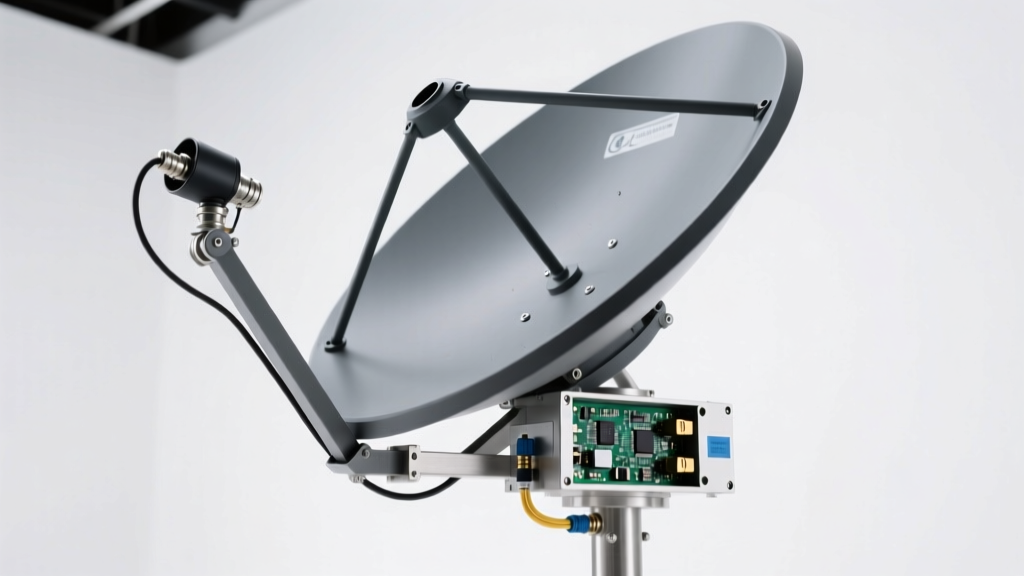
Types of Infrared Metal Detectors
An infrared metal detector is an advanced sensing device that combines infrared technology with metal detection capabilities to identify metallic objects in various environments. Unlike traditional electromagnetic metal detectors, these systems use infrared radiation to detect thermal and reflective anomalies caused by metal presence, making them highly effective in industrial, security, and exploration applications. Understanding the different types of infrared metal detectors helps users choose the most suitable model based on sensitivity, range, durability, and intended use.
Handheld Infrared Metal Detectors
Compact, portable devices designed for precision scanning in confined or hard-to-reach areas such as walls, floors, and small industrial setups.
Advantages
- Lightweight and easy to maneuver
- Ideal for indoor inspections and building maintenance
- Features digital readout for instant feedback
- High accuracy in detecting hidden metal (e.g., pipes, wires)
Limitations
- Limited detection depth
- Battery-dependent operation
- Less effective in large-scale scanning
Best for: Construction inspections, HVAC technicians, electricians, and home renovations
Industrial Infrared Metal Detectors
Heavy-duty systems integrated into production lines to monitor raw materials for metallic contaminants in high-throughput environments.
Advantages
- Automated scanning of moving materials
- Real-time alert systems (visual/audible)
- Prevents equipment damage and ensures product safety
- Used in food processing, mining, and recycling industries
Limitations
- High initial investment
- Requires professional installation and calibration
- Needs regular maintenance for optimal performance
Best for: Manufacturing plants, quality control, food safety compliance, and material processing
Tunnel Metal Detectors
Specially engineered for underground and tunnel environments, these detectors provide precise location and depth analysis of buried metallic structures.
Advantages
- Accurate depth and position mapping
- Detects buried pipes, cables, and reinforcement bars
- Enhances safety in excavation and construction
- Reduces risk of accidental damage during digging
Limitations
- Performance affected by soil composition and moisture
- Limited portability due to size and setup requirements
- May require trained personnel for interpretation
Best for: Civil engineering, utility mapping, tunnel construction, and infrastructure maintenance
Geophysical Metal Detectors
Advanced field instruments used in outdoor exploration to locate subterranean metals and geological formations using infrared and multi-spectral sensing.
Advantages
- Weather-resistant and rugged design
- Effective in mining, archaeology, and treasure hunting
- Maps large areas efficiently
- Capable of identifying both ferrous and non-ferrous metals
Limitations
- Higher cost for professional-grade models
- Sensitive to environmental interference (e.g., rocks, moisture)
- Steeper learning curve for data interpretation
Best for: Archaeological surveys, mineral exploration, geological research, and outdoor treasure detection
Security Metal Detectors
Widely deployed in high-traffic public areas, these systems use infrared-enhanced sensors to detect concealed metallic threats quickly and reliably.
Advantages
- Fast and non-invasive screening process
- Detects a wide range of metal objects—from tools to weapons
- Integrated with alarm systems and surveillance
- Used in airports, government buildings, and event venues
Limitations
- May produce false alarms from benign metal items
- Requires trained operators for optimal use
- Less effective with non-metallic threats
Best for: Public safety, law enforcement, border control, and crowd management
| Detector Type | Primary Use | Mobility | Sensitivity | Environment |
|---|---|---|---|---|
| Handheld | Indoor inspection | High | Medium-High | Buildings, walls, floors |
| Industrial | Contamination control | Fixed | Very High | Factories, production lines |
| Tunnel | Underground mapping | Medium | High | Tunnels, construction sites |
| Geophysical | Exploration | High | High | Outdoor, rugged terrain |
| Security | Threat detection | Fixed/Mobile | Very High | Airports, public venues |
Expert Tip: For optimal performance, always calibrate infrared metal detectors according to the environment—especially in areas with high electromagnetic interference or varying temperatures. Regular calibration ensures accurate readings and extends the device’s lifespan.
Choosing the right type of infrared metal detector depends on your specific needs—whether it's precision in tight spaces, durability in harsh conditions, or speed in security screening. By understanding the strengths and limitations of each type, professionals across industries can enhance safety, efficiency, and accuracy in their operations.
Commercial Value of Infrared Metal Detectors Across Industries
Infrared metal detectors have become indispensable tools across a wide range of industries due to their ability to enhance safety, improve operational efficiency, and reduce costs. By accurately identifying metallic contaminants or locating buried metal components, these advanced detection systems help prevent equipment damage, ensure regulatory compliance, and protect consumer health. Their integration into production and operational workflows leads to reduced downtime, lower maintenance expenses, and increased productivity—making them a smart investment for businesses aiming to maintain high standards and maximize profitability.
Key Benefits Driving Commercial Value
Food Industry
In the food processing sector, infrared metal detectors are essential for ensuring product safety and meeting stringent food safety regulations such as HACCP and FDA standards. These systems detect even microscopic metal fragments—such as stainless steel, iron, or aluminum—that may have entered the production line from machinery wear, packaging, or raw ingredients.
By identifying contaminants before packaging, manufacturers prevent costly product recalls, protect brand reputation, and avoid legal liabilities. The high-speed scanning capability of modern detectors allows seamless integration into fast-moving production lines without disrupting throughput, making them a critical component of quality assurance protocols.
Pharmaceutical Industry
The pharmaceutical industry operates under extremely strict quality control standards, where even the smallest metal contaminant can compromise drug safety and efficacy. Infrared metal scanners are used during various stages of production—from raw material inspection to final tablet or capsule packaging—to detect metallic impurities introduced via grinding equipment, conveyors, or mixing vessels.
These detectors ensure compliance with Good Manufacturing Practices (GMP) and international pharmacopeia guidelines. Given the high stakes involved—potential harm to patients and regulatory penalties—metal detection is a non-negotiable step in maintaining product purity and consumer trust. Automated systems also provide audit trails and data logging for traceability and quality reporting.
Construction and Hoisting
In construction environments, infrared metal detectors are used to locate rebar, electrical conduits, and other embedded metals within concrete structures before drilling, cutting, or demolition. This prevents accidental damage to structural elements and protects workers from hazardous situations such as sparks, tool breakage, or electrocution.
By enabling precise mapping of hidden metal components, these detectors increase job site efficiency and reduce costly delays. They are especially valuable in renovation projects and high-risk zones like bridges, tunnels, and high-rise buildings. Integration with digital imaging tools further enhances accuracy, supporting safer and more informed decision-making on-site.
Recycling Facilities
Recycling centers rely heavily on infrared metal detectors to sort and recover valuable metals from mixed waste streams. These systems can distinguish between ferrous (iron-based) and non-ferrous metals (such as aluminum, copper, and brass), including items like beverage cans, electronic scrap, and mixed packaging.
By automating the separation process, facilities achieve higher recovery rates, reduce contamination in output materials, and improve the purity of recycled commodities. This translates into increased revenue from higher-quality recyclables and reduced reliance on virgin resource extraction. The technology also supports sustainability goals by lowering energy consumption and carbon emissions associated with mining and refining new metals.
Mining and Exploration
In the mining industry, infrared and electromagnetic metal detection technologies are used to locate subsurface deposits of precious and base metals such as gold, silver, copper, and nickel. These systems allow explorers to conduct non-invasive surveys over large areas, significantly reducing the need for exploratory drilling and minimizing environmental disruption.
Detection accuracy and depth penetration have improved dramatically with advancements in sensor technology, enabling more targeted excavation efforts. This not only reduces operational costs but also increases return on investment by focusing resources on high-potential zones. In artisanal and small-scale mining, portable detectors provide an accessible entry point for resource discovery while promoting safer and more sustainable practices.
Security and Public Safety
Although not explicitly mentioned in the original text, infrared and advanced metal detection systems play a vital role in security applications—including airports, government buildings, schools, and event venues. They are used to detect concealed weapons, tools, or prohibited metallic items, enhancing public safety and threat prevention.
Modern systems combine infrared sensing with multi-zone electromagnetic detection and AI-assisted analytics to reduce false alarms and improve detection accuracy. Their integration into smart security networks allows real-time monitoring and rapid response, making them a cornerstone of modern security infrastructure.
| Industry | Primary Use Case | Commercial Impact |
|---|---|---|
| Food Processing | Contaminant detection in raw and packaged goods | Prevents recalls, ensures compliance, protects brand integrity |
| Pharmaceuticals | Purity assurance in drug manufacturing | Avoids health risks, meets GMP standards, reduces liability |
| Construction | Locating rebar and conduits in concrete | Improves safety, prevents equipment damage, saves time |
| Recycling | Sorting and recovering ferrous/non-ferrous metals | Increases profitability, supports circular economy |
| Mining | Locating underground metal deposits | Reduces exploration costs, improves yield, minimizes environmental impact |
Important: While "infrared metal detectors" are referenced, it's important to clarify that most industrial metal detection systems rely on electromagnetic induction or X-ray technology rather than infrared sensing. True infrared systems detect heat signatures and are not typically used for metal detection. However, advanced hybrid systems may integrate infrared sensors for temperature monitoring alongside metal detection for comprehensive process control. Always verify the appropriate technology for your specific application to ensure optimal performance and safety.
Product Specifications and Features of Infrared Metal Detectors
Suppliers on Alibaba.com offer a wide range of infrared metal detectors with advanced specifications and specialized features tailored to diverse industrial, commercial, and security applications. Understanding the key technical parameters and functional capabilities is essential for selecting the most suitable detector based on your operational requirements, environment, and detection goals.
Detection Sensitivity
Detection sensitivity is one of the most critical performance metrics for any metal detector. It refers to the device’s ability to identify small or low-conductivity metallic contaminants. High-sensitivity models can detect minute particles—such as fine metal shavings, broken needles, or tiny wire fragments—as small as 0.1 mm in diameter, making them ideal for quality control in food processing, pharmaceuticals, and electronics manufacturing.
- Ultra-sensitive detectors use advanced signal processing to minimize false positives while maximizing detection accuracy
- Adjustable sensitivity settings allow users to fine-tune performance based on product type (e.g., wet, dry, or conductive materials)
- Lower sensitivity units are sufficient for detecting large metal objects in logistics, recycling, or construction sites
Key insight: Higher sensitivity often requires better electromagnetic shielding to avoid interference from surrounding equipment.
Detection Depth
Detection depth defines how far beneath a surface—such as soil, concrete, packaging, or conveyor belts—the metal detector can effectively locate metallic objects. This specification varies significantly depending on the technology used (e.g., pulse induction vs. very low frequency) and the size and composition of the target metal.
- Industrial inline detectors can penetrate up to 150mm into packaged goods or bulk materials
- Underground search models may detect coins at 6 inches or larger objects at depths exceeding 12 inches
- Surface-level inspection systems (like those in food lines) focus on shallow but precise detection within sealed containers
Application note: Depth capability must be balanced with precision—deeper scanning may reduce resolution for small contaminants.
Conveyor Belt Integration
Many industrial infrared metal detectors are designed for seamless integration into automated production lines via conveyor belt systems. These detectors are mounted above or around the belt to continuously monitor products as they pass through, enabling real-time contamination detection without slowing down operations.
- Ideal for high-throughput environments such as food processing plants, packaging facilities, and mining operations
- Equipped with automatic rejection mechanisms (e.g., air blasts or push arms) to remove contaminated items instantly
- Supports 24/7 operation with minimal human intervention, improving consistency and reducing labor costs
- Compatible with various belt widths and speeds, often featuring digital synchronization for optimal timing
Efficiency benefit: Integrated systems reduce downtime and enhance traceability with data logging and alarm outputs.
Portability
Portable metal detectors—especially handheld and walk-through models—offer flexibility for on-site inspections, security screening, and fieldwork. Lightweight designs with ergonomic handles and battery-powered operation make them easy to transport and use across multiple locations.
- Handheld units are widely used in security checkpoints, construction quality audits, and archaeological surveys
- Water-resistant and ruggedized versions support use in harsh environments, including outdoor, marine, and industrial settings
- Compact size allows access to confined spaces like machinery housings, pipelines, or vehicle interiors
- Some models include telescopic stems or articulating search heads for improved reach and maneuverability
Field advantage: Portability enables rapid deployment for emergency inspections or temporary installations.
Power Source and Longevity
The power system directly impacts operational uptime, maintenance needs, and suitability for remote or mobile applications. Modern detectors come with various power options, from standard AC adapters to rechargeable lithium-ion batteries and solar-compatible systems.
- High-capacity batteries can provide 8–12 hours of continuous use, ideal for field technicians and inspectors
- Energy-efficient circuitry extends battery life and reduces heat generation during prolonged use
- Detectors used in fixed installations often run on direct power with backup battery support for uninterrupted monitoring
- Low-power warning indicators and auto-shutdown features help prevent unexpected shutdowns
Reliability tip: Choose models with replaceable or swappable batteries for extended missions without recharging.
Additional Key Features
Beyond core specifications, modern infrared metal detectors include advanced functionalities that enhance usability, accuracy, and integration potential.
- Display & Interface: LCD or touchscreen displays show real-time data, detection logs, and diagnostic alerts
- Connectivity: RS-485, USB, or wireless (Wi-Fi/Bluetooth) options enable remote monitoring and integration with SCADA/MES systems
- Environmental Resistance: IP65-rated enclosures protect against dust, moisture, and washdown conditions in food and chemical plants
- Self-Diagnostics: Built-in calibration and fault detection ensure consistent performance over time
- Metal Discrimination: Advanced models can differentiate between ferrous, non-ferrous, and stainless steel metals
Pro insight: Look for detectors with software upgradability to future-proof your investment.
Expert Recommendation: When selecting an infrared metal detector, prioritize application-specific performance over generic features. For example, a food processing plant should emphasize hygiene design (stainless steel housing, easy-clean surfaces), high sensitivity, and conveyor integration. In contrast, a construction or security team may value portability, battery life, and durability. Always verify compliance with industry standards such as ISO 22307 (food safety) or CE, FCC, and RoHS for global usability.
| Application | Recommended Sensitivity | Integration Type | Power Option |
|---|---|---|---|
| Food Processing Line | High (detects <1mm particles) | Conveyor-integrated | AC with battery backup |
| Pharmaceutical Packaging | Ultra-high (sub-millimeter) | In-line automated | Direct power |
| Security Screening | Medium to high | Walk-through or handheld | Rechargeable battery |
| Construction & Inspection | Adjustable (surface to mid-depth) | Portable/handheld | Swappable batteries |
| Recycling & Mining | Low to medium (large object focus) | Bulk material conveyor | Industrial AC/DC |
Final Selection Tips
- Calibration & Maintenance: Opt for detectors with easy calibration procedures and accessible service points to reduce downtime
- User Training: Choose models with intuitive interfaces and clear documentation to minimize training time
- Warranty & Support: Reputable suppliers offer at least 1–2 years of warranty and technical support for troubleshooting
- Customization: Some manufacturers provide tailored solutions for unique tunnel sizes, belt speeds, or environmental conditions
- Testing Sample Units: Request demo units or video demonstrations to evaluate real-world performance before bulk purchasing
How To Choose the Right Infrared Metal Detector for Your Industry
Selecting the appropriate infrared metal detector is a crucial decision that directly impacts operational efficiency, product quality, and safety standards. These advanced detection systems are used across various industries—from food manufacturing and pharmaceuticals to construction and mining—to identify metallic contaminants or locate hidden metal structures. With numerous models offering different capabilities, choosing the right one requires a strategic evaluation of your specific needs. This comprehensive guide outlines the five most important factors to consider when selecting an infrared metal detector, helping you make an informed investment that delivers long-term value.
Important Note: While commonly referred to as "infrared" metal detectors, most industrial models actually use electromagnetic field technology (such as inductive coils or pulse induction) rather than infrared light. True infrared sensors detect heat signatures and are not typically used for metal detection. Ensure you're selecting a device based on electromagnetic detection principles for reliable metal identification.
1. Nature of the Business and Industry Requirements
The primary factor in selecting a metal detector is understanding the specific demands of your industry and operational environment. Different sectors have unique challenges and compliance standards that influence the type of equipment needed.
- Food Processing: Requires high-sensitivity detectors with hygienic designs (stainless steel housing, IP69K rating) that seamlessly integrate into production lines and conveyor systems. These must detect even minute metal fragments (down to 0.3mm) without false positives from moisture or salt content.
- Pharmaceuticals: Needs precision detectors compliant with GMP (Good Manufacturing Practice) and capable of identifying metallic impurities in powders, tablets, and liquids without disrupting sterile environments.
- Construction: Benefits from portable, rugged handheld or ground-penetrating models designed to scan walls, floors, and concrete for rebar, conduits, or pipes before drilling or cutting.
- Recycling Facilities: Use wide-aperture detectors capable of scanning mixed materials at high speed to separate ferrous and non-ferrous metals efficiently.
Choosing a detector tailored to your business ensures maximum performance, regulatory compliance, and safety.
2. Detection Capabilities and Sensitivity
Detection performance is determined by sensitivity, depth penetration, and the ability to distinguish between different types of metals. Understanding these capabilities helps match the detector to your operational challenges.
- Sensitivity Level: Measured by the smallest detectable metal particle (e.g., ferrous, non-ferrous, stainless steel). High-precision industries like food and electronics require sub-millimeter detection accuracy.
- Depth Range: For underground or embedded metal detection (e.g., in mining or utility work), look for models with deep scanning capabilities—some advanced systems can detect metals up to several feet below the surface.
- Metal Discrimination: Advanced detectors can differentiate between types of metals (ferrous vs. non-ferrous), reducing false alarms and improving sorting efficiency.
- Environmental Tolerance: Some detectors are designed to operate in extreme temperatures, wet conditions, or electrically noisy environments without signal interference.
Always verify the detector’s specifications against your most demanding use cases to ensure reliability under real-world conditions.
3. Budget Considerations and Total Cost of Ownership
Budget is a key consideration, but it should be evaluated in terms of long-term value rather than just upfront cost. Metal detectors vary widely in price—from a few hundred dollars for basic handheld units to tens of thousands for automated industrial systems.
- Entry-level models may suffice for small operations or occasional use but often lack durability and advanced features.
- Premium systems offer higher accuracy, better integration with automation, remote monitoring, and data logging—critical for quality control and traceability.
- Consider the total cost of ownership, including maintenance, calibration, software updates, and potential downtime costs due to false rejects or missed contaminants.
A well-chosen detector, even if more expensive initially, can significantly reduce waste, prevent product recalls, and enhance brand reputation—ultimately paying for itself over time.
4. Scalability and Future-Proofing
As your business grows, your detection needs may evolve. Selecting a scalable system ensures your investment remains effective in the long term.
- Modular detectors allow for future upgrades such as additional sensors, networking capabilities, or integration with SCADA or ERP systems.
- Conveyor-based systems should support increased line speeds or wider product lanes as production scales.
- Software-upgradable models can adapt to new detection algorithms or compliance requirements without hardware replacement.
Ask manufacturers about upgrade paths and compatibility with future expansions to avoid premature obsolescence.
5. Ease of Use and Operator Training
No matter how advanced a metal detector is, its effectiveness depends on consistent and correct use by operators. A user-friendly interface minimizes errors and maximizes uptime.
- Look for models with intuitive touchscreen displays, clear visual/audio alerts, and simple menu navigation.
- Onboard diagnostics and self-calibration features reduce the need for specialized technicians.
- Detectors with multilingual interfaces support diverse workforces and global operations.
- Quick setup wizards and preset detection modes streamline changeovers for different product types.
Investing in easy-to-use equipment reduces training time, lowers error rates, and enhances overall productivity across shifts and teams.
| Industry | Recommended Detector Type | Key Features Needed | Example Use Case |
|---|---|---|---|
| Food Processing | Conveyor-Based Metal Detector | High sensitivity, washdown design, product effect compensation | Detecting metal fragments in packaged snacks on a high-speed line |
| Construction | Handheld Wall Scanner | Rebar detection, depth gauge, AC wire warning | Locating embedded steel before drilling into concrete walls |
| Mining & Exploration | Ground Penetrating Metal Locator | Deep detection, GPS integration, mineral discrimination | Identifying underground metal deposits or buried relics |
| Manufacturing | Inline Inspection System | Automated rejection, data logging, network connectivity | Ensuring metal-free components in automotive assembly |
| Security & Access Control | Walk-Through or Handheld Scanner | Fast response, alarm customization, portability | Screening personnel for concealed weapons at facility entrances |
Expert Tip: Always request a live demonstration or trial period with the metal detector in your actual operating environment. This allows you to evaluate its performance under real conditions, test integration with existing systems, and assess operator feedback before making a final purchase decision.
Final Recommendations
- Consult with experienced suppliers who understand your industry’s regulatory and technical requirements.
- Verify certifications such as CE, IP ratings, or FDA compliance where applicable.
- Ensure the manufacturer offers reliable technical support, training, and spare parts availability.
- Document all detector performance metrics and maintenance schedules for quality audits and continuous improvement.
- Regularly calibrate and test the system using standard test samples to maintain detection accuracy.
Choosing the right metal detector isn't just about finding a tool—it's about investing in quality assurance, workplace safety, and operational excellence. By carefully evaluating your business needs, detection requirements, budget, scalability, and usability, you can select a system that delivers consistent, reliable performance for years to come.
Frequently Asked Questions About Infrared Metal Detectors
Q1: What is the working principle of an infrared metal detector?Infrared metal detectors operate by emitting infrared radiation and analyzing the reflection patterns to detect the presence of metallic materials. When the infrared beam encounters a metal object, it reflects back to the sensor due to the high reflectivity of metals. The detector's receiver captures this reflected signal, and internal circuitry processes the change in wavelength, intensity, or timing to identify the presence of metal.
Advanced models are equipped with tunable sensors that can be calibrated to detect specific types of metals—such as stainless steel, aluminum, or ferrous alloys—by adjusting sensitivity thresholds and filtering out non-target materials. This selective detection capability makes infrared metal detectors highly effective in precision applications where identifying a particular metal is critical, such as in quality control or security screening.
It's important to note that while infrared technology is excellent for surface-level or near-surface detection, it may not penetrate deeply into dense materials, making it best suited for controlled environments rather than deep-ground scanning.
Q2: Who needs to use an infrared metal detector?Infrared metal detectors serve a wide range of industries due to their non-invasive and rapid detection capabilities. Key users include:
- Food and Pharmaceutical Industries: Used to ensure product safety by detecting metal contaminants in food products, pills, or packaging before they reach consumers.
- Construction and Demolition: Helps locate metal reinforcement bars (rebar), pipes, or wires embedded in concrete walls, floors, or structures to prevent accidental damage during drilling or cutting.
- Recycling Facilities: Enables efficient sorting of ferrous and non-ferrous metals from mixed waste streams, improving material recovery rates and purity.
- Security and Event Management: Deployed at airports, stadiums, and public venues to screen individuals for concealed metallic weapons or contraband without physical contact.
- Manufacturing and Quality Control: Integrated into production lines to monitor raw materials and finished goods for unwanted metal fragments.
These detectors play a crucial role in enhancing safety, maintaining regulatory compliance, and improving operational efficiency across diverse sectors.
Q3: How does the infrared metal detector help the food industry?In the food industry, ensuring product purity is paramount, and infrared metal detectors provide a fast, reliable method for identifying metallic contaminants during processing. These systems are typically installed at critical control points along the production line—before packaging—to scan products continuously and in real time.
When metal is detected, the system automatically triggers alerts or activates rejection mechanisms to remove contaminated items, preventing them from entering the supply chain. This proactive approach significantly reduces the risk of consumer harm and protects brand reputation.
Regulatory bodies like the U.S. Food and Drug Administration (FDA) and international food safety standards (e.g., HACCP, ISO 22000) strongly recommend or require metal detection as part of hazard analysis and critical control point programs. By catching contamination early, companies avoid costly product recalls, legal liabilities, and loss of consumer trust. Additionally, modern infrared-based systems offer high sensitivity, minimal false positives, and seamless integration with automated production lines, making them indispensable in modern food safety protocols.
Q4: How do infrared metal detectors affect mining operations?While traditional ground-penetrating metal detectors are more common in mining, infrared-based systems are increasingly used in surface monitoring and sorting applications. In mining operations, infrared technology aids in identifying surface-level metal deposits or detecting metallic debris in extracted ores before further processing.
By pinpointing areas with high metal concentration, infrared detectors help reduce unnecessary excavation, saving time, labor, and fuel costs. This targeted approach minimizes environmental disruption and supports sustainable mining practices by limiting the footprint of exploration activities.
Additionally, infrared sensors can be integrated into conveyor systems to monitor ore quality in real time, automatically separating valuable metals from waste rock. This improves processing efficiency and reduces wear on downstream equipment caused by stray metal fragments.
Although infrared detectors are not typically used for deep underground prospecting, their role in surface analysis, safety monitoring, and post-extraction sorting continues to grow as sensor technology advances.
Q5: What are the considerations for choosing an infrared metal detector for a recycling facility?Selecting the right infrared metal detector for a recycling facility involves evaluating several key factors to ensure optimal performance, reliability, and integration:
| Consideration | Description |
|---|---|
| Material Compatibility | The detector must effectively identify the types of metals processed—such as aluminum, copper, steel, or stainless steel—while ignoring non-metallic materials like plastic, glass, or paper. |
| Throughput Capacity | It should handle the volume and speed of materials on the conveyor belt without causing bottlenecks or missing detections. |
| Integration Capability | The system must be compatible with existing sorting equipment, control systems, and automation software for smooth operation. |
| Detection Sensitivity | High sensitivity ensures even small metal fragments are caught, improving the purity of recycled output. |
| Environmental Durability | Must withstand harsh conditions like dust, moisture, vibration, and temperature fluctuations common in recycling plants. |
| Maintenance & Serviceability | Easy access for cleaning, calibration, and repairs reduces downtime and operational disruptions. |
| Cost vs. ROI | Balancing upfront investment with long-term savings from improved yield, reduced contamination, and lower labor costs. |
By carefully assessing these criteria, recycling facilities can choose a system that maximizes efficiency, ensures high-quality output, and supports sustainable material recovery goals.