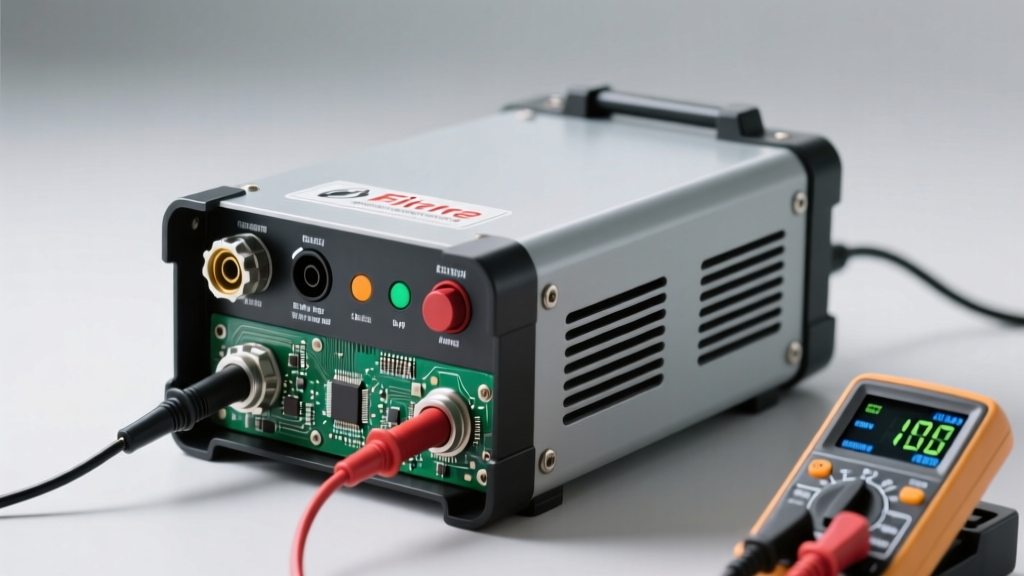
Types of High-Impact Connectors
A high-impact connector is a specialized electrical or mechanical component designed to maintain secure, reliable connections under extreme environmental and operational conditions. These connectors are engineered to withstand vibrations, temperature fluctuations, moisture, shock, and corrosion, making them essential in industries where failure is not an option. From automotive engines to deep-sea navigation systems, high-impact connectors ensure uninterrupted performance in mission-critical applications.
Automotive High-Performance Connectors
Engineered for reliability in the demanding environment of modern vehicles, these connectors are vital for engine control units, braking systems, transmission modules, and advanced driver-assistance systems (ADAS). They are built to endure constant vibration, wide temperature ranges (-40°C to +150°C), and exposure to oils and road chemicals.
Advantages
- Resistant to engine vibrations and thermal cycling
- Lightweight design minimizes impact on vehicle efficiency
- High mating cycle durability for long-term reliability
- Sealed against dust and moisture (IP67/IP69K ratings common)
Limitations
- Limited to moderate pressure environments
- May require specialized tools for installation
- Sensitive to improper handling or contamination
Best for: Engine bays, transmission systems, EV battery packs, and safety-critical automotive electronics
Aerospace High-Impact Connectors
Used in aircraft avionics, flight control systems, and satellite communications, these connectors are designed for extreme reliability in high-altitude and space environments. They must function flawlessly under rapid pressure changes, intense radiation, and severe thermal gradients while occupying minimal space.
Advantages
- Exceptional resistance to thermal expansion and contraction
- Lightweight yet robust construction (often titanium or aluminum alloys)
- Hermetic sealing prevents gas leakage at high altitudes
- EMI/RFI shielding for signal integrity in sensitive systems
Limitations
- High manufacturing and certification costs
- Stringent installation and maintenance protocols
- Limited availability due to specialized design requirements
Best for: Flight control systems, radar, navigation units, and onboard communication networks
Industrial-Grade Connectors
Deployed in factories, power plants, and heavy machinery, these rugged connectors are built to survive harsh industrial environments. They resist dust, water, oil, and mechanical shock, ensuring uninterrupted operation in automation systems, robotics, and construction equipment.
Advantages
- High ingress protection (IP68 and higher)
- Durable metal or reinforced polymer housings
- Vibration and impact resistant for moving machinery
- Bright color coding for quick identification and safety
Limitations
- Heavier than standard connectors
- May require more space due to robust housing
- Potential for galvanic corrosion in mixed-material setups
Best for: Manufacturing lines, mining equipment, cranes, and outdoor industrial systems
Military-Grade Connectors
Designed to meet rigorous defense standards (MIL-DTL-38999, MIL-STD-810), these connectors are built for battlefield reliability. They endure extreme temperatures, sand, mud, salt spray, and repeated shock impacts, making them ideal for communication systems, radar, and tactical vehicles.
Advantages
- Superior resistance to environmental stressors
- Secure locking mechanisms prevent accidental disconnection
- Corrosion-resistant materials like brass and specialized polymers
- Operational in temperatures from -65°C to +200°C
Limitations
- High cost due to stringent testing and materials
- Bulkier design compared to commercial equivalents
- Restricted availability and export controls
Best for: Defense electronics, secure comms, armored vehicles, and field-deployable systems
Marine High-Impact Connectors
Specifically engineered for maritime environments, these connectors resist saltwater corrosion, UV degradation, and constant humidity. Used in shipboard navigation, sonar, communication, and propulsion systems, they feature watertight seals and non-magnetic properties where required.
Advantages
- Excellent corrosion resistance (stainless steel, nickel-plated brass)
- Waterproof gaskets and seals (IP68/IP69K rated)
- UV-stable housings for prolonged sun exposure
- Non-magnetic options available for naval applications
Limitations
- Requires regular inspection in saltwater environments
- Higher cost due to premium materials
- Potential for biofouling if not properly maintained
Best for: Commercial shipping, naval vessels, offshore platforms, and underwater systems
| Connector Type | Key Materials | Environmental Resistance | Typical Applications | Durability Rating |
|---|---|---|---|---|
| Automotive | Reinforced Plastics, Metal Alloys | Vibration, Heat, Dust, Moisture | Engine, Brakes, EV Systems | High |
| Aerospace | Titanium, Aluminum, High-Temp Polymers | Pressure, Radiation, Thermal Cycling | Avionics, Flight Control | Very High |
| Industrial | Industrial Plastics, Steel, Brass | Dust, Water, Oil, Impact | Machinery, Automation | Very High |
| Military | Brass, Special Polymers, Stainless Steel | Shock, Water, Sand, Extreme Temp | Defense, Comms, Tactical Gear | Extreme |
| Marine | Stainless Steel, Nickel-Plated Brass | Saltwater, UV, Humidity | Navigation, Communication, Propulsion | Very High |
Expert Tip: When selecting high-impact connectors, always verify the IP (Ingress Protection) rating and compliance with industry-specific standards (e.g., MIL-DTL, SAE, IEC) to ensure compatibility with your operational environment and safety requirements.
Material & Durability of High-Impact Connectors
High-impact connectors are essential in demanding environments where reliability, resilience, and consistent performance are critical. These connectors are engineered to maintain secure electrical or mechanical connections under extreme conditions such as physical shock, vibration, temperature fluctuations, and exposure to moisture or corrosive elements. The choice of materials and construction techniques directly influences their durability and operational lifespan.
Core Materials Used in High-Impact Connectors
The performance of a high-impact connector is fundamentally tied to its material composition. Each component—housing, contacts, shielding, and seals—is selected for specific mechanical, thermal, and electrical properties. Below is a detailed breakdown of the primary materials used and their roles:
Reinforced Plastics
Reinforced thermoplastics, particularly polycarbonate and nylon composites, form the backbone of many high-impact connector housings. These materials offer an exceptional strength-to-weight ratio, making them ideal for applications where weight reduction is crucial without sacrificing toughness.
Polycarbonate, for instance, is known for its high impact resistance and optical clarity, allowing for visual inspection of internal components. When reinforced with glass fibers or carbon additives, these plastics gain enhanced rigidity and thermal stability, enabling them to withstand mechanical stress and repeated mating cycles.
Metal Alloys
For applications requiring superior structural integrity and thermal conductivity, metal alloys such as aluminum and titanium are commonly employed. Aluminum provides excellent strength while remaining lightweight, making it ideal for aerospace, automotive, and military-grade connectors.
Titanium, though more expensive, offers extraordinary resistance to corrosion and maintains its mechanical properties at elevated temperatures. Its use is often reserved for extreme environments such as deep-sea exploration, jet engines, or space systems where failure is not an option.
Corrosion-Resistant Coatings
To protect against environmental degradation, many high-impact connectors utilize base metals like brass or stainless steel, which are then coated with nickel, gold, or zinc plating. These coatings act as a barrier against moisture, salt spray, and chemical exposure.
Nickel plating, for example, enhances wear resistance and prevents galvanic corrosion between dissimilar metals. Gold plating is often used on contact surfaces due to its excellent conductivity and resistance to oxidation—even in humid or marine environments—ensuring long-term signal integrity.
Conductive Materials
The internal contacts of high-impact connectors are typically made from copper or brass due to their superior electrical conductivity. Copper offers the second-highest conductivity after silver and is widely used in power and signal transmission applications.
Brass, an alloy of copper and zinc, provides a balanced mix of conductivity, strength, and machinability. Contacts are often plated to prevent oxidation and reduce contact resistance, ensuring minimal signal loss and consistent performance over thousands of connection cycles.
Durability Features of High-Impact Connectors
Beyond material selection, the design and engineering of high-impact connectors incorporate several durability-focused features that ensure reliable operation in harsh conditions. These attributes are rigorously tested and validated to meet industry standards such as IP67, MIL-STD, or ISO 16750.
| Feature | Key Benefit | Common Applications |
|---|---|---|
| Reinforced Plastic Housing | Lightweight with high impact resistance | Consumer electronics, robotics, portable devices |
| Aluminum/Titanium Alloy | High strength-to-weight ratio and thermal stability | Aerospace, defense, racing vehicles |
| Gold-Plated Copper Contacts | Superior conductivity and oxidation resistance | Medical devices, telecommunications, avionics |
| IP67/IP68 Sealing | Protection against dust and immersion in water | Marine systems, outdoor lighting, subsea equipment |
Important: Always verify the environmental ratings and material specifications of high-impact connectors before deployment. Using an improperly rated connector in harsh conditions can result in system failure, safety hazards, or costly downtime. Regular inspection and cleaning can extend service life and maintain optimal performance, especially in corrosive or high-vibration settings.
Commercial Value of High Impact Connectors
High-impact connectors have emerged as essential components in modern industrial and technological applications, delivering unmatched performance in environments where standard connectors would fail. Their ability to maintain secure, reliable electrical connections under extreme mechanical stress, temperature fluctuations, and exposure to contaminants makes them indispensable across critical industries. As global infrastructure becomes more complex and performance demands rise, the commercial value of high-impact connectors continues to grow.
Wide Applications Across Industries
High-impact connectors are engineered for versatility and durability, enabling their use in a broad range of demanding sectors. Their robust design ensures uninterrupted connectivity even in the harshest operating conditions.
- Automotive: Used in engine control units, sensors, and transmission systems where vibration resistance and thermal stability are crucial for vehicle reliability and safety.
- Aerospace: Employed in avionics, navigation, and communication systems due to their lightweight construction and ability to withstand extreme altitudes, pressure changes, and turbulence.
- Manufacturing: Integrated into industrial automation and robotics to maintain signal integrity amid constant mechanical vibrations, reducing unplanned downtime.
- Military & Defense: Critical for field communications, radar systems, and armored vehicles where mission-critical operations depend on zero-failure connectivity.
- Marine: Resistant to saltwater corrosion and wave impact, these connectors ensure reliable power and data transmission on ships, offshore platforms, and subsea equipment.
Market Insight: The expansion of electric vehicles, autonomous systems, and smart manufacturing is driving increased integration of high-impact connectors in next-generation technologies.
Superior Reliability in Harsh Environments
One of the primary drivers of commercial value is the exceptional reliability of high-impact connectors. They are specifically designed to endure mechanical shocks, constant vibrations, wide temperature ranges, and environmental exposure without degradation in performance.
- Constructed from reinforced polymers, stainless steel, or aluminum alloys that resist deformation and corrosion.
- Equipped with precision-machined contacts and gold-plated terminals to ensure consistent conductivity over time.
- Tested to military-grade standards (e.g., MIL-DTL-38999) and IP67/IP68 ratings for dust and water resistance.
- Proven to maintain performance in temperatures ranging from -55°C to +200°C, depending on configuration.
Key Advantage: Reduced system failures translate into lower maintenance costs and higher uptime—critical for operations in remote or high-risk environments.
Enhanced Operational Efficiency
High-impact connectors contribute significantly to operational efficiency by streamlining installation, minimizing maintenance, and extending service life. This directly impacts productivity and cost-effectiveness across industrial applications.
- Quick-connect/disconnect mechanisms reduce assembly and repair times in production lines and field service scenarios.
- Durable locking systems (bayonet, threaded, or push-pull) prevent accidental disconnection during operation.
- Modular designs allow for easy upgrades and replacements without rewiring entire systems.
- Long-term durability reduces the frequency of replacements, lowering inventory and labor costs.
Efficiency Gain: In manufacturing plants, switching to high-impact connectors has been shown to reduce machine downtime by up to 30%, significantly improving throughput.
Improved Safety and Risk Mitigation
Safety is a paramount concern in industries such as aerospace, defense, and heavy manufacturing. High-impact connectors play a vital role in preventing electrical hazards and ensuring system integrity under stress.
- Hermetic seals and insulating materials prevent short circuits caused by moisture, dust, or chemical exposure.
- Secure contact retention eliminates arcing or intermittent connections that could lead to fire or equipment failure.
- Flame-retardant housings meet UL94 V-0 standards, reducing fire propagation risks in enclosed spaces.
- EMI/RFI shielding options protect sensitive electronics from interference in high-noise environments.
Compliance Benefit: These connectors help organizations meet OSHA, ISO, and IEC safety standards, avoiding regulatory penalties and enhancing workplace safety.
Strategic Recommendation: Businesses investing in high-impact connectors should consider total cost of ownership rather than upfront price. While initial costs may be higher than standard connectors, the long-term savings in maintenance, downtime reduction, and risk mitigation deliver substantial ROI—especially in mission-critical applications.
Surging Market Demand and Future Growth
The demand for high-impact connectors is accelerating due to technological advancements and evolving industry requirements. As systems become more interconnected and operate in increasingly challenging environments, the need for rugged, dependable connectivity grows.
- The global high-impact connector market is projected to grow at a CAGR of over 6% through 2030, driven by EVs, renewable energy systems, and defense modernization.
- Electric vehicles rely heavily on high-voltage, high-reliability connectors for battery packs and motor controllers.
- Offshore wind farms and solar tracking systems use these connectors to withstand outdoor exposure and mechanical stress.
- 5G infrastructure and IoT devices in industrial settings require compact yet durable connectors for continuous data transmission.
Growth Driver: The shift toward Industry 4.0 and smart infrastructure is creating new opportunities for high-performance interconnect solutions across sectors.
Competitive Advantage for Suppliers
Manufacturers and distributors offering high-impact connectors can position themselves as solution providers for critical infrastructure needs, gaining a strategic edge in the marketplace.
- Brands that emphasize testing, certification, and technical support build trust with engineering and procurement teams.
- Customization capabilities (e.g., pin configuration, cable length, shielding) enhance value for OEMs.
- Warranty-backed products with traceable quality control processes increase customer confidence.
- Partnerships with system integrators open doors to large-scale industrial and government contracts.
Market Positioning Tip: Highlight real-world case studies and performance data to demonstrate reliability and justify premium pricing.
| Industry | Primary Use Case | Key Connector Features | Commercial Benefit |
|---|---|---|---|
| Automotive (EV & ICE) | Battery systems, engine sensors, ADAS | Vibration-resistant, high-current capacity | Improved vehicle reliability and safety |
| Aerospace & Defense | Avionics, radar, communication systems | MIL-SPEC rated, EMI-shielded, lightweight | Mission-critical performance assurance |
| Industrial Automation | Robotics, PLCs, motor drives | Dust/waterproof, quick-connect, durable | Reduced production downtime |
| Marine & Offshore | Navigation, propulsion, subsea monitoring | Corrosion-resistant, pressure-sealed | Extended equipment lifespan in harsh conditions |
Additional Value Drivers
- Global Standards Compliance: Connectors meeting IEC, UL, and RoHS standards ensure international market access and regulatory approval.
- Environmental Durability: UV-resistant, non-outgassing materials make them suitable for outdoor and vacuum environments.
- Scalability: Available in multiple sizes and configurations, supporting everything from microelectronics to heavy-duty power transmission.
- Tech Integration: Compatibility with fiber optics and high-speed data protocols supports digital transformation in industrial systems.
- Sustainability: Long service life and recyclable materials contribute to lower environmental impact over the product lifecycle.
How To Choose High Impact Connectors: A Comprehensive Guide
Selecting the right high-impact connector is crucial for ensuring reliable, safe, and long-lasting performance in demanding environments. Whether used in industrial machinery, automotive systems, marine applications, or outdoor electronics, these connectors must withstand extreme conditions while maintaining signal integrity and electrical continuity. This guide provides a detailed breakdown of the key factors to consider when choosing a high-impact connector, helping you make an informed decision tailored to your specific application needs.
Safety & Reliability Note: Using substandard or incompatible connectors in critical systems can lead to equipment failure, data loss, or even safety hazards. Always prioritize quality and compatibility over cost savings, especially in mission-critical or high-stress environments.
Key Factors in Selecting High-Impact Connectors
- Material Durability: Choose connectors constructed from robust materials such as reinforced engineering plastics (e.g., PBT, nylon) or corrosion-resistant metal alloys (e.g., aluminum, stainless steel). These materials resist impact, UV degradation, and thermal expansion, ensuring structural integrity under mechanical stress and harsh operating conditions.
- Weather and Environmental Sealing: For outdoor, marine, or humid environments, select connectors with IP67 or higher ingress protection ratings. Features like silicone gaskets, rubber O-rings, and molded seals prevent moisture, dust, dirt, and salt spray from penetrating the connection point, protecting sensitive internal circuitry and reducing the risk of short circuits or corrosion.
- Vibration and Shock Resistance: In applications involving heavy machinery, vehicles, or construction equipment, connectors must endure constant vibration and sudden shocks. Look for designs with secure locking mechanisms—such as threaded couplings, bayonet locks, or latch systems—that prevent accidental disconnection and maintain stable electrical contact over time.
- Electromechanical Compatibility: Ensure the connector matches your system’s voltage, current, pin count, gender, and configuration requirements. Common types include circular connectors (M12, M23), rectangular D-subminiature, or ruggedized Ethernet (e.g., X-coded M12 for PoE). Misalignment in electrical specs can cause overheating, signal loss, or equipment damage.
- Cost vs. Quality Balance: While budget considerations are valid, never compromise on connector quality for critical applications. Low-cost connectors may use inferior contacts or thin plating, leading to poor conductivity and premature failure. Invest in reputable brands that offer proven reliability and longer service life, ultimately reducing downtime and replacement costs.
- Compliance with Industry Test Standards: High-impact connectors should meet recognized military (MIL-DTL-5015, MIL-DTL-38999) or industrial standards (IEC 61076, UL, RoHS). These certifications verify performance under rigorous testing for shock, vibration, temperature cycling, and environmental exposure—key indicators of durability and dependability.
- Ease of Installation and Maintenance: Consider connectors that are user-friendly and require minimal tools or training for assembly. Features like color-coded housings, keyway alignment guides, tactile locking feedback, and clear labeling reduce installation errors and speed up field repairs, even for less experienced technicians.
| Selection Criteria | Recommended Features | Common Applications | Standards to Look For |
|---|---|---|---|
| Material | Reinforced plastic, stainless steel, anodized aluminum | Industrial automation, aerospace, transportation | UL 94 V-0 (flame rating), ASTM D638 (tensile strength) |
| Sealing | IP67, IP68, IP69K ratings; double O-rings | Marine, outdoor telecom, agricultural machinery | IEC 60529 (IP code), MIL-STD-810 |
| Vibration Resistance | Threaded coupling, locking collars, strain relief | Construction equipment, rail systems, off-road vehicles | MIL-DTL-5015, IEC 60068-2-6 (vibration test) |
| Electrical Specs | Correct pin layout, current rating, shielding | Data transmission, power distribution, control systems | IEC 61076, TIA/EIA-455 |
| Installation | Tool-less assembly, polarized keys, visual indicators | Field deployment, emergency systems, modular setups | Manufacturer-specific guidelines, ISO 9001 |
Expert Tip: When in doubt, consult the connector manufacturer’s datasheets and application engineers. Many companies offer customization options and environmental testing reports to ensure compatibility with your specific operational demands.
Additional Selection Best Practices
- Always verify the operating temperature range (-40°C to +125°C is common for industrial use)
- Check for EMI/RFI shielding if used in high-noise electrical environments
- Consider future scalability—choose connectors that allow for upgrades or expanded pin configurations
- Inspect contact plating (gold, tin, or silver) for optimal conductivity and corrosion resistance
- Perform periodic inspections in the field to check for wear, looseness, or contamination
Choosing the right high-impact connector goes beyond basic connectivity—it’s about ensuring long-term reliability, safety, and performance under real-world stress. By carefully evaluating material strength, environmental protection, mechanical stability, and compliance with industry standards, you can significantly enhance the resilience of your electronic systems. Remember, a well-chosen connector not only protects your investment but also minimizes maintenance and prevents costly failures down the line.
Frequently Asked Questions About High-Impact Connectors
Q1: What is a high-impact connector?A high-impact connector is a specialized electrical component engineered to maintain a reliable and durable connection under extreme mechanical stress and harsh environmental conditions. Unlike standard connectors, these are built with reinforced materials such as ruggedized thermoplastics, metal housings, or corrosion-resistant alloys that resist shock, vibration, moisture, dust, and temperature fluctuations.
These connectors are commonly used in mission-critical applications across industries such as:
- Automotive: In engine control units, sensors, and transmission systems exposed to heat and vibration.
- Aerospace: For avionics, navigation systems, and communication equipment where failure is not an option.
- Industrial Machinery: In manufacturing robots, conveyors, and heavy equipment subjected to constant movement and physical strain.
- Computing & Data Systems: In ruggedized servers or outdoor network hardware requiring stable data transmission.
Their design ensures uninterrupted performance, minimizing downtime and enhancing safety in demanding environments.
Q2: When is a high-impact connector needed?High-impact connectors are essential in environments where standard connectors would degrade or fail prematurely. You should consider using them when your application involves any of the following conditions:
- Mechanical Shock: Frequent impacts or sudden movements, such as in construction vehicles or off-road equipment.
- Vibration: Continuous shaking from motors, engines, or rotating machinery that can loosen standard connections.
- Temperature Extremes: Operating in sub-zero cold or high-heat settings (e.g., engine bays, desert climates).
- Moisture & Dust Exposure: Outdoor installations, marine environments, or dusty industrial zones where IP-rated sealing is crucial.
- Heavy Load Cycles: Applications requiring repeated mating and unmating without loss of integrity.
They are particularly valuable in safety-critical systems where connection failure could lead to operational breakdowns, data loss, or even endanger lives.
Q3: How does one install a high-impact connector?Installing a high-impact connector is designed to be straightforward, even in confined or challenging spaces. Follow these best practices for proper installation:
- Align Components: Match the male and female ends carefully. Most high-impact connectors feature keyed designs to prevent incorrect insertion.
- Secure Connection: Push the connectors together until you feel a distinct click or tactile feedback, indicating full engagement.
- Lock Mechanism: Use the integrated locking feature—such as a twist-lock ring, bayonet coupling, or threaded collar—to firmly secure the connection and prevent accidental disconnection.
- Screw Terminals (if applicable): For wire termination, ensure conductors are stripped correctly and tightened to the manufacturer’s torque specifications to avoid overheating or signal loss.
- Strain Relief: Secure the cable with a strain relief clamp to protect the connection point from pulling or bending stress.
Always consult the manufacturer’s installation guide for model-specific instructions and environmental ratings (e.g., IP67, IP68) to ensure compatibility with your operating conditions.
Q4: How can one maintain a high-impact connector?Proper maintenance extends the life and reliability of high-impact connectors. Follow these steps to keep them in optimal condition:
- Regular Inspection: Check for visible damage such as cracks, deformation, corrosion, or worn locking mechanisms. Replace any compromised parts immediately.
- Cleaning: Use a soft, lint-free cloth slightly dampened with isopropyl alcohol or a mild electronic contact cleaner. Avoid abrasive pads or harsh solvents that could damage seals or plating.
- Corrosion Prevention: Apply a thin layer of dielectric grease or anti-corrosion compound on metal contacts to repel moisture and inhibit oxidation—especially in humid or marine environments.
- Handling: Minimize direct finger contact with contact pins to prevent oil and dirt transfer. Wear gloves when possible during installation or servicing.
- Cable Management: Trim frayed wires and use protective sleeves or conduit to shield cables from abrasion, UV exposure, or chemical damage.
- Storage: When not in use, store disconnected connectors in sealed bags with desiccants to prevent moisture buildup.
Establish a routine maintenance schedule based on usage intensity—especially in industrial or outdoor applications—to ensure consistent performance and avoid unexpected failures.
Q5: What is the difference between a high-impact connector and a regular one?The key differences lie in durability, design, and intended use. While both types transmit power or signals, high-impact connectors are engineered for resilience in extreme conditions, whereas regular connectors are suited for stable, indoor environments.
| Feature | High-Impact Connector | Regular Connector |
|---|---|---|
| Build Material | Reinforced plastic, stainless steel, or aluminum with ruggedized housing. | Standard plastic or lightweight metal, less resistant to damage. |
| Environmental Protection | Sealed against water, dust, and chemicals (often IP67/IP68 rated). | Limited or no sealing; vulnerable to moisture and debris. |
| Vibration & Shock Resistance | Designed to withstand constant vibration and physical impacts. | May loosen or fail under sustained mechanical stress. |
| Locking Mechanism | Twist-lock, bayonet, or screw-on locks for secure mating. | Simple push-pull or friction fit; prone to accidental disconnection. |
| Lifespan | Rated for thousands of mating cycles with minimal wear. | Shorter lifespan, especially in demanding environments. |
| Typical Use Cases | Industrial machinery, military equipment, aerospace, automotive, outdoor telecom. | Consumer electronics, office equipment, home appliances. |
In summary, while regular connectors are cost-effective for everyday use, high-impact connectors offer superior reliability and safety for applications where failure is not acceptable. Investing in high-impact solutions can reduce long-term maintenance costs and improve system uptime.