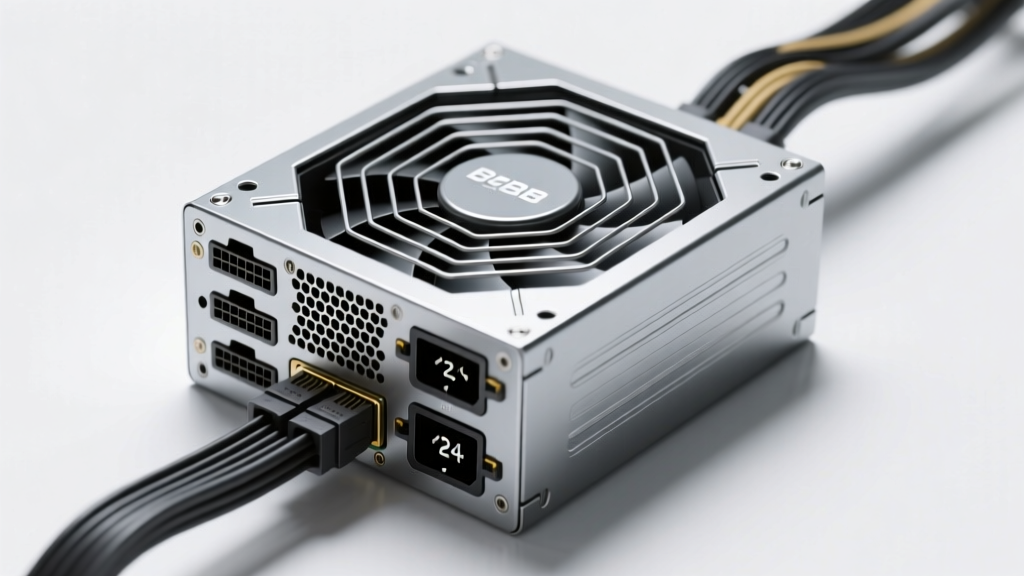
Types of 2kVA AC Frequency Inverters
A 2kVA AC frequency inverter is a versatile power conversion device that transforms direct current (DC) from batteries or solar panels into alternating current (AC) for powering household appliances and commercial equipment. These inverters are widely used in homes, small offices, and backup power systems due to their optimal balance of capacity and efficiency. The quality of the AC output waveform significantly affects device compatibility, performance, and safety. Understanding the different types of 2kVA inverters helps users make informed decisions based on their power needs and connected devices.
Pure Sine Wave Inverters
Produces a smooth, continuous sine wave identical to grid-supplied electricity, ensuring clean and stable power output.
Advantages
- Compatible with all AC-powered devices, including sensitive electronics
- Quieter operation of motors and compressors
- No interference with audio, video, or communication equipment
- Ideal for medical devices, laptops, and precision instruments
- Higher efficiency and less heat generation in inductive loads
Limitations
- Higher initial cost compared to modified wave models
- Slightly lower efficiency under light loads
- More complex internal circuitry requiring skilled servicing
Best for: Homes with modern electronics, medical equipment, home offices, and solar energy systems
Modified Sine Wave (MSW) Inverters
Generates a stepped waveform that approximates a sine wave using on-off switching, offering a cost-effective AC power solution.
Advantages
- Lower purchase price makes it budget-friendly
- Sufficient for resistive and simple inductive loads
- Widely available and easy to replace
- Good efficiency for basic applications
Limitations
- Can cause humming or buzzing in motors and transformers
- May damage or reduce lifespan of sensitive electronics
- Incompatible with some appliances like laser printers, certain battery chargers, and variable-speed tools
- Higher harmonic distortion affecting power quality
Best for: Basic lighting, incandescent bulbs, simple power tools, older appliances, and temporary power needs
Hybrid/Sine Wave Inverters
Advanced models that combine features of pure and modified sine wave technologies, often with smart switching or filtering to improve waveform quality.
Advantages
- Better waveform than MSW with reduced harmonic distortion
- More affordable than pure sine wave alternatives
- Improved compatibility with a wider range of devices
- Often includes additional features like surge protection and battery management
Limitations
- Not fully compatible with highly sensitive equipment
- Performance varies significantly between brands
- May still produce audible noise in some appliances
Best for: Mixed-use environments with both basic and moderately sensitive electronics
Grid-Tie vs. Standalone Inverters
Specialized 2kVA inverters designed for specific system configurations—either feeding power back into the grid or operating independently.
Advantages
- Grid-tie models can reduce electricity bills via net metering
- Standalone units provide reliable off-grid power
- Some models offer seamless switching between grid and battery
- Integrated monitoring and safety features
Limitations
- Grid-tie inverters don’t work during blackouts unless paired with a transfer switch
- Requires proper permits and utility approval
- More complex installation and configuration
Best for: Solar power integration (grid-tie), remote locations or backup systems (standalone)
| Type | Waveform Quality | Device Compatibility | Cost Level | Best Application |
|---|---|---|---|---|
| Pure Sine Wave | Excellent | Universal | High | Sensitive electronics, medical devices, home offices |
| Modified Sine Wave | Fair | Basic appliances only | Low | Temporary power, lighting, simple tools |
| Hybrid/Sine Wave | Good | Most devices (not ultra-sensitive) | Medium | Mixed-use homes, small businesses |
| Grid-Tie/Standalone | Excellent (if pure sine) | Depends on waveform type | Medium to High | Solar systems, off-grid power, backup energy |
Expert Tip: When powering sensitive electronics like computers, CPAP machines, or modern TVs, always choose a pure sine wave 2kVA inverter to prevent damage, ensure quiet operation, and maintain optimal performance. Look for models with built-in surge protection and low total harmonic distortion (THD < 3%) for the best results.
Wide Applications of 2kVA AC Frequency Inverter
A 2kVA AC frequency inverter is a versatile power conversion device that transforms direct current (DC) into stable alternating current (AC) at a consistent voltage and frequency. Due to its compact size, efficiency, and reliability, it plays a crucial role across various sectors—from homes and businesses to remote locations and industrial environments. These inverters ensure uninterrupted power supply, support renewable energy integration, and enable the operation of sensitive electronic equipment under fluctuating grid conditions.
1. Residential Applications
In modern households, a 2kVA AC frequency inverter provides reliable backup power during blackouts or unstable grid supply. It ensures essential appliances continue to operate seamlessly, preserving food in refrigerators, maintaining indoor comfort via air conditioners, powering lights, and supporting home entertainment systems and Wi-Fi routers.
Moreover, with the growing adoption of solar energy, residential inverters are critical for converting DC power generated by photovoltaic panels into usable 230V/120V AC power for household consumption. The 2kVA capacity is ideal for small to medium homes, capable of running multiple devices simultaneously—such as a refrigerator (150–300W), LED lighting (50–100W), a TV (100W), and a laptop (60W)—without overloading.
Modern smart homes increasingly rely on inverters to integrate renewable sources, reduce electricity bills, and achieve energy independence, especially in regions with frequent power interruptions.
2. Commercial Settings
In commercial environments, a 2kVA AC frequency inverter acts as a vital safeguard against data loss, system crashes, and operational downtime caused by power surges, sags, or outages. It is commonly used to protect sensitive IT infrastructure such as desktop computers, point-of-sale (POS) systems, network switches, routers, and surveillance cameras.
Businesses like retail stores, clinics, small offices, and telecom kiosks benefit significantly from continuous power delivery. When paired with battery banks or solar arrays, the inverter enables uninterrupted operations even during extended grid failures.
The precise frequency control (typically 50Hz or 60Hz) ensures compatibility with commercial-grade electronics, preventing overheating or performance degradation. This makes the 2kVA inverter an essential component in maintaining business continuity and protecting valuable digital assets.
3. Mobile and Remote Locations
For mobile and off-grid applications, the 2kVA AC frequency inverter is indispensable. Recreational vehicles (RVs), boats, caravans, and camping trailers use these inverters to convert battery-stored DC power into AC electricity for running kitchen appliances, entertainment systems, charging stations, and medical devices.
In remote areas—such as rural homes, construction sites, island communities, or field research stations—where connection to the main power grid is unavailable or unreliable, inverters serve as the primary source of AC power. They are often integrated with solar panels, wind turbines, or diesel generators to create hybrid power systems.
These setups provide consistent energy for lighting, communication equipment (radios, satellite phones), refrigeration for medicines or food, and power tools, significantly improving quality of life and operational efficiency in isolated environments.
4. Industrial and Specialized Uses
While larger industrial facilities typically require higher-capacity inverters, the 2kVA model finds niche applications in precision testing, equipment calibration, and control systems. Manufacturers use frequency-stable inverters to simulate grid conditions during product development and quality assurance processes.
In automation and robotics, a stable AC supply ensures accurate sensor readings and consistent motor performance. Additionally, 2kVA inverters are employed in electric vehicle (EV) charging prototypes, auxiliary power units, and rail or marine auxiliary systems where regulated AC power is needed from onboard batteries.
They also support emerging technologies in microgrids and decentralized energy systems, where modular inverters contribute to scalable and resilient power networks.
| Application Sector | Key Benefits | Common Devices Supported |
|---|---|---|
| Residential | Backup power, solar integration, energy independence | Refrigerator, lights, AC, TV, Wi-Fi router, laptop |
| Commercial | IT protection, business continuity, surge prevention | Computers, POS systems, servers, security cameras |
| Mobile/Remote | Off-grid power, portability, hybrid energy support | Battery-powered tools, kitchen appliances, communication gear |
| Industrial | Precision power, testing stability, system integration | Test benches, control panels, auxiliary EV systems |
Important: Always ensure the total load connected to a 2kVA inverter does not exceed 1.6–1.8kW to allow for surge capacity and prevent overload. Use pure sine wave inverters for sensitive electronics, and follow manufacturer guidelines for ventilation, wiring, and battery compatibility to ensure safety and optimal performance.
Product Specifications and Features of 2kVA AC Frequency Inverter
A 2kVA AC frequency inverter is a versatile power solution designed for residential, small commercial, and backup power applications. It efficiently converts DC power from batteries into stable AC power, enabling the operation of essential household appliances and electronic devices during power outages or in off-grid environments. Understanding its technical specifications, installation process, and maintenance requirements ensures optimal performance, safety, and longevity.
Power Rating
The 2kVA (2000VA) power rating indicates the maximum apparent power the inverter can deliver. This capacity is ideal for running multiple household appliances simultaneously, such as refrigerators, lights, fans, TVs, and computers, making it suitable for homes, small offices, and remote installations.
- Supports continuous loads up to approximately 1600–1800 watts (assuming a power factor of 0.8–0.9)
- Can handle short-term surge currents required by motor-driven devices like pumps or compressors
- Perfect balance between compact size and sufficient output for essential circuits
Note: Always calculate total load wattage before connecting devices to avoid overloading.
Input Voltage Range
2kVA inverters typically operate on DC input voltages ranging from 12V to 48V, depending on the model and battery configuration. This flexibility allows integration with various battery banks, including lead-acid, AGM, gel, and lithium-ion types.
- 12V models are common for smaller setups using a single battery
- 24V and 48V systems offer higher efficiency and reduced current draw, ideal for larger installations
- Wide input range ensures stable operation even as battery voltage fluctuates during charge/discharge cycles
Tip: Match input voltage to your battery bank setup for optimal efficiency and cable sizing.
Output Voltage & Frequency
The inverter delivers a consistent AC output of 220V or 230V at either 50Hz or 60Hz, aligning with regional grid standards. This ensures compatibility with most electrical appliances used in homes and small businesses.
- Output voltage remains stable under varying loads, protecting sensitive electronics
- Frequency selection (50Hz/60Hz) is often switchable or auto-detected based on region
- Regulated output prevents damage from voltage spikes or drops
Key benefit: Enables seamless use of imported or region-specific appliances.
Waveform Output
The quality of AC output is determined by the waveform type—either Pure Sine Wave or Modified Sine Wave—each with distinct advantages and limitations.
- Pure Sine Wave: Produces smooth, grid-quality power ideal for sensitive electronics like laptops, medical devices, and variable-speed motors
- Modified Sine Wave: More affordable but may cause humming, overheating, or reduced efficiency in some devices (e.g., laser printers, certain power supplies)
- Pure sine wave models are recommended for mixed loads and long-term reliability
Recommendation: Choose pure sine wave for modern electronics and critical applications.
Installation Guide
Proper installation is crucial for safety, performance, and compliance with electrical codes. Follow these best practices when setting up your 2kVA inverter system.
Safety First: Always disconnect all power sources before installation. Use insulated tools and wear protective gear. If unsure, consult a licensed electrician.
- Location Selection: Install the inverter and batteries in a well-ventilated, dry, and cool area, away from direct sunlight and moisture. Ensure easy access for maintenance and monitoring.
- Battery Connection: Use appropriately sized copper cables (e.g., 2/0 AWG for 24V systems) to minimize voltage drop. Connect the positive (+) terminal of the battery to the inverter’s positive input using a red cable, and the negative (-) terminal with a black cable. Secure all connections tightly and insulate terminals to prevent short circuits.
- AC Output Connection: Plug the inverter into a dedicated AC outlet using the provided power cord. For permanent installations, connect via a transfer switch or breaker panel to prevent back-feeding the grid. This step should be performed by a qualified electrician to ensure code compliance and safety.
- Power-Up Procedure: Once all connections are verified, turn on the inverter using the main power switch. Gradually connect loads to avoid sudden surges. Monitor the display (if available) for voltage, load percentage, and error codes.
Maintenance and Repair
Regular maintenance extends the life of your inverter and ensures reliable performance during power outages.
- Routine Inspections: Check monthly for signs of corrosion, loose terminals, unusual noises, or overheating. Keep the unit free from dust, debris, and moisture buildup.
- Cooling System Care: Ensure cooling fans and ventilation grilles are unobstructed. Clean dust from fan blades and heatsinks every 3–6 months, especially in dusty environments.
- Firmware Updates: Some advanced inverters support firmware upgrades via USB or Wi-Fi. These updates can improve efficiency, add features, or fix bugs—check the manufacturer’s website periodically.
- Professional Servicing: Schedule annual or bi-annual inspections by a certified technician, especially for heavily used systems. They can test internal components, calibrate sensors, and verify safety mechanisms.
Additional Considerations
- Surge Capacity: Most 2kVA inverters can handle short-term surges up to 4000W, sufficient for starting motors in refrigerators or air conditioners
- Efficiency Rating: Look for models with >90% conversion efficiency to maximize battery runtime
- Protections: Quality units include overload, over-temperature, low/high voltage, and short-circuit protection
- Monitoring: Many inverters feature LCD displays or smartphone apps for real-time status tracking
- Noise Level: Fan noise varies; opt for models with smart cooling that reduces fan speed under light loads
| Feature | Typical Specification | Application Benefit |
|---|---|---|
| Power Output | 2000VA / ~1600–1800W | Runs multiple household appliances simultaneously |
| Input Voltage | 12V, 24V, or 48V DC | Compatible with various battery configurations |
| Output Voltage | 220V or 230V AC | Matches standard home voltage in most regions |
| Frequency | 50Hz or 60Hz (selectable) | Supports both European and American equipment |
| Waveform | Pure or Modified Sine Wave | Pure sine wave ensures safe operation of sensitive electronics |
| Efficiency | 88%–93% | Maximizes battery life and reduces energy waste |
Professional Recommendation: For home backup systems, choose a 2kVA pure sine wave inverter with 24V input for better efficiency and surge handling. Pair it with a deep-cycle battery bank and a solar charge controller for an off-grid or hybrid energy solution. Always follow local electrical codes and consider installing a transfer switch to safely isolate your system from the utility grid.
Quality and Safety Considerations of 2kVA AC Frequency Inverter
Selecting a reliable and safe 2kVA AC frequency inverter is essential for protecting your electrical devices, ensuring consistent power output, and maintaining long-term system efficiency. Whether used for home backup, industrial applications, or sensitive electronics, understanding the quality and safety features of an inverter helps prevent equipment damage, reduce fire hazards, and extend the lifespan of your investment. This guide provides a detailed breakdown of critical quality and safety factors to consider when choosing a 2kVA inverter.
Safety Warning: Always ensure the inverter is installed by a qualified electrician and used in a well-ventilated, dry environment. Improper installation or use of substandard inverters can lead to electrical shock, fire hazards, or permanent damage to connected appliances.
Quality Considerations for 2kVA Inverters
The performance and longevity of a 2kVA AC frequency inverter largely depend on its build quality, component selection, and adherence to international standards. Investing in a high-quality inverter ensures stable power output, reduced downtime, and better value over time.
- Brand Reputation
Choose inverters from well-established brands with a proven track record in power electronics. Reputable manufacturers typically invest in rigorous testing, quality control, and after-sales support. Brands with positive customer reviews, long market presence, and responsive service networks are more likely to deliver reliable products and honor warranty claims. Avoid generic or unbranded units that may cut corners on design and safety.
- Certifications and Standards
Verify that the inverter carries recognized safety and performance certifications such as CE (European Conformity), UL (Underwriters Laboratories), ISO 9001 (Quality Management), or IEC 62109 (safety for power converters). These certifications indicate that the device has undergone independent testing for electrical safety, electromagnetic compatibility (EMC), and environmental resilience. Compliance with international standards ensures the inverter meets minimum safety and performance benchmarks.
- Component Quality
The internal components—such as MOSFETs (Metal-Oxide-Semiconductor Field-Effect Transistors), IGBTs (Insulated Gate Bipolar Transistors), electrolytic capacitors, transformers, and PCBs—directly affect efficiency, heat management, and durability. High-quality components from trusted suppliers (e.g., Vishay, Panasonic, Infineon) offer better thermal stability, lower failure rates, and longer operational life. Look for inverters that use industrial-grade parts and include features like conformal coating on circuit boards to resist moisture and dust.
Expert Tip: Check user reviews and third-party teardowns (if available) to assess the actual build quality of the inverter. Some manufacturers may advertise high specs but use low-cost components internally.
Safety Considerations for 2kVA Inverters
Safety features are non-negotiable when dealing with electrical power conversion. A good inverter should protect both the device itself and the connected load from electrical faults, environmental stress, and misuse.
- Overload Protection
A 2kVA inverter should automatically shut down or reduce output when the connected load exceeds its rated capacity (typically around 2000 watts). Overload protection prevents overheating, component stress, and potential fire hazards. Look for inverters with time-delayed tripping that allows for brief surge currents (e.g., from motor startups) without immediate shutdown.
- Surge Protection
Electrical surges from lightning, grid fluctuations, or inductive loads can damage sensitive electronics. Built-in surge protection (such as MOVs—Metal Oxide Varistors) absorbs voltage spikes and diverts excess energy to ground. Some advanced inverters include multi-stage surge suppression and EMI/RFI filtering to ensure clean power output and protect connected devices like computers, medical equipment, or audio systems.
- Short Circuit and Overheat Protection
Inverters must detect and respond to short circuits—caused by faulty wiring, damaged cables, or appliance failure—by instantly cutting off power to prevent fire or component destruction. Similarly, overheat protection monitors internal temperature and reduces output or shuts down the unit if cooling is insufficient (e.g., in poorly ventilated enclosures). Thermal shutdown is especially important in high-ambient environments or during prolonged heavy-load operation.
| Feature | Why It Matters | What to Look For | Risk of Absence |
|---|---|---|---|
| Brand Reputation | Indicates reliability, support, and product longevity | Established brands with customer service and warranty | Poor performance, no support, premature failure |
| Certifications (CE, UL, ISO) | Confirms compliance with safety and quality standards | Visible certification marks and test reports | Fire hazard, legal non-compliance, insurance issues |
| High-Quality Components | Ensures durability and consistent performance | MOSFETs, quality capacitors, robust PCB design | Frequent breakdowns, reduced efficiency |
| Overload Protection | Prevents damage from excessive load | Auto-shutdown or current limiting at ~2200W | Overheating, fire risk, device failure |
| Surge Protection | Protects against voltage spikes | Built-in MOVs or transient voltage suppressors | Damage to connected electronics |
| Short Circuit & Overheat Protection | Immediate response to dangerous conditions | Fast-acting fuses, thermal sensors, auto-reset | Fire hazard, permanent inverter damage |
Installation Tip: Ensure proper ventilation around the inverter—leave at least 6 inches of clearance on all sides. Use appropriately rated cables and fuses, and avoid daisy-chaining high-power devices to stay within the 2kVA limit.
Additional Recommendations
- Regularly inspect the inverter for signs of overheating, unusual noises, or burning smells.
- Keep firmware updated (if applicable) for improved performance and bug fixes.
- Use a surge-protected power strip for sensitive loads even when powered by an inverter.
- Store spare fuses and keep the user manual accessible for troubleshooting.
- Consider a pure sine wave inverter for sensitive electronics, as it provides cleaner and more stable power compared to modified sine wave models.
In summary, a high-quality 2kVA AC frequency inverter should balance performance, durability, and comprehensive safety features. By prioritizing certified products from reputable brands, inspecting internal component quality, and ensuring robust protection mechanisms, you can ensure safe, efficient, and uninterrupted power supply for your critical applications. When in doubt, consult a professional electrician or technician before installation and operation.
Frequently Asked Questions About 2kVA AC Frequency Inverters
Q1: What devices can be used with a 2kVA AC frequency inverter?A 2kVA (2000-watt) AC frequency inverter is capable of powering a wide range of household and light commercial electrical devices, making it ideal for backup power or off-grid energy systems. Common compatible appliances include:
- Refrigerators and Freezers: Most standard-sized units (up to ~800W) can run efficiently, though startup surges should be considered.
- Televisions and Entertainment Systems: Modern flat-screen TVs, sound systems, and streaming devices typically consume between 100–400W.
- Fans and Lighting: Ceiling fans, pedestal fans, and LED lighting systems are low-draw devices well within the inverter’s capacity.
- Computers and Routers: Desktops, laptops, and networking equipment can operate safely, especially when paired with a pure sine wave inverter.
- Small Commercial Equipment: Light machinery used in workshops or small manufacturing setups, such as bench grinders, sewing machines, or small pumps (under 1800W).
Note: Always check the starting (surge) and running wattage of your appliances. Motors and compressors often require 2–3 times their rated power at startup, which must be supported by the inverter to avoid tripping.
Q2: How long can a 2kVA inverter power devices during a power outage?The runtime of a 2kVA inverter during a power outage depends on several key factors, primarily the battery capacity (measured in ampere-hours, Ah), battery voltage (usually 12V, 24V, or 48V), and the total load connected to the inverter.
For example:
- A 2kVA inverter running on a 24V system with two 200Ah batteries (48V x 200Ah = 9.6kWh usable energy) can support:
- Full load (2000W): ~3–4 hours (accounting for inverter efficiency and depth of discharge limits).
- Half load (1000W): ~6–8 hours.
- Light load (500W): Up to 12–16 hours.
Battery chemistry also plays a role—lithium-ion batteries offer longer lifespans and deeper discharge capabilities compared to lead-acid batteries. Properly sized solar charging can extend runtime indefinitely during prolonged outages.
Q3: How does a sine wave inverter differ from a modified sine wave inverter?The key difference lies in the quality and shape of the alternating current (AC) output waveform, which directly affects device compatibility and performance:
| Feature | Pure Sine Wave Inverter | Modified Sine Wave Inverter |
|---|---|---|
| Output Waveform | Smooth, continuous wave identical to grid power | Stepped or square-like wave with harmonic distortion |
| Device Compatibility | Safe for all electronics, including sensitive equipment | May cause issues with digital clocks, audio devices, medical equipment |
| Efficiency | Higher efficiency; reduces heat and noise in motors | Lower efficiency; can cause buzzing or overheating |
| Cost | More expensive due to advanced circuitry | Affordable; suitable for basic applications |
| Recommended For | Computers, medical devices, variable-speed tools, laser printers | Lights, heaters, basic motors, non-sensitive appliances |
Recommendation: For a 2kVA inverter used in homes or offices with modern electronics, a pure sine wave model is strongly advised to ensure safety, efficiency, and longevity of connected devices.
Q4: Can a 2kVA AC frequency inverter be used with solar panels?Yes, a 2kVA AC frequency inverter can be integrated into a solar power system, but it must be designed for such use. There are two main configurations:
- Hybrid Inverters: These can accept DC input from solar panels directly, manage battery charging, and supply AC power to your home. They are ideal for solar integration.
- Grid-Tie or Off-Grid Inverters: Must be paired with a separate solar charge controller to regulate power from the panels to the batteries, which then feed the inverter.
When used with solar panels, a 2kVA inverter enables:
- Renewable energy utilization, reducing reliance on the grid or diesel generators.
- Lower electricity bills and carbon footprint.
- Continuous power supply when combined with adequate battery storage.
Ensure your inverter is compatible with solar input and supports MPPT or PWM charge regulation for optimal performance.
Q5: Is it possible to parallel two 2kVA inverters to increase power output?Yes, but only if the inverters are specifically designed to support parallel operation. Many modern inverters offer this feature, allowing two 2kVA units to be connected in parallel to deliver up to 4kVA of combined power.
Key considerations for paralleling inverters:
- Manufacturer Support: Check the user manual or contact the manufacturer to confirm if parallel operation is supported.
- Synchronization: The inverters must synchronize frequency, phase, and voltage to operate safely together.
- Parallel Kit: Some models require a dedicated parallel cable or module for communication and load sharing.
- Load Distribution: Properly balanced loads prevent overloading one unit and ensure efficient performance.
- Benefits: Increased power capacity, redundancy, and extended backup time for larger households or small businesses.
Attempting to parallel incompatible inverters can result in equipment damage or safety hazards. Always follow manufacturer instructions and consider professional installation.