Types of 105D31MF Car Battery
A 105D31MF car battery is a standardized battery size commonly used in a wide range of vehicles, particularly in Japanese and Asian models. These batteries are designed to deliver reliable starting power and support vehicle electrical systems. They come in several chemistries and construction types, each differing in internal plate materials, electrolyte composition, casing design, maintenance needs, and performance under various driving conditions.
The "MF" in 105D31MF stands for Maintenance-Free, indicating that these batteries are sealed and do not require regular water top-ups. However, the underlying technology can still vary significantly, affecting durability, charging efficiency, vibration resistance, and suitability for modern vehicle systems like start-stop technology.
Flooded Lead-Acid (Wet Cell)
The original and most traditional type of automotive battery, featuring liquid sulfuric acid electrolyte that fully submerges the lead plates.
Advantages
- Low initial cost
- Widely available and easily replaceable
- Proven reliability in standard driving conditions
- Simple technology with straightforward recycling
Limitations
- Requires periodic maintenance (water top-up)
- Vents gases during charging (hydrogen and oxygen)
- Spill risk if tipped or damaged
- Shorter lifespan compared to advanced types
- Less resistant to vibration and extreme temperatures
Best for: Standard vehicles without advanced electronics, budget-conscious owners, warm climates
Gel Batteries
A sealed lead-acid battery where the electrolyte is mixed with silica to form a stable gel, immobilizing the acid and preventing leakage.
Advantages
- Totally spill-proof and leak-resistant
- No maintenance required (sealed design)
- Excellent deep-cycle performance
- Minimal gas emission—safe for enclosed spaces
- Good performance in high-temperature environments
Limitations
- Sensitive to overcharging (can cause permanent damage)
- Higher cost than flooded batteries
- Slower recharge rate
- Vulnerable to sulfation if stored in a discharged state
- Limited availability in standard automotive sizes
Best for: Deep-cycle applications, off-grid vehicles, enclosed battery compartments, high-heat regions
AGM (Absorbent Glass Mat)
An advanced VRLA (Valve-Regulated Lead-Acid) battery that uses fine fiberglass mats to absorb and suspend the electrolyte between the plates.
Advantages
- Completely maintenance-free and spill-proof
- Superior vibration and shock resistance
- Faster charging and higher power output
- Excellent deep-cycle and recharging efficiency
- Longer lifespan and better performance in cold weather
- Ideal for high-electrical-demand vehicles
Limitations
- Significantly higher cost than conventional batteries
- Requires compatible charging system (smart alternator)
- Sensitive to overvoltage and improper charging
- Not always backward compatible with older vehicles
Best for: Luxury vehicles, SUVs, RVs, marine applications, performance cars, and vehicles with heavy accessory loads
Start-Stop Compatible (AGM or Enhanced Flooded)
Specifically engineered for vehicles with automatic start-stop systems, enduring frequent engine restarts and fluctuating power demands.
Advantages
- Designed for high cycle durability (up to 3x more cycles)
- Stable voltage delivery during engine-off periods
- Supports advanced driver assistance systems (ADAS)
- Improved fuel efficiency and reduced emissions
- Often based on AGM or enhanced flooded (EFB) technology
Limitations
- Premium pricing, especially for AGM versions
- Requires vehicle system compatibility
- May need registration with the car’s ECU after replacement
- Shorter life if used in non-start-stop vehicles
Best for: Modern fuel-efficient vehicles with start-stop technology, eco-conscious drivers, urban commuting
| Battery Type | Maintenance | Durability | Cycle Life | Best Use Case |
|---|---|---|---|---|
| Flooded Lead-Acid | Regular (water top-up) | Fair | 300–500 cycles | Standard vehicles, basic electrical needs |
| Gel | None | Good | 500–1000 cycles | Deep-cycle, enclosed spaces, hot climates |
| AGM | None | Excellent | 600–1200 cycles | High-performance, luxury, and power-hungry vehicles |
| Start-Stop (AGM/EFB) | None | Very Good | 800–1500 cycles | Modern eco-friendly vehicles with auto start-stop |
Expert Tip: When replacing a 105D31MF battery in a modern vehicle, always check whether your car requires AGM or start-stop compatibility. Using a standard flooded battery in a start-stop system can lead to premature failure and reduced fuel efficiency.
Materials Used to Make 105D31MF Car Battery: A Comprehensive Guide
The 105D31MF is a widely used automotive battery size, commonly found in large vehicles such as trucks, SUVs, and commercial fleets. While the physical dimensions are standardized, the internal materials and construction vary significantly depending on the battery technology—lead-acid, AGM (Absorbent Glass Mat), gel, or lithium-ion. These material differences directly affect performance, lifespan, charging efficiency, and suitability for different climates and applications.
Plate Materials: The Heart of Battery Chemistry
The plates in a battery serve as electrodes where electrochemical reactions occur during charging and discharging. Their composition is central to the battery’s efficiency and durability.
Lead-Acid, AGM & Gel Batteries
In traditional flooded lead-acid and its advanced variants (AGM and gel), the positive plate is made of lead dioxide (PbO₂), while the negative plate consists of a porous, sponge-like pure lead (Pb). These materials enable reversible chemical reactions with sulfuric acid to produce electricity.
To enhance mechanical strength and reduce water loss, the lead is often alloyed with small quantities of calcium, antimony, or tin. Calcium-lead alloys are especially common in maintenance-free batteries due to their low self-discharge and reduced gassing.
Lithium-Ion Batteries
Lithium-ion 105D31MF batteries (less common but growing in use) replace lead with lightweight, high-energy-density lithium compounds. The cathode (positive plate) typically uses lithium iron phosphate (LiFePO₄) or lithium cobalt oxide (LiCoO₂), while the anode (negative plate) is made of graphite.
These materials allow for significantly higher energy density, longer cycle life, and faster charging. They also reduce overall weight by up to 50% compared to lead-acid equivalents, making them ideal for performance and electric-assist vehicles.
Separators: Preventing Shorts, Enabling Ion Flow
Separators are insulating layers placed between positive and negative plates to prevent electrical short circuits while allowing ionic conduction through the electrolyte.
Flooded Lead-Acid Batteries
Traditional batteries use porous separators made from rubber, PVC (polyvinyl chloride), or polyethylene. These materials are cost-effective and chemically resistant but offer limited mechanical strength and may degrade over time in high-temperature environments.
AGM & Gel Batteries
AGM batteries use absorbent glass mat (AGM) separators, which are fine fiberglass mats that hold the electrolyte in place. This design prevents leakage, reduces internal resistance, and improves vibration resistance—making AGM ideal for off-road and high-performance applications.
Gel batteries also use immobilized electrolyte but rely on thicker separators compatible with the gelled acid. The separator must remain stable even when the electrolyte thickens.
Lithium-Ion Batteries
Lithium-ion cells use microporous polymer films, typically made from polyethylene (PE) or polypropylene (PP). Some advanced designs incorporate ceramic-coated separators for enhanced thermal stability.
These separators are engineered to shut down ion flow at high temperatures (shutdown function), significantly improving safety and reducing the risk of thermal runaway.
Electrolyte: The Ion Conductor
The electrolyte facilitates the movement of ions between the positive and negative plates, completing the internal circuit during charge and discharge cycles.
| Battery Type | Electrolyte Composition | Key Properties |
|---|---|---|
| Flooded Lead-Acid | Dilute sulfuric acid (H₂SO₄ + H₂O) | High conductivity, requires maintenance, prone to leakage |
| Gel | Sulfuric acid + silica (forms a gel) | Leak-proof, low maintenance, better deep-cycle performance |
| AGM | Sulfuric acid absorbed in glass mat | No free liquid, excellent charge acceptance, vibration-resistant |
| Lithium-Ion | Lithium salt (e.g., LiPF₆) in organic solvents (e.g., EC/DMC) | High ionic conductivity, lightweight, flammable if damaged |
Casing Materials: Protection and Safety
The outer casing protects internal components from physical damage, environmental exposure, and contains any gases or leaks that may occur during operation.
Flooded & Gel Batteries
These typically use PVC (polyvinyl chloride) or ABS plastic casings. These materials are inexpensive, durable, and provide adequate insulation and impact resistance for standard automotive use.
AGM Batteries
AGM units often feature reinforced polypropylene or high-density polyethylene (HDPE) casings. These materials are more resistant to vibration, thermal stress, and cracking, supporting the battery’s use in harsh conditions.
Lithium-Ion Batteries
Advanced lithium-ion 105D31MF batteries use polycarbonate or engineering-grade thermoplastics for their casings. These materials offer superior electrical insulation, flame retardancy, and structural rigidity, crucial for managing the higher energy density and safety requirements of lithium technology.
Important Note: Not all 105D31MF batteries are created equal. While they share the same physical footprint, the internal materials determine compatibility with your vehicle’s charging system, climate tolerance, and maintenance needs. Always verify whether your vehicle requires a lead-acid, AGM, or lithium-ion battery before replacement. Using an incompatible type can lead to charging issues, reduced lifespan, or even safety hazards.
How to Choose 105D31MF Car Battery
Selecting the right 105D31MF car battery in bulk is a strategic decision that impacts customer satisfaction, operational efficiency, and long-term profitability. This comprehensive guide covers all critical factors—from battery technology and quality assurance to logistics and market alignment—to help businesses make informed purchasing decisions when sourcing 105D31MF batteries at scale.
Battery Technology & Chemistry
The 105D31MF battery format supports multiple chemistries, each suited to different vehicle types and usage patterns. Understanding the differences ensures optimal performance and longevity.
- Flooded Lead-Acid (FLA): Most common and cost-effective; ideal for standard passenger vehicles but requires periodic maintenance and ventilation.
- AGM (Absorbent Glass Mat): Maintenance-free, spill-proof, and highly resistant to vibration; excellent for luxury, start-stop, and high-electrical-load vehicles.
- Gel Batteries: Use silica gel electrolyte; ideal for deep-cycle applications and extreme temperatures but less common in automotive starting roles.
- VRLA (Valve-Regulated Lead-Acid): Sealed design with pressure valves; includes both AGM and gel types; preferred for enclosed spaces and reduced maintenance.
Key Insight: AGM batteries are increasingly dominant in modern vehicles due to their reliability and compatibility with energy-regenerative systems.
Quality, Standards & Certification
Not all 105D31MF batteries are created equal. Quality directly affects failure rates, warranty claims, and brand reputation.
- Look for compliance with international standards such as IEC 60095, SAE J537, or GB/T 5008.
- Premium batteries feature pure lead plates, advanced separators, and robust case materials to resist cracking.
- Check for ISO 9001 (quality management) and ISO 14001 (environmental) certifications from manufacturers.
- Third-party testing reports (e.g., load testing, cycle life) add credibility to supplier claims.
Pro Tip: Request sample units for bench testing before placing large orders to verify cold cranking amps (CCA) and reserve capacity (RC).
Cost vs. Value Analysis
While competitive pricing is essential in bulk procurement, long-term value should guide decision-making.
- Economy Tier: Lower upfront cost but may have shorter lifespan and higher return rates.
- Mid-Range: Balanced performance and durability; ideal for general fleet or retail distribution.
- Premium Tier: Higher initial investment but lower failure rate, longer service life, and stronger brand trust.
- Consider total cost of ownership (TCO), including warranty servicing, logistics, and customer support.
Smart Strategy: Negotiate tiered pricing based on volume (e.g., discounts at 100, 500, 1000+ units) and lock in contracts during periods of stable raw material prices.
Warranty & After-Sales Support
A strong warranty reflects manufacturer confidence and reduces your risk exposure.
- Standard warranties range from 12 to 36 months, with pro-rata coverage after initial free-replacement period.
- Premium AGM batteries often come with extended warranties (up to 4 years).
- Look for suppliers offering easy claim processes, local return centers, and prompt replacements.
- Warranty terms should clearly define eligibility (e.g., date codes, installation records).
Critical Note: A longer warranty doesn’t always mean better quality—verify actual field performance through user reviews and industry feedback.
Supplier Reliability & Logistics
Efficient supply chain management is crucial when dealing with heavy, hazardous goods like lead-acid batteries.
- Choose suppliers with proven on-time delivery records and regional warehousing to reduce shipping time.
- Ensure proper packaging and UN38.3 certification for safe transportation.
- Confirm storage conditions—batteries should be kept charged and in dry, temperature-controlled environments.
- Shorter lead times (e.g., 3–7 days) improve inventory turnover and responsiveness to demand spikes.
Best Practice: Partner with suppliers who offer just-in-time (JIT) delivery options to minimize inventory holding costs.
Market Demand & Application Fit
Align your battery selection with your target customer base and their vehicle requirements.
- The 105D31MF size (approx. 315 x 175 x 225 mm) is commonly used in SUVs, trucks, and larger sedans, especially in Asian and Middle Eastern markets.
- Verify compatibility with popular models (e.g., Toyota Land Cruiser, Nissan Patrol, Hyundai Santa Fe).
- Urban drivers benefit from AGM batteries with high cycle life for frequent short trips.
- Fleet operators prioritize durability, long warranty, and consistent performance under heavy use.
Sales Advantage: Offer application-specific kits (battery + terminal cleaner + anti-corrosion spray) to increase perceived value.
Professional Recommendation: For most wholesale operations, prioritize AGM 105D31MF batteries from reputable brands with a 24–36 month warranty. They meet growing market demand for maintenance-free, high-performance power sources and reduce customer complaints related to premature failure. Always verify date codes (within 6 months of production) and conduct periodic quality audits of incoming shipments.
| Battery Type | Typical CCA Range | Reserve Capacity (Min) | Lifespan (Years) | Ideal Use Case |
|---|---|---|---|---|
| Flooded Lead-Acid | 750–850 | 120–140 | 2–3 | Standard vehicles, budget fleets |
| AGM (Standard) | 800–900 | 140–160 | 3–5 | SUVs, luxury cars, stop-start systems |
| AGM (Premium) | 900–1000 | 160–180 | 4–6 | Heavy-duty, commercial, extreme climates |
| Gel | 700–800 | 130–150 | 3–4 | Deep-cycle, off-grid, specialty vehicles |
Additional Considerations
- Environmental Compliance: Ensure suppliers follow proper recycling protocols and offer take-back programs for spent batteries.
- Brand Recognition: Well-known brands (e.g., GS Yuasa, Panasonic, Banner) often command premium pricing but reduce customer hesitation.
- Date Coding: Always check manufacturing dates—batteries degrade over time even in storage; aim for units produced within the last 6 months.
- Terminal Configuration: Confirm terminal type (top-post, side-terminal) and orientation match vehicle requirements.
- Marketing Support: Some suppliers provide point-of-sale materials, technical datasheets, and digital assets to boost sales.
Maintenance and Service of 105D31MF Car Battery
The 105D31MF car battery is a high-capacity, durable power source designed for vehicles subjected to demanding usage patterns, including frequent engine restarts and short-distance driving. While many modern variants are labeled "maintenance-free," proper care and periodic inspection are essential to maximize lifespan and ensure reliable performance. This guide outlines key maintenance practices, identifies different battery types, and provides actionable tips to help vehicle owners extend battery life and avoid unexpected failures.
Safety Warning: Always disconnect the negative terminal first when working on the battery. Avoid sparks or open flames near the battery, as hydrogen gas can be explosive. Wear protective gloves and eyewear to prevent acid exposure or electrical shock.
Understanding 105D31MF Battery Types and Technologies
The 105D31MF designation refers to a specific battery group size with a nominal capacity of around 105 Ah (Ampere-hours), making it suitable for mid-to-large vehicles, including SUVs, trucks, and luxury sedans. Several advanced technologies fall under this category:
- Gel Cell Batteries: These use a silica-based gel to immobilize the electrolyte, making them spill-proof and highly resistant to vibration. Gel batteries do not require watering and are considered maintenance-free. They perform well in deep-cycle applications and are ideal for off-road or recreational vehicles.
- AGM (Absorbed Glass Mat) Batteries: The electrolyte is held in a fine fiberglass mat between the plates, allowing for excellent charge retention, faster charging, and superior performance in stop-start systems. AGM batteries are sealed, maintenance-free, and highly durable in harsh conditions such as extreme temperatures and rough terrain.
- Stop-Start Optimized Batteries: Specifically engineered for vehicles with automatic engine stop-start technology. These are typically AGM or enhanced flooded batteries (EFB) capable of handling repeated deep discharges and rapid recharging without significant degradation.
- Marine & RV Deep-Cycle Variants: Often built to the 105D31MF size for compatibility, these batteries are designed for prolonged power delivery rather than just engine cranking. They are commonly AGM or gel-based and used in dual-purpose (starting + house power) setups.
Essential Maintenance Tasks for 105D31MF Batteries
While many 105D31MF batteries are maintenance-free, routine checks and cleaning are still crucial for optimal performance and longevity.
- Terminal Cleaning and Corrosion Prevention
- Inspect battery terminals regularly for white, blue, or greenish powdery buildup—indicative of corrosion caused by acid vapor or electrolyte leakage.
- Disconnect the battery (negative first, then positive) and clean terminals using a mixture of baking soda and water (1 tablespoon per cup of water).
- Use a wire brush or terminal cleaning tool to scrub away residue thoroughly.
- Rinse with clean water and dry completely before reconnecting.
- Apply a thin layer of petroleum jelly or专用 dielectric grease to prevent future corrosion.
- Case Inspection and Cleaning
- Wipe the battery case with a damp cloth and mild detergent to remove dirt, grease, and grime.
- Check for cracks, bulges, or leaks—these may indicate internal damage, overcharging, or exposure to excessive heat.
- Ensure the battery is securely mounted to minimize vibration damage.
- Voltage and Health Monitoring
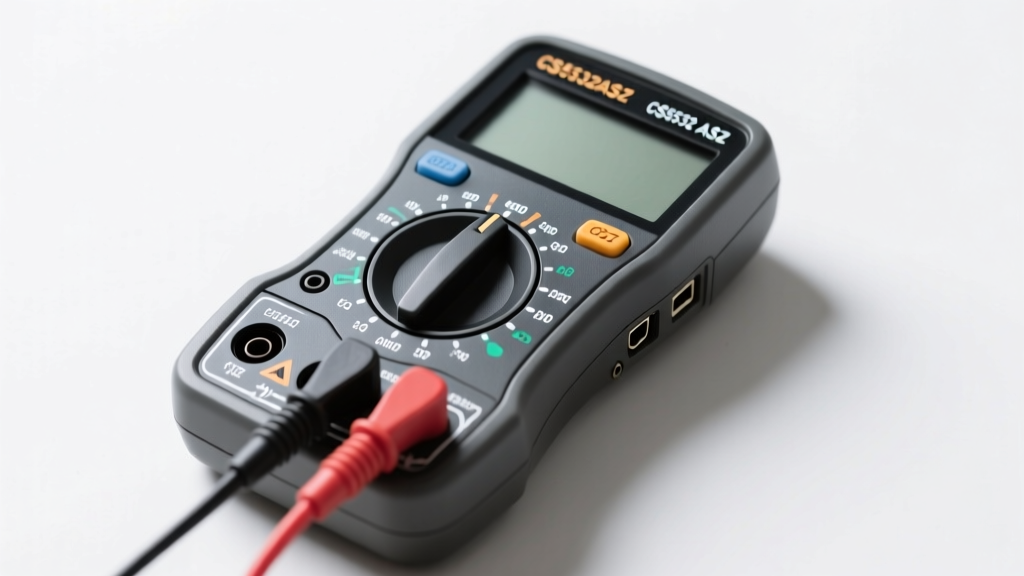
- Use a digital multimeter to check voltage regularly:
- 12.6V or higher = Fully charged
- 12.4V = 75% charged
- 12.2V or below = Needs charging or may be failing
- Perform a load test annually or if starting issues occur. A qualified technician can conduct a more accurate assessment using a battery conductance tester.
- Fluid Level Check (For Non-Sealed Models Only)
- Only applicable to older flooded lead-acid batteries (not gel or AGM).
- If serviceable, check electrolyte levels every 3–6 months.
- Top up with distilled water only—never add acid.
- Overfilling can cause overflow and corrosion; underfilling leads to plate exposure and sulfation.
Environmental Considerations and Battery Longevity
External conditions significantly impact battery performance and lifespan. Understanding these factors helps in proactive maintenance.
- High Temperatures: Prolonged exposure to heat (above 95°F / 35°C) accelerates internal chemical reactions, leading to fluid evaporation (in flooded types) and grid corrosion. Park in shaded areas or garages when possible. Monitor battery health more frequently in hot climates.
- Cold Weather: Low temperatures reduce a battery’s ability to deliver cranking power. A fully charged battery performs better in cold conditions. Consider using a battery blanket or keeping the vehicle in a warmer environment during winter months.
- Moisture and Humidity: Excessive moisture increases the risk of terminal corrosion and short circuits. Keep the battery tray and surrounding area dry. Ensure proper ventilation in the engine bay.
| Maintenance Task | Frequency | Tools Required | Notes |
|---|---|---|---|
| Terminal Inspection & Cleaning | Every 3–6 months | Baking soda, brush, gloves, rag | Prevents voltage drop and starting issues |
| Voltage Check | Monthly | Digital multimeter | Early detection of charge problems |
| Load Test | Annually or as needed | Load tester or professional service | Best done before winter |
| Case Inspection | During each cleaning | Visual check, flashlight | Look for swelling, cracks, leaks |
| Electrolyte Check (if applicable) | Every 3–6 months | Distilled water, funnel | Not for sealed AGM/gel batteries |
Expert Tip: For vehicles used primarily for short trips or stop-start driving, consider installing a battery maintainer or trickle charger during extended periods of inactivity. This prevents sulfation and maintains optimal charge levels, significantly extending battery life.
When to Replace Your 105D31MF Battery
All batteries degrade over time. The average lifespan of a 105D31MF battery is 4–7 years, depending on usage, climate, and maintenance. Watch for these warning signs:
- Slow engine crank or difficulty starting, especially in cold weather
- Dim headlights or electrical accessories losing power
- Dashboard battery warning light illumination
- Frequent need for jump-starts
- Swollen or bloated battery case
- Over 5 years of service with declining performance
If any of these symptoms occur, have the battery professionally tested. A failing battery can leave you stranded and may also strain the alternator and other electrical components.
Remember: Even "maintenance-free" batteries require attention. Regular inspection, cleaning, and monitoring ensure your 105D31MF battery delivers reliable performance when you need it most. When replacement is necessary, choose a high-quality AGM or gel battery suited to your vehicle’s demands—especially if it features stop-start technology or powers high-drain accessories.
Q & A: 105D31MF Car Battery Guide
Q1: Can a 105D31MF car battery be replaced by the same size in different groups?While some battery groups may appear physically similar in size to the 105D31MF, it is not advisable to substitute one group for another—even if dimensions seem compatible. Battery groups are standardized classifications that go beyond just physical size and include critical design elements such as:
- Terminal Position and Polarity: Different groups may have terminals on opposite sides or reversed polarity, which can interfere with cable reach or cause improper connections.
- Post Type and Size: Variations in terminal post design (e.g., top-post vs. side-post) can affect how securely the cables attach and whether they fit at all.
- Internal Plate Configuration: Batteries in different groups are engineered with specific internal structures optimized for performance, cold cranking amps (CCA), and reserve capacity—swapping may compromise engine starting power or longevity.
- Mounting and Retention: The 105D31MF is designed to fit specific trays and hold-down systems; mismatched batteries may not secure properly, increasing vibration damage risk.
Always consult your vehicle’s owner manual or a trusted battery compatibility chart before replacement. Using the correct group ensures optimal fit, function, and safety.
Q2: Is a 105D31MF battery maintenance-free?Most modern 105D31MF batteries—especially those using AGM (Absorbent Glass Mat) or gel technology—are classified as maintenance-free because they are fully sealed and do not require adding water or checking electrolyte levels under normal conditions. However, "maintenance-free" does not mean "no maintenance required."
To ensure long-term reliability and performance:
- Regular Terminal Inspection: Check for corrosion, loose connections, or dirt buildup every few months.
- Cleaning: Clean terminals with a baking soda and water solution if white or blue-green corrosion appears, then apply dielectric grease to prevent future buildup.
- Voltage Monitoring: Use a multimeter periodically to verify the battery holds a healthy charge (12.6V when fully charged, 13.7–14.7V while engine is running).
- Visual Checks: Look for cracks, bulges, or leaks—signs of potential failure.
Note: Flooded lead-acid versions of the 105D31MF (less common) do require occasional water top-ups and more frequent maintenance. Always confirm your battery type before assuming it’s maintenance-free.
Q3: How often should the terminals of the 105D31MF battery be cleaned?It is recommended to clean and inspect the battery terminals at least twice a year, ideally during seasonal maintenance checks (e.g., spring and fall). However, more frequent inspections are beneficial, especially in harsh environments.
Additional times to clean the terminals include:
- When visible corrosion (white, green, or blue powder) builds up around the terminals.
- After long periods of inactivity (e.g., stored vehicles).
- If you experience difficulty starting the engine or electrical issues.
- Following exposure to salt, moisture, or extreme temperatures (common in coastal or winter climates).
During routine vehicle servicing (oil changes, tire rotations), ask your mechanic to inspect the battery terminals. Proactive cleaning prevents voltage drops, poor conductivity, and potential starting failures.
Q4: How can the lifespan of the 105D31MF car battery be prolonged?The average lifespan of a 105D31MF battery ranges from 3 to 5 years, but proper care can extend its performance and reliability. Key practices include:
- Maintain Proper Charge: Avoid deep discharges. Short trips and frequent starts without sufficient recharge time can lead to sulfation. Use a smart battery maintainer if the vehicle sits unused for extended periods.
- Avoid Extreme Temperatures: Heat accelerates internal degradation, while extreme cold increases the demand on the battery. Parking in a garage or using a battery insulator can help regulate temperature exposure.
- Check Electrolyte Levels (if applicable): For non-sealed (flooded) 105D31MF batteries, ensure the electrolyte covers the plates and top up with distilled water when necessary. Sealed AGM/gel types do not require this step.
- Secure the Battery Firmly: A loose battery can suffer internal damage from vibration. Ensure the hold-down clamp is tight and the tray is corrosion-free.
- Keep Terminals Clean and Tight: As discussed, clean connections reduce resistance and improve charging efficiency.
- Monitor Charging System: Have your alternator and voltage regulator checked annually to ensure they are providing the correct output (typically 13.8–14.4V).
By following these best practices, you can maximize the efficiency, safety, and service life of your 105D31MF battery, reducing the risk of unexpected failures and costly replacements.