Running is one of the most accessible and effective forms of cardiovascular exercise, but it can sometimes come with uncomfortable side effects—especially in the lower limbs. One common complaint among runners, from beginners to seasoned athletes, is ankle swelling after a run. While mild swelling may be normal due to increased blood flow and fluid dynamics during activity, persistent or painful swelling warrants attention. Understanding the root causes and knowing how to respond appropriately can help you stay active without compromising joint health.
Ankle swelling isn’t just an aesthetic concern; it can signal inflammation, overuse, minor injury, or underlying circulatory issues. The good news is that most cases are manageable with rest, proper care, and preventive strategies. This article explores the physiological reasons behind post-run ankle swelling, offers practical remedies, and provides actionable steps to keep your joints healthy and your runs pain-free.
What Causes Ankle Swelling After Running?
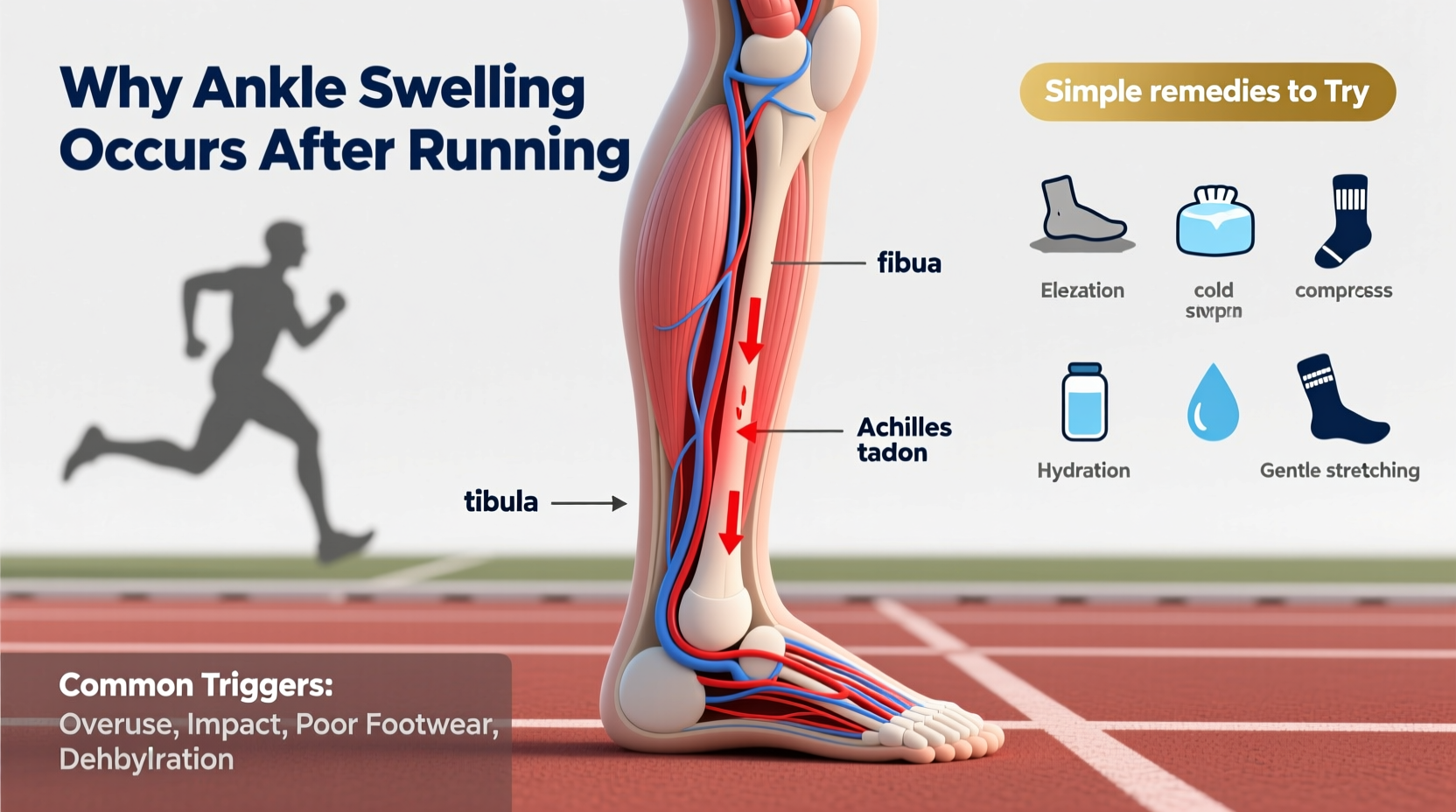
Swelling, or edema, occurs when excess fluid accumulates in the tissues surrounding the ankle joint. During running, several mechanisms contribute to this buildup:
- Increased Blood Flow: Exercise boosts circulation, delivering more blood and fluid to working muscles and joints. As a result, capillaries may leak small amounts of fluid into surrounding tissues.
- Gravity and Prolonged Upright Activity: When you're on your feet for extended periods, gravity pulls fluid downward, pooling in the ankles and feet.
- Mild Inflammation: Repetitive impact from running can cause microtrauma to soft tissues, triggering a localized inflammatory response designed to repair tissue.
- Overuse or Strain: Pushing too hard, increasing mileage too quickly, or running on uneven terrain can strain ligaments or tendons, leading to swelling.
- Poor Biomechanics: Overpronation, flat feet, or inadequate footwear can place abnormal stress on the ankle, contributing to inflammation.
In most cases, this type of swelling is temporary and resolves within a few hours. However, if swelling persists beyond 24 hours, worsens with each run, or is accompanied by pain, redness, or warmth, it may indicate a more serious condition such as a sprain, tendonitis, or even a stress fracture.
“Post-exercise swelling is often benign, but chronic or asymmetric swelling should never be ignored. It’s the body’s way of signaling that something needs adjustment—whether in training load, footwear, or recovery.” — Dr. Lena Patel, Sports Medicine Physician
Simple Remedies to Reduce Ankle Swelling
Most mild cases of ankle swelling respond well to conservative, at-home treatments. The goal is to reduce inflammation, encourage fluid drainage, and support healing without disrupting your fitness routine.
Elevate Your Legs
After a run, lie down and elevate your legs above heart level for 15–20 minutes. This uses gravity to help return pooled fluid to the central circulation. Use pillows under your calves—never directly under the knee—to maintain proper alignment.
Apply Cold Therapy
Cold reduces blood flow to the area, minimizing inflammation and numbing discomfort. Wrap an ice pack in a thin towel and apply it to the swollen area for 15 minutes at a time, every 1–2 hours during the first few hours post-run. Avoid direct skin contact to prevent frostbite.
Tip: Freeze a water bottle and roll your foot over it for targeted cooling and gentle massage.Compress with Supportive Gear
Compression socks or ankle sleeves can help prevent fluid accumulation during and after running. Look for graduated compression (15–20 mmHg) that’s tighter at the ankle and looser up the calf. Wear them during longer runs or immediately after activity if swelling tends to occur.
Stay Hydrated
Dehydration can actually worsen swelling because the body retains fluid when it senses low hydration levels. Drink water consistently throughout the day—not just during or after your run. Aim for pale yellow urine as a sign of adequate hydration.
Move Gently Post-Run
While rest is important, complete immobility can hinder fluid reabsorption. Engage in light walking or perform ankle circles and alphabet tracing with your toes to stimulate lymphatic drainage.
When to Seek Medical Attention
Not all ankle swelling is created equal. While many cases resolve with self-care, certain symptoms suggest a need for professional evaluation:
| Symptom | May Indicate | Action Step |
|---|---|---|
| Severe pain with swelling | Ligament tear or fracture | See a doctor; imaging may be needed |
| Swelling only in one ankle | Deep vein thrombosis (DVT), sprain | Seek immediate medical advice |
| Redness, warmth, fever | Infection or inflammatory arthritis | Consult healthcare provider promptly |
| Swelling that worsens over days | Tendonitis, bursitis, or chronic overuse | Rest and see a sports medicine specialist |
If you experience sudden, unexplained swelling in one leg, especially if it's tender and warm, do not delay medical consultation. Deep vein thrombosis is rare but potentially life-threatening and requires urgent treatment.
Preventive Strategies for Runners
Preventing ankle swelling starts with smart training habits and attention to biomechanical details. Incorporating these practices into your routine can significantly reduce your risk:
- Gradually Increase Mileage: Follow the 10% rule—don’t increase weekly distance by more than 10% to avoid overloading tissues.
- Wear Proper Running Shoes: Replace shoes every 300–500 miles. Choose models that match your foot type (neutral, stability, motion control).
- Strengthen Supporting Muscles: Weak calves, peroneals, and tibialis anterior muscles can destabilize the ankle. Include exercises like heel raises, resisted eversion, and single-leg balance drills.
- Warm Up and Cool Down: Dynamic stretches before running prepare joints for impact. Static stretching afterward improves flexibility and circulation.
- Avoid Running on Uneven Surfaces: Trails with rocks or cambered roads increase ankle instability and strain.
Mini Case Study: Recovering From Recurrent Ankle Swelling
Jamie, a 34-year-old recreational runner, began experiencing moderate ankle swelling after every long run. Initially dismissing it as normal fatigue, she noticed the swelling lasted longer each week and was accompanied by stiffness. After two months, she consulted a physical therapist who identified weak hip abductors and overpronation as contributing factors. Jamie switched to stability shoes, started a strength program focusing on glutes and calves, and incorporated compression socks on runs over five miles. Within six weeks, her swelling resolved completely, and her running efficiency improved.
Step-by-Step Recovery Plan for Swollen Ankles
If you notice ankle swelling after a run, follow this timeline to promote recovery and prevent escalation:
- Immediately After Run (0–30 min): Elevate legs, apply ice for 15 minutes, hydrate with water or electrolyte drink.
- 1–2 Hours Post-Run: Gently move the ankle through its range of motion. Consider wearing compression gear.
- Next 24 Hours: Avoid prolonged standing. Repeat icing 3–4 times if swelling persists. Use NSAIDs (e.g., ibuprofen) only if needed for pain—avoid routine use as it may impair tissue healing.
- Day 2: Assess improvement. If swelling remains, skip high-impact activity. Try swimming or cycling instead.
- Day 3–7: Gradually resume running at reduced intensity and duration. Monitor for recurrence. If swelling returns, stop and reassess footwear, form, or training load.
Frequently Asked Questions
Is ankle swelling after running normal?
Some degree of mild, temporary swelling can be normal, especially after long or intense runs. However, persistent or painful swelling is not typical and should be evaluated.
Can dehydration cause swollen ankles?
Yes. Paradoxically, when dehydrated, the body may retain fluid to maintain blood volume, leading to edema in the lower extremities. Consistent hydration helps regulate fluid balance.
Should I stop running if my ankle swells?
Not necessarily. If swelling is mild and resolves quickly, adjust your recovery routine and consider preventive measures. But if swelling is severe, painful, or recurrent, take a break and consult a healthcare provider to rule out injury.
Conclusion: Listen to Your Body and Act Early
Ankle swelling after running doesn’t have to sideline you. By understanding the causes—from natural fluid shifts to mechanical stress—you gain the power to respond effectively. Simple remedies like elevation, cold therapy, and compression can make a significant difference. More importantly, adopting preventive habits such as proper footwear, strength training, and gradual progression builds resilience over time.
Your body communicates through signals like swelling. Ignoring them can lead to chronic issues, but responding with informed care keeps you moving safely and sustainably. Whether you're training for a 5K or logging daily miles, prioritize joint health as much as distance or speed.
💬 Have you experienced ankle swelling after running? What helped you recover? Share your story in the comments to support fellow runners!








