
The Ultimate Fighting Championship (UFC) has evolved from a niche spectacle into a global sports phenomenon. At the heart of its rise are the warriors who stepped into the Octagon with skill, courage, and charisma. While statistics matter, true greatness in MMA often transcends win-loss records. It’s about impact—how a fighter changed the game, inspired fans, and left an indelible mark on the sport. From pioneers to modern icons, the UFC’s pantheon of legends reflects both athletic brilliance and cultural influence.
The Criteria for Greatness: More Than Just Wins
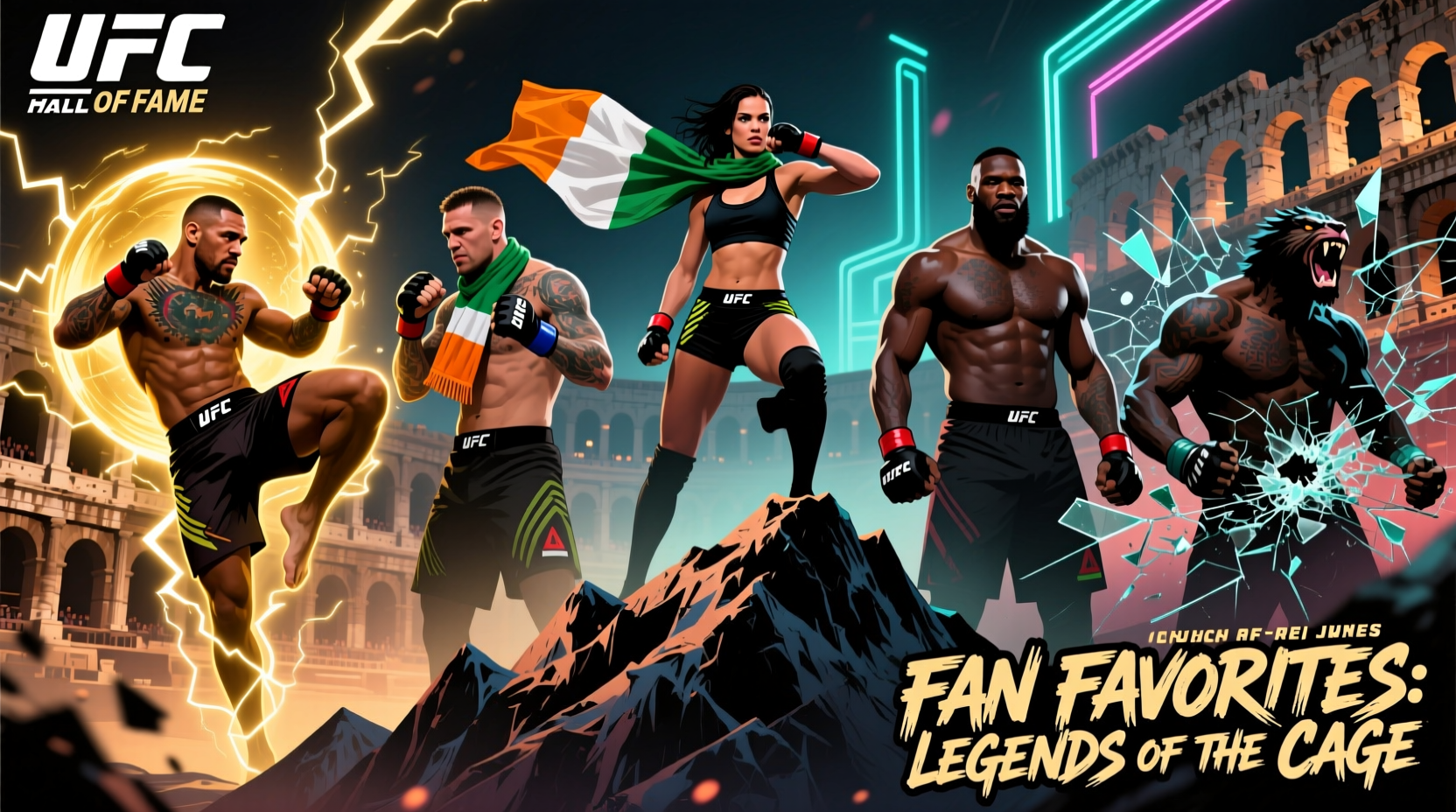
Evaluating the best UFC fighters isn’t solely about title reigns or knockout counts. Longevity, dominance across eras, innovation in technique, and fan connection play crucial roles. A fighter like Anderson Silva didn’t just hold the middleweight title for 2,457 days—he redefined what was possible in striking within MMA. Similarly, Conor McGregor brought mainstream attention to the UFC like no other, merging elite performance with unmatched showmanship.
Fans often gravitate toward athletes who display not only technical mastery but also personality, resilience, and dramatic storytelling inside the cage. These qualities turn bouts into moments etched in memory: Chuck Liddell’s overhand right, Jon Jones’ unorthodox elbows, or Amanda Nunes finishing Cris Cyborg in 51 seconds.
Tip: When debating all-time greats, consider influence beyond the record—how a fighter elevated their division or inspired future generations.Legends of the Octagon: Fan-Favorite Picks
While rankings vary by outlet and era, certain names consistently top fan polls and expert lists. These fighters earned loyalty not just through victory, but through unforgettable performances and personal magnetism.
Anderson Silva – The Spider Who Weaved Perfection
At his peak, Silva was untouchable. His 16-fight winning streak in the UFC included seven successful title defenses. Known for his hypnotic footwork, timing, and calm under pressure, he dismantled top contenders like Vitor Belfort, Chael Sonnen, and Rich Franklin. His backflip kick knockout of Chris Weidman remains one of the most iconic non-finishing strikes in UFC history.
Conor McGregor – The Global Superstar
McGregor fused trash talk with precision striking to become the face of the UFC in the 2010s. He became the first simultaneous two-division champion by defeating Eddie Alvarez and José Aldo. Beyond titles, his role in bringing UFC to mainstream audiences—especially in Europe and North America—cemented his legacy as a transformative figure.
Demetrious “Mighty Mouse” Johnson – The Underrated Genius
Though less recognized outside hardcore circles, Johnson dominated the flyweight division like no other. His 11-title defense streak at 125 pounds showcased relentless pace, grappling acumen, and fight IQ. Dana White once admitted overlooking Johnson’s greatness due to the division’s lower profile—a regret many fans share.
Amanda Nunes – The Lioness of Combat Sports
Nunes stands as the gold standard in women’s MMA. Her victories over Ronda Rousey, Cris Cyborg, and Valentina Shevchenko proved her dominance across weight classes. With power, speed, and composure, she elevated women’s fighting to new heights and retired widely regarded as the greatest female fighter ever.
“Greatness isn't just about winning. It's about rising when everything is against you.” — Amanda Nunes after defeating Shevchenko at UFC 259
Impact Across Eras: How Legends Shaped Divisions
The UFC’s evolution can be traced through dominant champions who redefined their weight classes. Each brought something unique—whether it was tactical innovation, physical dominance, or media savvy.
| Fighter | Division | Key Legacy | Title Defenses |
|---|---|---|---|
| Jon Jones | Light Heavyweight | Longest reigning champ; technical innovator | 11 |
| Georges St-Pierre | Welterweight | Balanced excellence in all facets of MMA | 9 |
| Khabib Nurmagomedov | Lightweight | Unbeaten; master of sambo and pressure grappling | 3 |
| Tito Ortiz | Light Heavyweight | Early UFC star who helped save the organization | 5 |
| Ronda Rousey | Bantamweight (Women) | Pioneer who mainstreamed women’s MMA | 6 |
Figures like Tito Ortiz played pivotal roles during the UFC’s near-collapse in the early 2000s. His rivalry with Chuck Liddell drew record pay-per-views and kept the promotion afloat. Meanwhile, Khabib’s undefeated 29–0 record and disciplined lifestyle resonated globally, particularly in Muslim-majority regions where he became a symbol of faith and focus.
The Making of a Legacy: What Fighters Can Learn
For aspiring athletes and dedicated fans alike, studying these legends offers practical lessons. Lasting impact doesn’t come overnight—it’s built through consistency, adaptability, and emotional intelligence.
Step-by-Step Guide to Building a Fighter’s Legacy
- Master Your Craft: Become technically proficient in at least two disciplines (e.g., wrestling and striking).
- Stay Healthy and Consistent: Avoid long layoffs; maintain a smart fight schedule.
- Develop a Persona: Authenticity wins fans. Whether humble or brash, be memorable.
- Face Top Competition: Avoid padding records. Beat the best to earn respect.
- Give Back to the Sport: Mentor newcomers, support gyms, and uphold integrity.
Mini Case Study: The Rise and Fall of Ronda Rousey
Ronda Rousey burst onto the scene with a string of first-round armbar finishes, quickly becoming a household name. Her Olympic judo background gave her a unique edge, and her confidence captivated audiences. By 2015, she was on magazine covers and headlining WWE events before even retiring from the UFC.
But her loss to Holly Holm at UFC 193 shocked the world. The defeat exposed gaps in her striking defense and sparked debate about specialization versus well-roundedness. Though she attempted a comeback, losses to Amanda Nunes ended her MMA career.
Yet, Rousey’s legacy endures. She opened doors for women in combat sports, proving they could headline major cards and draw millions. Without her, stars like Zhang Weili, Rose Namajunas, and Julianna Peña might not have had the same platform.
Frequently Asked Questions
Who is considered the GOAT in UFC history?
There’s no universal answer, but Jon Jones is most frequently cited due to his long reign, technical superiority, and wins over elite opponents. Others argue for Anderson Silva or Georges St-Pierre based on dominance and influence.
Why do fans love Conor McGregor so much?
McGregor combines elite-level striking, confidence, and entertainment value. His ability to predict knockouts, engage in compelling rivalries, and market himself made him a crossover star unlike any other in UFC history.
Can current fighters match past legends?
Yes—fighters like Israel Adesanya, Alexander Volkanovski, and Leon Edwards are building strong resumes. However, matching the cultural impact of past icons requires more than titles; it demands timing, personality, and historic moments.
Conclusion: Honor the Past, Inspire the Future
The greatest UFC fighters aren’t just champions—they’re storytellers, pioneers, and symbols of human potential. Their fights transcend sport, becoming moments of drama, triumph, and sometimes heartbreak. Whether it’s Chuck Liddell lighting up the Las Vegas Strip or Valentina Shevchenko displaying surgical precision, each legend contributes to the rich tapestry of MMA.
As new stars emerge, they stand on the shoulders of those who came before. Fans keep these memories alive—not just through replays, but by passing down their stories, techniques, and spirit. The Octagon will always welcome new heroes, but the ones who shaped its legacy remain eternal.
💬 Who’s your all-time favorite UFC fighter? Share your pick and why they made history in the comments below.








