
Sportswear has evolved from simple gym attire into a high-performance fashion category where engineering meets aesthetics. Today’s athletes and active consumers demand more than just looks—they expect moisture-wicking fabrics, strategic ventilation, compression support, and seamless movement. Designing successful sportswear means understanding both biomechanics and brand identity. This guide breaks down the essential steps, materials, and strategies to create athletic apparel that performs under pressure and stands out on the shelf.
Understanding the Purpose: Function First, Style Second
The foundation of any great sportswear piece is its intended use. A running jacket requires different features than a yoga legging or a football jersey. Begin every design process by answering three key questions:
- What activity will this garment be used for?
- What environmental conditions will it face?
- What physical demands will the wearer experience?
For example, trail running gear must resist abrasion, manage sweat efficiently, and allow full range of motion, while swimwear needs chlorine resistance, hydrodynamic shaping, and minimal water retention. Misalignment between function and form leads to discomfort, poor performance, and short product life.
“Designing sportswear isn’t about making clothes that look athletic—it’s about solving problems the body encounters during movement.” — Lena Torres, Senior Performance Designer at Apex Active
Step-by-Step Guide to Designing High-Performance Sportswear
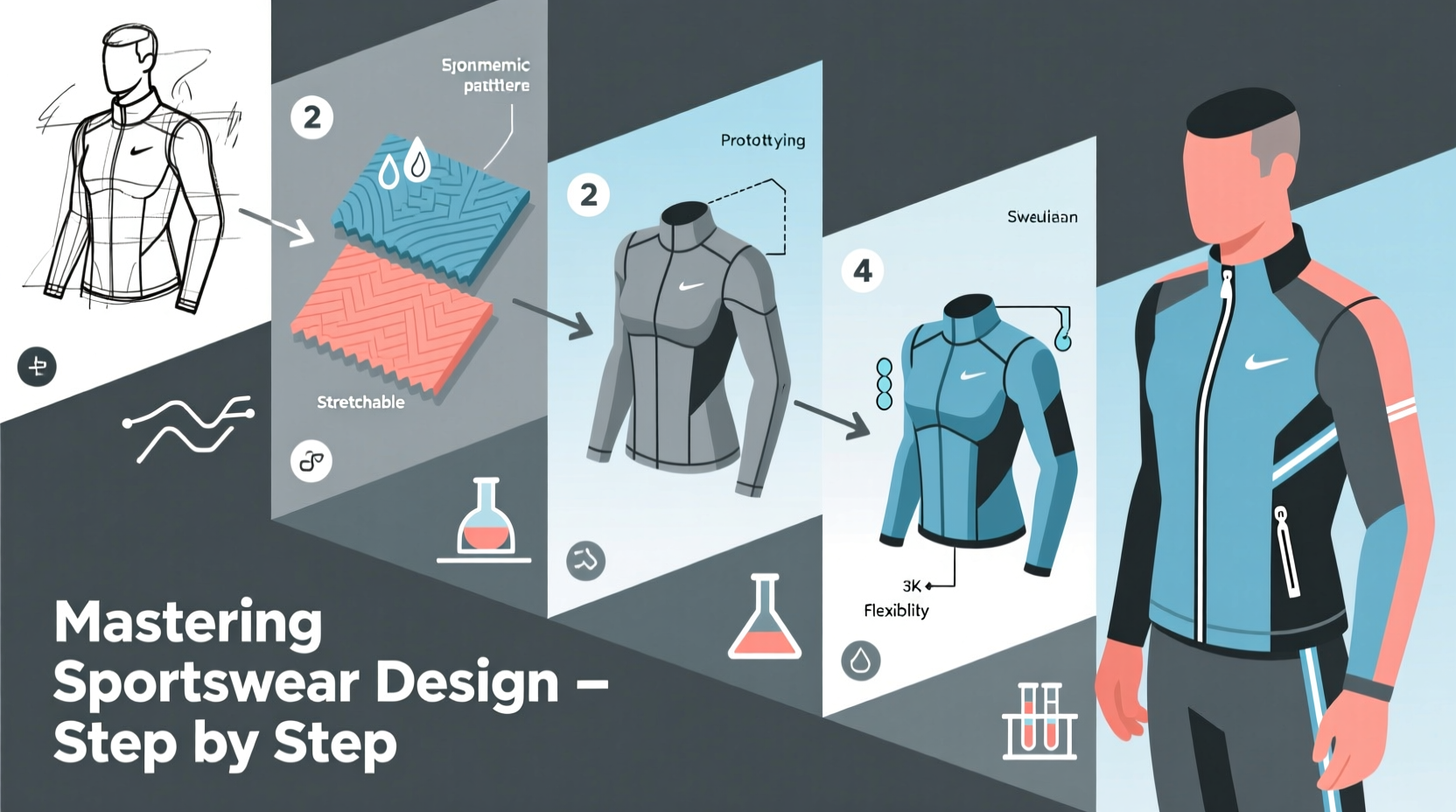
Creating effective athletic apparel follows a structured workflow. Each phase builds on the last, ensuring technical precision and creative cohesion.
- Research & Define the User Profile
Identify your target athlete: age, gender, fitness level, lifestyle habits, and pain points. Are they weekend warriors or elite competitors? Their needs shape fabric choices, fit preferences, and feature priorities. - Analyze Movement Patterns
Use motion capture videos or collaborate with kinesiologists to map how the body moves during the target activity. Note areas of high stretch (like knees or shoulders) and friction zones (inner thighs, underarms). - Select Technical Fabrics
Choose materials based on breathability, elasticity, durability, and moisture management. Common options include polyester blends, nylon-spandex composites, and recycled performance fibers. - Create Functional Patterns
Develop patterns using ergonomic cutting techniques—such as articulated seams, gussets, or four-way stretch panels—to enhance mobility and reduce chafing. - Integrate Smart Features
Add performance-driven details: laser-cut ventilation, bonded seams for reduced irritation, zippered pockets for secure storage, or reflective trims for visibility. - Prototype and Test
Produce samples and conduct wear tests under real-world conditions. Gather feedback on fit, comfort, temperature regulation, and durability. - Refine and Scale
Adjust designs based on testing insights. Finalize tech packs with detailed specifications before moving to production.
Material Selection: The Backbone of Performance Apparel
Fabric choice directly impacts comfort, longevity, and functionality. Below is a comparison of common sportswear materials and their ideal applications.
| Fabric Type | Key Properties | Best For | Avoid In |
|---|---|---|---|
| Polyester-Spandex Blend | Moisture-wicking, durable, moderate stretch | Running tights, training tops | High-heat environments (can trap heat) |
| Nylon-Elastane | Soft hand feel, excellent recovery, abrasion-resistant | Yoga wear, swimwear, base layers | Direct UV exposure without treatment |
| Mechanical Stretch Cotton | Breathable, natural feel, limited wicking | Casual athleisure | High-intensity workouts |
| Recycled Polyesters (e.g., ECONYL®) | Sustainable, comparable performance to virgin synthetics | Eco-conscious activewear lines | Low-budget productions (higher cost) |
Emerging innovations like phase-change materials (PCMs) and biodegradable yarns are reshaping the industry. Brands like Patagonia and Lululemon have invested heavily in closed-loop recycling and temperature-regulating textiles, setting new standards for sustainability and performance.
Designing for Fit, Comfort, and Aesthetics
Even the most technically advanced garment fails if it doesn’t feel good to wear. Fit is subjective but can be standardized through data-driven sizing and inclusive grading.
- Use 3D body scanning data to refine size charts across diverse body types.
- Incorporate flatlock or bonded seams to minimize skin irritation.
- Apply gradient compression in leggings or sleeves to improve circulation.
- Balance bold color blocking with neutral tones for visual appeal without distraction.
Color psychology also plays a role—bright hues increase visibility and energy perception, while darker tones offer slimming effects and hide stains. Reflective accents should be integrated not just for safety but as design elements.
Mini Case Study: From Concept to Court – Designing a Volleyball Jersey
A startup sportswear brand aimed to launch a premium volleyball jersey line for collegiate teams. Initial prototypes used standard polyester mesh, but players reported overheating and shoulder seam chafing during long matches.
The design team revisited the movement analysis and discovered excessive arm elevation and rotational stress. They switched to a lightweight, diamond-knit fabric with built-in ventilation zones under the arms and along the spine. Seams were repositioned away from shoulder joints and finished with ultrasonic welding.
After field testing with two university teams, 94% of athletes reported improved breathability and freedom of movement. The final product combined team colors with dynamic diagonal stripes, enhancing both visibility and aesthetic identity.
Checklist: Key Steps Before Finalizing Your Sportswear Design
- ✅ Defined primary sport and user profile
- ✅ Researched biomechanical demands of the activity
- ✅ Selected appropriate moisture-wicking, stretchable fabric
- ✅ Designed pattern with articulated seams and gussets where needed
- ✅ Integrated performance features (ventilation, secure pockets, etc.)
- ✅ Prototyped and conducted real-world wear testing
- ✅ Verified wash durability and colorfastness
- ✅ Ensured inclusive sizing and gender-specific fits
Frequently Asked Questions
Can cotton be used in performance sportswear?
Traditional cotton absorbs moisture and retains sweat, which can lead to discomfort and chafing during intense activity. While it works for low-impact, casual wear, technical garments should prioritize synthetic or blended fabrics engineered for moisture management.
How do I make sportswear more sustainable?
Start by sourcing certified recycled materials like rPET or ECONYL®. Use eco-friendly dyes, minimize offcuts through efficient pattern layout, and consider offering a take-back program for end-of-life garments. Transparency in your supply chain also builds consumer trust.
What’s the difference between compression and regular activewear?
Compression garments apply graduated pressure to muscles, which may improve blood flow and reduce fatigue. They’re tighter fitting and often used in recovery or endurance sports. Regular activewear prioritizes comfort and flexibility but doesn’t provide therapeutic pressure.
Conclusion: Elevate Your Craft Through Intentional Design
Mastering sportswear design is not just about stitching fabric together—it’s about solving real human challenges through innovation, empathy, and precision. Whether you're launching a niche brand or refining an existing line, every decision, from fiber selection to seam placement, impacts performance and perception.
The best athletic apparel disappears on the body, allowing the athlete to focus solely on their movement. When function and style align seamlessly, you don’t just create clothing—you empower action.
💬 Ready to bring your vision to life? Start sketching, prototyping, and testing today. Share your journey or ask questions in the comments—let’s build the future of sportswear together.








