
When it comes to alpine adventures, your outerwear does more than make a fashion statement—it’s your first line of defense against wind, snow, and subzero temperatures. While traditional ski jackets dominate the slopes, the double breasted coat is emerging as a refined alternative that blends heritage elegance with modern performance. But not all double breasted coats are built for skiing. Choosing one that delivers both comfort and style requires careful consideration of materials, cut, insulation, and weather resistance. This guide breaks down what to look for, how to test functionality, and how to stay sharp without sacrificing safety or warmth.
Understanding the Double Breasted Design in Cold Weather Performance
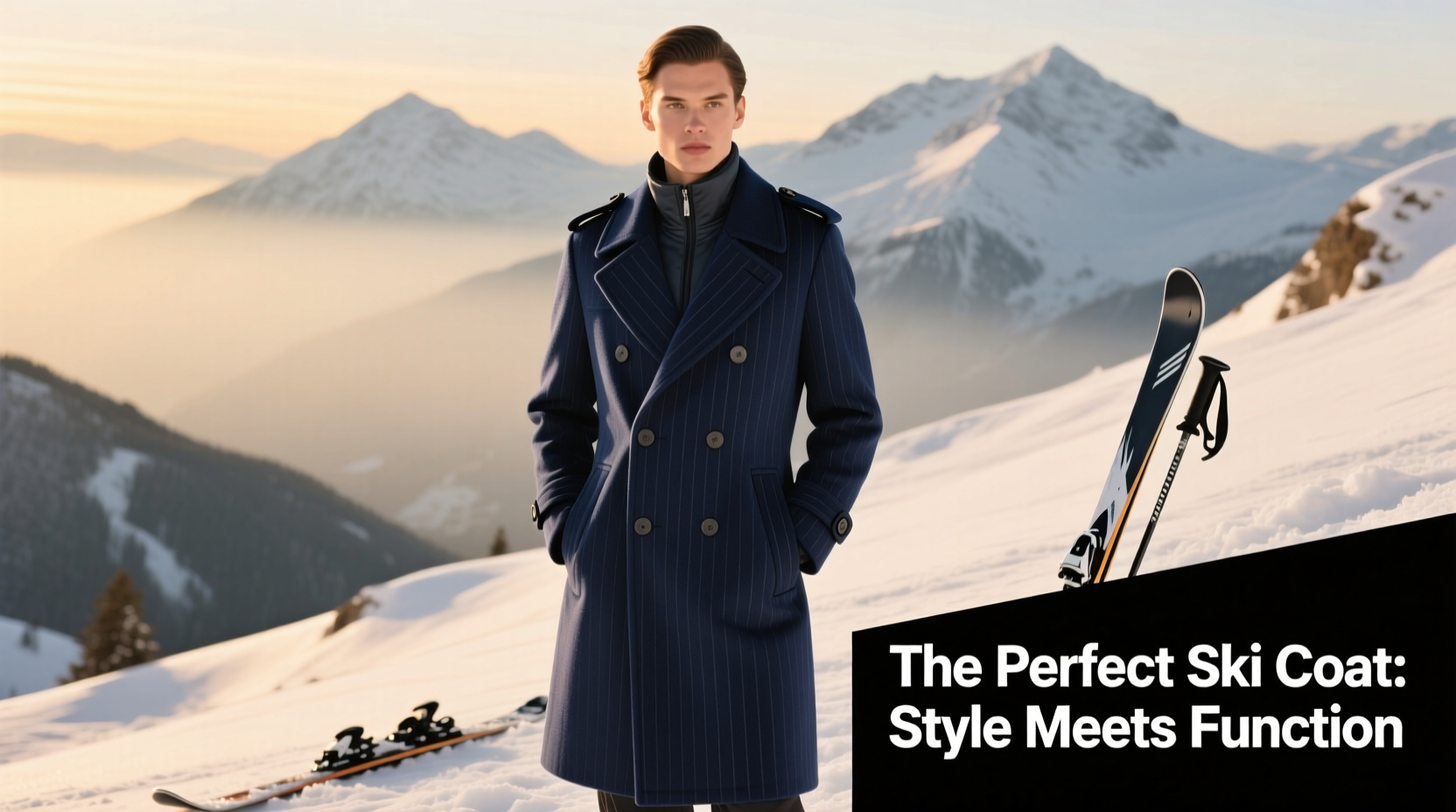
The double breasted silhouette—characterized by overlapping front panels secured with two parallel rows of buttons—originated in naval uniforms for its ability to block wind and water. That same principle applies powerfully in mountain environments. The dual-layer front creates a natural windbreak, reducing cold air infiltration around the torso, which is especially valuable when riding lifts or hiking to backcountry zones.
However, the classic structure of a double breasted coat can sometimes restrict movement if not adapted properly. Traditional wool overcoats, while stylish, lack breathability and moisture-wicking properties essential for active skiing. The ideal ski-ready version merges this architectural design with technical fabrics and ergonomic tailoring.
Tip: Look for double breasted coats with articulated sleeves and underarm gussets to maintain full range of motion while skiing.Key Features to Prioritize for Skiing Functionality
Style should never come at the expense of performance when you're thousands of feet above sea level. A well-chosen double breasted coat must meet specific functional benchmarks:
- Weatherproof Outer Shell: Opt for tightly woven, laminated fabrics like Gore-Tex, Dermizax, or recycled nylon with a Durable Water Repellent (DWR) finish. These materials resist snow penetration and shed moisture efficiently.
- Insulation Type: Down offers superior warmth-to-weight ratio but loses efficacy when wet. Synthetic insulation (e.g., PrimaLoft) performs better in damp conditions and dries faster—ideal for variable mountain climates.
- Ventilation Options: Underarm zips or rear storm flaps allow heat regulation during high-exertion phases like skinning or climbing.
- Hood Compatibility: Ensure the collar accommodates a helmet and that the hood adjusts securely over headgear without obstructing vision.
- Length and Fit: Longer hemlines protect the lower back when bending forward on skis, but avoid excessive bulk that hampers mobility.
“Skiing demands dynamic layering. A double breasted coat works best when designed with athletic tapering and stretch zones.” — Lars Madsen, Outdoor Apparel Designer at Alpine Threadworks
Material Comparison: Balancing Warmth, Weight, and Durability
Selecting the right fabric combination is critical. Below is a comparison of common materials used in performance-oriented double breasted outerwear:
| Material | Warmth | Breathability | Water Resistance | Best For |
|---|---|---|---|---|
| 850-fill Power Down | ★★★★★ | ★★★☆☆ | ★☆☆☆☆ (unless treated) | Cold, dry alpine conditions |
| PrimaLoft Gold | ★★★★☆ | ★★★★☆ | ★★★★★ | Variable weather, resort skiing |
| Wool Blend (with membrane) | ★★★☆☆ | ★★★★☆ | ★★★☆☆ | Stylish off-piste outings, moderate activity |
| Recycled Nylon + DWR | ★★☆☆☆ (shell only) | ★★★★★ | ★★★★☆ | Shell layer over insulated mid-layers |
Step-by-Step: How to Choose Your Ideal Ski-Ready Double Breasted Coat
- Assess Your Skiing Environment: Are you primarily skiing in dry, frigid mountains (favor down), or wet, coastal ranges (favor synthetic)? This determines insulation needs.
- Determine Layering Strategy: Will the coat serve as your primary insulator or as a shell? If layering heavily, opt for a slightly looser fit.
- Test Mobility: Simulate skiing motions—bend forward, raise arms, twist torso—in-store or during virtual try-ons to check for binding at the waist or shoulders.
- Evaluate Closure System: Buttons alone may not suffice. Look for hidden snap plackets or inner storm flaps beneath the button rows to prevent wind leakage.
- Check Pocket Placement: Pockets should sit above hip belt level to remain accessible when wearing a backpack or harness.
- Verify Hood and Cuff Details: Adjustable cuffs (Velcro or elastic) seal out snow, while a stiffened hood brim improves visibility in blizzards.
- Review Sustainability & Care: Prefer brands using recycled materials and offering repair programs. Machine washable options reduce long-term maintenance hassle.
Real-World Example: From City Commute to Backcountry Traverse
Consider Sarah Kim, a designer based in Innsbruck who commutes daily by bike and weekends skis in the Stubai Alps. She wanted a coat that transitioned seamlessly between urban life and alpine terrain. After testing several styles, she chose a double breasted model made from recycled polyester with PrimaLoft Silver insulation, a helmet-compatible hood, and discreet underarm vents. The tailored chest and structured lapels gave her a polished look for client meetings, while the reinforced shoulders and waterproof zippers held up during a surprise snowstorm on a ridge descent. Her experience underscores that versatility isn’t theoretical—it’s achievable with intentional design choices.
Tip: Try on your coat with your full ski layering system—base layer, mid-layer, and pack—to ensure realistic fit and comfort.Do’s and Don’ts When Buying a Double Breasted Ski Coat
| Do’s | Don’ts |
|---|---|
| ✔ Choose a model with internal powder skirt | ✖ Prioritize aesthetics over seam sealing |
| ✔ Ensure button spacing allows partial opening for ventilation | ✖ Buy oversized to “layer later”—it compromises wind protection |
| ✔ Look for RECCO reflectors or avalanche safety integration | ✖ Ignore care instructions—technical coatings degrade if improperly cleaned |
Frequently Asked Questions
Can a double breasted coat be as warm as a traditional ski jacket?
Yes, provided it uses comparable insulation, has sealed seams, and includes features like a high collar and storm flap. The double layer of fabric across the chest often provides superior wind resistance compared to single-layer jackets.
Are double breasted coats suitable for aggressive skiing or off-piste terrain?
They can be, but only if specifically engineered for performance. Look for models marketed as “hybrid alpine” or “technical heritage” wear, which combine tailored aesthetics with stretch panels, lightweight membranes, and ergonomic patterning.
How do I maintain the look and function over time?
Clean according to manufacturer guidelines using tech-wear detergents. Reapply DWR treatments annually. Store on a wide hanger to preserve shoulder shape and avoid compressing insulation.
Final Thoughts: Elevate Your Mountain Experience Without Compromise
The double breasted coat no longer belongs solely to city sidewalks and formal occasions. With advancements in textile engineering and pattern design, it’s now possible to own a piece that honors sartorial tradition while meeting the rigorous demands of alpine sports. The perfect ski-ready double breasted coat balances form and function—keeping you warm, dry, and mobile while turning heads at the lodge or base camp.
🚀 Ready to upgrade your ski wardrobe? Start by identifying one performance gap in your current outerwear—then seek a double breasted option that closes it without sacrificing style. Your next descent deserves both comfort and confidence.








