For cyclists who rely on audio—whether it’s music for motivation, GPS navigation, or podcast entertainment—the traditional combination of sunglasses and wireless earbuds has long been the go-to setup. But a new category of eyewear is challenging that norm: smart glasses with built-in speakers and microphones. Among them, Lige Sports Smart Glasses have emerged as a compelling option. The question isn’t just whether they work—but whether they’re good enough to replace your trusted cycling glasses and earbuds combo.
This article dives deep into the practical realities of switching from conventional gear to integrated audio eyewear. We’ll compare performance, safety, comfort, durability, and value—helping you determine if now is the time to make the leap.
How Smart Audio Glasses Work
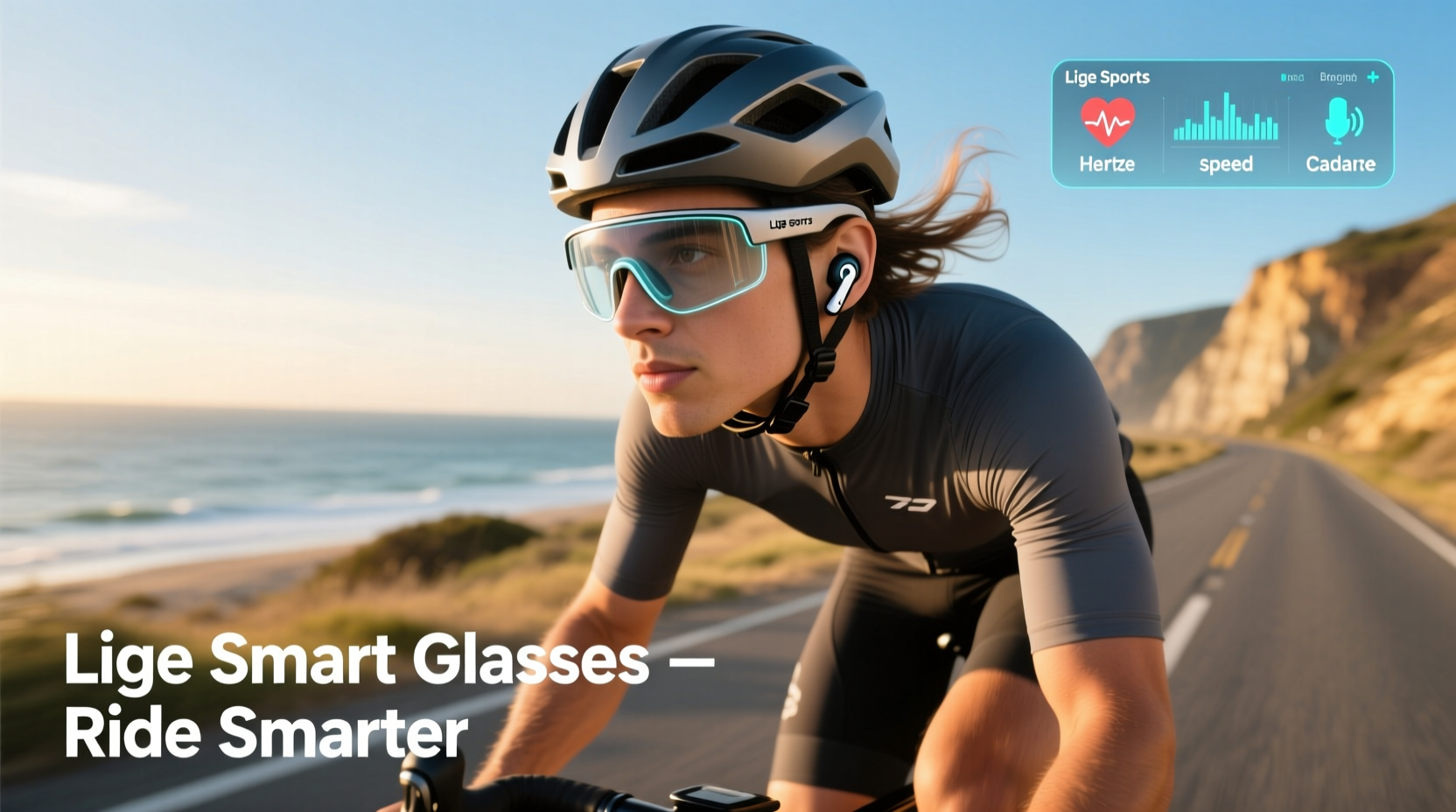
Lige Sports Smart Glasses use open-ear audio technology, typically bone conduction or directional speakers mounted near the temples. Unlike earbuds that seal the ear canal, these glasses project sound outward, allowing ambient noise to remain audible. This design prioritizes situational awareness—a critical factor for cyclists sharing roads with traffic, pedestrians, and other hazards.
The frames house rechargeable batteries, Bluetooth connectivity, touch controls, and sometimes even UV protection and polarized lenses. They pair seamlessly with smartphones, enabling calls, voice assistant access, and media playback—all without blocking your ears.
Tip: Always test audio clarity in outdoor environments before relying on smart glasses for navigation during long rides.Key Differences: Lige Smart Glasses vs. Cycling Glasses + Earbuds
The decision hinges on understanding trade-offs. Each system offers distinct advantages depending on your priorities—safety, sound quality, fit, or multi-device functionality.
| Feature | Lige Sports Smart Glasses | Cycling Glasses + Earbuds |
|---|---|---|
| Awareness & Safety | High – Open-ear design keeps ambient sounds clear | Low to Moderate – Earbuds can block traffic noise |
| Audio Quality | Moderate – Clear voice, limited bass; affected by wind | High – Especially with premium earbuds (e.g., AirPods Pro) |
| Comfort Over Time | High – No ear pressure; lightweight frame | Variable – Ear fatigue common after 1–2 hours |
| Weather Resistance | Moderate – Not fully waterproof; avoid heavy rain | Varies – Some earbuds are IPX7 rated |
| Battery Life | 4–6 hours typical | Glasses: unlimited | Earbuds: 4–8 hours |
| Price | $80–$130 | $50–$250+ (glasses + earbuds) |
When Smart Glasses Shine: Real-World Use Cases
Consider Mark, a daily commuter cyclist in Portland, Oregon. He used to wear polarized Oakley Jawbreakers with AirPods. While the setup worked, he often missed auditory cues—car horns, bike bells, approaching sirens—because his earbuds were too effective at noise isolation.
After switching to Lige Sports Smart Glasses, Mark noticed an immediate improvement in road awareness. “I still get my turn-by-turn directions and listen to morning news briefings,” he said, “but now I hear everything around me. It feels safer.”
For riders like Mark, especially those navigating urban environments, the safety advantage outweighs minor compromises in audio fidelity. Additionally, eliminating earbuds reduces discomfort during longer commutes and removes the risk of losing one bud mid-ride.
“Open-ear audio devices represent a significant advancement in active-safety tech for cyclists. Awareness is not a luxury—it's a necessity.” — Dr. Lena Torres, Urban Mobility Researcher, MIT Transportation Lab
Where Traditional Setups Still Win
If your priority is immersive audio—such as listening to high-fidelity music or podcasts during long solo rides in quiet areas—traditional earbuds still offer superior sound. Premium models with active noise cancellation create an audio experience that directional speakers simply can't match.
Additionally, many serious athletes prefer dedicated cycling sunglasses with optimized lens tints, ventilation, and aerodynamic design. Most smart glasses, including Lige’s models, prioritize tech integration over elite optical engineering. Cyclists training for endurance events may find the lens quality or fit less than ideal compared to specialized sport optics.
Battery life is another constraint. While earbuds can be recharged mid-ride via portable cases, smart glasses require full charging downtime. A six-hour ride could drain the battery halfway through, cutting off navigation or communication capabilities.
Checklist: Is Switching Right for You?
- ✅ Do you ride in traffic-heavy or unpredictable environments?
- ✅ Are you frustrated by earbud discomfort during long rides?
- ✅ Do you frequently take calls or use voice navigation while cycling?
- ✅ Are you willing to compromise some audio richness for greater safety?
- ✅ Do you value minimalism and reducing gear clutter?
If you answered “yes” to most of these, Lige Sports Smart Glasses—or similar audio-integrated eyewear—could be a smart upgrade.
Practical Tips for Getting the Most Out of Smart Glasses
Even the best tech performs poorly without proper usage habits. Here’s how to maximize your investment:
Tip: Adjust speaker angle by slightly bending the arms—this can improve sound direction and reduce wind interference.- Pair with a handlebar mount: Use your phone for GPS display while routing audio through the glasses. This keeps eyes on the road and ears informed.
- Use wind-resistant modes: Some apps allow voice guidance at higher volumes or intervals to compensate for airflow noise.
- Charge nightly: Treat them like your phone—plug in after each ride to ensure full power for the next day.
- Carry backup earbuds for low-visibility conditions: In fog or heavy rain where audio cues are less reliable, switching to sealed earbuds with radar alerts (via apps) might be safer.
Frequently Asked Questions
Can I wear prescription lenses with Lige Smart Glasses?
Lige does not currently offer prescription inserts. However, some users wear contact lenses or clip-on RX inserts designed for standard frames. Third-party adapters exist but may affect fit and sensor alignment.
Are Lige glasses safe in the rain?
They are splash-resistant but not waterproof. Light drizzle is generally fine, but prolonged exposure or submersion should be avoided. Dry them thoroughly after wet rides to prevent internal moisture buildup.
Do the speakers disturb people nearby?
In quiet settings like parks or sidewalks, others may faintly hear your audio if volume is above 60%. At moderate levels and in noisy environments (e.g., city streets), sound leakage is minimal and comparable to phone speakers on low.
Final Verdict: Should You Make the Switch?
The answer depends on your riding context. For urban commuters, fitness riders, and anyone prioritizing safety and convenience, Lige Sports Smart Glasses offer a compelling alternative to the earbud-and-sunglasses combo. The ability to stay connected while remaining aware of your surroundings is transformative—and potentially life-saving.
However, audiophiles, competitive cyclists, and those tackling extreme weather may still benefit more from specialized gear. There’s no universal winner; instead, there’s a shift toward purpose-driven choices.
Technology like this isn’t about replacing every traditional tool—it’s about offering smarter options when the situation calls for them. If you’ve ever pulled over to adjust a slipping earbud or missed a turn because your audio was muffled by wind, then integrated smart glasses deserve a trial run.
💬 Have you tried smart glasses on your rides? Share your experience—what worked, what didn’t—and help fellow cyclists make better-informed decisions.








