Selecting the right day pack for running isn’t just about carrying water or a spare jacket. The ideal pack supports your performance, enhances comfort, and stays out of your way when you’re pushing pace on trails or pounding pavement. With so many options available—from minimalist hydration vests to multi-compartment trail packs—choosing the right one can be overwhelming. This guide cuts through the noise, focusing on fit, function, durability, and real-world usability to help you make an informed decision.
Why Your Running Day Pack Matters
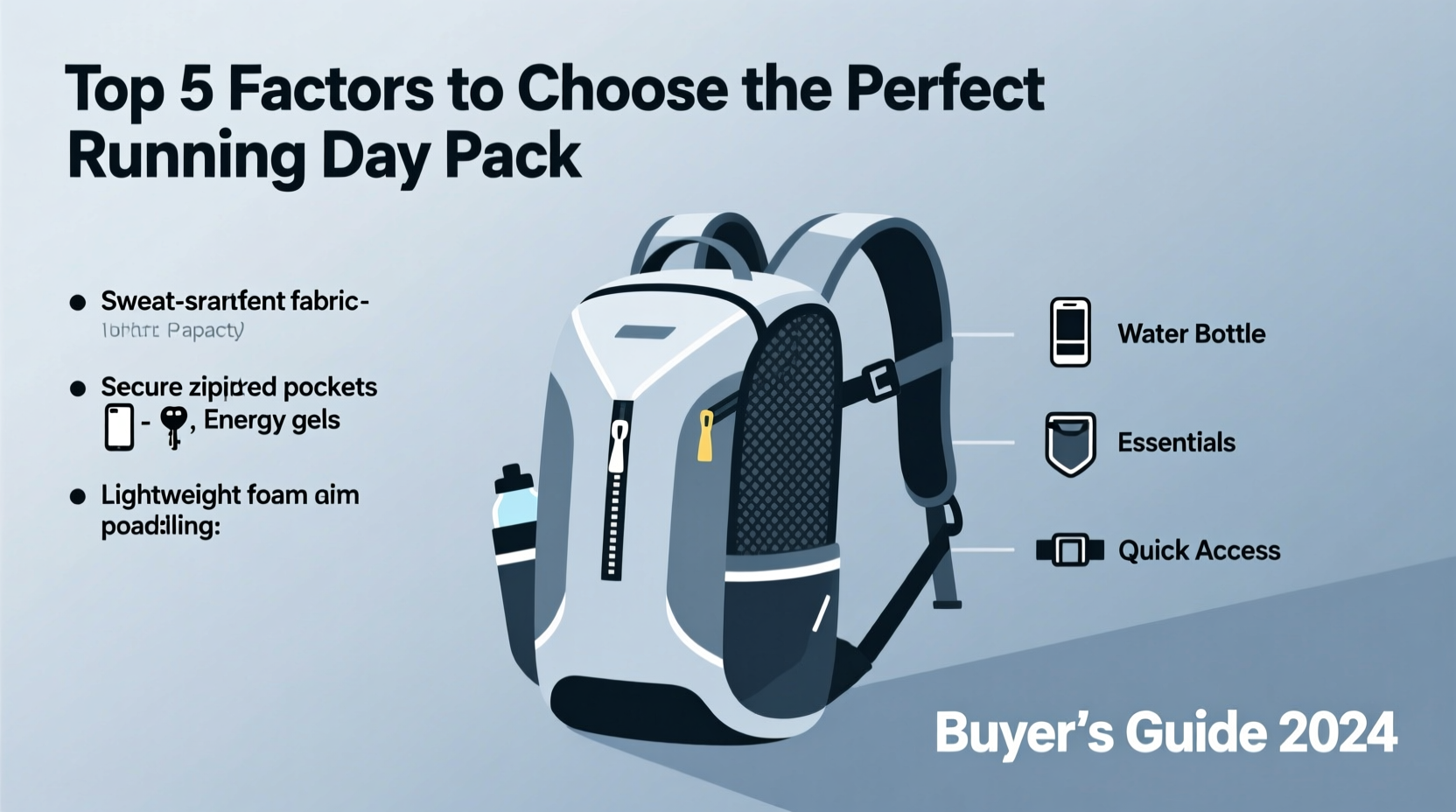
A poorly designed pack can throw off your stride, cause chafing, or become a burden mid-run. The right one, however, becomes an extension of your body—holding essentials securely while allowing full range of motion. Whether you're logging long trail runs, commuting by foot, or training for ultramarathons, your day pack should enhance—not hinder—your movement.
Running-specific packs differ significantly from hiking backpacks. They prioritize low weight, snug fit, and dynamic stability over high capacity. Most are designed to sit close to the torso, minimizing bounce and shifting during motion. Understanding these distinctions is key to selecting a pack that supports your goals.
Key Features to Evaluate
When comparing day packs for running, focus on these core attributes:
- Fit and Adjustability: A secure, customizable fit prevents bouncing and pressure points. Look for adjustable sternum straps, load-lifter straps, and multiple torso length options.
- Weight Distribution: The pack should center weight across your back and shoulders evenly. Top-heavy designs lead to fatigue and imbalance.
- Breathability: Mesh-backed panels and ventilated shoulder straps reduce heat buildup and moisture retention.
- Capacity (5–20L): For most runners, 8–12 liters is sufficient. Larger capacities suit longer trail runs; smaller ones work for city jogging or tempo sessions.
- Hydration Compatibility: If you rely on a bladder system, ensure the pack has a dedicated sleeve and hose routing.
- Pocket Accessibility: Chest-mounted pockets allow quick access to gels, phone, or keys without stopping.
- Weather Resistance: Water-resistant fabrics or included rain covers protect gear in unpredictable conditions.
Step-by-Step Guide to Finding Your Ideal Pack
- Determine Your Primary Use Case: Are you doing urban runs under 5 miles, or multi-hour trail excursions? This dictates capacity and feature needs.
- Measure Your Torso Length: From the base of your neck (C7 vertebra) to the top of your hip bones. Many brands size packs based on this measurement.
- Test Fit In-Person When Possible: Visit a specialty running store and try on models from Salomon, Nathan, Ultimate Direction, or Osprey.
- Load It Up: Add water, a light jacket, and snacks. Walk or jog in place to assess bounce and comfort.
- Evaluate Access Points: Can you reach your phone or fuel without removing the pack?
- Check Ventilation: Run your hand between your back and the pack. Is there airflow, or does it feel sealed and hot?
- Assess Durability: Inspect stitching, zippers, and fabric thickness. Ripstop nylon or recycled polyester blends offer good balance of strength and weight.
Comparison: Top Running Pack Types
| Type | Best For | Capacity | Pros | Cons |
|---|---|---|---|---|
| Hydration Vests | Trail running, races, long distances | 5–12L | Excellent stability, easy-access pockets, integrated hydration | Limited space for non-running gear |
| Waist Packs (Belt Packs) | Short runs, minimalists | 1–3L | No shoulder strain, zero bounce when fitted well | Little room for layers or water beyond small flasks |
| Compact Backpacks | Urban runs, commute-to-work | 10–20L | More storage, laptop sleeves, versatile use | Can bounce if not properly secured |
| Chest Harnesses | Carrying phone, keys, energy gels | 0.5–2L | Lightweight, keeps essentials visible and accessible | Not suitable for water or extra clothing |
Real Runner Example: Trail Training Upgrade
Marissa, a mid-pack ultrarunner training for her first 50K, initially used a standard hiking daypack. She struggled with overheating, constant readjustment, and difficulty accessing her nutrition. After switching to a 10-liter Salomon Adv Skin 10, she noticed immediate improvements: the form-fitting design eliminated bounce, front pockets held her gels within reach, and the breathable mesh kept her cool on climbs. “It felt like the pack finally got out of my way,” she said. “I could focus on running, not fumbling with zippers.”
“Runners often underestimate how much pack fit affects endurance. A well-balanced, low-profile design can save energy over long distances.” — Dr. Lena Torres, Sports Biomechanics Researcher, University of Colorado
Essential Buying Checklist
Before purchasing, verify the pack meets these criteria:
- ✅ Snug, bounce-free fit when loaded
- ✅ Torso length matches your measurement
- ✅ Hydration sleeve or compatibility with handheld bottles
- ✅ Front or chest pockets for quick-access items
- ✅ Reflective elements for low-light visibility
- ✅ Durable, abrasion-resistant fabric (e.g., 210D ripstop)
- ✅ Ventilated back panel or suspension system
- ✅ Weight under 500g (for packs under 12L)
- ✅ Warranty or repair policy from manufacturer
Frequently Asked Questions
Can I use a hiking backpack for running?
Generally, no. Hiking packs are built for vertical load distribution and aren't designed to handle the repetitive motion of running. They tend to bounce, lack ventilation for high-output activity, and often sit too high or wide, interfering with arm swing. Stick to running-specific models for comfort and safety.
How do I prevent chafing from my day pack?
Chafing usually results from poor fit or moisture buildup. Ensure the pack is adjusted tightly (but not constrictively), wear moisture-wicking technical apparel, and apply anti-chafe balm on shoulders and chest. Some runners prefer packs with silicone grip lining to reduce slippage.
Are hydration vests worth it for short runs?
For runs under 5 miles in temperate weather, a handheld bottle or waist flask may suffice. However, if you run in heat, carry nutrition, or dislike holding anything, even short-run hydration vests offer balanced weight distribution and convenience.
Final Considerations and Long-Term Value
The best day pack pays for itself in comfort, efficiency, and confidence. While entry-level models start around $50, investing $100–$150 in a premium pack from a reputable brand often means better ergonomics, materials, and longevity. Brands like Salomon, Ultimate Direction, and Nathan consistently receive high marks for innovation and user feedback integration.
Maintain your pack by rinsing it after muddy or sweaty use, air-drying it away from direct sunlight, and storing it partially unzipped to preserve elasticity. Proper care extends its life and keeps it odor-free.
Take Action Today
Your next run doesn’t have to be limited by what you can carry—or endure. Reassess your current setup: does your pack support your stride, or fight against it? Test a few top-rated running-specific models, prioritize fit over features, and commit to a choice that aligns with your routine. Whether you're chasing PRs or exploring new trails, the right day pack lets you move freely, prepared and unencumbered.
💬 Found your perfect running pack? Share your experience or ask questions in the comments—help fellow runners make smarter choices!








