
Breathable sportswear baseball T-shirts are designed for performance—wicking moisture, regulating temperature, and allowing freedom of movement. But even the most advanced fabrics degrade when improperly cared for. Sweat, body oils, detergent residue, and heat can all compromise both comfort and longevity. To preserve the fabric’s breathability, color integrity, and structural strength, a deliberate maintenance routine is essential. This guide delivers actionable strategies grounded in textile science and real-world use, helping you extend the life of your favorite athletic tees while keeping them smelling clean and performing at their best.
Understand Your Fabric: The Foundation of Care
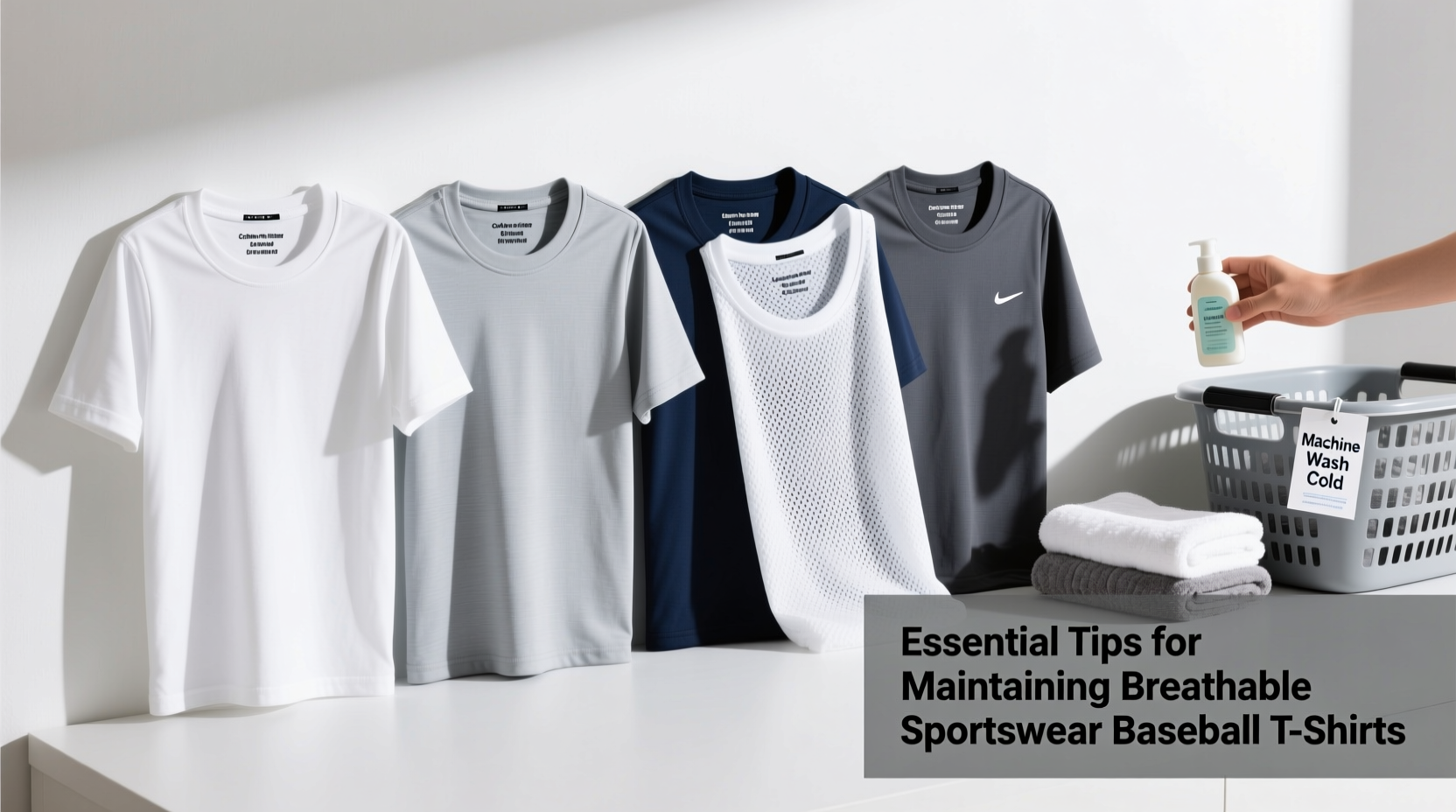
Most modern baseball T-shirts are made from synthetic blends—typically polyester, spandex, or nylon—with moisture-wicking technology. These materials resist water absorption but attract oils and odors. Unlike cotton, they don’t require frequent heavy washing, but improper cleaning can lead to odor retention, pilling, and fiber breakdown.
Always check the garment’s care label. However, general best practices apply across most performance fabrics:
- Polyester-blend shirts: Resistant to shrinking but prone to static and odor buildup.
- Moisture-wicking finishes: Can be degraded by fabric softeners and high heat.
- Spandex content (5–10%): Adds stretch but weakens under chlorine, UV exposure, and excessive heat.
“Performance apparel isn’t just about how it feels during the game—it’s about how it holds up after 50 washes. Proper care preserves both function and fit.” — Dr. Lena Torres, Textile Scientist at Performance Apparel LabsTip: Turn shirts inside out before washing to protect the outer surface and wicking finish.
Washing Techniques That Preserve Breathability
The way you wash your baseball T-shirt directly impacts its ability to breathe and resist odors. Standard laundry habits often do more harm than good.
Use Cold Water and Short Cycles
Hot water breaks down elastic fibers and sets sweat-based stains. Always wash in cold water (below 30°C / 86°F) using a gentle cycle. This reduces friction, prevents shrinkage, and maintains the integrity of technical coatings.
Choose the Right Detergent
Avoid detergents with dyes, fragrances, or optical brighteners—they cling to synthetic fibers and trap odors. Instead, use a sports-specific detergent formulated to remove organic residues without damaging moisture-wicking properties.
Never Use Fabric Softener
Fabric softeners coat fibers with a waxy layer that clogs pores and disables wicking technology. Over time, this renders breathable fabric nearly waterproof on the inside, trapping sweat against the skin.
| Action | Recommended | Avoid |
|---|---|---|
| Water Temperature | Cold (30°C max) | Hot or warm water |
| Detergent Type | Sports-specific or mild liquid | Heavy-duty or powdered detergents |
| Softener or Dryer Sheets | Never use | Always avoid |
| Wash Load Size | Loose load (don’t overpack) | Overcrowded drum |
Effective Drying Methods to Prevent Damage
Drying is where many sportswear garments meet their end. High heat melts synthetic fibers, degrades spandex, and causes seams to weaken.
Air-Dry Whenever Possible
Lay flat or hang dry in a well-ventilated area away from direct sunlight. UV rays break down dyes and elastic components. Air-drying preserves shape, elasticity, and breathability far better than machine drying.
If Using a Dryer: Low Heat Only
When air-drying isn't practical, use a tumble-dry setting on low or no heat. Remove the shirt while slightly damp to prevent over-drying. Never use dryer sheets—they leave a residue that impairs moisture transfer.
Tip: Hang shirts by the bottom hem, not the shoulders, to prevent stretching.Combat Odor Buildup with Deep Cleaning
Even after washing, some shirts retain a sour smell. This occurs when bacteria embed in synthetic fibers and feed on residual sweat. Regular detergent often fails to eliminate these colonies.
Monthly Deep Clean Routine
Once every 4–6 wears, perform a deep clean to reset the fabric:
- Soak the shirt in cold water with ½ cup white vinegar or ¼ cup baking soda for 30–60 minutes.
- Vinegar neutralizes alkaline sweat residues; baking soda lifts odors naturally.
- Wash as usual with sports detergent—no softener.
- Air-dry completely.
This process restores freshness without stripping functional finishes. For persistent odors, consider an enzymatic cleaner designed for activewear.
Real Example: The Weekend Athlete’s Fix
Mark, a semi-pro baseball player from Austin, noticed his team jerseys retained a stale smell despite weekly washing. After switching to cold washes with vinegar soaks and eliminating fabric softener, he reported a dramatic improvement. “They feel lighter, dry faster, and don’t stink after two innings,” he said. His shirts, now over a year old, still perform like new.
Care Checklist: Maintain Freshness & Durability
Follow this simple checklist after every wear and wash cycle:
- ✅ Rinse or soak immediately if heavily sweaty
- ✅ Turn inside out before washing
- ✅ Use cold water and gentle cycle
- ✅ Choose odor-fighting sports detergent
- ✅ Skip fabric softener and dryer sheets
- ✅ Air-dry flat or on a hanger
- ✅ Store only when completely dry
- ✅ Perform deep clean every 4–6 uses
Frequently Asked Questions
Can I wash my baseball T-shirts with other clothes?
It’s best to wash them separately or with similar performance fabrics. Heavy items like jeans or towels create abrasion, leading to pilling. Also, lint from cotton garments can stick to synthetic fibers and reduce breathability.
How often should I replace my sportswear T-shirts?
With proper care, a quality baseball T-shirt can last 1.5 to 2 years of regular use. Signs it’s time to replace include persistent odor, loss of elasticity, visible thinning, or seams starting to unravel. Don’t wait until it falls apart—performance drops long before visible damage.
Is it okay to iron baseball T-shirts?
No. Most performance fabrics cannot withstand ironing. Heat damages moisture-wicking coatings and melts synthetic threads. If wrinkles are an issue, use a steamer on low setting from a distance, never pressing directly.
Conclusion: Make Care a Part of the Game
Your baseball T-shirt is engineered for peak performance, but its lifespan depends on what happens after the final out. Breathability, odor resistance, and fit aren’t just built into the fabric—they’re maintained through consistent, informed care. By washing smartly, drying gently, and deep-cleaning strategically, you protect your investment and ensure every game-day tee performs as intended.
💬 What’s your go-to method for keeping sportswear fresh? Share your routine in the comments and help fellow athletes get the most from their gear!








