
The back of the thigh—commonly referred to as the hamstrings—is one of the most frequently tight muscle groups in adults. Whether from prolonged sitting, intense workouts, or minor imbalances in movement patterns, tight hamstrings can contribute to lower back discomfort, reduced mobility, and even posture-related strain. Fortunately, targeted stretching, when done correctly, can significantly improve flexibility, reduce tension, and alleviate associated pain. This guide outlines proven, safe techniques backed by biomechanical understanding and physical therapy principles.
Understanding the Hamstrings: Anatomy and Function
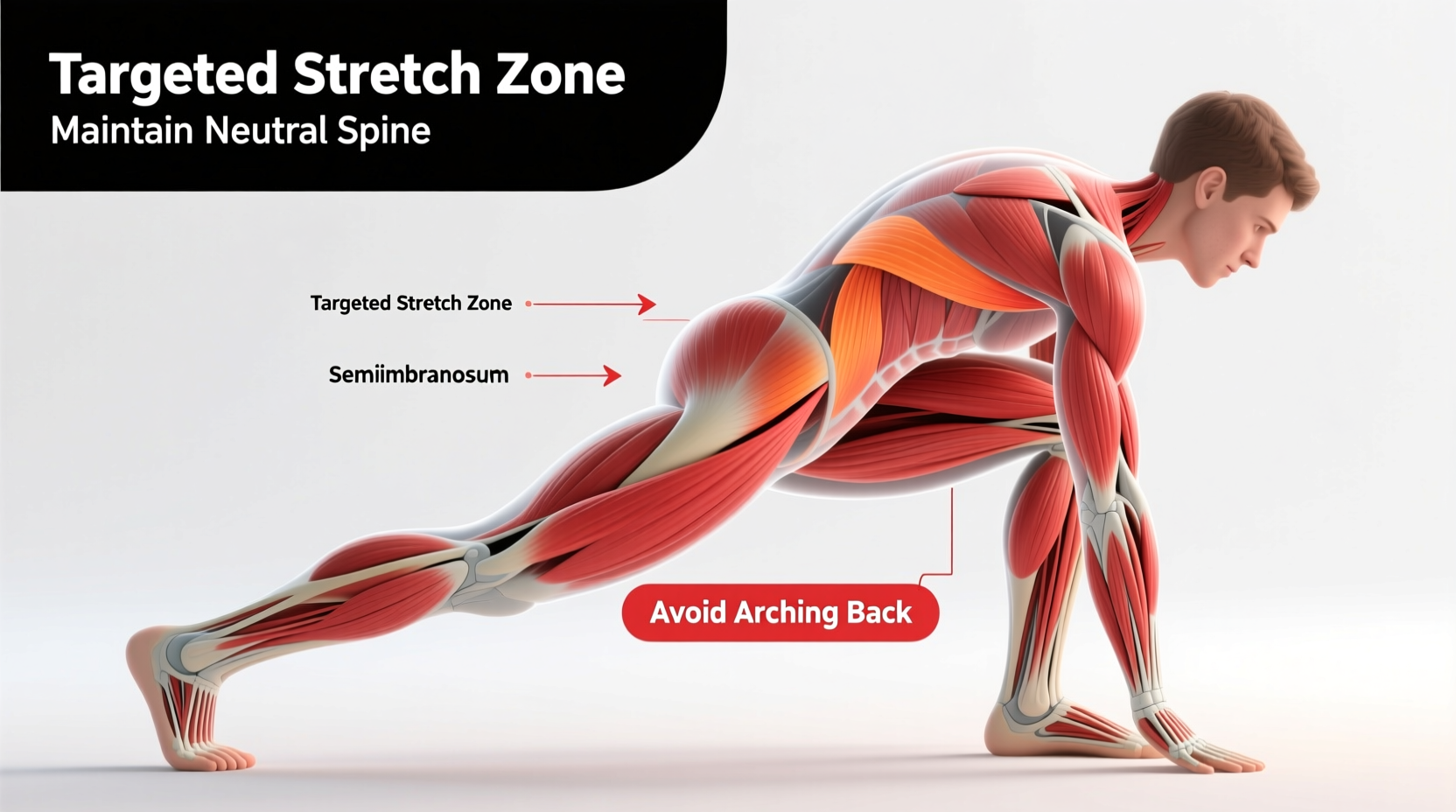
The hamstring group consists of three primary muscles: the biceps femoris, semitendinosus, and semimembranosus. These muscles originate at the ischial tuberosity (the sit bone) and extend down the back of the thigh, inserting behind the knee. Their main functions include bending the knee and extending the hip. Because they cross both the hip and knee joints, the hamstrings are especially susceptible to over-lengthening or over-tightening depending on posture and activity.
Tightness often develops due to sedentary lifestyles. Sitting for long periods keeps the hips flexed and the hamstrings in a shortened position, leading to adaptive shortening over time. Conversely, athletes may experience stiffness after explosive movements like sprinting or jumping. In either case, consistent, mindful stretching helps restore optimal length and function.
“Hamstring flexibility is not just about touching your toes—it’s a critical component of spinal health and functional movement.” — Dr. Lena Patel, Physical Therapist and Movement Specialist
Safe Stretching Principles to Follow
Stretching should never cause sharp pain or joint strain. To ensure safety and effectiveness, adhere to these foundational principles:
- Warm up first: Light aerobic activity such as brisk walking or cycling for 5–10 minutes increases blood flow and makes muscles more pliable.
- Move slowly: Avoid bouncing or jerking motions. Static holds are safer and more effective than ballistic stretching.
- Breathe deeply: Controlled breathing helps relax the nervous system and allows deeper release in the muscle.
- Hold each stretch 30–60 seconds: Research shows this duration optimizes gains in flexibility without overstressing connective tissue.
- Stretch both sides equally: Imbalances between legs can lead to compensatory movement patterns and increased injury risk.
Effective Stretching Techniques for the Back of the Thigh
Below are five evidence-based stretches that target the hamstrings through different angles and positions. Each variation addresses slightly different components of the muscle group and surrounding tissues.
1. Seated Forward Bend (Paschimottanasana)
Sit on the floor with both legs extended straight in front. Inhale to lengthen the spine, then exhale while hinging forward from the hips—not the waist. Reach toward your toes with straight arms, keeping your back flat as long as possible. Stop when you feel a firm but comfortable pull along the back of the thighs.
2. Standing Hamstring Stretch with Elevation
Place one heel on a low step or sturdy surface at about knee height. Keep the standing leg slightly bent and the back straight. Hinge forward at the hips until you feel a stretch in the raised leg’s hamstring. This version isolates each leg and reduces lower back strain compared to touching the floor.
3. Supine Hamstring Stretch with Towel or Strap
Lie on your back with one leg extended on the floor. Loop a towel or yoga strap around the ball of the opposite foot and gently lift that leg toward the ceiling. Keep the knee slightly soft and the opposite hip grounded. This method provides excellent control and is ideal for those with limited flexibility or back issues.
4. Nordic Hamstring Lowering (Advanced Eccentric Exercise)
This technique builds strength and flexibility simultaneously. Kneel on a padded surface with feet anchored under a heavy object or held by a partner. Slowly lower your torso forward while controlling the descent with your hamstrings. Use your hands to catch yourself before touching the ground, then return to start. Perform 3 sets of 6–8 controlled reps.
5. Dynamic Leg Swings (Front-to-Back)
Stand beside a wall for balance. Swing one leg forward and backward in a controlled arc, gradually increasing range of motion. Perform 15–20 swings per leg. This dynamic method enhances neuromuscular coordination and prepares the hamstrings for activity.
| Stretch | Best For | Difficulty | Recommended Frequency |
|---|---|---|---|
| Seated Forward Bend | Daily maintenance, relaxation | Beginner | Daily or post-workout |
| Standing Stretch with Elevation | Office workers, quick relief | Beginner | 2–3 times daily |
| Supine Stretch with Strap | Injury recovery, precision | Beginner to Intermediate | Daily |
| Nordic Lowering | Athletes, strength + flexibility | Advanced | 2–3 times weekly |
| Dynamic Leg Swings | Warm-up, active mobility | All levels | Before exercise |
Common Mistakes to Avoid
Even well-intentioned stretching can be counterproductive if performed incorrectly. Below are frequent errors and how to correct them:
- Rounding the back during forward bends: This shifts stress from the hamstrings to the lumbar spine. Focus on hinging at the hips and maintaining a neutral spine.
- Overstretching too soon: Pushing into pain triggers protective muscle contraction (stretch reflex), reducing effectiveness. Aim for mild tension only.
- Holding breath: Tension builds when breathing stops. Exhale deeply during each stretch to encourage relaxation.
- Neglecting warm-ups: Cold muscles are less elastic and more prone to strain. Always prepare the body before deep stretching.
Real-World Example: Office Worker Relief
Mark, a 42-year-old software developer, experienced persistent tightness in the backs of his thighs and occasional lower back twinges after working at his desk for eight hours. He began incorporating two simple changes: a 5-minute morning routine including supine hamstring stretches with a strap, and a standing stretch every hour using his desk for support. Within three weeks, he reported a noticeable reduction in stiffness and improved comfort during prolonged sitting. His key insight? Consistency mattered more than intensity.
Step-by-Step Daily Flexibility Routine
Follow this sequence to safely improve hamstring flexibility and reduce pain over time:
- Warm up: Walk briskly for 5 minutes or march in place with high knees.
- Dynamic prep: Perform 15 front-to-back leg swings per leg.
- Static stretches: Hold seated forward bend for 45 seconds, followed by supine strap stretch on each leg (45 seconds per side).
- Cool down: Lie on your back, knees bent, and perform gentle pelvic tilts for 1 minute to reset spinal positioning.
- Frequency: Repeat this routine daily, ideally in the evening when muscles are naturally warmer.
Frequently Asked Questions
How long does it take to improve hamstring flexibility?
Most people notice improvements within 2–4 weeks of consistent daily stretching. Significant gains typically occur over 6–8 weeks. Progress depends on initial tightness, frequency, and overall activity level.
Can tight hamstrings cause lower back pain?
Yes. Tight hamstrings can pull on the sit bones, tilting the pelvis posteriorly and flattening the natural curve of the lower spine. This alters spinal mechanics and increases stress on discs and facet joints, potentially contributing to discomfort.
Is it better to stretch before or after a workout?
Dynamic stretches are best pre-workout to activate muscles. Save static hamstring stretches for after exercise or on rest days, when muscles are warm and more receptive to lengthening.
Conclusion: Take Action for Lasting Mobility
Improving flexibility in the back of the thigh isn’t just about performance or aesthetics—it’s a vital part of maintaining pain-free movement and spinal health. By applying safe, targeted techniques consistently, you can unlock greater freedom in everyday activities, from tying your shoes to walking without restriction. Start with one or two stretches today, focus on form, and build from there. Your body will respond with greater ease and resilience.
💬 Ready to feel more flexible and free from discomfort? Begin your 7-day stretching challenge today—commit to just five minutes a day and track your progress. Share your journey in the comments!








