Ballpoint pen stains are among the most common yet frustrating mishaps in everyday life. Whether it's a child’s school uniform, a work shirt, or your favorite blouse, ink can seep into fabric fibers quickly and appear permanent. However, with the right approach, most ballpoint pen stains can be removed effectively—without damaging the fabric. The key lies in acting quickly, identifying the fabric type, and using appropriate solvents that break down ink molecules without weakening textile integrity.
Understanding Ballpoint Pen Ink Composition
Ballpoint pen ink is typically oil-based, consisting of dyes suspended in a viscous solvent like benzyl alcohol or phenoxyethanol. This formulation allows smooth writing but also makes the ink resistant to water, which is why rinsing under tap water often fails. Unlike water-soluble inks, ballpoint ink requires a solvent capable of dissolving oils. However, aggressive chemicals like acetone or bleach can degrade fibers, especially in delicate fabrics such as silk or wool.
The success of ink removal depends on two factors: the chemical compatibility between the solvent and the ink, and the physical resilience of the fabric. Natural fibers like cotton and linen tolerate stronger treatments better than synthetics such as polyester or spandex, which may melt or discolor under harsh solvents.
“Time is your biggest ally when dealing with ink stains. The sooner you act, the higher the chance of complete removal.” — Dr. Lena Peterson, Textile Chemist at the Institute for Fabric Care
Step-by-Step Guide to Remove Ink Stains Safely
Immediate action significantly increases the likelihood of successful stain removal. Follow this timeline-based method for optimal results:
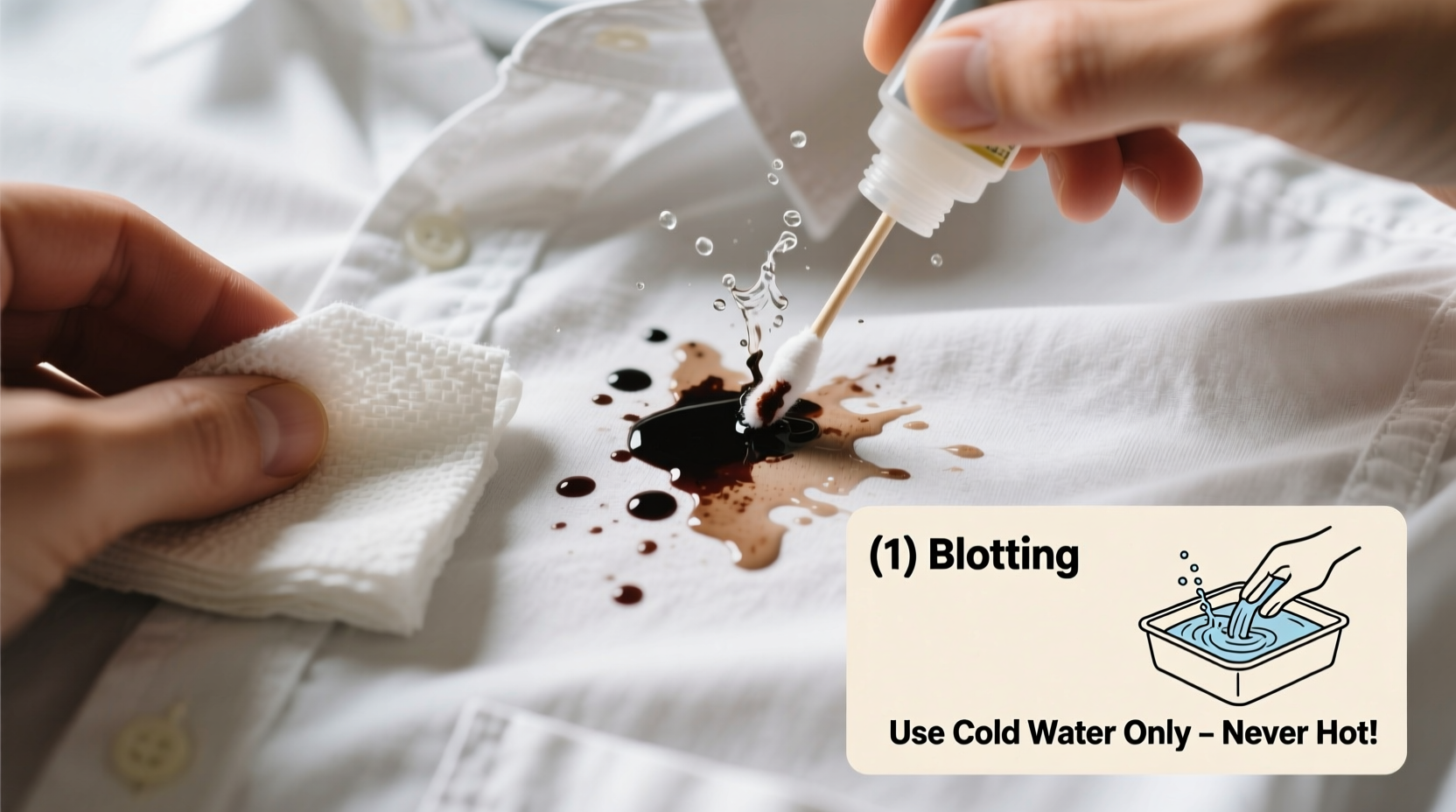
- Blot, don’t rub (0–5 minutes after stain): Use a clean, dry paper towel to gently absorb excess ink. Rubbing spreads the stain deeper into fibers.
- Place a barrier underneath: Slide a clean cloth or paper towel inside the garment beneath the stain to prevent ink from transferring to the other side.
- Test solvent on hidden area: Apply a small amount of your chosen solution to an inconspicuous spot (e.g., inner seam) to check for colorfastness.
- Apply the solvent: Dab—not pour—the solution directly onto the stain using a cotton ball or swab.
- Wait 5–10 minutes: Allow the solvent time to break down the ink.
- Rinse with cold water: Flush the treated area from the back to push ink out, not further in.
- Wash normally: Launder according to the garment’s care label, using the warmest water safe for the fabric.
- Air-dry and inspect: Do not use a dryer until the stain is fully gone, as heat sets remaining ink permanently.
Effective Household Solutions and Their Best Uses
Many common household items can dissolve ink safely when used correctly. Below is a comparison of popular options, their effectiveness, and ideal fabric types.
| Solution | How It Works | Best For | Caution |
|---|---|---|---|
| Isopropyl Alcohol (70%+) | Dissolves oil-based ink rapidly | Cotton, denim, polyester blends | May weaken elastic fibers; test first |
| Hairspray (alcohol-based) | Alcohol content breaks down ink | Quick field fix on durable fabrics | Avoid non-alcohol sprays; residue may stain |
| Hand Sanitizer (alcohol gel) | Convenient, pre-thickened formula | Small stains on shirts, uniforms | Check for added dyes or fragrances |
| Milk | Proteins bind with ink over time | Delicate fabrics like silk or wool | Requires soaking for several hours |
| Lemon Juice + Sunlight | Natural bleaching effect | White cotton or linen | Can yellow synthetic fibers; not for colors |
For sensitive materials, milk offers a gentle alternative. Soak the stained area in whole milk for 30 minutes to several hours, allowing casein proteins to attract and lift ink particles. Rinse thoroughly before washing.
Real Example: Removing Ink from a Child’s School Shirt
Eight-year-old Mia accidentally sat on a pen during class, leaving a large blue ink blot on the sleeve of her white cotton-blend school shirt. Her mother, Sarah, acted immediately. She blotted the area with a tissue, then applied 90% isopropyl alcohol using a cotton pad. After letting it sit for seven minutes, she rinsed the sleeve under cold running water. The stain faded significantly. She laundered the shirt in warm water with regular detergent and air-dried it. Upon inspection, only a faint shadow remained. A second treatment with hand sanitizer eliminated the remainder. The shirt emerged clean, with no fabric damage or discoloration.
This case illustrates how combining prompt action with household solvents can resolve even large ink stains without resorting to commercial removers.
Common Mistakes That Cause Damage
Even well-intentioned efforts can ruin clothing if incorrect methods are used. Avoid these pitfalls:
- Using hot water initially: Heat sets oil-based stains, making them nearly impossible to remove.
- Applying undiluted bleach: Chlorine bleach reacts poorly with ink, often turning it black or brown.
- Rubbing aggressively: This grinds ink deeper into fibers and may cause pilling or fraying.
- Skipping the patch test: Solvents can strip dyes or degrade synthetics.
- Tumbling in the dryer prematurely: Heat permanently bonds residual ink to fabric.
FAQ: Common Questions About Ink Removal
Can I use nail polish remover on clothes?
Only if it contains pure acetone and the fabric is colorfast and non-synthetic. Acetone can dissolve polyester and damage elastic. Test rigorously and use sparingly. Safer alternatives like rubbing alcohol are preferred.
What if the stain is old or dried?
Dried ink is harder to remove but not hopeless. Rehydrate the area with a few drops of water, then apply alcohol. You may need multiple applications. For stubborn cases, soak in a mixture of dish soap and warm water for 30 minutes before treating again.
Will these methods work on colored clothes?
Yes, but extra caution is required. Alcohol can sometimes lift fabric dye along with ink. Always test on a hidden area first. For dark or vibrant garments, consider professional cleaning if the stain is prominent.
Final Checklist for Safe Ink Removal
- ☑ Blot excess ink gently
- ☑ Place absorbent material under the stain
- ☑ Identify fabric type and check care label
- ☑ Test solvent on a hidden area
- ☑ Apply solvent with a cotton swab (do not saturate)
- ☑ Wait 5–10 minutes for penetration
- ☑ Rinse from the back with cold water
- ☑ Wash in appropriate cycle
- ☑ Air-dry and inspect before rewashing or drying
Conclusion: Act Fast, Choose Wisely, Preserve Your Clothes
Removing ballpoint pen ink doesn’t require expensive products or professional services in most cases. With everyday items like rubbing alcohol, hand sanitizer, or even milk, you can restore your garments to their original condition—provided you act promptly and carefully. Understanding your fabric, avoiding common mistakes, and following a systematic approach ensures effective cleaning without compromising the integrity of your clothes. Every garment saved is a small victory for sustainability and personal economy. Start applying these methods today, and turn ink accidents into manageable setbacks rather than wardrobe disasters.
💬 Have a successful ink removal story or a tough stain you conquered? Share your experience in the comments and help others learn from real-life solutions!








