As golfers age, changes in strength, flexibility, and swing mechanics demand thoughtful equipment adjustments. One of the most impactful upgrades a senior player can make is switching to a senior-appropriate golf shaft—specifically one that balances durability with lightweight design. The right shaft doesn’t just improve consistency; it reduces fatigue, increases launch angle, and helps maintain ball speed even with a slower swing. For players over 50 or those with swing speeds under 85 mph, selecting a shaft that’s both resilient and light is essential for performance and enjoyment on the course.
Why Shaft Selection Matters for Senior Golfers
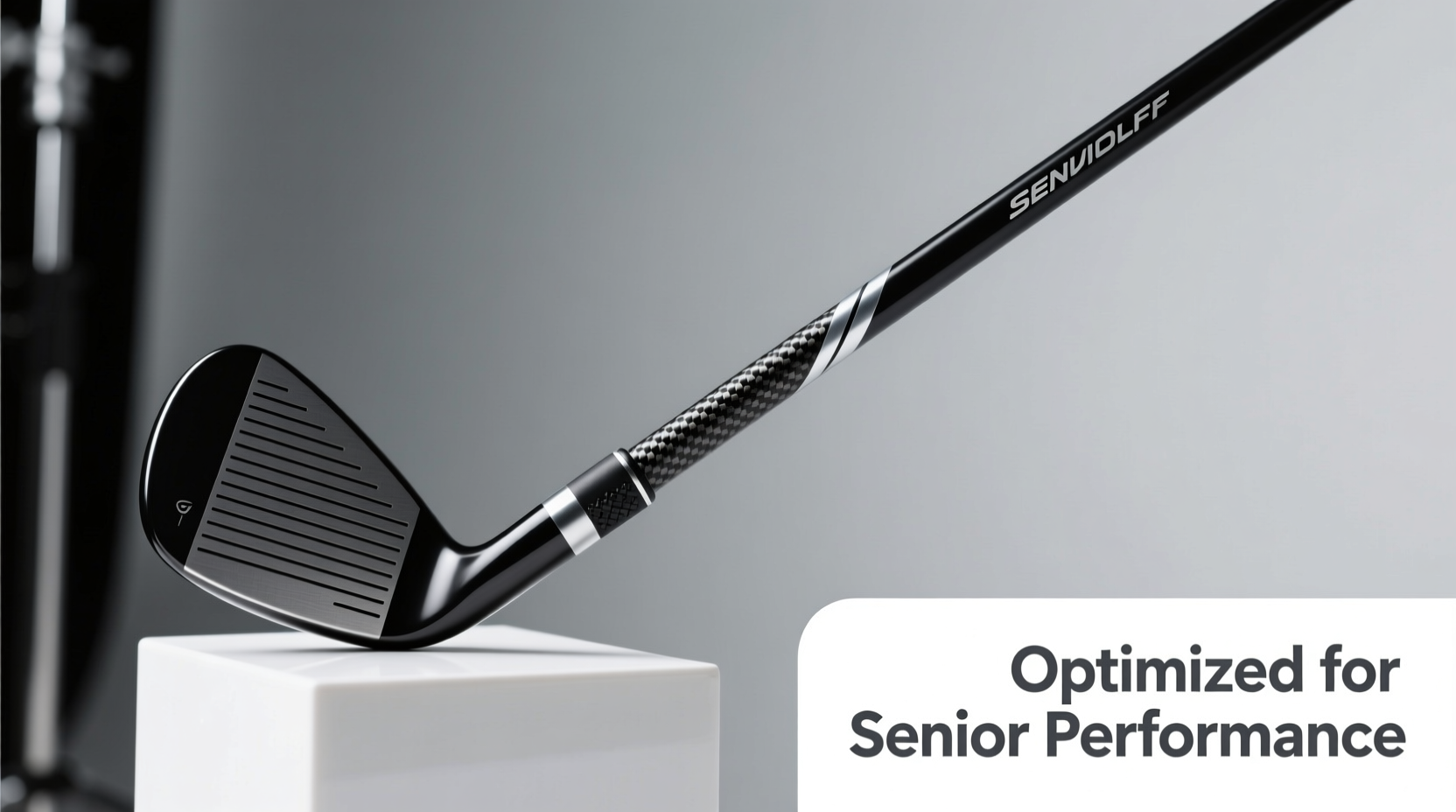
Golf shafts are the engine of the club. They transfer energy from the golfer’s swing to the ball, influencing trajectory, spin, and feel. As players enter their senior years, natural declines in swing speed and tempo mean that standard or stiff shafts often lead to thin contact, reduced distance, and inconsistent ball flight. This is where senior flex (also labeled A-flex or M-flex) comes into play—designed for swing speeds between 70 and 85 mph, these shafts offer more whip and higher launch angles.
Durability ensures the shaft withstands repeated use without warping or cracking, especially important for frequent players. Lightweight construction, meanwhile, allows seniors to generate faster clubhead speed with less effort. Together, these features promote confidence through the bag—from driver to wedge.
“Choosing the right shaft isn’t about age—it’s about matching your current swing dynamics. A well-fitted lightweight senior shaft can add 10–15 yards and significantly improve strike quality.” — Dr. Tom Wishon, Golf Equipment Designer & Author
Top Materials: Graphite vs. Steel for Senior Players
The two primary materials used in golf shafts are steel and graphite. Each has distinct advantages, but for senior golfers seeking lightweight durability, graphite is typically the superior choice.
| Material | Weight | Durability | Vibration Dampening | Best For |
|---|---|---|---|---|
| Graphite | Light (45–70g) | High (resistant to corrosion, impact-resistant) | Excellent (reduces hand shock) | Seniors, players with joint pain, slow-to-moderate swing speeds |
| Steel | Heavy (90–130g) | Very High (but prone to rust if damaged) | Poor (transmits more vibration) | Players with fast swings, consistent tempo, seeking precision |
Graphite shafts dominate the senior market due to their ability to reduce overall club weight while maintaining structural integrity. Modern high-modulus graphite composites are engineered to resist torque and provide excellent feedback without the harshness of steel. While early versions were seen as less durable, today’s aerospace-grade resins and manufacturing techniques ensure long-term reliability—even under daily use.
Tip: If you experience wrist or elbow discomfort after playing, switch to a lightweight graphite shaft—it dramatically reduces vibration transmission.Leading Lightweight and Durable Senior Shaft Models
Not all senior shafts are created equal. Some prioritize lightness at the expense of stability; others offer durability but lack responsiveness. The following models represent the best balance of both traits, backed by player reviews and professional fittings.
- Mitsubishi Tensei AV Blue – At just 50–55 grams, this mid-launch shaft offers exceptional stability and smooth transition. Its multi-directional fiber layup enhances torsional rigidity, making it ideal for seniors who want control without heaviness.
- Fujikura Pro 54 – Weighing in at 54 grams, this shaft delivers a neutral ball flight and consistent dispersion. Known for its durability across thousands of rounds, it's a favorite among teaching professionals for active seniors.
- UST Mamiya Helium TI – One of the lightest titanium-infused graphite shafts available (~49g), it combines space-age materials with tour-proven flex profiles. Resistant to temperature fluctuations and moisture damage, it holds up exceptionally well over time.
- Project X HZRDUS Smoke RDX (Senior Flex) – Though traditionally associated with power players, the RDX version includes a senior flex option at 60g. It offers unmatched durability and low torque, perfect for seniors transitioning from regular flex.
When testing new shafts, focus on feel during the downswing and feedback at impact. A good senior shaft should load smoothly during the transition and release predictably without feeling “whippy” or dead.
How to Choose the Right Shaft: A Step-by-Step Guide
Selecting the optimal shaft isn’t guesswork. Follow this proven process to find your ideal match.
- Measure Your Swing Speed – Use a launch monitor at a pro shop or driving range. If your driver swing speed is below 85 mph, senior flex is likely appropriate.
- Evaluate Tempo and Transition – Fast tempo with late release may suit lighter, stiffer-tip shafts. Smooth swingers benefit from softer tip sections for higher launch.
- Test Multiple Options – Demo clubs with different shafts. Pay attention to shot shape, consistency, and comfort. Even small differences in weight (5g) can affect timing.
- Consider Total Club Weight – Pair lightweight shafts with heads that complement your desired ball flight. Lighter overall clubs increase swing speed; heavier heads promote stability.
- Consult a Fitter – Professional fitting sessions analyze spin rate, launch angle, and dispersion, ensuring the shaft matches your full swing profile—not just your age.
Real-World Example: How John Regained 12 Yards at 68
John, a 68-year-old retired teacher and 12-handicap golfer, struggled with fading drives and fatigue by the 12th hole. His old irons had steel shafts, and his driver used a generic senior flex graphite shaft. After a fitting session, he switched to Mitsubishi Tensei AV Blue shafts in both woods and irons.
The change was immediate. His average driver carry increased from 198 to 210 yards. More importantly, his iron strikes became more centered, reducing mishits. “I don’t have to ‘muscle’ the ball anymore,” John said. “The clubs feel balanced, and I finish rounds without shoulder pain.” Over six months, his handicap dropped to 9.2—all without changing his swing fundamentals.
Essential Checklist Before Buying
Before purchasing new shafts, verify the following:
- ✅ Confirmed swing speed (ideally measured with a radar device)
- ✅ Verified flex recommendation (senior, not just “lightweight”)
- ✅ Compatibility with current club heads (parallel tip vs. tapered)
- ✅ Warranty or durability guarantee from manufacturer
- ✅ Availability of demo programs or trial periods
- ✅ Feedback from other senior players with similar swing types
Frequently Asked Questions
Can I use senior shafts in all my clubs?
Yes. Many senior golfers benefit from using consistent shaft profiles across drivers, fairway woods, hybrids, and irons. This promotes uniform feel and timing. However, some prefer slightly stiffer shafts in wedges for better control around the greens.
Do lightweight shafts wear out faster?
Not necessarily. Modern graphite shafts are built with UV inhibitors, impact-resistant weaves, and reinforced hosel areas. With proper care—avoiding cart collisions and extreme temperatures—they can last five years or more, even with weekly play.
Is there a downside to going too light?
Yes. Shafts under 45g may feel unstable or difficult to control, especially for players with decent strength. Excessively light shafts can disrupt tempo and lead to inconsistency. Most seniors perform best in the 49–65g range.
Final Thoughts: Invest in Performance, Not Just Age
Choosing durable and lightweight senior golf shafts isn’t about compensating for age—it’s about optimizing performance based on how you play today. The best shafts blend advanced materials science with ergonomic design, enabling smoother swings, longer carries, and greater enjoyment of the game.
Don’t settle for off-the-rack assumptions. Take the time to test, measure, and fit. Whether you're breaking 90 or chasing birdies, the right shaft can be the difference between frustration and fulfillment on the course.
🚀 Ready to transform your game? Book a fitting session with a certified club fitter and experience firsthand how the right lightweight, durable shaft can elevate your performance. Share your story in the comments—what changed when you upgraded your shafts?








