
In rural homes, barns, farms, and even urban settings where rodents are a persistent issue, many people are turning back to nature’s original pest control solution: cats. While all cats have some instinctual ability to hunt, certain breeds stand out for their superior tracking skills, agility, and relentless drive to catch mice and rats. Choosing the right hunting cat isn’t just about preference—it’s about matching temperament, energy level, and instinct to your environment. This guide explores the top breeds known for effective rodent control, backed by expert insights and real-world performance.
Why Some Cats Are Better Hunters Than Others
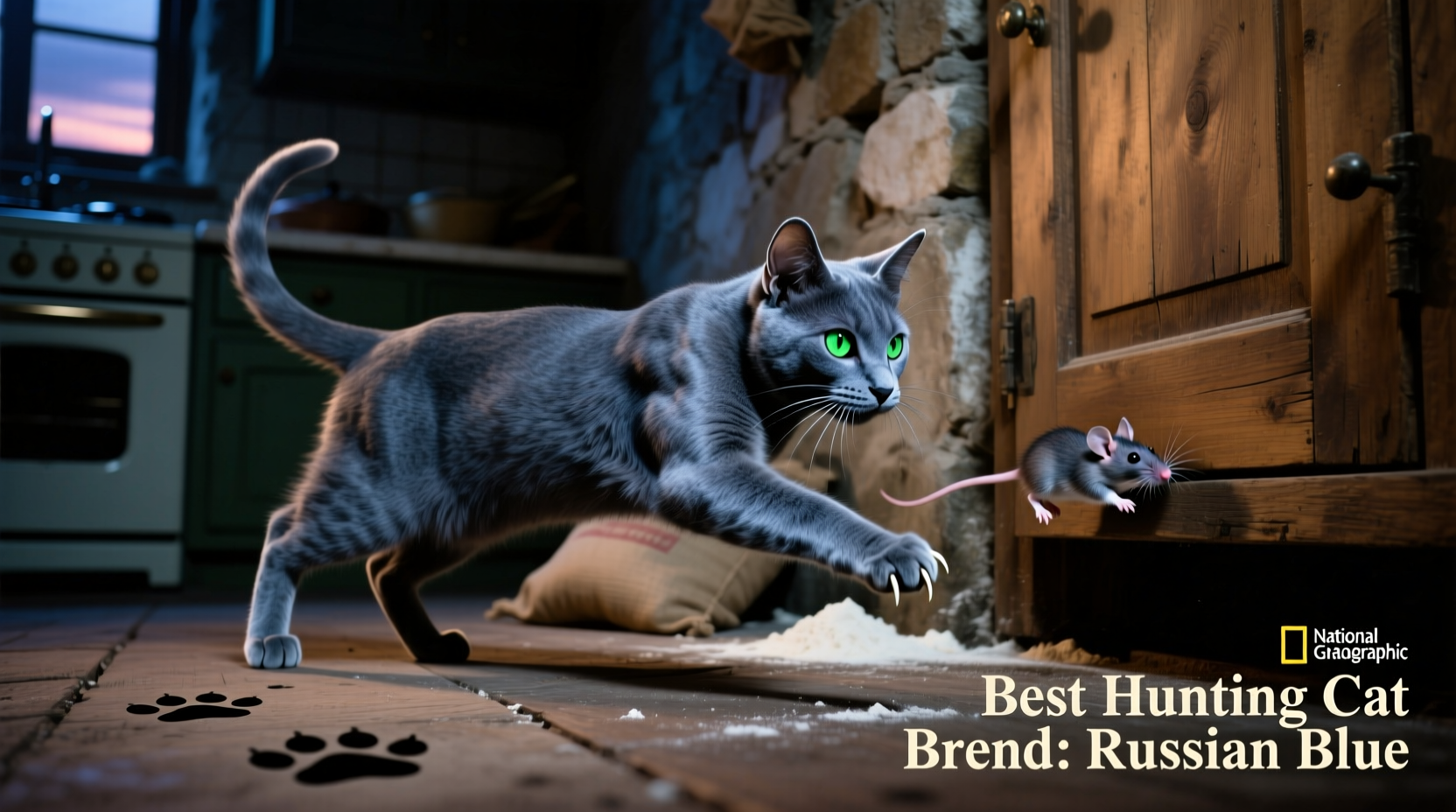
Hunting ability in cats is influenced by genetics, upbringing, and environment. Breeds developed in regions with high rodent populations or those historically used for vermin control tend to exhibit stronger prey drives. These cats often possess heightened senses, quick reflexes, and an innate curiosity that makes them excellent at stalking and capturing small animals.
Breeds raised as companions may have had their hunting instincts bred out over generations in favor of docile temperaments. In contrast, working cats—especially those from hardy, land-based lineages—retain sharp survival instincts. The ideal hunting cat is independent, alert, and physically capable of navigating tight spaces and rough terrain.
Tip: A cat's early exposure to outdoor environments between 3–7 months can significantly shape its hunting behavior later in life.Top 5 Cat Breeds for Rodent Control
Based on historical use, behavioral studies, and anecdotal evidence from farmers and homesteaders, the following breeds consistently rank highest in rodent-catching effectiveness.
- American Shorthair – Bred from European cats brought to North America to protect grain stores, this breed is calm, resilient, and highly efficient at hunting. Its muscular build and low-maintenance coat make it ideal for barn or farm duty.
- Maine Coon – Despite their gentle giant reputation, Maine Coons are natural hunters with exceptional problem-solving skills. Their size allows them to take on larger pests like rats, and their intelligence helps them learn patterns in rodent movement.
- Domestic Shorthair (Moggies) – Often overlooked, mixed-breed cats, particularly rural domestic shorthairs, are among the most effective hunters. Without selective breeding for appearance, they retain strong survival instincts and adaptability.
- Japanese Bobtail – Revered in Japan for centuries as temple and home guardians against mice, this breed is energetic, agile, and possesses a unique hopping gait that enhances its pouncing precision.
- Turkish Angora – One of the oldest natural breeds, Turkish Angoras are intelligent, fast, and curious. Developed in rugged Anatolian climates, they evolved to hunt independently and thrive in challenging conditions.
Comparison Table: Hunting Traits by Breed
| Breed | Prey Drive | Independence | Adaptability | Best For |
|---|---|---|---|---|
| American Shorthair | High | High | Very High | Farms, barns, suburban homes |
| Maine Coon | Moderate-High | Moderate | High | Larger properties, sheds, gardens |
| Domestic Shorthair | Very High | Very High | Exceptional | Rural areas, barns, urban alleys |
| Japanese Bobtail | Very High | High | High | Indoor/outdoor homes, temples, gardens |
| Turkish Angora | High | High | Moderate | Colder climates, open landscapes |
Expert Insight: What Makes a Cat an Effective Hunter?
“Breeding history matters. Cats selected for utility over looks—like American Shorthairs or working moggies—have retained more of their wild hunting instincts. It's not just about aggression; it's patience, stealth, and sensory acuity.” — Dr. Lena Patel, Feline Behavior Specialist, Cornell University College of Veterinary Medicine
Dr. Patel emphasizes that while physical traits like sharp claws and keen hearing play a role, the psychological makeup of a cat is equally important. Successful hunting cats display persistence, low distractibility, and the ability to remain motionless for long periods—a trait essential for ambush predation.
Real-World Example: The Barn Cat Program at Greenfield Farm
Greenfield Farm, a 200-acre organic operation in upstate New York, struggled with a severe mouse infestation threatening stored feed and equipment. After failed attempts with traps and ultrasonic repellents, the owners adopted three adult American Shorthairs through a local barn cat rescue program.
Within six weeks, rodent activity dropped by an estimated 80%. The cats established territories, hunted primarily at dawn and dusk, and required minimal care beyond shelter and food supplementation. One cat, named Scout, was observed catching an average of two mice per night during peak season. The farm now maintains a rotating population of four working cats, all spayed/neutered and vaccinated, proving that humane, sustainable rodent control is possible.
How to Choose and Train a Hunting Cat: A Step-by-Step Guide
Selecting and preparing a cat for rodent control involves more than picking a breed. Follow this timeline to ensure success:
- Assess Your Environment (Week 1) – Determine whether your space is indoor, outdoor, or semi-outdoor. Consider climate, predator risks, and access to water and shelter.
- Select the Right Breed or Type (Week 2) – Prioritize breeds with proven hunting lineage. Consider adopting from shelters or barn cat programs instead of purchasing from breeders.
- Allow Acclimation (Weeks 3–4) – Introduce the cat gradually to its new territory. Keep it confined initially to build familiarity and establish a home base.
- Encourage Natural Behavior (Ongoing) – Use interactive toys that mimic prey movement. Avoid overfeeding to maintain hunting motivation, but ensure the cat remains healthy.
- Monitor and Support (Monthly) – Provide shelter, fresh water, and supplemental food. Check for injuries or illness. Ensure the cat is microchipped and identified if allowed outdoors.
Common Myths About Hunting Cats
- Myth: All cats will automatically hunt rodents.
Truth: Indoor-only cats or those from highly domesticated lines may show little interest in live prey. - Myth: Hunting cats don’t need food provided.
Truth: Even skilled hunters benefit from reliable nutrition, which improves health and longevity. - Myth: Only male cats are good hunters.
Truth: Both males and females can be effective; individual personality and experience matter more than sex.
Checklist: Essentials for a Successful Working Cat Program
- ✔ Choose a breed or cat with high prey drive
- ✔ Provide secure, weatherproof shelter
- ✔ Ensure access to clean water year-round
- ✔ Schedule regular veterinary checkups and vaccinations
- ✔ Neuter or spay all working cats to prevent overpopulation
- ✔ Microchip and tag for identification
- ✔ Monitor rodent reduction and adjust strategy as needed
Frequently Asked Questions
Can I train a kitten to become a better hunter?
While you can't \"train\" hunting in the traditional sense, you can encourage natural instincts through play. Use feather wands, motorized toys, and hiding treats to simulate prey behavior. Kittens exposed to these activities early are more likely to develop strong hunting skills.
Will a hunting cat keep my house completely rodent-free?
While highly effective, cats rarely eliminate every rodent. They reduce populations significantly but should be part of an integrated pest management approach that includes sealing entry points and maintaining cleanliness.
Are there legal or ethical considerations when using cats for pest control?
Yes. In many regions, outdoor cats must be licensed or protected under animal welfare laws. Always provide adequate care, avoid releasing cats into the wild, and consider trap-neuter-return (TNR) programs for feral populations.
Conclusion: Harness Nature’s Oldest Pest Solution
The best hunting cat breed for rodent control combines instinct, resilience, and adaptability. Whether you choose a pedigreed American Shorthair or a scrappy domestic shorthair from a rescue, the key is aligning the cat’s natural abilities with your specific environment. With proper support and respect for their role as working animals, these cats offer a sustainable, chemical-free alternative to conventional pest control.
💬 Have experience with a hunting cat? Share your story or tips in the comments below—your insight could help others find the perfect feline ally.








