
Ginger is more than a kitchen staple—it’s a bioactive root with a long history in traditional medicine. While its digestive and anti-inflammatory benefits are well-documented, growing interest focuses on how this pungent rhizome may influence kidney function. For individuals managing chronic kidney disease (CKD), diabetes, or hypertension—conditions closely tied to renal health—the role of dietary choices like ginger becomes critically important. Scientific research suggests that ginger may offer protective effects for the kidneys due to its antioxidant and anti-inflammatory compounds, but questions remain about dosage, safety in advanced kidney disease, and interactions with medications. This article examines the current understanding of ginger’s physiological effects on the kidneys, evaluates clinical evidence, and provides practical guidance for incorporating ginger into a kidney-conscious diet.
Definition & Overview
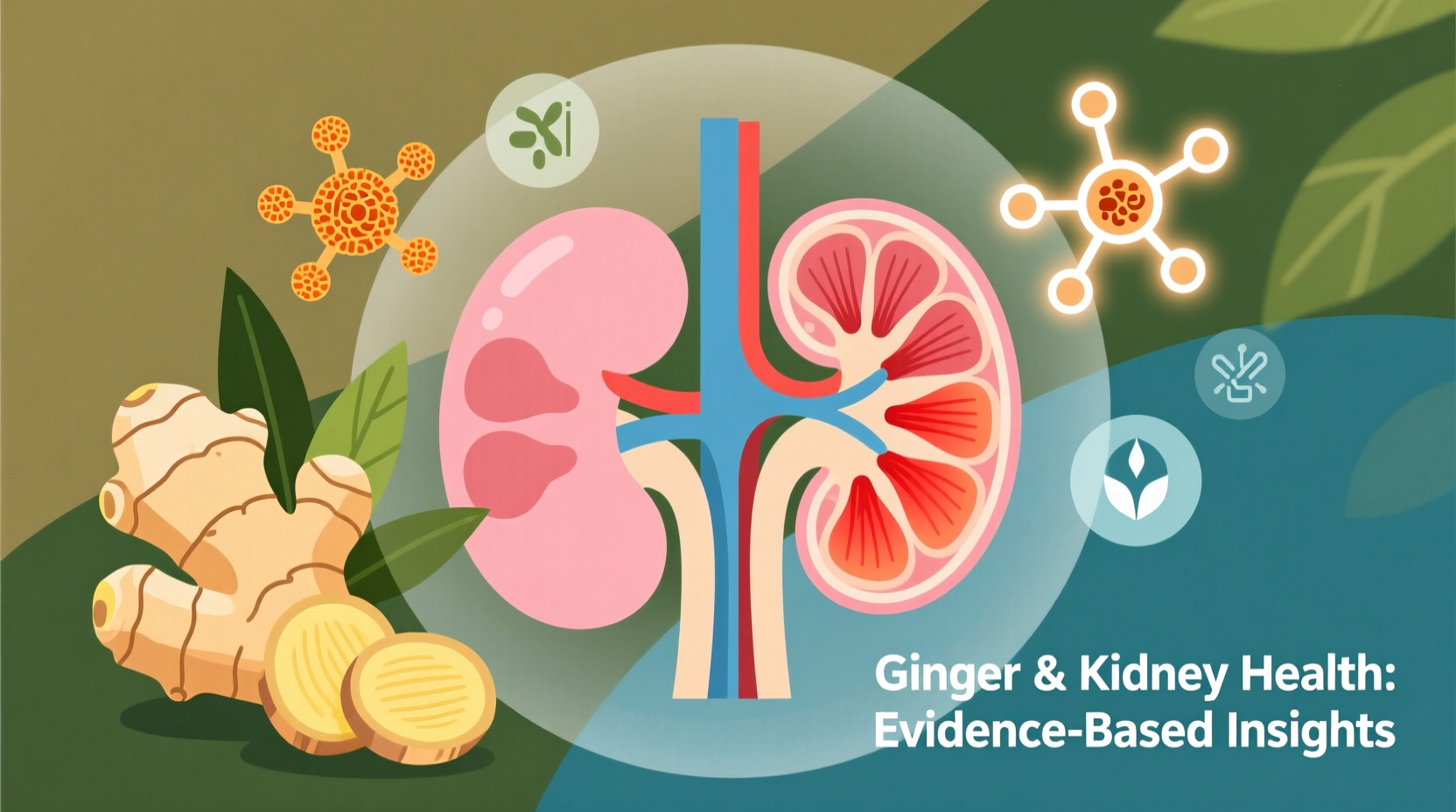
Ginger (Zingiber officinale) is a flowering plant whose underground stem, or rhizome, is widely used as a spice and herbal remedy. Native to Southeast Asia, it has been cultivated for over 5,000 years and features prominently in Ayurvedic, Chinese, and Middle Eastern medicine. In culinary contexts, ginger adds warmth, sharpness, and complexity to both sweet and savory dishes. Its flavor profile blends citrusy brightness with peppery heat, making it versatile across cuisines—from Indian curries and Japanese sushi to Caribbean jerk marinades and Scandinavian pastries.
Beyond taste, ginger contains potent phytochemicals such as gingerols, shogaols, paradols, and zingerone, which contribute to its biological activity. These compounds have demonstrated antioxidant, anti-inflammatory, antimicrobial, and hypoglycemic properties in preclinical studies. Given that oxidative stress and chronic inflammation are key drivers of kidney damage, particularly in diabetic nephropathy and hypertensive kidney disease, researchers have begun investigating whether ginger can modulate pathways involved in renal deterioration.
Key Characteristics
| Attribute | Description |
|---|---|
| Flavor Profile | Warm, spicy, slightly sweet with a sharp, lingering finish; fresh ginger has bright citrus notes, while dried forms are more concentrated and earthy. |
| Aroma | Pungent, woody, with hints of lemon and camphor; volatile oils like zingiberene and beta-bisabolene define its scent. |
| Color/Form | Off-white to pale yellow flesh under tan skin; available fresh, dried, powdered, candied, pickled, or as extracts. |
| Heat Level | Moderate pungency—not capsaicin-based but caused by gingerols, which activate TRPV1 receptors (similar to chili peppers). |
| Culinary Function | Flavor enhancer, digestive aid, natural preservative, tenderizer in marinades, base for teas and tonics. |
| Shelf Life | Fresh: 2–3 weeks refrigerated, up to 6 months frozen; dried powder: 2–3 years in airtight container away from light. |
Scientific Basis: How Ginger May Support Kidney Health
The kidneys filter waste, regulate blood pressure, maintain electrolyte balance, and produce hormones essential for red blood cell production. When compromised—by diabetes, high blood pressure, autoimmune disorders, or toxins—the organs experience increased oxidative stress and inflammatory signaling. Ginger’s potential benefit lies primarily in its ability to reduce these damaging processes.
In animal models of induced kidney injury, supplementation with ginger extract has consistently shown protective effects. A 2015 study published in Renal Failure found that diabetic rats given 200 mg/kg of ginger extract daily for eight weeks exhibited significantly lower levels of serum creatinine and blood urea nitrogen (BUN)—key markers of impaired kidney function—compared to controls. Histological analysis revealed reduced glomerular damage and less tubular necrosis.
These outcomes are attributed to ginger’s capacity to:
- Scavenge free radicals via phenolic compounds
- Inhibit pro-inflammatory cytokines such as TNF-α and IL-6
- Suppress NF-κB pathway activation, a central regulator of inflammation
- Improve insulin sensitivity and glucose metabolism, reducing diabetic strain on kidneys
- Lower systolic and diastolic blood pressure in hypertensive subjects
A 2020 randomized controlled trial involving 44 patients with type 2 diabetes and early-stage CKD showed that those consuming 2 grams of ginger powder daily for 12 weeks had significant reductions in fasting blood glucose, HbA1c, and urinary albumin-to-creatinine ratio (UACR)—an indicator of kidney leakage—compared to placebo. The findings, published in Nutrition, suggest ginger may slow progression of diabetic kidney disease when used adjunctively.
“While not a replacement for standard medical therapy, dietary ginger shows promise as a supportive agent in early renal dysfunction, especially where metabolic syndrome components are present.” — Dr. Lena Park, Nephrology Research Fellow, University of Toronto
Variants & Types of Ginger and Their Relevance to Kidney Diets
Different forms of ginger vary in potency, bioavailability, and sodium or sugar content—factors that matter for kidney-sensitive diets.
Fresh Ginger Root
The most versatile form. Contains active gingerols and minimal additives. Ideal for grating into stir-fries, steeping into tea, or blending into smoothies. One tablespoon (about 6 grams) of freshly grated ginger delivers approximately 150–200 mg of gingerol.
Dried Ginger Powder
More concentrated than fresh due to water removal. Often used in baking, spice blends, or capsules. One teaspoon (~2 grams) equals roughly one inch of fresh ginger. Choose additive-free versions without anti-caking agents if monitoring phosphorus or aluminum intake.
Ginger Tea (Loose or Bagged)
Commercial brands vary widely. Some contain added licorice root (high in glycyrrhizin, which can elevate blood pressure) or excessive sodium. Opt for pure organic ginger tea or prepare at home using sliced or crushed root steeped in hot water for 10 minutes.
Candied or Crystallized Ginger
Coated in sugar syrup, then rolled in granulated sugar. High in simple carbohydrates and often contains sulfur dioxide as a preservative—both undesirable for diabetic kidney patients. Best avoided or consumed sparingly.
Pickled Ginger (Gari)
Commonly served with sushi. Made with vinegar, sugar, and salt. A one-ounce serving may contain up to 300 mg of sodium—significant for those on sodium-restricted diets (typically ≤2,000 mg/day). Use only occasionally and in small amounts.
Liquid Extracts & Supplements
Standardized tinctures or capsules offer precise dosing (e.g., 250–500 mg per capsule). However, concentrated forms increase risk of gastrointestinal upset or drug interactions. Always consult a physician before use, especially with anticoagulants or antihypertensives.
TIP: For kidney-conscious cooking, prioritize fresh or powdered ginger in measured quantities. Avoid processed forms with added sugars, salts, or preservatives unless labeled low-sodium or unsweetened.
Comparison with Similar Ingredients
Ginger is sometimes confused with other rhizomes or spices used for digestion or inflammation. Understanding distinctions ensures appropriate use in renal diets.
| Ingredient | Similarities | Differences | Kidney Considerations |
|---|---|---|---|
| Turmeric | Anti-inflammatory, antioxidant, used in Ayurveda, supports liver/kidney detox | Active compound is curcumin; requires black pepper (piperine) for absorption; deeper earthy flavor | Curcumin may interact with immunosuppressants; high doses linked to oxalate increase—caution in stone-formers |
| Galangal | Botanical relative, used in Thai and Indonesian cuisine | Sharper, more pine-like; less pungent; contains different terpenes | Limited data on kidney effects; generally safe in culinary amounts |
| Horseradish | Peppery heat, sinus-clearing effect, used in condiments | Derived from roots of Brassicaceae family; allyl isothiocyanates cause heat | Often prepared with vinegar and salt; high sodium versions problematic for hypertension |
| Cinnamon | Blood sugar regulation, warming spice, common in metabolic support blends | Sweet-spicy profile; coumarin content (in Cassia) may affect liver/kidney with prolonged high intake | Prefer Ceylon cinnamon for lower coumarin; monitor in advanced CKD |
Practical Usage: Incorporating Ginger into a Kidney-Supportive Diet
Using ginger effectively means balancing therapeutic intent with dietary restrictions common in kidney disease—particularly limits on potassium, sodium, and fluid intake. Here are actionable ways to integrate ginger safely:
1. Homemade Ginger Tea (Low-Sodium)
- Peel and slice 1-inch of fresh ginger root.
- Add to 1 cup of boiling water.
- Simmer covered for 10 minutes.
- Strain and cool slightly. Optional: add lemon juice or a dash of cinnamon.
- Consume once daily, preferably between meals.
This preparation maximizes gingerol extraction without added sodium or sugar. Limit to one serving per day if potassium must be restricted (ginger contains ~13 mg potassium per gram).
2. Flavor Base for Low-Sodium Sauces
Replace salt-heavy flavor enhancers with a ginger-garlic paste. Blend equal parts peeled ginger and garlic with a small amount of olive oil or water. Use 1–2 teaspoons per dish as a base for stir-fries, soups, or roasted vegetables. This reduces reliance on soy sauce or bouillon cubes, major sources of hidden sodium.
3. Marinades for Lean Proteins
Ginger helps tenderize meat and neutralize off-flavors. Combine grated ginger, rice vinegar, a touch of honey (optional), and herbs like rosemary or thyme. Marinate chicken, turkey, or white fish for 30–60 minutes before cooking. Discard used marinade to avoid cross-contamination.
4. Smoothie Addition (Moderation Advised)
Add ½ teaspoon of grated ginger to fruit or vegetable smoothies. Pair with low-potassium ingredients like apples, cabbage, or cucumber. Avoid combining with high-potassium items like banana or spinach if on restriction.
5. Baking Substitute
In place of allspice or nutmeg, use ¼–½ teaspoon of ground ginger in oatmeal cookies, pumpkin bread, or spiced nuts. Enhances warmth without increasing phosphorus load (unlike some commercial spice mixes with phosphate additives).
CAUTION: Do not exceed 4 grams of ginger per day (about 1 teaspoon of powdered ginger or 2 inches fresh), especially if taking anticoagulants like warfarin, as ginger may potentiate bleeding risk. Consult your healthcare provider if on dialysis, managing hyperkalemia, or using RAAS inhibitors (e.g., lisinopril, losartan).
Practical Tips & FAQs
Q: Is ginger high in potassium?
A: No. Ginger is relatively low in potassium—approximately 13–15 mg per gram. A typical 5-gram serving (about 1 tablespoon grated) contains around 70 mg, well within safe limits even for stage 3–4 CKD patients who limit potassium to 2,000–3,000 mg/day.
Q: Can I drink ginger tea if I have kidney stones?
A: Yes, in moderation. Unlike turmeric or spinach, ginger is not high in oxalates. However, always ensure adequate hydration when consuming any diuretic herb. Lemon-ginger tea may actually help prevent calcium oxalate stones due to citrate content from lemon.
Q: Does ginger interfere with kidney medications?
A: Potentially. Ginger may enhance the effects of antihypertensives (lowering BP too much) and interact with anticoagulants. It may also influence blood sugar-lowering drugs. Always discuss supplements with your nephrologist or pharmacist.
Q: How should I store fresh ginger to preserve potency?
A: Wrap unpeeled ginger in a paper towel and place in a resealable plastic bag in the crisper drawer. Alternatively, freeze whole pieces and grate directly from frozen—this preserves gingerols longer than refrigeration alone.
Q: Can dialysis patients consume ginger?
A: Generally yes, in culinary amounts. However, because dialysis patients face stricter dietary controls (especially regarding potassium, fluid, and phosphorus), they should consult their dietitian before using ginger regularly or in supplement form.
Q: What’s the difference between young and mature ginger?
A: Young ginger (spring harvest) has thinner skin, higher moisture, milder heat, and a juicy texture—ideal for pickling or eating raw. Mature ginger is fibrous, drier, and more pungent—better suited for drying, grating, or decoctions. Both are nutritionally similar, though young ginger may have slightly higher volatile oil content.
Summary & Key Takeaways
Ginger holds emerging promise as a functional food supporting kidney health through multiple mechanisms: reducing oxidative stress, lowering inflammation, improving glycemic control, and potentially slowing the progression of diabetic nephropathy. Clinical evidence, while still limited to small human trials and robust animal data, supports cautious inclusion of ginger in diets aimed at preserving renal function.
Key points to remember:
- Ginger is low in potassium and safe for most kidney diets when used in culinary quantities (≤4 grams/day).
- Fresh and powdered forms are preferable to candied or pickled versions, which often contain excess sugar or sodium.
- Ginger tea, marinades, and spice blends offer practical ways to harness benefits without compromising dietary goals.
- Supplements require medical supervision due to interaction risks with anticoagulants, antihypertensives, and glucose-lowering agents.
- It is not a cure or substitute for prescribed treatments but may serve as a complementary dietary strategy under professional guidance.
Take Action: Start by adding ½ teaspoon of grated fresh ginger to your morning tea or lunchtime stir-fry. Track how you feel over two weeks—digestion, energy, blood pressure—and discuss results with your healthcare provider. Small, consistent changes often yield the most sustainable health benefits.









