
Wearing your team pride on your sleeve—literally—has never been more personal or expressive than with a custom-designed fan baseball t-shirt. Whether you're cheering from the bleachers, hosting a backyard watch party, or just showing off your loyalty in daily life, a well-crafted t-shirt can be a wearable piece of art. But standing out in a sea of generic team merch requires creativity, strategy, and attention to detail. The key isn’t just slapping a logo on cotton—it’s about storytelling, design intelligence, and craftsmanship.
A truly unique fan t-shirt captures not only team spirit but also individuality. It reflects the wearer’s journey, inside jokes, favorite players, or even nostalgic moments from past seasons. With the rise of DIY printing, online customization tools, and sustainable fashion, fans now have unprecedented power to create something authentic and memorable.
Start with Purpose: Define Your Design Identity
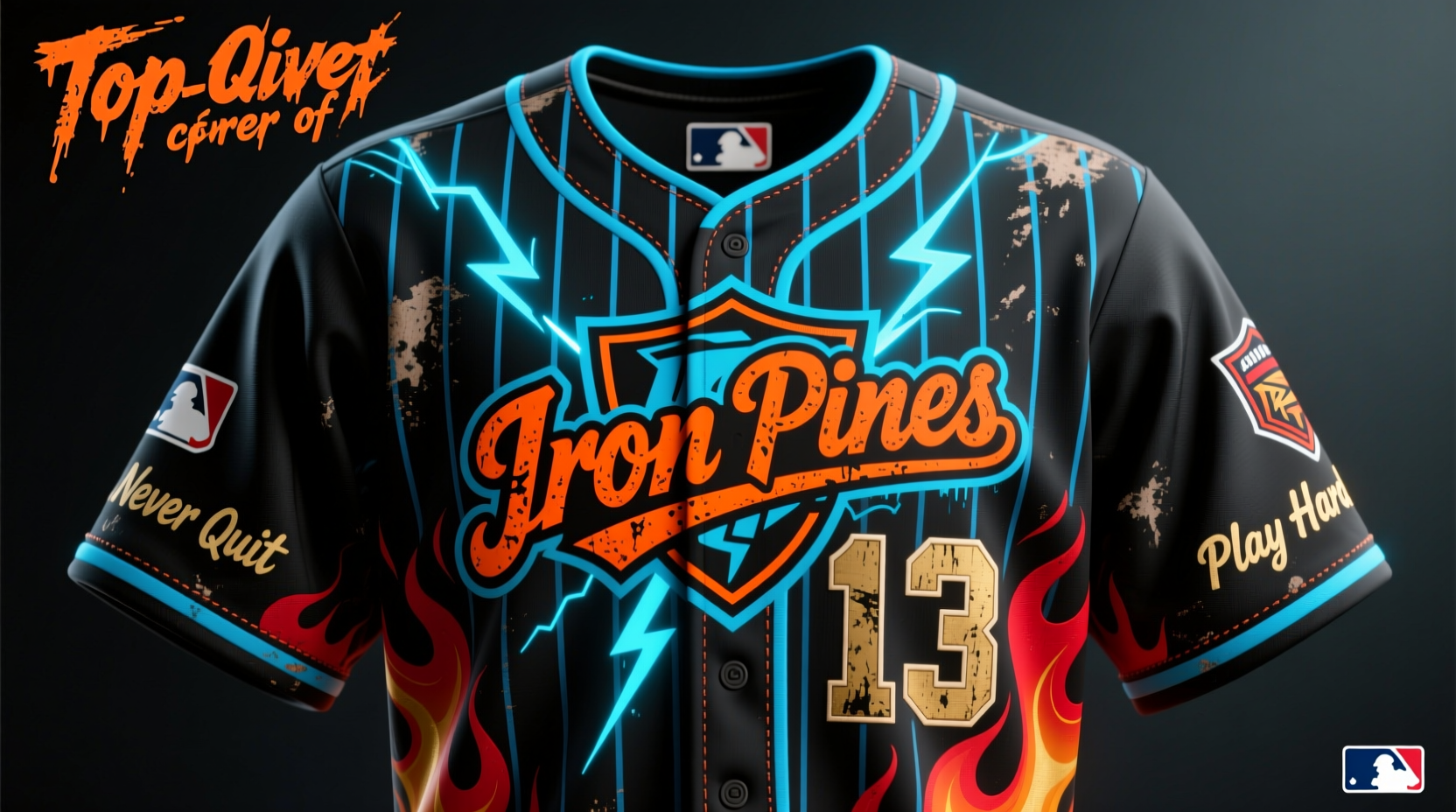
Before sketching or selecting fonts, ask yourself: What story does this shirt tell? Is it a tribute to a legendary game? A celebration of a player’s comeback season? Or a humorous nod to a long-standing rivalry? Clarity of purpose shapes every design decision—from color palette to typography.
Consider the emotional tone. Do you want bold and aggressive for an intense playoff run? Playful and retro for throwback nostalgia? Minimalist and modern for everyday wear? Each direction demands different visual treatment. For example, a vintage-inspired design might use distressed textures and 70s-style fonts, while a futuristic concept could lean into neon accents and geometric patterns.
Tip: Sketch three mood boards—one serious, one fun, one minimalist—to explore contrasting directions before committing.Design Elements That Make a Difference
Exceptional t-shirts go beyond logos. They incorporate thoughtful design elements that elevate them from merchandise to memorabilia.
- Typography as Art: Font choice is critical. Serif fonts feel classic and authoritative; sans-serif reads clean and modern. Script fonts add flair but should remain legible. Consider custom lettering that mimics a player’s signature or a historic scoreboard.
- Color Psychology: Team colors are essential, but don’t limit yourself. Use complementary shades to highlight details—like using navy instead of black for depth, or adding gold trim for championship prestige.
- Placement Matters: Center chest prints are standard. Try asymmetrical layouts, back-of-shirt murals, or sleeve insignias for surprise impact. A small embroidered patch near the hem can be a subtle signature touch.
- Texture & Finish: Simulate texture through design—stitching lines, fabric grain overlays, or halftone shading—even if printed flat. These nuances catch the eye and suggest craftsmanship.
“Great fan apparel doesn’t just display allegiance—it invites conversation.” — Marcus Lin, Sports Brand Designer at FanForma Studio
Step-by-Step Guide: From Concept to Wearable Art
Creating a standout t-shirt doesn’t require professional training—just a structured approach. Follow these steps to bring your vision to life.
- Research & Inspiration: Collect photos of vintage programs, iconic uniforms, stadium architecture, or memorable plays. Look outside baseball—music posters, street art, or military patches may spark unexpected ideas.
- Draft a Theme Statement: Write a single sentence summarizing your shirt’s intent. Example: “A retro-futuristic homage to my hometown team’s underdog 1986 season.”
- Create a Rough Layout: Use paper or digital tools (like Canva or Adobe Express) to block out space: front, back, sleeves. Decide where text, graphics, and negative space will live.
- Select Materials: Choose a high-quality blank tee—100% cotton for softness, tri-blend for durability and drape. Consider eco-friendly options like organic cotton or recycled polyester.
- Choose Printing Method: Screen printing offers vibrancy for bulk designs; DTG (direct-to-garment) works better for complex images or small runs. Heat transfer is accessible for home creators but less durable.
- Test Print: Print a draft on paper first. Hold it against the shirt. Does the scale work? Is readability clear from five feet away?
- Finalize & Produce: Adjust spacing, contrast, and alignment. Export at 300 DPI for clarity. Order a sample before mass production.
Incorporate Personalization for Emotional Impact
The most memorable fan shirts aren’t just team-centric—they’re deeply personal. Integrate elements that reflect your unique connection to the game.
Include your seat number from a perfect-game attendance, a jersey number with meaning, or a date tied to a family tradition. One fan designed a shirt featuring a pixel-art version of their late father’s favorite player, wearing his initials subtly on the sleeve. Another created a “roster” of friends who’ve attended every opening day together since college.
| Personal Element | Design Application | Emotional Value |
|---|---|---|
| Favorite Player | Portrait illustration + career stats | Nostalgia & admiration |
| First Game Memory | Stadium skyline + ticket stub graphic | Sentimental connection |
| Rivalry Humor | Playful slogan (“We Believe… In Winning”) | Community bonding |
| Fan Nickname | Custom patch on sleeve | Identity & belonging |
Case Study: The “Last Out” Commemorative Shirt
Jamal R., a lifelong Mets fan from Queens, wanted to honor the final season at Shea Stadium. Instead of buying official gear, he designed a limited-run t-shirt for his fan group. The front featured a stylized scoreboard frozen at the last out of the last game: September 28, 2008. The back listed the names of all 38 fans in his crew, each positioned like a dugout lineup card.
He used a weathered texture overlay to mimic aged pennants and chose navy with orange piping to echo the team’s 1986 look. Printed locally on heavyweight cotton, the shirts sold out in two days. Years later, members still wear them during anniversary viewings.
The success came not from flashy graphics—but from shared history, intentional detail, and exclusivity. Jamal didn’t just make a shirt; he created a relic.
Common Pitfalls and How to Avoid Them
Even passionate fans fall into design traps. Here’s what to watch for:
- Overcrowding: Too many logos, dates, and slogans compete for attention. Stick to one focal point.
- Poor Readability: Thin fonts, low-contrast colors, or tiny text frustrate viewers. Test print visibility at arm’s length.
- Ignoring Scale: A massive back print may look great flat but overwhelm when worn. Consider how the design flows with body movement.
- Copyright Issues: Official team logos and player names are protected. Use inspiration legally—rework silhouettes, avoid registered typefaces, or go fully original.
FAQ
Can I use a player’s name and number on my custom shirt?
You can for personal use, but selling shirts with official names/numbers without licensing infringes on MLB trademarks. Create original characters or use nicknames to stay compliant.
What’s the best fabric for all-day comfort at games?
A 50/50 cotton-polyester blend offers breathability, wrinkle resistance, and shape retention—ideal for long innings in summer heat.
How do I make my design last through washes?
Use professional-grade ink, avoid folding directly on prints, and wash inside-out in cold water. Air drying preserves integrity longer than machine drying.
Checklist: Design Your One-of-a-Kind T-Shirt
- Define your theme or story
- Gather visual references and mood boards
- Choose base shirt color and material
- Sketch layout for front, back, and sleeves
- Select fonts and color scheme
- Incorporate personal or nostalgic elements
- Decide on printing method (DTG, screen, etc.)
- Print a test version
- Review for clarity, balance, and durability
- Produce final batch or order single piece
Conclusion
A one-of-a-kind fan baseball t-shirt is more than apparel—it’s a canvas for memory, identity, and passion. When crafted with intention, it becomes a legacy piece passed between generations, worn proudly at games, and pulled from drawers on opening day like a sacred uniform. You don’t need a design degree or a big budget. You need vision, authenticity, and the courage to step beyond the merch line.
🚀 Ready to create your masterpiece? Grab a sketchpad, revisit your favorite moment, and start designing. Share your concept online with #MyFanShirt—we’d love to see what makes your fandom unique.








