For outdoor enthusiasts who value mobility without sacrificing comfort, a compact camping trailer offers the ideal balance between convenience and capability. Whether you're navigating mountain passes or exploring remote forest trails, these lightweight units are engineered to go where larger RVs can't—and still deliver a dependable living space. The right model combines rugged construction, smart design, and ease of towing, making it an essential companion for weekend escapes or extended road trips.
What Makes a Camping Trailer Compact and Reliable?
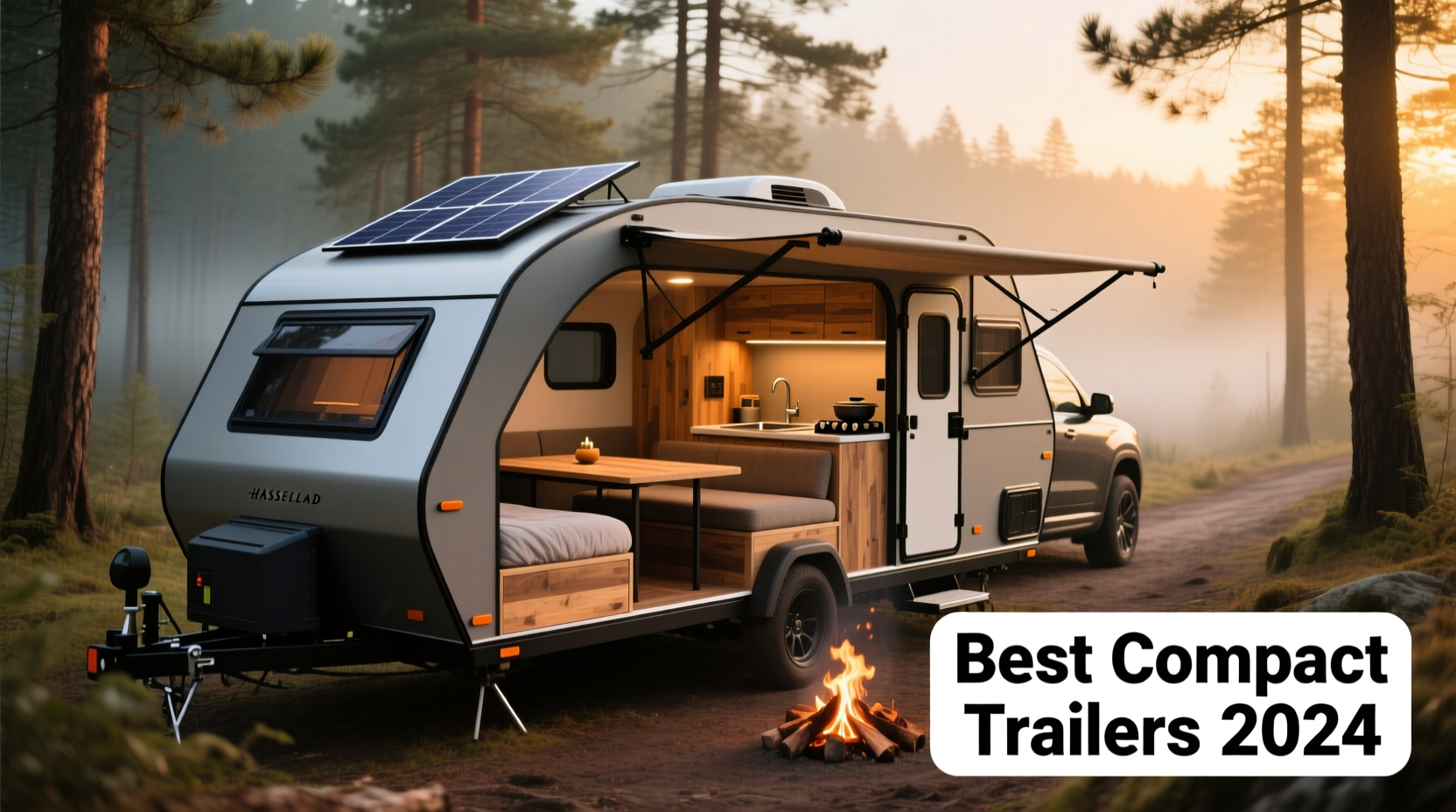
Compactness in camping trailers typically refers to size, weight, and aerodynamic profile. A truly compact trailer should be under 20 feet in length and weigh less than 3,500 pounds to remain towable by mid-size SUVs or even some crossovers. Reliability stems from build quality, materials used, and real-world performance under diverse conditions—from desert heat to alpine cold.
Key indicators of reliability include:
- Aluminum or fiberglass exteriors that resist corrosion and dents
- Durable suspension systems designed for off-pavement use
- Well-sealed windows and doors to prevent leaks
- Simple, field-serviceable plumbing and electrical systems
- Proven track record from long-term owner reviews and forums
Top 5 Compact and Reliable Camping Trailers
The market has evolved significantly, offering models that blend innovation with practicality. Below is a curated list of top-performing compact trailers known for durability, thoughtful layout, and ease of use.
| Model | Length | Weight (lbs) | Key Features | Best For |
|---|---|---|---|---|
| Scamp 13' Deluxe | 13 ft | 1,700 | Fiberglass shell, optional AC, dinette converts to bed | Solo travelers, couples, beginners |
| Escape Trailer 17B | 17 ft | 3,200 | Aluminum exterior, full kitchen, heated floor option | All-season adventurers |
| Lance Traveler 650 | 19 ft | 3,450 | Slide-out dinette, enclosed underbelly, ducted AC | Year-round comfort seekers |
| Forest River Rockwood Geo Pro 16FQ | 19 ft | 3,300 | Front queen bed, full bathroom, LED lighting | Families or dual occupants |
| Aliner Aspen SS | 17 ft | 2,600 | Pop-up roof, galley kitchen, ruggedized chassis | Off-grid explorers |
“Smaller trailers aren’t just easier to tow—they encourage a simpler, more intentional way of traveling.” — Mark Jensen, Overland Journal Contributor
Design Features That Enhance Usability
Compact doesn’t have to mean cramped. The best designs maximize every inch through modular furniture, vertical storage, and multi-functional fixtures. Consider the following innovations when evaluating models:
- Fold-down dinettes that convert into sleeping areas save space without compromising comfort.
- Over-cab sleeping pods utilize otherwise dead space above the front wall, adding a second bed without increasing footprint.
- Slide-out sections, though rare in sub-20-foot models, dramatically expand interior room when parked.
- Integrated solar prep kits allow off-grid power independence, reducing reliance on hookups.
- Wet baths combine shower and toilet in one sealed unit—ideal for minimizing space while maintaining full functionality.
Smart Storage Solutions
Storage is often overlooked until you’re packing up for departure. Look for trailers with:
- Under-bed compartments accessible from inside and outside
- Roof-mounted cargo baskets for bulky gear like bikes or kayaks
- Pull-out pantries and magnetic spice racks to keep kitchens efficient
- Tool bins mounted near the tongue for quick hitch maintenance
Real-World Example: A Cross-Country Journey in a Scamp 13'
Sarah and Tom, a retired couple from Oregon, spent six months touring national parks in their Scamp 13’ trailer behind a Toyota Highlander. With a total rig weight under 4,000 lbs, they navigated narrow park roads and high-elevation switchbacks with confidence. Inside, the compact layout included a small refrigerator, two-burner stove, and convertible dinette. They added a portable solar panel and upgraded insulation for colder nights in Yellowstone.
“We were surprised how livable it felt,” Sarah said. “We didn’t miss having a huge RV. In fact, we connected more with nature because we weren’t isolated in a big box.” Their experience highlights how compact trailers foster deeper engagement with the environment while remaining dependable across thousands of miles.
Maintenance Tips for Long-Term Reliability
To ensure your trailer remains roadworthy for years, adopt a seasonal maintenance routine:
Tip: Lubricate wheel bearings annually and inspect tires every spring—even if unused over winter.- Clean and reseal seams and joints every 12–18 months to prevent moisture intrusion.
- Flush water lines and sanitize tanks before and after each season.
- Check propane connections with soapy water to detect leaks.
- Store with windows slightly open to reduce condensation buildup.
- Use a breathable, vented cover during off-season storage.
Checklist: Pre-Trip Inspection for Compact Trailers
- ✅ Lights and electrical connections functioning
- ✅ Tire pressure and tread condition verified
- ✅ Safety chains and hitch locked securely
- ✅ Freshwater tank filled and waste tanks emptied
- ✅ Propane system leak-tested and valves operational
- ✅ Vent covers closed, awning stowed, slide-outs retracted
- ✅ Emergency toolkit and spare tire accessible
Common Trade-offs and How to Navigate Them
No trailer is perfect. Choosing compactness means accepting certain limitations. Understanding these helps set realistic expectations:
| Trade-off | Challenge | Solution |
|---|---|---|
| Interior Space | Tight quarters may feel restrictive for taller individuals | Choose models with vaulted ceilings or pop-up roofs |
| Water Capacity | Smaller freshwater tanks require frequent refills | Carry collapsible jugs and use low-flow fixtures |
| Climate Control | Less insulation than larger RVs; harder to heat/cool | Look for double-pane windows and radiant barriers |
| Kitchen Size | Limited counter space and single burners | Supplement with outdoor camp kitchen setups |
FAQ
Can I tow a compact camping trailer with a sedan?
Most sedans lack sufficient towing capacity (typically under 2,000 lbs). However, ultra-light models like the Scamp 13’ (1,700 lbs) may be towable by certain performance sedans equipped with factory hitches and engine cooling packages. Always consult your vehicle manual and consider braking requirements.
Are compact trailers suitable for winter camping?
Yes, but only select models designed for four-season use. Look for insulated walls, heated holding tanks, and furnace options. The Escape Trailer series and Lance Traveler line offer cold-weather packages that maintain comfort below freezing.
How do I improve fuel efficiency when towing?
Aerodynamics play a major role. Keep the trailer height low, install wind deflectors, maintain proper tire inflation, and avoid excessive speed. Driving at 60–65 mph instead of 70+ can improve combined fuel economy by up to 15%.
Final Thoughts and Moving Forward
Selecting a compact and reliable camping trailer isn’t about finding the smallest option—it’s about identifying the one that aligns with your lifestyle, vehicle capabilities, and adventure goals. Today’s best models prove that downsizing doesn’t mean downgrading. With intelligent engineering and high-quality materials, these trailers deliver resilience, versatility, and freedom.
Whether you’re chasing sunrise at a lakeside campsite or spending weekends hiking in state parks, a well-chosen trailer becomes more than equipment—it becomes part of your story. Research thoroughly, test drive if possible, and prioritize build quality over flashy extras.
🚀 Ready to hit the open road? Start comparing floor plans, connect with owner groups online, and plan your first getaway. The trail ahead is waiting.








