
Portobello mushrooms are a staple in many kitchens, prized for their rich umami flavor and meaty texture. Often used as a vegetarian alternative to burgers or steaks, they appear on menus and grocery shelves worldwide. While generally safe when properly prepared, there are real concerns about their potential risks — especially when consumed raw, overeaten, or improperly stored. Understanding these dangers helps ensure that enjoying portobellos remains both delicious and safe.
Natural Toxins in Raw Portobello Mushrooms
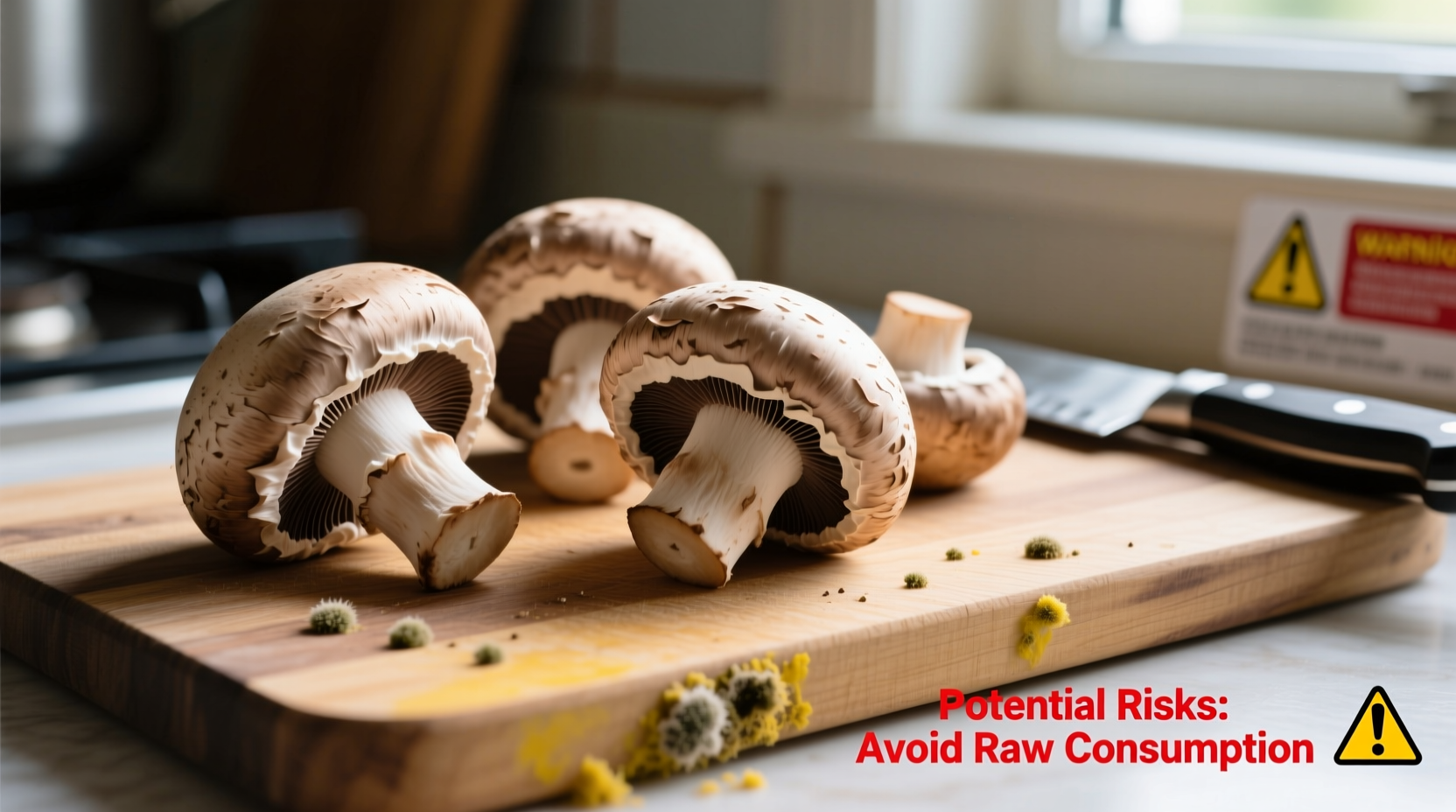
All mushrooms in the Agaricus bisporus family — including white button, cremini, and portobello — contain a compound called agaritine. This naturally occurring hydrazine derivative has raised concern due to its classification as a possible carcinogen. Studies suggest that agaritine can break down into compounds that may damage DNA in laboratory settings.
The concentration of agaritine is higher in raw portobellos than in cooked ones. Cooking significantly reduces agaritine levels through thermal degradation. However, regularly consuming large quantities of raw portobellos — such as in salads or smoothies — could increase long-term exposure to potentially harmful substances.
“While the cancer risk from dietary agaritine is considered low by current evidence, minimizing raw intake, especially over prolonged periods, is a prudent choice.” — Dr. Lena Torres, Mycologist and Food Safety Researcher, University of VermontTip: Always cook portobello mushrooms thoroughly to reduce agaritine content and improve digestibility.
Digestive Issues and Gastrointestinal Sensitivity
Even when cooked, portobellos can cause digestive discomfort in some individuals. Their cell walls are made of chitin — a tough polysaccharide also found in insect exoskeletons — which humans cannot easily break down. This can lead to bloating, gas, or stomach cramps, particularly in people with sensitive digestive systems or conditions like IBS (irritable bowel syndrome).
The high fiber content, while beneficial in moderation, may exacerbate symptoms if consumed excessively. Additionally, portobellos contain moderate levels of purines, which the body metabolizes into uric acid. For those prone to gout or kidney stones, frequent consumption may contribute to flare-ups.
Symptoms of Overconsumption May Include:
- Bloating and abdominal discomfort
- Excessive gas
- Nausea after meals
- Increased uric acid levels (in susceptible individuals)
Contamination Risks: From Farm to Table
Mushrooms absorb substances readily from their growing environment. If cultivated in contaminated soil or handled with poor hygiene, portobellos can carry harmful bacteria such as E. coli, Listeria, or Salmonella. These pathogens pose serious health risks, especially to pregnant women, older adults, and immunocompromised individuals.
Improper storage accelerates spoilage. Mushrooms left at room temperature for extended periods or stored in sealed plastic bags without ventilation develop moisture buildup, promoting mold growth and bacterial proliferation. Slimy texture, dark spots, or a sour smell are clear signs of spoilage.
| Risk Factor | Source | Prevention Strategy |
|---|---|---|
| Agaritine exposure | Natural compound in raw mushrooms | Cook thoroughly; limit raw intake |
| Bacterial contamination | Poor handling or growing conditions | Buy from reputable sources; wash before cooking |
| Mold development | Improper storage (moisture trapped) | Store in paper bags; refrigerate promptly |
| Digestive distress | Chitin and fiber content | Consume in moderation; chew well |
| Heavy metal accumulation | Contaminated substrate | Choose organic or certified growers |
Who Should Limit or Avoid Portobello Mushrooms?
Not everyone needs to avoid portobellos, but certain groups should exercise caution:
- Pregnant women: Due to increased vulnerability to foodborne illness, raw or undercooked mushrooms should be avoided entirely.
- People with gout: The purine content may elevate uric acid levels, triggering painful joint inflammation.
- Those with fungal allergies: Though rare, allergic reactions to mushrooms can occur, manifesting as skin rashes, respiratory issues, or gastrointestinal upset.
- Individuals with compromised immune systems: Including chemotherapy patients or organ transplant recipients, who face higher risks from microbial contamination.
Mini Case Study: A Restaurant Incident
In 2021, a small farm-to-table restaurant in Oregon served a raw portobello carpaccio as part of a tasting menu. Within 48 hours, seven customers reported nausea, vomiting, and diarrhea. Health inspectors traced the issue not to toxins in the mushrooms themselves, but to cross-contamination during preparation — the same cutting board was used for raw chicken earlier that day. While the mushrooms were fresh and properly sourced, improper kitchen protocols led to a Salmonella outbreak. This case highlights that even inherently safe foods become dangerous when hygiene fails.
Safe Handling and Preparation Guidelines
To enjoy portobellos safely, follow these science-backed steps:
- Select wisely: Choose firm, dry mushrooms with intact caps. Avoid any with slimy surfaces or dark discoloration.
- Clean gently: Wipe with a damp cloth or soft brush. Avoid soaking, as mushrooms absorb water and become soggy.
- Cook thoroughly: Sauté, grill, roast, or bake at temperatures above 165°F (74°C) to neutralize agaritine and kill pathogens.
- Store correctly: Place in a paper bag in the refrigerator’s main compartment — never in plastic. Use within 5–7 days.
- Consume in moderation: One or two servings per week is sufficient for most healthy adults.
Frequently Asked Questions
Can you eat portobello mushrooms raw?
Technically yes, but it's not recommended. Raw portobellos contain agaritine, a compound with potential carcinogenic properties. They're also more difficult to digest due to chitin. Cooking eliminates most risks and enhances flavor and texture.
Are portobello mushrooms bad for your liver?
No evidence suggests that moderate consumption of cooked portobellos harms the liver in healthy individuals. However, excessive intake of any food containing natural toxins — even in small amounts — may strain detoxification pathways over time. Balance is key.
Do portobello mushrooms have heavy metals?
They can absorb heavy metals like cadmium and lead if grown in contaminated substrates. Commercially grown mushrooms in regulated environments typically meet safety standards. Opting for organic or certified brands reduces this risk.
Conclusion: Enjoy Portobellos Safely with Smart Choices
Portobello mushrooms are not inherently dangerous — in fact, they offer valuable nutrients like selenium, B vitamins, and antioxidants. The risks lie primarily in how they are grown, stored, prepared, and consumed. By cooking them thoroughly, sourcing them responsibly, storing them properly, and eating them in moderation, you can safely enjoy their robust flavor and culinary versatility.
Understanding the potential downsides isn’t about fear — it’s about empowerment. With informed habits, you protect your health without sacrificing taste or nutrition. Whether grilled as a burger substitute or roasted into a hearty stew, portobellos can remain a smart, satisfying part of your diet.
💬 Have you experienced digestive issues after eating portobellos? Share your story or tips in the comments — your insights could help others make safer food choices!








