
Saltwater pier fishing offers accessible entry into offshore angling without the need for a boat. Standing above churning waves, you’re within reach of redfish, speckled trout, flounder, snook, and even larger species like king mackerel or tarpon depending on location and season. But success hinges not just on bait and timing—it starts with your gear. A reliable rod and reel combo must withstand constant exposure to salt, sand, and heavy loads while delivering sensitivity, strength, and smooth performance.
For both beginners and seasoned anglers, choosing the right pre-packaged combo saves time, money, and guesswork. These units are engineered to work together seamlessly, offering balanced performance out of the box. This guide breaks down what makes a great saltwater pier combo, highlights top models across price ranges, and provides practical advice for maximizing durability and catch rates.
What Makes a Rod and Reel Combo Suitable for Saltwater Piers?
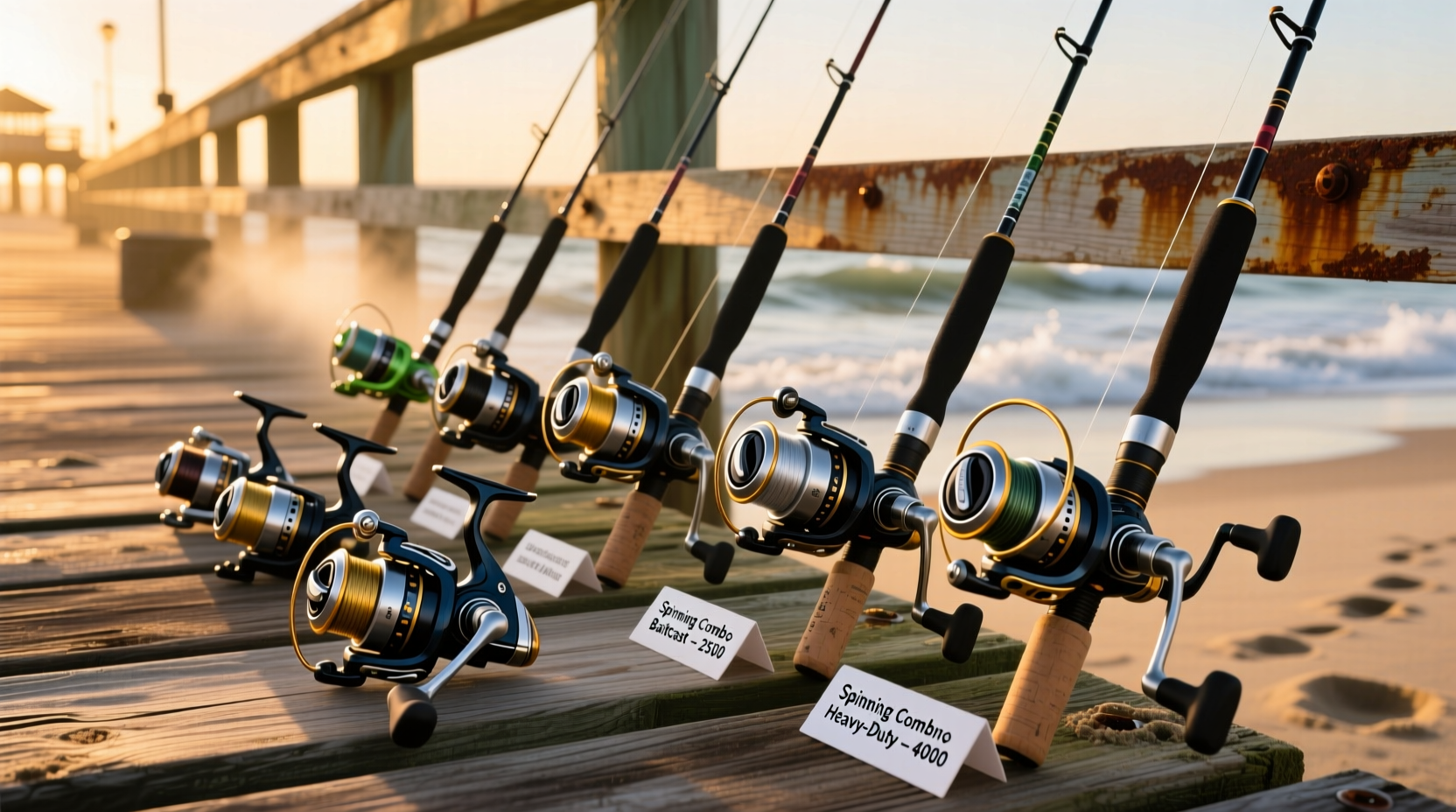
Pier fishing presents unique challenges: high foot traffic, limited casting space, abrasive salt spray, and powerful fish that can make sudden runs into structure. The ideal combo balances several key factors:
- Corrosion Resistance: Stainless steel bearings, sealed spools, and anodized aluminum components resist rust from constant salt exposure.
- Durability: Graphite or composite blanks with corrosion-resistant guides maintain integrity under strain.
- Length and Action: 7 to 8 feet is optimal—long enough for casting distance but short enough for control in tight spaces.
- Reel Type: Spinning reels dominate pier use due to ease of casting light lures and better handling of vertical retrieves.
- Line Capacity: Should hold at least 150 yards of 15–20 lb braided line to handle strong fish near pilings.
Top 5 Reliable Rod and Reel Combos for Pier Fishing
The following models have proven themselves across U.S. coastlines—from Gulf Coast piers in Florida to Atlantic jetties in New Jersey. Each balances cost, performance, and longevity.
| Model | Rod Length/Power | Reel Size | Key Features | Price Range |
|---|---|---|---|---|
| Shimano Sahara CI4+ Combo | 7' Medium-Heavy | 4000 | Waterproof rotor, Hagane gear, corrosion-resistant body | $220–$260 |
| Penn Battle III Surf Combo | 7'6\" Heavy | 6500 | Full metal body, IPX5 sealed drag, braid-ready spool | $280–$320 |
| Dobyns Champion XP Series Combo | 7'2\" Medium | 3000 | High-modulus graphite, Fuji Alconite guides, sensitive blank | $250–$290 |
| Ugly Stik GX2 Extreme Combo | 7' Medium-Heavy | 3000 | GloBrite guides, clear tip, legendary durability | $110–$140 |
| Hurricane Aeon SX Combo | 7' Medium | 3000 | Lightweight design, smooth 6.2:1 gear ratio, affordable | $90–$120 |
The Shimano Sahara CI4+ stands out for its sealed rotor system, which prevents salt intrusion—a critical feature for frequent pier anglers. Meanwhile, the Penn Battle III delivers offshore-grade toughness, making it ideal for targeting larger species like jack crevalle or bull reds. For budget-conscious newcomers, the Ugly Stik GX2 remains a staple thanks to its near-indestructible construction and dependable performance.
“Pier fishing demands gear that can take abuse. You're not only fighting fish, but also wind, sun, sand, and other anglers bumping rods. Reliability isn’t optional—it’s mandatory.” — Captain Ray Thompson, Coastal Fishing Guide (18 years experience)
Maintenance Checklist for Longevity
A well-maintained combo lasts years, even with regular saltwater use. Follow this checklist after each trip to prevent premature failure:
- Rinse the entire rod and reel with lukewarm fresh water.
- Use a soft brush to clean around the reel seat, guides, and handle.
- Open the reel spool and wipe the bail arm and roller pin with a damp cloth.
- Lubricate the reel’s moving parts (spool shaft, bail spring) every 4–6 uses with marine-grade oil.
- Inspect line for nicks or abrasions; replace if frayed.
- Store vertically in a dry, shaded area away from direct sunlight.
Real-World Example: Nighttime Snook Success in Fort Myers
Javier M., an amateur angler from Tampa, visited the Sanibel Island pier during a late summer snook run. Armed with a Ugly Stik GX2 combo and 20 lb braid, he fished cut bait near the lighted pylons after dusk. Around 8:30 PM, a hard strike nearly pulled the rod overboard. After a five-minute battle involving multiple wraps around submerged concrete, he landed a 28-inch snook—the largest of his life.
“I was worried my $120 combo wouldn’t hold up,” Javier said. “But the rod bent deep and recovered perfectly. The reel never slipped, even when it rubbed against the pier edge. I’ve used it 15 times since and still haven’t needed maintenance.”
This scenario underscores how a thoughtfully chosen combo performs under real stress—not just in calm test conditions.
Step-by-Step Guide to Choosing Your First Saltwater Pier Combo
If you're new to pier fishing, follow these steps to select a setup tailored to your needs:
- Assess Target Species: Are you after small trout and flounder (medium power) or larger predators like cobia or shark (heavy power)?
- Determine Budget: Entry-level combos start around $90; premium options exceed $300. Mid-range ($120–$200) often offers the best value.
- Check Local Regulations: Some piers restrict hook types or prohibit certain rigs. Ensure your gear complies.
- Visit a Tackle Shop: Hold different combos to feel balance and weight. A poorly balanced rod causes fatigue.
- Read User Reviews: Look for feedback on long-term durability and salt resistance, not just initial performance.
- Buy from Reputable Brands: Stick with manufacturers known for saltwater engineering—Shimano, Penn, Ugly Stik, Dobyns, Abu Garcia.
Frequently Asked Questions
Can I use a freshwater rod and reel combo in saltwater?
No. Freshwater reels lack proper seals and corrosion protection. Even brief salt exposure can degrade internal gears and bearings. Always use salt-rated gear near the ocean.
How often should I service my saltwater spinning reel?
Perform a full disassembly and lubrication every 15–20 outings or once per season with heavy use. Between trips, rinse and dry thoroughly. Skipping maintenance drastically shortens reel life.
Is braid necessary for pier fishing?
Highly recommended. Braided line offers superior sensitivity, castability, and resistance to abrasion—critical when fishing near concrete pilings and barnacle-covered structures. Use a 15–30 lb test depending on target species.
Final Thoughts and Recommendations
Reliable rod and reel combos for saltwater pier fishing don’t have to break the bank—but they must be purpose-built for the environment. Whether you choose the rugged Ugly Stik GX2 for weekend outings or invest in the precision-engineered Shimano Sahara for consistent performance, the key is consistency in care and realistic expectations.
Don’t underestimate the importance of post-trip rinsing and seasonal servicing. A $300 combo neglected after three months of weekly use may fail sooner than a $100 model maintained properly. Match your gear to your goals, respect the power of saltwater, and prioritize function over flash.
💬 Have a favorite pier fishing combo or a story about a big catch on a trusted rig? Share your experience in the comments below—your insight could help fellow anglers make smarter choices.








