Minimalist running shoes have gained popularity over the past decade as part of a broader movement toward natural, barefoot-inspired movement. Advocates praise them for improving foot strength, promoting better running form, and reconnecting runners with the ground. But for beginners, especially those new to running or unfamiliar with biomechanics, these lightweight, low-drop shoes can be a double-edged sword. Without proper preparation, they may increase the risk of injury rather than reduce it. The real question isn’t whether minimalist shoes are inherently dangerous—it’s whether they’re being introduced safely and appropriately.
The Science Behind Minimalist Footwear
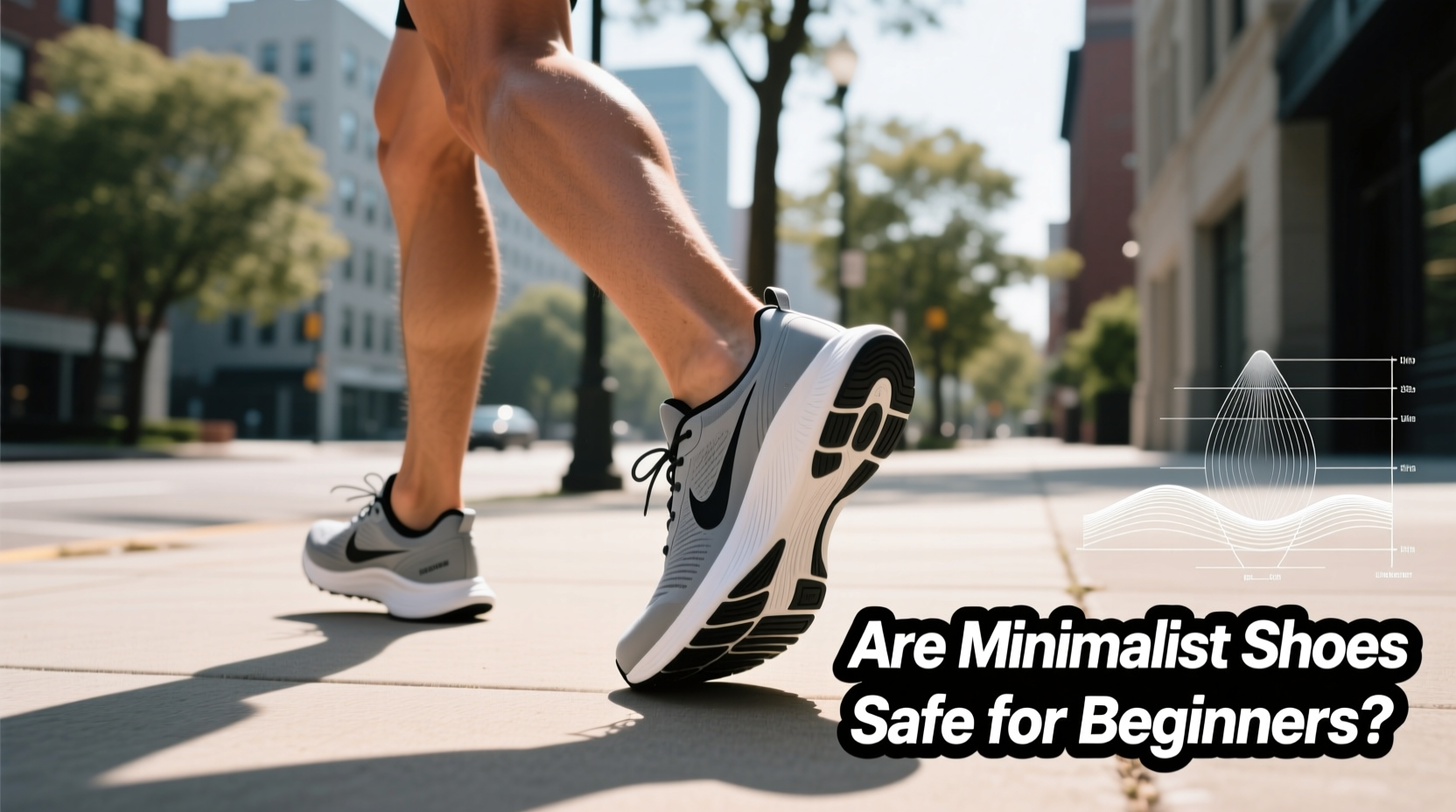
Minimalist running shoes are defined by several key features: minimal cushioning, zero or low heel-to-toe drop (typically 0–6mm), flexible soles, and reduced weight. Unlike traditional running shoes that elevate the heel and absorb impact through thick midsoles, minimalist shoes aim to mimic barefoot running while offering protection from sharp objects and rough terrain.
Proponents argue that this design encourages a forefoot or midfoot strike, which reduces braking forces and lowers impact peaks compared to heel striking—a common gait pattern in conventional shoes. Research supports this shift in mechanics. A 2013 study published in Medicine & Science in Sports & Exercise found that habitual minimalist shoe users were more likely to adopt a forefoot strike, leading to decreased collision forces at the knee and hip.
However, the same study noted that these benefits only emerged after a gradual adaptation period. Sudden transitions led to increased strain on the Achilles tendon and calf muscles—common sites of injury among new minimalist users.
“Going minimalist isn’t about swapping shoes overnight. It’s about retraining your body to move differently. The feet, calves, and tendons need time to adapt.” — Dr. Irene Davis, Director of the Harvard Biomechanics Lab
Risks for Beginners: Why Injury Rates Rise
Beginners often lack the foundational strength, mobility, and neuromuscular control required to handle the demands of minimalist footwear. When combined with high mileage or aggressive training plans, this mismatch can lead to overuse injuries.
Common injuries associated with improper minimalist shoe use include:
- Achilles tendinopathy: Caused by sudden increases in forefoot loading without adequate calf strength.
- Plantar fasciitis: Often triggered by excessive strain on the arch due to underdeveloped intrinsic foot muscles.
- Metatarsal stress fractures: Result from repetitive pressure on the forefoot, particularly if stride mechanics are inefficient.
- Shin splints: Can occur when tibialis anterior muscles are overworked during uphill running or prolonged use on hard surfaces.
A 2014 study in the Journal of Strength and Conditioning Research followed novice runners who switched abruptly to minimalist shoes. Over 12 weeks, nearly 40% reported lower-limb injuries—more than double the rate seen in the control group wearing traditional trainers.
Tip: If you feel persistent pain in your calves, heels, or forefoot within the first few weeks of using minimalist shoes, stop and reassess your transition plan.When Minimalism Works: Conditions for Safe Adoption
Minimalist shoes aren't inherently unsafe—they simply require context and caution. For beginners willing to invest time in preparation, they can offer long-term biomechanical advantages. Success depends on three factors: baseline fitness, running experience, and a structured transition.
Beginners who already have strong lower legs, good ankle mobility, and experience with bodyweight exercises (like single-leg balances or barefoot walking) are better positioned to benefit. Additionally, those starting with low weekly mileage (<10 miles) and focusing on form rather than speed are less likely to overload tissues.
It's also important to consider lifestyle factors. People who spend most of their day in stiff-soled shoes or high heels may have shortened Achilles tendons and weakened foot muscles—making an immediate switch to minimalism risky.
Checklist: Are You Ready to Try Minimalist Shoes?
- Can you walk barefoot comfortably on varied terrain for 15+ minutes?
- Do you have full ankle dorsiflexion (ability to bend your knee over your toes without lifting your heel)?
- Can you perform 20 slow, controlled heel raises on one foot?
- Have you been consistently running for at least 3 months?
- Are you prepared to reduce your weekly mileage during transition?
If you answered “no” to two or more of these, consider building foundational strength before adopting minimalist footwear.
Step-by-Step Transition Plan
Safe adoption of minimalist shoes requires patience. Rushing the process is the most common cause of injury. Follow this phased approach over 8–12 weeks:
- Weeks 1–2: Walk Only
Wear minimalist shoes for daily walking (20–30 minutes). Focus on soft surfaces like grass or dirt trails. This builds foot awareness and activates stabilizing muscles. - Weeks 3–4: Introduce Short Runs
Replace one easy run per week with minimalist shoes. Start with 10–15 minutes of running mixed with walking. Keep pace conversational and terrain forgiving. - Weeks 5–6: Increase Duration
Gradually extend minimalist runs to 20–25 minutes. Maintain focus on posture: upright torso, slight forward lean, quick cadence (aim for 170–180 steps per minute). - Weeks 7–8: Add a Second Session
Incorporate a second minimalist run per week. Avoid hills, speedwork, or long runs during this phase. - Weeks 9–12: Evaluate and Expand
If no pain or discomfort, gradually increase distance. Consider alternating minimalist and traditional shoes for different workouts (e.g., minimalist for tempo runs, cushioned for long runs).
This method allows connective tissues—particularly tendons, which adapt more slowly than muscle—to strengthen progressively.
Do’s and Don’ts of Minimalist Running for Beginners
| Do’s | Don’ts |
|---|---|
| Start with walking in minimalist shoes | Jump straight into running five miles |
| Run on softer surfaces (grass, dirt, rubber tracks) | Run exclusively on concrete or asphalt early on |
| Focus on increasing cadence to reduce stride length | Overstride or reach your foot too far ahead |
| Strengthen feet and calves with targeted exercises | Ignore signs of pain or tightness |
| Use minimalist shoes selectively at first | Wear them all day every day immediately |
Real Example: Sarah’s Journey from Heel Striker to Midfoot Runner
Sarah, a 28-year-old office worker and beginner runner, decided to try minimalist shoes after reading about their benefits online. Excited by the idea of “natural” running, she bought a popular zero-drop model and went for a 3-mile run on pavement the next day.
By mile two, her calves were cramping. By mile three, she felt sharp pain in her Achilles. She finished the run but couldn’t walk normally the next morning. A visit to a physical therapist revealed mild Achilles tendinopathy caused by abrupt mechanical overload.
After six weeks of rest and rehab, Sarah restarted—with a new plan. She began walking in her minimalist shoes daily, added calf raises and toe yoga exercises, and only resumed running after four weeks. Her first run was just 10 minutes, followed by a walk. Over the next ten weeks, she slowly built up to 30-minute runs, now landing with a gentle midfoot strike and reporting improved comfort and fewer joint aches.
Sarah’s story illustrates how enthusiasm without education can lead to setbacks—but also how a thoughtful, patient approach can turn failure into success.
Expert-Backed Strategies to Reduce Injury Risk
Beyond gradual transition, experts recommend integrating specific strength and mobility work to support minimalist adaptation.
- Toe Spreading and Short Foot Exercises: These activate the intrinsic foot muscles that stabilize the arch. Practice by trying to shorten your foot without curling your toes.
- Eccentric Calf Raises: Stand on a step, rise onto both toes, then slowly lower the affected leg over 3–5 seconds. Do 3 sets of 15, twice daily.
- Ankle Mobility Drills: Use a wall stretch to improve dorsiflexion, crucial for forefoot contact without compensatory movements.
- Barefoot Balance Training: Stand on one leg on uneven surfaces (e.g., foam pad or folded towel) to enhance proprioception.
These exercises don’t replace running but prepare the body for its demands. As Dr. Casey Kerrigan, a biomechanist and founder of OESH Shoes, explains:
“The foot is not broken and doesn’t need to be ‘fixed’ by shoes. But decades of restrictive footwear weaken it. Rebuilding takes time—and intentionality.”
Frequently Asked Questions
Can I wear minimalist shoes every day, not just for running?
You can, but ease into it. Wearing minimalist shoes all day immediately may lead to fatigue or strain, especially if you're used to supportive footwear. Start with short durations and monitor how your feet and legs respond.
Are there any runners who should avoid minimalist shoes entirely?
Yes. Individuals with severe flat feet, chronic plantar fasciitis, or a history of stress fractures may not tolerate minimalist shoes well. Those with diabetes or neuropathy should consult a physician due to reduced sensory feedback and protection. Always seek professional advice if you have pre-existing conditions.
How do I know if my running form is improving?
Record yourself running from the side and behind. Look for: a midfoot strike (foot landing under the body, not ahead), upright posture, and quick turnover. You should hear a soft, rhythmic sound—not loud heel slaps. Many runners also report feeling lighter and more efficient once adapted.
Conclusion: Mindful Transition Beats Blind Trend-Chasing
Minimalist running shoes are neither a guaranteed path to injury nor a miracle solution for perfect running. Their safety for beginners hinges entirely on how they’re introduced. Used recklessly, they can overwhelm unprepared tissues. But when paired with strength training, gait awareness, and a slow transition, they can foster resilience, efficiency, and a deeper connection to movement.
The goal isn’t to abandon cushioned shoes altogether, but to expand your toolkit. Some runners thrive in minimalism; others find a hybrid approach works best. What matters most is listening to your body, respecting biological timelines, and prioritizing long-term health over short-term trends.
🚀 Ready to explore minimalist running safely? Start today by walking barefoot at home for 10 minutes, then gradually introduce minimalist shoes. Share your journey in the comments—we’d love to hear how you’re adapting.








