Minimalist barefoot hiking shoes have surged in popularity over the past decade, championed by advocates of natural movement, foot health, and functional fitness. Brands like Vibram FiveFingers, Xero Shoes, and Merrell Trail Glove promise a return to how humans were \"meant\" to walk—close to the ground, with unrestricted toe splay and natural gait mechanics. But amid the buzz, a critical question remains: Are these shoes truly better for hiking, or is the minimalist movement more marketing than medicine?
The answer isn’t binary. While barefoot-style footwear offers tangible benefits for certain hikers under specific conditions, it’s not a universal upgrade. Understanding the biomechanics, limitations, and adaptation process is essential before ditching your cushioned trail runners.
The Science Behind Barefoot Movement
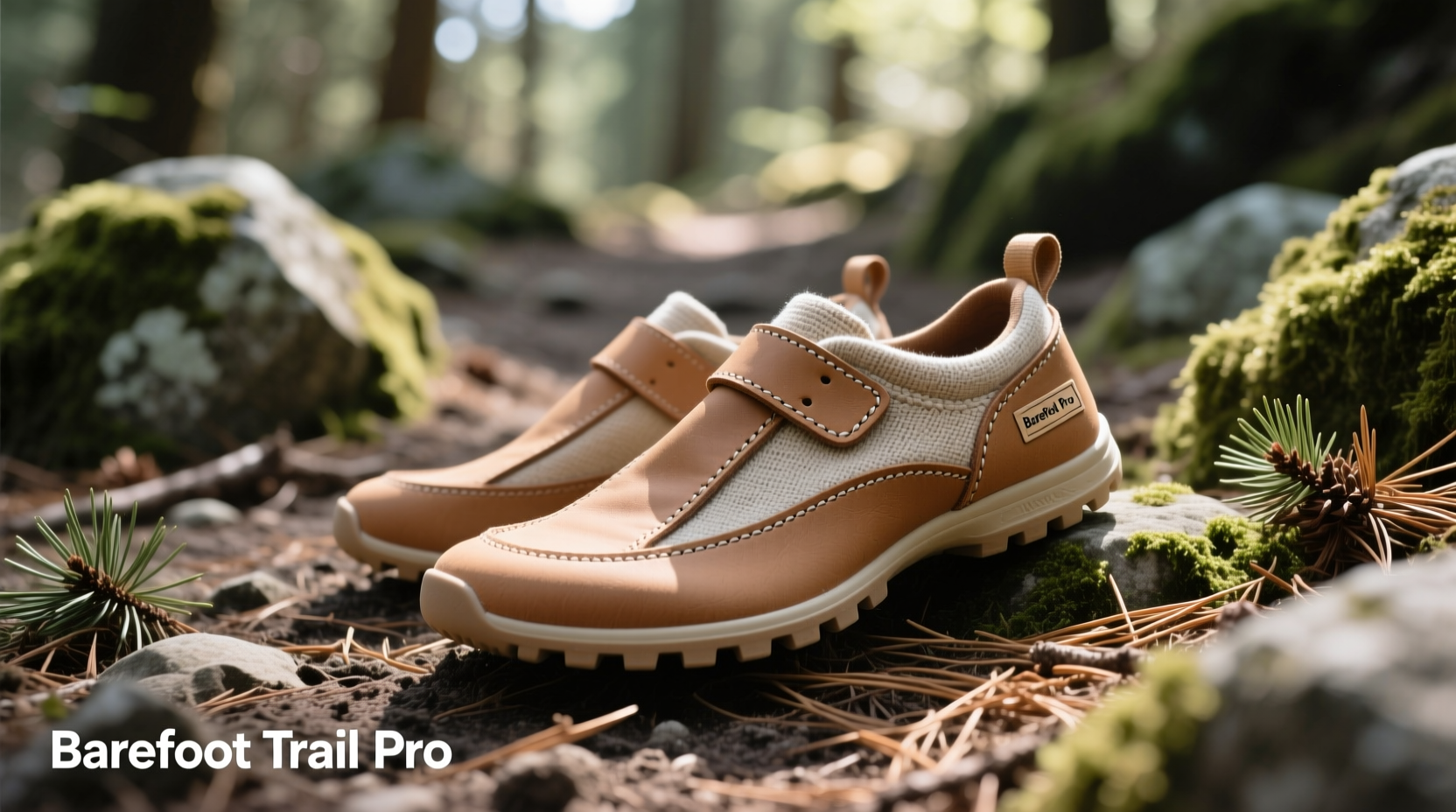
Proponents of minimalist shoes often cite evolutionary biology and biomechanical research. The human foot evolved to handle varied terrain without artificial support. In traditional societies where people go barefoot or wear minimal footwear, studies show lower rates of common foot issues like plantar fasciitis, bunions, and flat feet.
A 2010 study published in Nature found that habitual barefoot runners tend to land on the forefoot or midfoot, reducing impact forces compared to heel striking—a common pattern in cushioned running shoes. This suggests that going minimal may encourage a more natural stride, potentially lowering injury risk over time.
“Shoes that allow the foot to function as intended can improve proprioception, strengthen intrinsic foot muscles, and promote better alignment up the kinetic chain.” — Dr. Irene Davis, Harvard Medical School, biomechanics researcher
However, this doesn’t mean everyone should immediately switch to zero-drop, thin-soled shoes. The key factor is adaptation. Most adults have spent decades in supportive footwear, leading to weakened foot muscles and shortened Achilles tendons. Transitioning too quickly can lead to strain or injury.
Benefits of Minimalist Hiking Shoes
When used appropriately, minimalist hiking shoes offer several advantages:
- Improved ground feel: Thin soles enhance sensory feedback, helping you adjust footing on rocky or uneven trails.
- Natural foot positioning: Wide toe boxes allow toes to spread, improving balance and stability.
- Lightweight design: Less material means less weight, which can reduce fatigue on long hikes.
- Stronger foot muscles: Without arch support, your feet do more work, gradually building strength.
- Better balance and agility: A low-to-the-ground stance lowers your center of gravity, aiding control on technical terrain.
Potential Drawbacks and Risks
Despite their appeal, minimalist shoes aren't suited for every hiker or environment. Key limitations include:
- Limited protection: Thin soles offer little defense against sharp rocks, roots, or extreme temperatures.
- Longer adaptation period: Sudden use can cause calf soreness, metatarsal pain, or plantar irritation.
- Not ideal for heavy loads: Backpackers carrying 30+ pounds may need more cushioning and ankle support.
- Reduced durability: Minimal materials wear faster on abrasive surfaces like scree or pavement.
- Cold weather vulnerability: Less insulation makes them unsuitable for snow or icy conditions.
In high-mileage scenarios or rugged alpine environments, the trade-off between sensitivity and protection becomes critical. One hiker attempting a thru-hike on the Appalachian Trail in Vibram FiveFingers reported frequent stone bruises and had to switch back to traditional boots after 150 miles.
Real Example: A Seasoned Hiker’s Transition
Mark T., a 42-year-old outdoor educator from Colorado, wore standard trail runners for over 15 years. After developing chronic plantar fasciitis, he began transitioning to minimalist shoes under a physical therapist’s guidance. He started with daily walks in Xero Prio shoes, then progressed to short forest hikes.
“The first few weeks were brutal—my calves were on fire,” he recalls. “But by week eight, my foot pain had decreased significantly. Now, I use minimalist shoes for day hikes under 10 miles with light packs. For multi-day trips with gear, I still rely on stiffer, more protective boots.”
His experience reflects a growing trend: hybrid usage based on terrain, distance, and load rather than an all-or-nothing approach.
Comparing Minimalist vs. Traditional Hiking Footwear
| Feature | Minimalist Barefoot Shoes | Traditional Hiking Shoes/Boots |
|---|---|---|
| Weight | Light (12–18 oz per shoe) | Moderate to heavy (24–40+ oz) |
| Sole Thickness | 3–6 mm | 10–20+ mm |
| Drop (Heel-to-Toe) | 0 mm (zero drop) | 8–12 mm |
| Toes | Wide, foot-shaped | Narrow, tapered |
| Ground Feel | High | Low to moderate |
| Foot Muscle Engagement | High | Low (due to support) |
| Best For | Day hikes, dry trails, low loads | Backpacking, rough terrain, wet conditions |
How to Safely Transition to Minimalist Hiking Shoes
If you're considering making the switch, follow this step-by-step plan to minimize injury risk:
- Assess your current foot health: Consult a podiatrist or physical therapist if you have existing conditions like flat feet or tendonitis.
- Start indoors: Walk barefoot or in minimalist shoes around your home to activate small foot muscles.
- Begin with short durations: Wear minimalist shoes for 20–30 minutes during easy walks, gradually increasing time.
- Move to paved paths: Test them on sidewalks or gravel before hitting trails.
- Introduce trail use: Choose smooth, dry dirt trails with minimal obstacles.
- Monitor for pain: Discomfort in the arches, calves, or metatarsals is normal initially, but sharp or persistent pain means slow down.
- Build mileage slowly: Allow 3–6 months to fully adapt to regular hiking use.
Frequently Asked Questions
Can minimalist shoes prevent hiking injuries?
They may reduce certain types of injuries—like those caused by excessive heel striking or weak foot muscles—but they increase the risk of others, such as puncture wounds or stress fractures, especially if transitioned to too quickly. Injury prevention depends on proper adaptation, terrain, and individual biomechanics.
Are barefoot shoes good for flat feet?
It depends. Some people with flexible flat feet benefit from strengthening their arches naturally over time. However, those with rigid or painful flat feet may require structured support. Always consult a healthcare provider before switching.
Do I need special socks with minimalist shoes?
Many users prefer toe socks (like Injinji) to prevent friction and blistering, especially in models with individual toe compartments. However, some hike sock-free in warm, dry conditions.
Final Verdict: Hype or Help?
The minimalist barefoot hiking shoe trend is not pure hype—it’s grounded in legitimate biomechanical principles and can deliver real benefits for foot strength, balance, and natural gait. However, it’s also not a one-size-fits-all solution. These shoes excel in specific contexts: short to moderate hikes on predictable terrain, lighter loads, and for individuals committed to a gradual transition.
For backpackers, off-trail explorers, or those hiking in extreme environments, traditional footwear still offers unmatched protection and support. The most effective approach may be pragmatic: keep minimalist shoes in your rotation for appropriate conditions, but don’t discard proven gear that serves a different purpose.
💬 Have you tried minimalist hiking shoes? What worked—or didn’t work—for you? Share your story in the comments and help others navigate this evolving footwear debate.








