Jade rollers have become a staple on bathroom counters and Instagram feeds alike. Marketed as ancient beauty tools with detoxifying, sculpting, and de-puffing powers, these cool stone wands promise glowing skin with minimal effort. But as their popularity soars, so do questions about their actual efficacy. Are jade rollers truly transformative skincare allies, or are they little more than stylish accessories that rely on the placebo effect?
The answer isn’t black and white. While some of their claimed benefits are backed by mild scientific plausibility, others fall into the realm of anecdote and tradition. To understand whether a jade roller is worth your hard-earned money, it’s essential to separate myth from mechanism, examine user experiences, and consider how they fit into a broader skincare routine.
The Origins and Claims Behind Jade Rollers
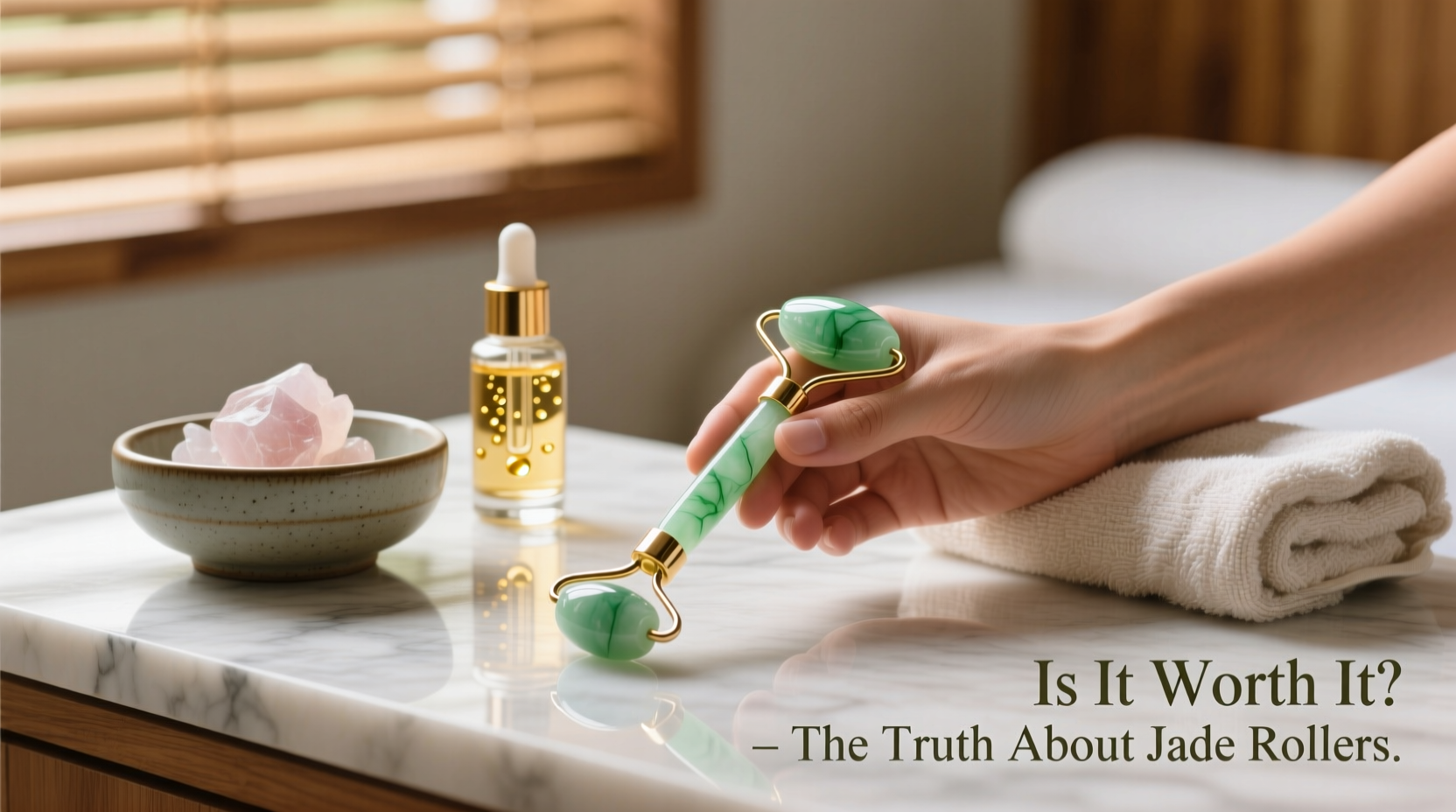
Jade rollers trace their roots to traditional Chinese medicine, where jade has long been associated with healing, balance, and longevity. Historically, jade was believed to carry protective energy and promote harmony within the body. The practice of facial rolling with stones dates back centuries, though modern versions—often made with genuine nephrite or jadeite—are primarily commercialized wellness products.
Today’s marketing messages amplify several key claims:
- Lymphatic drainage: Rolling stimulates lymph flow, reducing puffiness and promoting toxin removal.
- Improved circulation: Gentle massage increases blood flow, enhancing oxygen delivery and giving skin a healthy glow.
- Better product absorption: Using a roller after serums or oils helps push active ingredients deeper into the skin.
- Firming and lifting: Regular use tones facial muscles and reduces signs of sagging.
- Stress relief: The ritualistic motion calms the nervous system, potentially lowering cortisol levels linked to breakouts and aging.
While some of these claims sound compelling, especially when paired with glossy influencer testimonials, few are supported by rigorous clinical studies. That doesn’t mean they’re entirely baseless—but it does require scrutiny.
Tip: Store your jade roller in the refrigerator for enhanced de-puffing effects in the morning.The Science (or Lack Thereof) Behind Facial Rolling
Dermatologists remain divided on the effectiveness of jade rollers. There’s no peer-reviewed research proving that jade itself possesses unique skincare properties beyond its cooling effect. However, facial massage—a core function of rolling—has documented physiological impacts.
A 2018 study published in the Journal of Physical Therapy Science found that facial massage improved skin elasticity and reduced cheek swelling after just 15 sessions. Another small trial noted increased microcirculation following manual facial manipulation, suggesting temporary improvements in radiance and tone.
As Dr. Whitney Bowe, board-certified dermatologist and author of *The Beauty Chef*, explains:
“Facial massage can support lymphatic flow and reduce fluid buildup, especially around the eyes. It won’t replace medical treatments, but when done correctly, it may complement a good skincare regimen.” — Dr. Whitney Bowe, Dermatologist
The cooling temperature of jade—or any chilled stone—also plays a role. Cold surfaces constrict blood vessels, which can temporarily minimize redness and puffiness. This is why many people report looking “more awake” after a morning roll.
However, the idea that jade rollers “detox” the skin is misleading. The liver and kidneys handle systemic detoxification; the skin excretes waste minimally through sweat. Lymphatic drainage is real, but it doesn’t equate to “cleansing” in the way marketers suggest.
Do Jade Rollers Deliver Real Skincare Benefits?
To assess value, it’s helpful to categorize benefits into three tiers: proven, plausible, and promotional.
| Benefit Type | Examples | Evidence Level |
|---|---|---|
| Proven | Temporary reduction in puffiness, improved microcirculation | Supported by limited clinical data |
| Plausible | Better serum absorption, stress reduction via ritual | Anecdotal + indirect evidence |
| Promotional | Skin “detox,” permanent lifting, anti-aging reversal | No scientific backing |
The most consistent benefit users report is reduced facial swelling, particularly upon waking. This aligns with the physiological effect of cold therapy and light pressure on soft tissues. Similarly, using a roller after applying moisturizer or oil may help distribute product evenly and reduce wastage—though not necessarily enhance penetration beyond what fingertips achieve.
What jade rollers don’t do: reverse wrinkles, tighten loose skin permanently, unclog pores, or treat acne. These require targeted actives like retinoids, AHAs, or professional procedures.
A Real-World Example: One Month With a Jade Roller
Sophia, a 34-year-old graphic designer from Portland, decided to test a jade roller daily for 30 days. She used it each morning after cleansing and applying hyaluronic acid serum, rolling upward and outward across her cheeks, jawline, and forehead for about five minutes.
Her observations:
- “My under-eye area looked less puffy within the first week.”
- “I noticed I was applying less concealer.”
- “It didn’t change my breakouts or fine lines, but mornings felt more calming.”
- “Sometimes I forgot, but when I did it consistently, my skin looked ‘brighter’—not dramatically, but noticeably.”
Sophia concluded that while the roller wasn’t a miracle tool, it added a grounding ritual to her routine and provided subtle aesthetic perks. She now keeps it in the fridge and uses it selectively during high-stress weeks when bloating is worse.
This case reflects a common theme: jade rollers often deliver psychological and sensory value alongside minor physical improvements.
How to Use a Jade Roller Effectively (If You Choose to)
If you’re considering adding a jade roller to your routine, technique matters. Used incorrectly, it may tug at delicate skin or spread bacteria. Follow this step-by-step guide for safe, effective use:
- Cleanse your face. Start with a clean canvas to avoid pushing dirt into pores.
- Apply a serum or facial oil. Lubrication allows smooth gliding without friction.
- Chill the roller (optional). Place it in the fridge for 10–15 minutes for added depuffing power.
- Begin at the center of the face. Use the larger end for cheeks, forehead, and neck; smaller end for under-eyes and nose.
- Roll upward and outward. Move from the nose toward the ears, chin to jawline, and center forehead to hairline. Use gentle pressure—never drag.
- Spend 3–5 minutes total. Focus on areas prone to congestion or puffiness.
- Clean the roller afterward. Wipe with a soft cloth dampened with soapy water, then dry thoroughly.
Consistency enhances results. Like facial yoga or gua sha, short-term gains are modest, but regular use may contribute to improved muscle tone and circulation over time.
Tip: Replace your jade roller if it chips or becomes difficult to clean—bacteria can accumulate in cracks.Jade vs. Alternatives: Is Natural Stone Worth It?
Jade is not the only material used in facial rollers. Common alternatives include rose quartz, amethyst, and even stainless steel. Each has distinct characteristics:
| Material | Thermal Retention | Hardness | Common Claims |
|---|---|---|---|
| Jade (nephrite) | Moderate cooling | 6–6.5 Mohs | Balancing, detoxifying |
| Rose Quartz | Good cooling | 7 Mohs | Love energy, calming |
| Amethyst | Moderate | 7 Mohs | Stress relief, purification |
| Stainless Steel | Excellent (holds cold longer) | 5.5–6.5 | Hygienic, durable |
From a functional standpoint, metal rollers outperform natural stones in thermal retention and ease of cleaning. A chilled stainless steel roller can stay cold for several minutes, providing stronger vasoconstriction. They’re also non-porous, making them less likely to harbor microbes.
That said, many users prefer the aesthetic and tactile feel of natural stone. If emotional well-being is part of your skincare goal, the symbolism of jade or rose quartz may enhance mindfulness—even if the physical difference is negligible.
Checklist: Is a Jade Roller Right for You?
Before purchasing, ask yourself the following:
- ✅ Do I struggle with morning facial puffiness?
- ✅ Am I looking for a relaxing addition to my routine?
- ✅ Do I already use serums or oils that could benefit from better distribution?
- ❌ Am I expecting dramatic anti-aging results?
- ❌ Do I dislike multi-step routines or inconsistent tools?
- ✅ Am I willing to clean it regularly to prevent bacterial growth?
If most of your answers are “yes” to the positive points and “no” to the caveats, a jade roller might be a worthwhile addition. But if you’re seeking clinical-grade results, invest instead in proven ingredients like vitamin C, niacinamide, or prescription retinoids.
Frequently Asked Questions
Can jade rollers really reduce wrinkles?
No. While gentle massage may improve circulation and temporarily plump skin, jade rollers cannot eliminate or prevent wrinkles. For visible anti-aging effects, use topical retinoids, peptides, or consult a dermatologist for treatments like lasers or injectables.
How often should I use a jade roller?
Daily use is safe if done gently. Many users incorporate it into morning or evening routines. For best hygiene, clean the roller at least once a week and avoid sharing it with others.
Are fake jade rollers effective?
Many affordable rollers are made from dyed glass or synthetic materials. While they mimic the look and cooling effect of real jade, they lack mineral authenticity. Functionally, they work similarly—but may not retain cold as well or last as long.
Final Verdict: Investment or Illusion?
Jade rollers sit at the intersection of tradition, trend, and touch. They are not miracle devices, nor are they entirely without merit. Their value lies less in dramatic transformation and more in subtle enhancement and ritual.
If you define “worth it” as delivering measurable, long-term anti-aging results, then no—jade rollers don’t justify high price tags on those grounds. But if you value a moment of mindfulness, a slight reduction in puffiness, and a tactile upgrade to your skincare routine, then yes, they can be a meaningful tool.
Think of a jade roller not as a replacement for science-backed skincare, but as a complementary practice—like drinking green tea for antioxidants versus taking a prescribed supplement. One supports wellness; the other treats conditions.
For under $30, a genuine jade or rose quartz roller can be a low-risk addition to self-care. For over $100, unless you deeply resonate with its symbolic meaning or collect artisan pieces, the return diminishes quickly.
“The ritual of skincare can be as healing as the products themselves. If a jade roller helps someone slow down and connect with their body, that’s valuable—even if the stone isn’t magic.” — Dr. Naomi Shields, Integrative Dermatology Specialist
Take Action: Decide Based on Your Goals
Skincare is personal. What works for one person may feel frivolous to another. Instead of chasing trends, assess what you genuinely need: hydration, clarity, calm, or correction?
If your goal is relaxation and minor refinement, try a jade roller with realistic expectations. Pair it with clean habits, sun protection, and effective topicals. If your concerns are texture, pigmentation, or aging, prioritize evidence-based solutions first.
💬 Have you tried a jade roller? Did you notice a difference? Share your experience in the comments and help others navigate the line between wellness ritual and skincare reality.








