
In an era where skincare routines are as curated as Instagram feeds, the jade roller has become a ubiquitous symbol of self-care. With celebrities rolling it across glowing cheeks and influencers touting its depuffing powers, it's easy to wonder: Is this ancient beauty tool actually effective, or is it merely aesthetic window dressing? Dermatologists, estheticians, and cosmetic scientists weigh in on whether the jade roller delivers real skincare benefits or if its popularity is built more on social media optics than clinical results.
The answer isn't binary. While the jade roller may not reverse aging or replace medical-grade treatments, it does offer subtle, science-backed advantages—when used correctly and with realistic expectations. Let’s separate myth from mechanism and explore what this stone tool can—and cannot—do for your skin.
The Origins and Rise of the Jade Roller
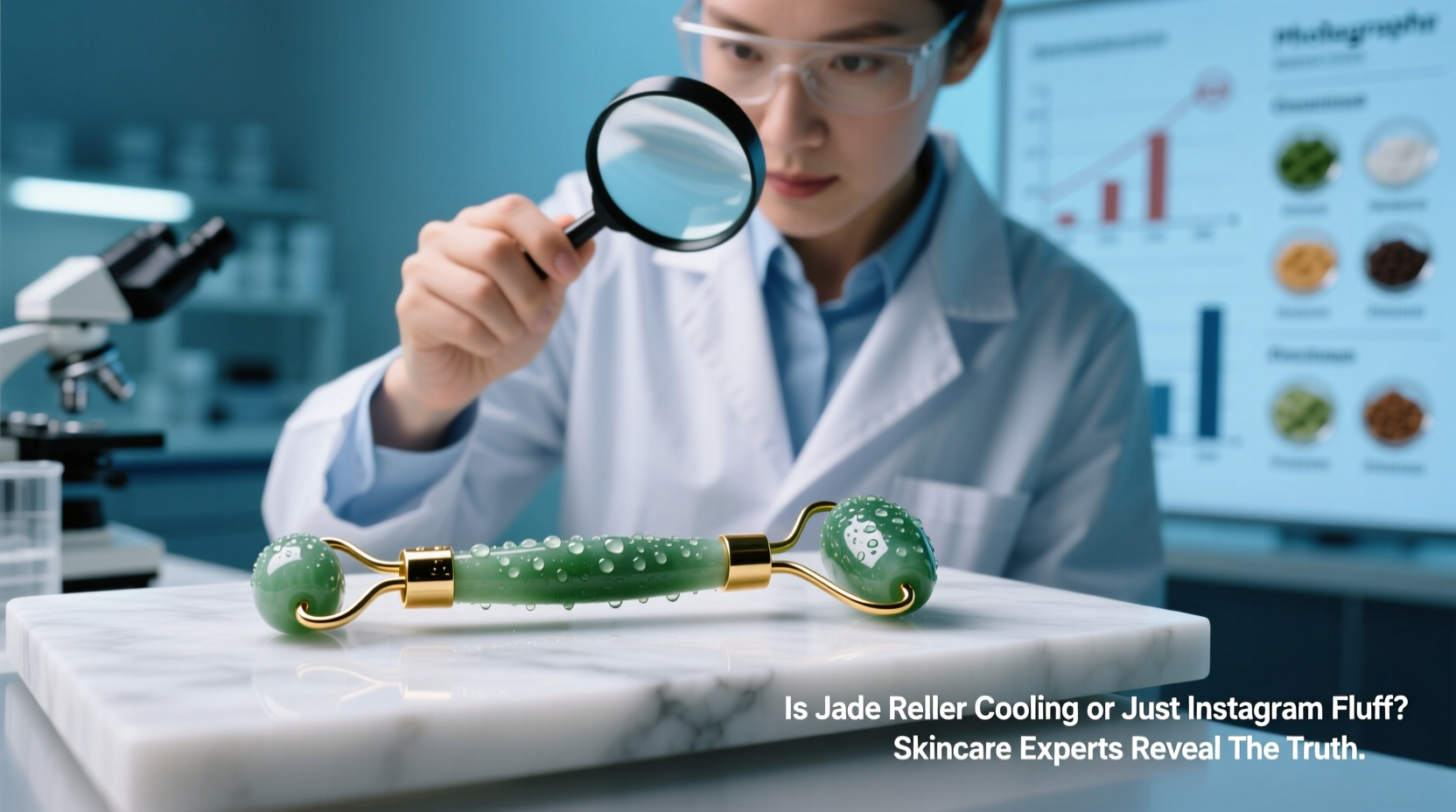
Jade rollers trace their roots to traditional Chinese medicine, where they were used for centuries to promote energy flow, reduce inflammation, and support lymphatic drainage. Typically made from natural jade or rose quartz, these handheld tools feature a small wheel at one end and a larger one at the other, designed to glide over facial contours.
The modern resurgence began in the mid-2010s, fueled by wellness culture and digital platforms that celebrate ritualistic beauty practices. The visual appeal—cool stone against smooth skin, often paired with serums and soft lighting—made it a viral sensation. But virality doesn’t equal validity. As demand surged, so did skepticism. Are we investing in a functional skincare device, or simply buying into a photogenic placebo?
How Does a Jade Roller Work?
The primary mechanisms attributed to jade rollers are:
- Cooling effect: Natural stone retains cold temperatures, especially when stored in the fridge.
- Mechanical massage: Rolling stimulates blood circulation and may assist lymphatic drainage.
- Product absorption: Used after applying serums or oils, it may help distribute product more evenly.
While none of these actions penetrate deeply like lasers or retinoids, they influence surface-level physiology in ways that can enhance appearance temporarily.
“The cooling sensation alone can constrict blood vessels, reducing redness and puffiness—especially around the eyes. It’s not magic, but it’s not meaningless either.” — Dr. Lena Patel, Board-Certified Dermatologist
What Science Says About Cooling and Circulation
Temperature plays a well-documented role in skin response. Cold therapy—such as ice packs or chilled tools—causes vasoconstriction, which narrows blood vessels and reduces swelling. This is why dermatologists often recommend cold compresses for post-procedure care or inflammatory conditions like rosacea.
A 2020 review published in *Clinical, Cosmetic and Investigational Dermatology* noted that mild mechanical stimulation combined with cold application can improve microcirculation and transiently reduce periorbital edema (under-eye puffiness). While the study didn’t focus on jade rollers specifically, the principles apply.
Lymphatic drainage is another frequently cited benefit. The face contains a network of lymphatic vessels that remove waste and excess fluid. When sluggish—due to poor sleep, diet, or stress—fluid can accumulate, leading to a puffy appearance. Gentle upward rolling motions mimic manual lymphatic drainage techniques used by professionals.
Tip: For enhanced cooling, store your jade roller in the refrigerator (not freezer) for 15–20 minutes before use. Avoid extreme temperatures that could crack the stone.Limitations of At-Home Tools
It’s important to distinguish between professional lymphatic massage and at-home rolling. Estheticians use precise pressure and directional strokes tailored to facial anatomy. In contrast, improper technique—such as pulling too hard or rolling downward—can stretch delicate skin or worsen sagging over time.
Additionally, while jade is naturally cool, its thermal conductivity is lower than metal tools like gua sha wands or cryo globes. That means it warms up quickly upon contact with skin, limiting sustained cooling effects.
Debunking Common Myths
Despite genuine benefits, the internet is rife with exaggerated claims. Here’s what the jade roller cannot do:
| Claim | Reality Check |
|---|---|
| “Reduces wrinkles” | No evidence it affects collagen or elastin long-term. Temporary plumping from increased blood flow may give illusion of smoother skin. |
| “Detoxifies skin” | Skin doesn’t “detox” via rolling. Lymphatic system supports immune function, but rolling won’t purge toxins. |
| “Cures acne” | May spread bacteria if not cleaned properly. Not a treatment for active breakouts. |
| “Sculpts jawline” | No impact on bone structure or fat distribution. Any contouring effect is temporary fluid shift. |
The danger lies in misaligned expectations. Believing a $30 tool can replace prescription retinoids or neuromodulators sets users up for disappointment—or worse, neglect of proven regimens.
Realistic Benefits Recap
- Temporary reduction in morning puffiness
- Calming effect on irritated or flushed skin
- Enhanced sensory experience during skincare routine
- Potential improvement in serum penetration through gentle massage
How to Use a Jade Roller Effectively: A Step-by-Step Guide
To maximize benefits and avoid harm, follow this dermatologist-approved method:
- Cleanse and prep: Start with a clean face. Apply a facial oil, serum, or moisturizer to reduce friction.
- Chill the roller: Place it in the fridge for 15–20 minutes prior to use for added cooling.
- Begin under the eyes: Using the small end, gently roll outward from the inner corner to temple. Repeat 3–5 times.
- Move to cheeks: Starting at the nose, roll outward and upward toward the hairline. Follow natural muscle lines.
- Jawline and neck: Use the large end to roll downward from below the ears to the collarbones—this directs fluid toward lymph nodes.
- Forehead: Roll horizontally from the center outward, then vertically from brows to hairline.
- Finish and sanitize: Wipe the roller with a soft cloth dampened with alcohol or gentle soap. Air dry completely before storing.
Duration should be 3–5 minutes max. Overuse can lead to irritation or tugging on sensitive areas like the eye contour.
Tip: Always roll upward and outward—never drag skin downward. Gravity works against you; don’t make it worse.Expert Insights: What Professionals Really Think
We spoke with three skincare specialists to get candid opinions on the jade roller phenomenon.
“I recommend jade rollers to patients who want a mindful moment in their routine. If it encourages them to slow down and care for their skin, that’s valuable—even if the physiological impact is modest.” — Dr. Alicia Nguyen, Cosmetic Dermatologist
“The placebo effect is powerful. If someone feels refreshed and looks slightly less puffy after rolling, that’s a win. But I wouldn’t prescribe it as a medical intervention.” — Dr. Marcus Reed, Clinical Researcher in Aesthetic Medicine
“Hygiene is the biggest oversight. People leave rollers on damp bathroom counters, breeding bacteria. Clean it after every use, just like your makeup brushes.” — Simone Torres, Master Esthetician
Collectively, experts agree: the jade roller is best viewed as a complementary tool, not a cornerstone of skincare.
Case Study: Morning Routine Transformation
Take Sarah, a 34-year-old marketing executive with chronic under-eye puffiness due to late nights and high screen time. She’d tried creams, patches, and even a vibrating eye mask—with minimal success.
After reading about facial massage, she incorporated a refrigerated jade roller into her morning routine. Within a week, she noticed her eyes looked less swollen, and her serum seemed to absorb better. Her dermatologist confirmed no structural changes but acknowledged improved microcirculation and hydration retention.
“It’s not a miracle,” Sarah said. “But taking five minutes to roll my face feels like a reset button for the day. I’m more consistent with my full routine now because this part feels rewarding.”
This illustrates a key insight: psychological engagement enhances adherence to broader skincare habits.
Checklist: Maximizing Your Jade Roller Experience
Use this checklist to ensure safe, effective use:
- ✅ Store in a cool, dry place (refrigerator preferred)
- ✅ Clean before and after each use with mild soap or rubbing alcohol
- ✅ Use with a slip-friendly product (oil, gel, or serum)
- ✅ Apply light pressure—let the weight of the tool do the work
- ✅ Roll in upward and outward motions only
- ✅ Limit sessions to 3–5 minutes daily
- ✅ Replace if cracked or difficult to clean
- ❌ Don’t use on broken, infected, or severely inflamed skin
- ❌ Avoid sharing with others to prevent cross-contamination
Frequently Asked Questions
Can I use a jade roller every day?
Yes, daily use is safe for most skin types when done gently. Many people incorporate it into morning or evening routines. However, those with rosacea or sensitive skin should monitor for irritation and adjust frequency accordingly.
Does jade vs. rose quartz make a difference?
Not significantly. Jade is slightly cooler and denser, while rose quartz is believed by some to have calming energetic properties (though unproven scientifically). Both offer similar tactile experiences. Choose based on preference, durability, and budget.
Can rolling cause breakouts?
Only if the tool is dirty. Bacteria, oil, and leftover product can accumulate on the surface and transfer back to the skin. Clean your roller regularly with a soft cloth and disinfectant wipe or mild cleanser. Never leave it wet or in humid environments.
Conclusion: Beyond the Hype, Finding Real Value
The jade roller sits at the intersection of tradition, aesthetics, and emerging self-care rituals. It is neither a medical marvel nor a meaningless trinket. Its value lies not in dramatic transformation but in subtle, sensory-supported enhancements to daily skincare.
When used mindfully, it can reduce puffiness, improve circulation, and elevate the ritual of self-care. But it should complement—not replace—sunscreen, antioxidants, retinoids, and professional treatments backed by robust evidence.
If you're drawn to the jade roller, approach it with curiosity, not expectation. Let it be a tool for presence, not perfection. And above all, prioritize hygiene, technique, and consistency over trends.
💬 Have you tried a jade roller? Did it change your routine or just collect dust? Share your honest experience in the comments—your insights could help others decide whether to embrace or skip this viral tool.








