
In dense urban environments where traffic congestion, limited parking, and unpredictable public transit schedules are daily challenges, many commuters are turning to bicycles as a smarter alternative. Among the growing options, foldable bikes have gained significant attention—not just for their novelty, but for their promise of convenience in tight spaces and multimodal travel. But beyond the compact design, are they truly practical for everyday city commuting?
The answer isn't a simple yes or no. Foldable bikes offer unique advantages tailored to urban living, but they also come with trade-offs that can affect comfort, performance, and long-term usability. To determine whether a folding bike fits your routine, it's essential to examine how they perform across key commuting factors: portability, ride quality, storage, security, and integration with public transport.
Portability and Space Efficiency
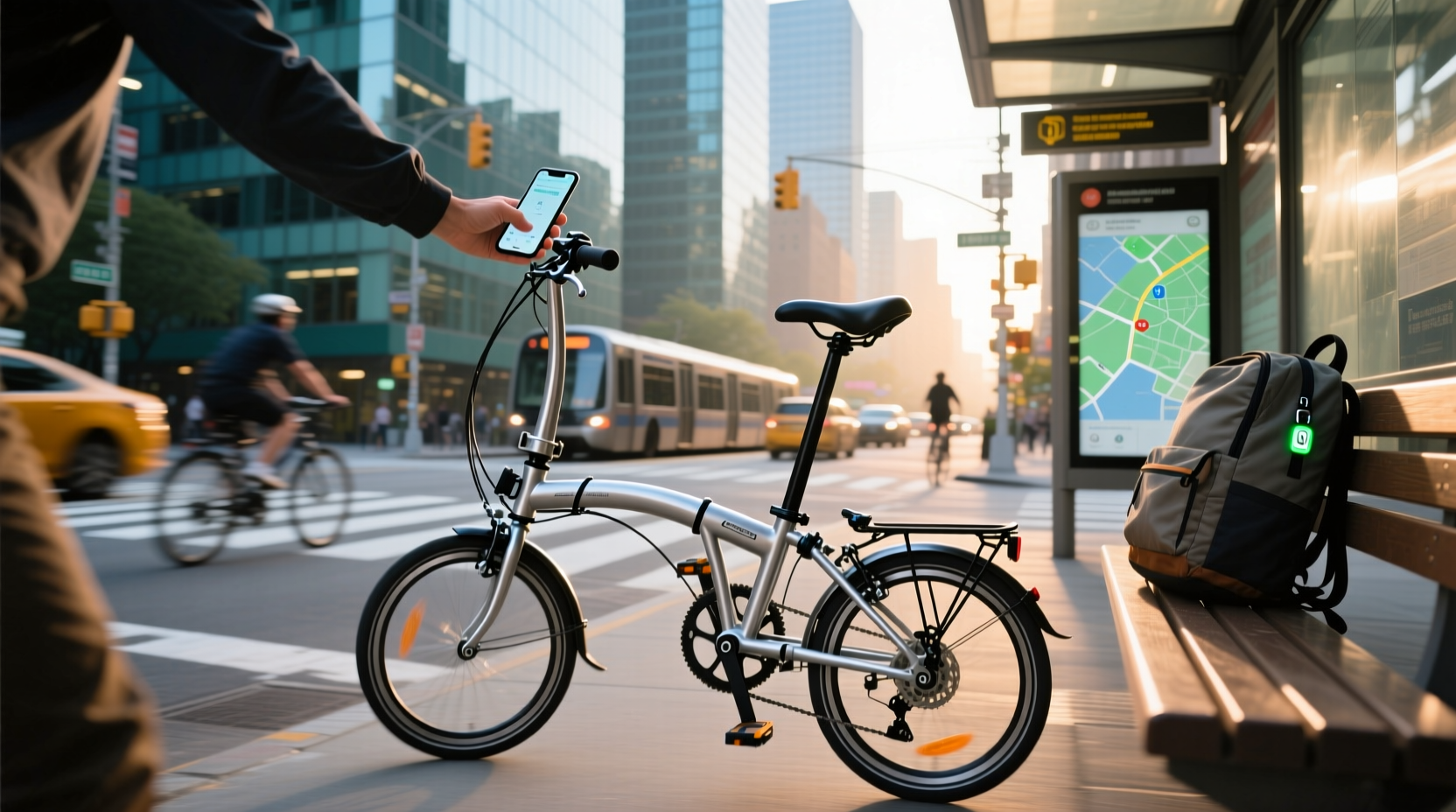
One of the most compelling reasons people consider foldable bikes is their ability to collapse into a smaller footprint. In cities where living spaces are often compact—studio apartments, high-rise condos, or shared housing—owning a full-sized bike can be impractical. A folding bike solves this by enabling users to store the bike indoors, under a desk, or even in a closet.
Folding mechanisms vary between models, but most reduce the bike’s size by 50–60% when collapsed. This makes them ideal for:
- Carrying onto buses, subways, or trains during peak hours
- Avoiding outdoor exposure and theft-prone street racks
- Combining cycling with walking or rideshare services
For example, someone living in a Manhattan apartment without secure bike storage can ride to work, fold the bike, and bring it into the office. This eliminates the need for a locker, reduces weather-related wear, and enhances peace of mind regarding theft.
Ride Quality and Performance
While portability is a major selling point, the ride experience is equally important for daily commuting. Folding bikes typically use smaller wheels (16” or 20”) compared to standard 26” or 700c wheels. Smaller wheels improve maneuverability but can result in a bumpier ride on uneven pavement, potholes, or cobblestone streets common in older city districts.
However, advancements in frame geometry, suspension systems, and tire technology have narrowed the performance gap. High-end folding bikes like the Brompton or Tern Verge now feature puncture-resistant tires, ergonomic handlebars, and responsive gearing systems that make them competitive with traditional commuter bikes over short to medium distances (3–10 miles).
Still, riders should expect some compromises:
- Less stability at higher speeds – Smaller wheelbases reduce aerodynamic efficiency and top speed.
- Increased rolling resistance – Smaller wheels encounter more frequent contact points with road irregularities.
- Limited suspension options – Most models lack rear suspension due to space constraints.
“Folding bikes excel in stop-and-go urban environments where agility matters more than speed. For commutes under five miles, they’re often the optimal blend of function and flexibility.” — Dr. Lena Torres, Urban Mobility Researcher at MIT Cities Lab
Integration with Public Transit
In cities with robust public transportation networks—such as London, Tokyo, or New York—foldable bikes unlock seamless multimodal commuting. Unlike standard bicycles, which may be banned from subways during rush hours or require disassembly, folding bikes are generally permitted on trains and buses when folded.
This hybrid approach allows commuters to cycle to a station, board public transit, then unfold and continue riding to their final destination—avoiding last-mile walking or relying on unreliable connections.
| City | Transit Policy on Folded Bikes | Peak Hour Access |
|---|---|---|
| New York City (MTA) | Allowed on all subways and buses when folded | Yes |
| London (TfL) | Permitted on Underground and Overground trains | Limited during rush hour on busy lines |
| Tokyo (JR East) | Allowed if under 130cm when folded | Yes, with size compliance |
| Paris (RATP) | Accepted on Metro Line 1 and RER during off-peak | No |
The ability to combine cycling with transit not only reduces total commute time but also increases route flexibility. For instance, a worker in Brooklyn might bike 1 mile to the subway, take the train across the river, then unfold and ride another half-mile to their office in Midtown—without ever leaving the protection of their personal vehicle.
Security and Theft Prevention
Bicycle theft remains a significant concern in urban areas. According to the National Bike Registry, over 1.5 million bikes are stolen annually in the U.S. alone, with recovery rates below 10%. Foldable bikes offer a strategic advantage: their portability enables users to avoid leaving them unattended in high-risk zones.
Bringing the bike indoors—into homes, offices, or even cafes—drastically reduces exposure. Even when locked outside, their unusual appearance and compact form can deter opportunistic thieves who target standard bikes for resale or scrap value.
That said, folding bikes are not immune to theft. Their lightweight frames make them easy to carry away, and popular models like the Brompton command premium prices on the secondhand market, making them attractive targets.
Tip: Always use a high-quality U-lock or folding lock, and register your bike with local authorities or tracking services like Bike Index.Mini Case Study: Maria’s Commute in San Francisco
Maria, a UX designer working in downtown San Francisco, used to spend 45 minutes each way navigating Muni delays and crowded stops. After purchasing a Tern Link C8, she redesigned her commute: biking 1.2 miles from her Mission District apartment to the Montgomery Street BART station, folding the bike, riding underground to Powell Station, then unfolding and riding the final 0.8 miles uphill to her office.
Her total commute dropped to 32 minutes, and she avoided both bus delays and steep hills by using an e-assist version of the folding bike. “I used to dread my commute,” she says. “Now I arrive energized, and I never worry about my bike getting stolen because I bring it into the building every day.”
Choosing the Right Model: A Buyer’s Checklist
Not all folding bikes are created equal. To ensure practicality for city commuting, evaluate potential models against these criteria:
- Fold Time & Simplicity: Can you fold it in under 30 seconds without tools?
- Weight: Is it under 30 lbs (14 kg) for easy carrying up stairs or onto transit?
- Wheel Size: 16”–20” wheels balance portability and ride quality.
- Gearing System: At least 3–8 speeds to handle inclines and variable terrain.
- Durability: Aluminum or chromoly steel frames resist corrosion and stress.
- Integrated Features: Fenders, lights, and rack compatibility enhance all-weather usability.
- Test Ride Availability: Always test ride before purchase—handling differs significantly from standard bikes.
Mid-range models ($800–$1,500) often provide the best value, combining reliability with thoughtful design. Premium options like the Brompton Electric or Gocycle GX offer advanced features such as integrated motors, app connectivity, and ultra-light carbon components—but at a cost exceeding $3,000.
Common Misconceptions About Folding Bikes
Despite growing popularity, several myths persist about folding bikes that can mislead potential buyers:
- Myth: They’re only for short trips. Reality: With proper gear ratios and comfortable seating, many riders use them for 10+ mile daily commutes.
- Myth: They’re fragile due to hinges. Reality: Modern engineering uses reinforced joints tested to withstand years of folding and riding.
- Myth: You sacrifice too much performance. Reality: For urban speeds averaging 8–12 mph, the difference in efficiency is negligible.
- Myth: All folding bikes are expensive. Reality: Reliable entry-level models start around $500, with solid build quality.
FAQ
Can folding bikes handle hills?
Yes, especially models with multiple gears or electric assist. While smaller wheels require slightly more effort on sustained climbs, proper gearing compensates effectively. E-folding bikes, in particular, excel in hilly cities like Seattle or San Francisco.
Are folding bikes slower than regular bikes?
On flat terrain, they may be 10–15% less efficient due to smaller wheels and upright riding posture. However, in city environments with frequent stops, traffic, and obstacles, the difference in door-to-door time is often minimal—and sometimes faster due to easier navigation and parking.
Do folding bikes require more maintenance?
They require similar maintenance to standard bikes—chain lubrication, brake checks, tire pressure—but with added attention to hinge mechanisms and folding latches. Wipe down pivot points monthly and inspect locking levers regularly to ensure safe operation.
Step-by-Step Guide: Optimizing Your Folding Bike Commute
To maximize the practicality of a folding bike for daily city travel, follow this sequence:
- Map Your Route: Use apps like Komoot or Google Maps to identify bike lanes, low-traffic streets, and folding-friendly transit stations.
- Test the Fold/Unfold Process: Practice folding and unfolding in your home or garage until it becomes second nature.
- Plan Storage Points: Confirm with your workplace if you can store the folded bike indoors—under a desk or in a closet.
- Invest in Accessories: Add fenders for rain, a seat pack for essentials, and front/rear lights for visibility.
- Simulate a Full Commute: Do a trial run on a weekend, including transit segments, to gauge timing and comfort.
- Adjust Ergonomics: Fine-tune seat height, handlebar angle, and pedal tension for all-day comfort.
- Monitor Weather & Conditions: Keep a small towel and change of clothes at work for post-ride freshness.
Conclusion: A Practical Choice for the Right Commuter
Foldable bikes are not a one-size-fits-all solution, but for many city dwellers, they represent a highly practical and intelligent approach to urban mobility. Their ability to bridge gaps between transportation modes, eliminate parking hassles, and enhance personal security makes them uniquely suited to modern city life.
If your commute involves mixed transit, limited storage, or concerns about bike theft, a folding bike could be the missing link in creating a faster, cleaner, and more enjoyable daily journey. The initial investment pays dividends in time saved, stress reduced, and flexibility gained.
🚀 Ready to rethink your commute? Research three folding bike models today, test ride one if possible, and see how it transforms your relationship with the city. Share your experience or questions in the comments below—your insight could help others make the leap too.








