Stand-up paddle boarding (SUP) has surged in popularity thanks to its low impact, full-body workout and serene connection with nature. But many assume it’s an expensive hobby reserved for weekend warriors with deep pockets. The truth? You don’t need to spend over $1,000 to enjoy a high-quality paddling experience. Today’s market is packed with inflatable and hard-shell options that offer excellent stability, durability, and performance—all under $600. With thoughtful selection, you can own a reliable board that performs well whether you’re gliding across calm lakes or navigating gentle rivers.
What Makes a Budget Paddle Board Reliable?
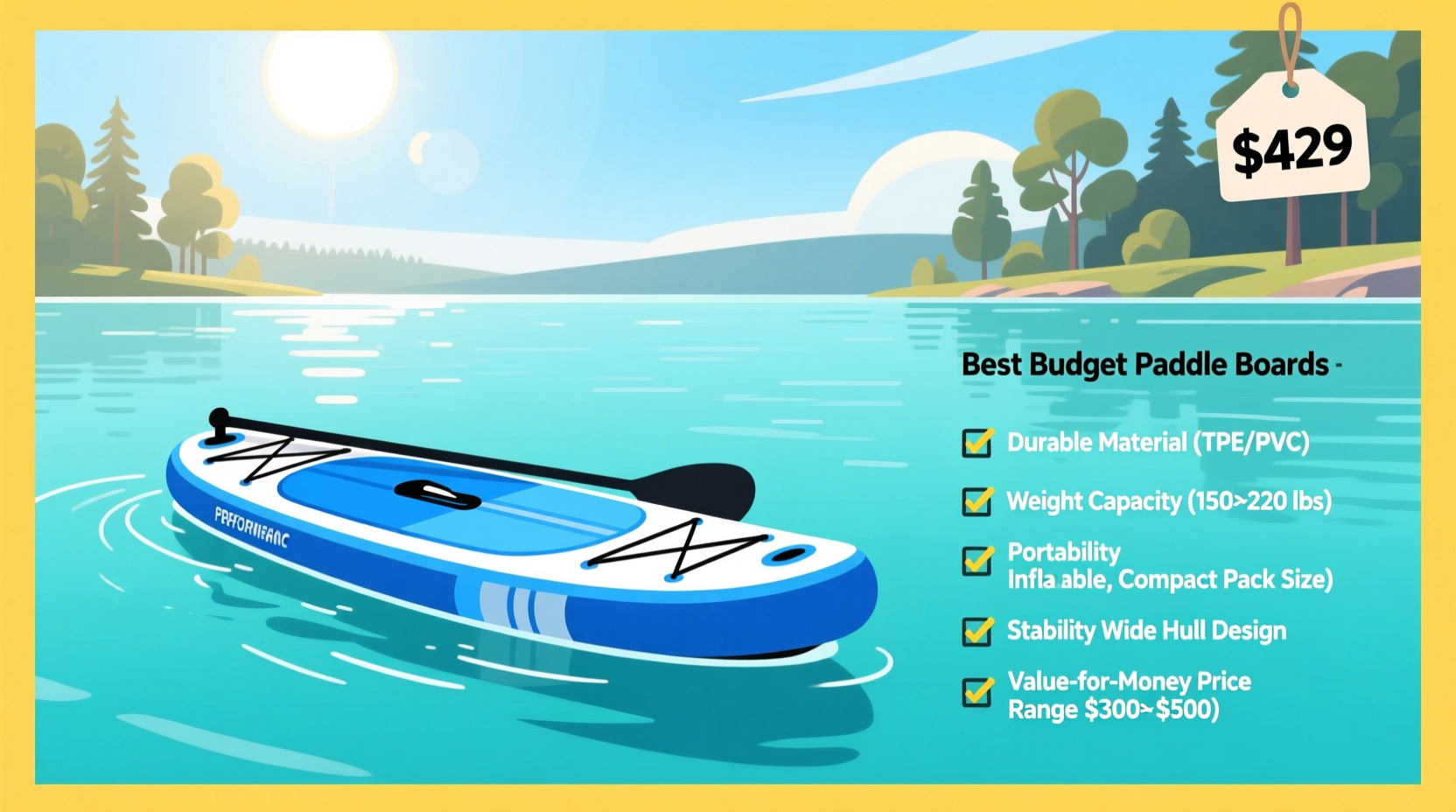
A “budget” paddle board doesn’t mean compromised quality—it means smart engineering and efficient manufacturing. Reliability comes from three core factors: construction materials, weight capacity, and brand reputation. Most affordable boards today use drop-stitch PVC technology, which involves thousands of threads holding two layers of PVC together, inflated to high pressure (12–15 PSI). This creates a rigid surface capable of supporting 250–300 lbs while remaining lightweight and portable.
Key indicators of reliability include reinforced rails (edges), multiple layer lamination, and tested valve systems. Boards that pass third-party durability tests—such as puncture resistance or UV protection—are more likely to last multiple seasons. Brands like iROCKER, Bluefin, and SereneLife have built trust by offering solid warranties (often 1–2 years) and responsive customer service.
Tip: Always check the maximum PSI rating before inflating—over-inflation can damage the seams and void the warranty.Top 5 Budget-Friendly Paddle Boards (Under $600)
After extensive research and user feedback analysis, these five models stand out for balancing price, performance, and long-term value.
| Model | Price Range | Length x Width | Weight Capacity | Notable Feature |
|---|---|---|---|---|
| iROCKER All-Around 11' | $549 | 11' x 32\" | 350 lbs | Military-grade PVC, 3-chamber design |
| Bluefin Cruise 10'8\" | $579 | 10'8\" x 32\" | 285 lbs | Integrated tech compatibility (phone case, action cam mount) |
| SereneLife SLPB10 | $399 | 10' x 30\" | 250 lbs | Comes with everything: pump, paddle, leash, carry bag |
| Retrospec Mako 10’ | $299 | 10' x 30\" | 240 lbs | Best entry-level price point |
| Intex Excursion Pro | $450 | 11'6\" x 34\" | 400 lbs | Highest weight capacity in class, includes aluminum paddle |
The iROCKER All-Around remains a favorite among instructors and casual users alike due to its wide platform and exceptional stability. Meanwhile, the Intex Excursion Pro surprises many with its rugged build and ability to handle heavier riders—a rare find at this price. For tech-savvy paddlers, Bluefin’s Cruise model integrates seamlessly with fitness trackers and GoPros, making it ideal for documenting adventures.
How to Choose the Right Board for Your Needs
Selecting a board isn’t just about price—it’s about matching features to your intended use. Consider these four usage profiles:
- Recreational Paddling: Opt for wider (31–34\"), shorter (9’–10’8”) boards with soft decks. Stability matters most.
- Fitness & Touring: Longer (10’8”–12’) and narrower boards glide faster and track better over distance.
- Yoga or Fishing: Look for extra-wide platforms (34\"+), non-slip deck pads, and D-rings for accessories.
- Kids or Petite Riders: Smaller boards (under 10’) reduce weight and improve control.
“Beginners often prioritize looks over function. A stable, all-around shape will build confidence far quicker than a sleek racing board.” — Mark Tran, Outdoor Recreation Instructor at Lake Tahoe SUP Academy
Essential Features Checklist
Checklist: Before purchasing, confirm your board includes:
- Double-layer or military-grade PVC
- High-pressure hand pump (with pressure gauge)
- Adjustable carbon-blend or aluminum paddle
- Coiled ankle leash
- Durable backpack with shoulder straps
- Repair kit and owner’s manual
- Non-slip EVA foam deck pad
Real-World Example: Sarah’s First Summer on the Water
Sarah, a teacher from Asheville, North Carolina, wanted a way to unwind after school without breaking the bank. She purchased the SereneLife SLPB10 for $399 during a Memorial Day sale. With no prior experience, she appreciated the included instructional video and straightforward inflation process (about 8 minutes with the dual-action pump).
Over the summer, she used the board weekly on a nearby reservoir. Despite dragging it over gravel once and leaving it inflated in direct sun twice, the board showed no signs of wear. She upgraded later with a kayak seat attachment using the built-in D-rings—turning her SUP into a hybrid explorer craft. “It’s held up better than my last mountain bike,” she said. “And I’m saving money on gym fees.”
Her story reflects a growing trend: budget boards aren’t temporary trial runs—they can be long-term companions when chosen wisely.
Step-by-Step Guide to Getting Started
Buying your first paddle board should feel exciting, not overwhelming. Follow this sequence to ensure a smooth start:
- Assess Your Storage Space: Can you keep it deflated in a closet, or do you need a compact roll-up size?
- Determine Primary Use: Will you paddle solo, bring a pet, or try yoga? This affects width and stability needs.
- Set a Realistic Budget: Include extras like a waterproof phone case ($20), anchor ($15), or extended warranty.
- Research Brands with Support: Check return policies, YouTube tutorials, and customer service responsiveness.
- Purchase and Unbox: Inspect all components immediately. Inflate slowly to 12 PSI and check for leaks.
- First Launch: Choose calm water, wear a life jacket, and practice mounting on your knees before standing.
- Post-Ride Care: Rinse with fresh water, dry completely before rolling, and store away from extreme temperatures.
Frequently Asked Questions
Can I leave my inflatable paddle board inflated?
You can, but it’s not recommended for long periods. Prolonged inflation in hot weather increases internal pressure, which may stress seams. Deflate slightly if storing for weeks, or better yet, roll and store in a cool place.
Are cheaper boards harder to inflate?
Some budget models come with basic pumps that require more effort. However, brands like Bluefin and iROCKER include dual-action pumps that cut inflation time in half. Expect 6–10 minutes to reach 15 PSI with a quality pump.
Do I need a permit to paddle on public lakes?
Regulations vary by state and waterway. Some require registration or trail permits, especially for motorized or commercial use. Non-motorized boards like SUPs are often exempt, but always verify local rules before launching.
Final Thoughts and Next Steps
Finding an affordable and reliable paddle board is entirely possible—if you know what to look for. The key is prioritizing build quality over flashy colors or unnecessary add-ons. Models under $600 now rival premium boards from a decade ago, thanks to advancements in materials and global manufacturing. Whether you're exploring quiet coves, training for endurance, or simply seeking mindfulness on the water, the right budget board can open a world of accessible adventure.
💬 Ready to hit the water? Revisit the checklist, compare top models, and take your first step toward a healthier, more connected lifestyle. Share your setup or ask questions in the comments—we’re all paddling forward together.








