Deciding whether to neuter your dog is one of the most significant choices a pet owner will face. It’s not just a surgical procedure—it’s a lifelong decision that affects your dog’s health, behavior, and overall well-being. While neutering has long been promoted as a standard practice, modern veterinary science encourages owners to weigh both the advantages and potential drawbacks carefully. With rising awareness about canine physiology and long-term outcomes, it’s more important than ever to approach this decision with knowledge, not assumptions.
Understanding Neutering: What It Means
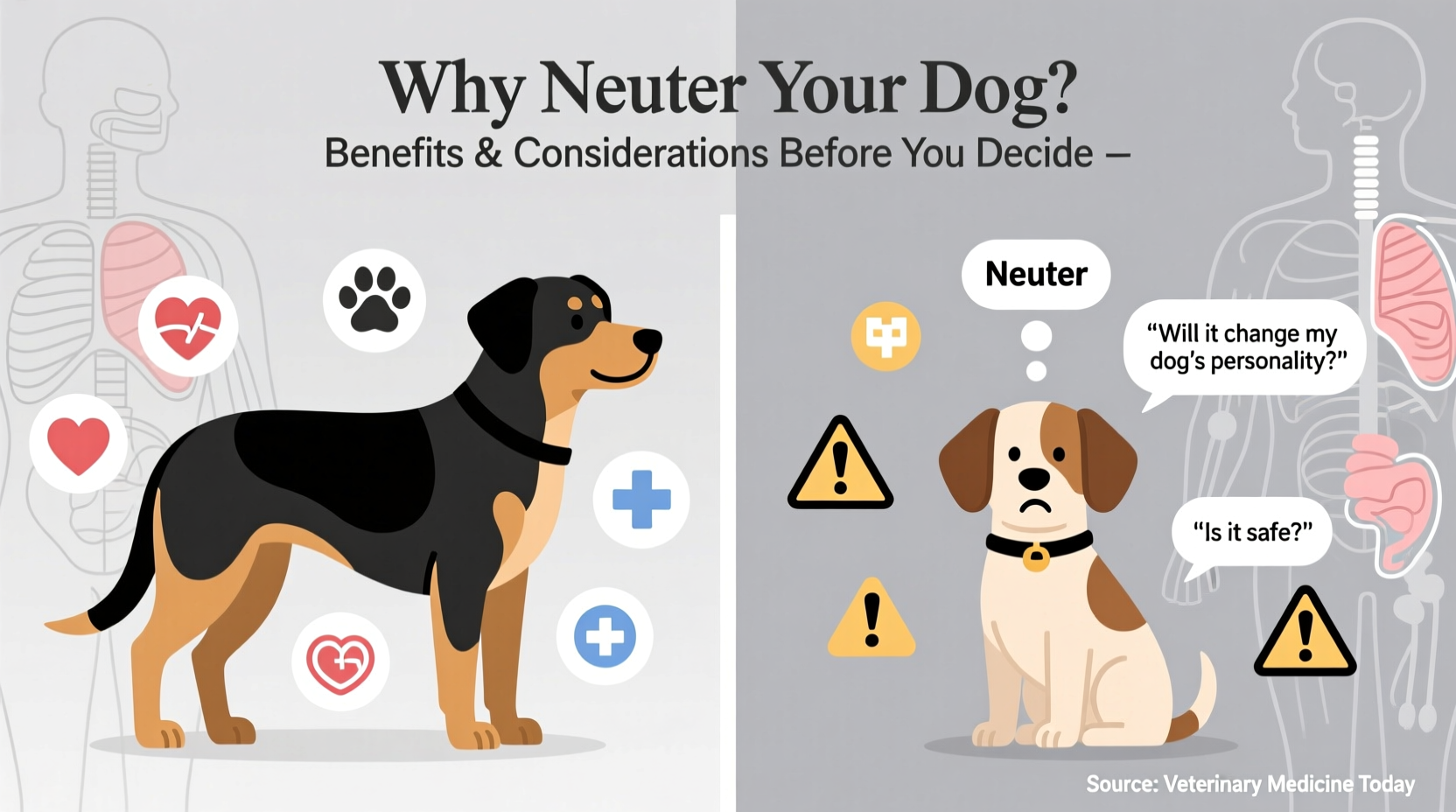
Neutering, also known as castration in males, involves the surgical removal of a dog’s testicles. This eliminates the primary source of testosterone, which influences reproductive behavior, aggression, and certain physical traits. The procedure is typically performed under general anesthesia and is considered routine by veterinarians, but like any surgery, it carries inherent risks and long-term implications.
While often discussed alongside spaying (which applies to females), neutering specifically refers to male dogs. The timing of the procedure—commonly between six months and two years of age—can significantly influence its effects on growth, joint development, and behavioral patterns.
Key Benefits of Neutering Your Dog
There are well-documented advantages to neutering, particularly when considering population control and specific behavioral issues.
- Reduced risk of testicular cancer: Since the testicles are removed, the possibility of testicular tumors—common in intact older males—is eliminated.
- Lower incidence of prostate problems: Neutered dogs are less likely to develop benign prostatic hyperplasia and related infections.
- Decreased roaming behavior: Intact males often wander in search of mates, increasing the risk of accidents or getting lost. Neutering reduces this urge by up to 90% in many cases.
- Improved manageability: Many owners report reduced mounting, urine marking, and inter-dog aggression after neutering, especially if done before sexual maturity.
- Contribution to animal welfare: With millions of dogs entering shelters annually, preventing unintended litters helps reduce euthanasia rates and overcrowding.
Potential Risks and Long-Term Considerations
Despite its widespread use, neutering is not without controversy. Recent studies suggest that removing sex hormones too early can influence long-term health in ways previously underestimated.
Larger breed dogs, such as Golden Retrievers, Labradors, and German Shepherds, show increased risks of cruciate ligament tears and hip dysplasia when neutered before 12 months. Hormones like testosterone play a role in closing growth plates; premature removal can lead to abnormal bone length and joint misalignment.
Additionally, research published in the journal *PLOS ONE* found that neutered dogs have a higher incidence of certain cancers, including hemangiosarcoma and lymphosarcoma, particularly in specific breeds. Obesity is another concern, as metabolic rate often slows post-neutering, requiring careful diet management.
“Timing matters as much as the decision itself. For large-breed dogs, waiting until skeletal maturity can significantly reduce orthopedic complications.” — Dr. Karen Benjamin, DVM, Canine Health Research Network
When Timing Matters: A Breed-by-Breed Perspective
Not all dogs should be neutered at the same age. Smaller breeds mature faster and may safely undergo the procedure around six months. Larger and giant breeds, however, continue developing into their second year. Veterinarians increasingly recommend delaying neutering in these dogs to allow full musculoskeletal growth.
| Breed Size | Recommended Neutering Age | Rationale |
|---|---|---|
| Small (e.g., Beagle, Cocker Spaniel) | 6–9 months | Early maturity; lower joint risk |
| Medium (e.g., Bulldog, Border Collie) | 9–12 months | Balances behavior and development |
| Large/Giant (e.g., Rottweiler, Great Dane) | 12–24 months | Supports proper joint and bone formation |
Alternatives to Traditional Neutering
For owners concerned about hormonal impacts, non-surgical options are emerging. These include:
- Zoetis Suprelorin implant: A reversible hormone suppressant that temporarily halts testosterone production for 6–12 months.
- Vasectomy: A sterilizing procedure that preserves hormones while preventing reproduction—rare but growing in interest among breeders and behavior-focused owners.
A Real-Life Example: Max, the Roaming Labrador
Max, a two-year-old Yellow Labrador, had a habit of escaping his yard whenever a female dog was in heat nearby. His owners, frustrated by repeated searches and near-miss traffic incidents, consulted their veterinarian. After evaluating Max’s weight, activity level, and behavior, the vet recommended neutering. Within six weeks of the procedure, Max’s roaming decreased dramatically. He remained energetic and affectionate, but no longer responded obsessively to nearby dogs. His owners combined the surgery with a structured walking schedule and portion-controlled meals to prevent weight gain—a critical step in maintaining his health.
This case illustrates how neutering can solve specific behavioral challenges when timed appropriately and supported by lifestyle adjustments.
Step-by-Step Guide to Making Your Decision
- Consult your veterinarian: Discuss your dog’s breed, health history, and lifestyle. Ask about breed-specific research.
- Evaluate your environment: Do you live near other dogs? Is secure fencing available? Are you prepared to manage mating behaviors?
- Assess behavioral concerns: Is your dog showing signs of aggression, excessive marking, or persistent roaming?
- Consider alternatives: Explore temporary or hormone-sparing options if you're unsure about permanent surgery.
- Decide on timing: Choose an age that aligns with your dog’s growth stage and risk profile.
- Plan post-op care: Prepare a quiet recovery space, adjust feeding portions, and schedule follow-up checks.
Frequently Asked Questions
Will neutering change my dog’s personality?
Neutering may reduce hormonally driven behaviors like aggression, roaming, and mounting, but it won’t alter your dog’s core personality. Trainability, loyalty, and affection typically remain unchanged. In fact, many dogs become easier to train post-neutering due to reduced distraction from mating urges.
Is neutering painful or dangerous?
The procedure is performed under anesthesia, so your dog feels no pain during surgery. Post-operative discomfort is usually mild and managed with prescribed medication. Complications are rare but can include infection or adverse reactions to anesthesia. Choosing an experienced veterinarian minimizes these risks.
Can I neuter an older dog?
Yes, dogs can be neutered at any age, provided they are healthy enough for anesthesia. Older dogs may take slightly longer to recover, but the benefits—especially in reducing prostate issues—can still be significant. Always conduct a pre-anesthetic blood panel for senior dogs.
Conclusion: Make an Informed Choice
Neutering your dog isn’t a one-size-fits-all solution. It offers real benefits in terms of health, behavior, and population control, but it also requires thoughtful consideration of breed, age, and individual needs. The goal is not simply to follow tradition, but to promote a longer, healthier life for your pet.
Take the time to consult with trusted veterinary professionals, review current research, and reflect on your dog’s unique situation. Whether you choose to neuter early, delay the procedure, or explore alternatives, your informed decision will set the foundation for years of companionship and well-being.
💬 Have questions about your dog’s specific case? Share your story in the comments—we’d love to help you navigate this important decision with confidence.








