A turtle refusing to eat is a common concern among pet owners, often signaling underlying issues related to environment, health, or seasonal behavior. Unlike mammals, turtles do not show distress through vocalization, so changes in appetite are one of the earliest indicators that something is off. While occasional disinterest in food can be normal, prolonged refusal to eat warrants attention. Understanding the interplay between diet, habitat conditions, and natural behaviors is essential for restoring your turtle’s appetite and ensuring long-term well-being.
Common Causes of Loss of Appetite in Turtles
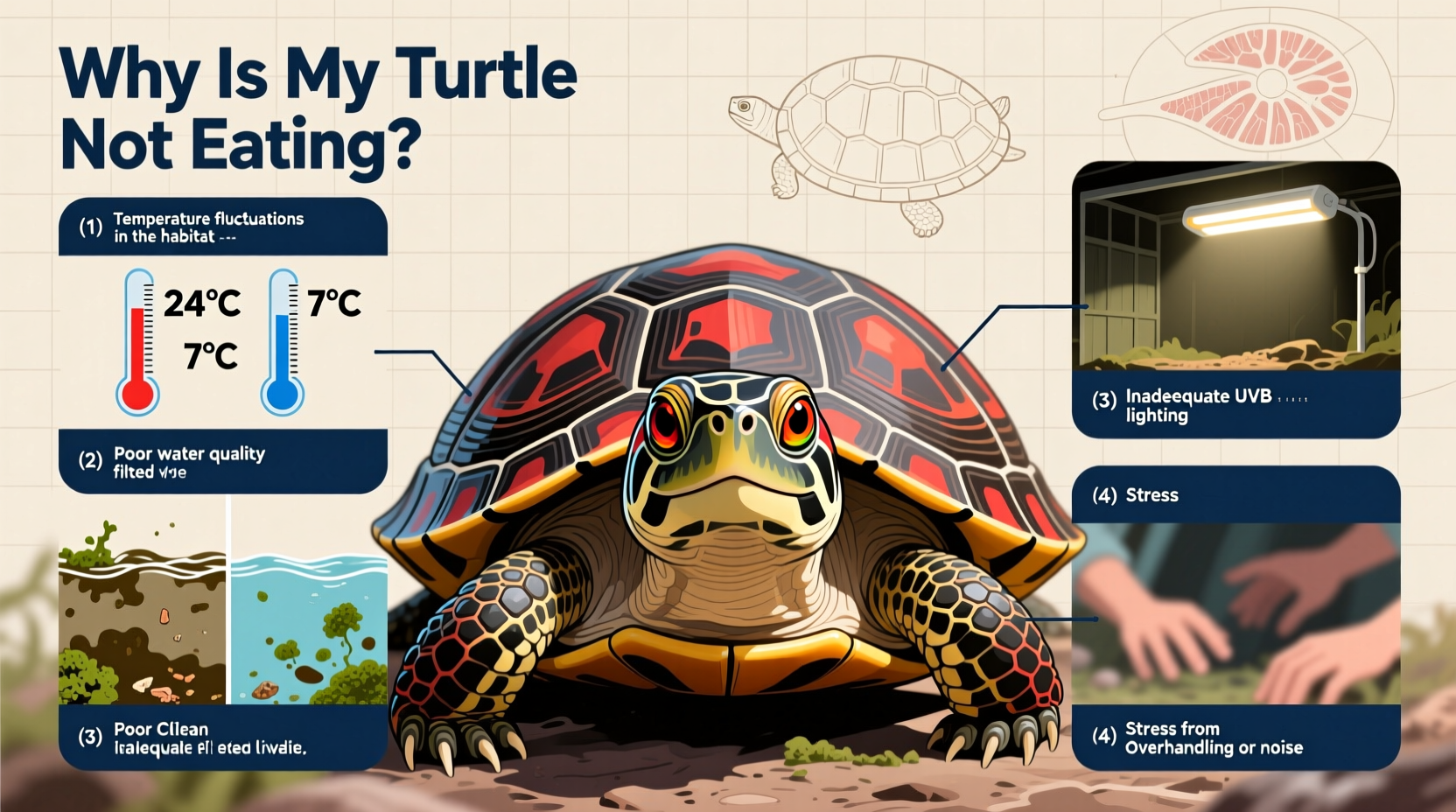
Turtles are sensitive creatures whose feeding habits reflect their overall condition. A lack of appetite rarely stems from a single cause; instead, it's usually the result of multiple factors converging. The most frequent contributors include improper habitat setup, illness, stress, seasonal changes, and dietary monotony.
Habitat-related issues top the list. Turtles rely heavily on environmental cues—such as water temperature, basking area warmth, UVB lighting, and water quality—to regulate metabolism and digestion. If any of these elements fall outside optimal ranges, your turtle may become lethargic and lose interest in food.
Illness is another major factor. Respiratory infections, vitamin deficiencies (especially Vitamin A), parasites, and mouth rot can all make eating painful or difficult. These conditions often present with secondary symptoms such as swollen eyes, nasal discharge, buoyancy problems, or abnormal swimming patterns.
Stress from handling, loud environments, or incompatible tank mates can also suppress appetite. Juvenile turtles may stop eating when introduced to a new home, taking days or even weeks to acclimate. Additionally, many species naturally reduce or cease feeding during cooler months, mimicking brumation—a reptilian version of hibernation—even in captivity if temperatures drop.
Tip: Monitor your turtle’s behavior daily. Sudden changes in activity or appetite are early warning signs worth investigating immediately.Habitat Requirements and Their Impact on Feeding
The environment you provide directly influences your turtle’s health and appetite. Aquatic turtles, like red-eared sliders or painted turtles, require carefully balanced aquatic and basking zones. Terrestrial species, such as box turtles, need humid enclosures with access to shallow water and dry land. Deviations from ideal conditions disrupt metabolic function and discourage feeding.
Water temperature is critical. Most aquatic turtles thrive in water between 75°F and 80°F (24°C–27°C). Below this range, their metabolism slows significantly, reducing hunger and impairing digestion. Basking areas should reach 85°F–95°F (29°C–35°C) to enable proper thermoregulation. Without adequate heat, turtles cannot digest food efficiently, leading them to avoid eating altogether.
UVB lighting is non-negotiable. This specific light spectrum allows turtles to synthesize Vitamin D3, which is essential for calcium absorption. Without it, metabolic bone disease can develop, weakening the shell and limbs and causing pain during movement or feeding. UVB bulbs degrade over time and should be replaced every 6–12 months, even if they still emit visible light.
Water quality plays an equally vital role. Ammonia buildup from waste or uneaten food irritates skin and eyes, stresses the immune system, and discourages feeding. Regular partial water changes (25–50% weekly) and a high-quality filtration system are necessary to maintain clean, safe conditions.
“Turtles don’t just live in their environment—they are shaped by it. A poorly maintained tank doesn’t just cause illness; it suppresses natural behaviors, including feeding.” — Dr. Alan Rivera, Exotic Veterinarian & Reptile Care Specialist
Step-by-Step Guide to Diagnosing and Addressing Appetite Loss
If your turtle isn’t eating, follow this structured approach to identify and correct the issue:
- Check Environmental Parameters: Use reliable thermometers to verify water and basking temperatures. Confirm UVB bulb age and placement (within 12 inches of basking zone). Test water for ammonia, nitrite, and pH levels using an aquarium test kit.
- Assess Recent Changes: Consider recent moves, tank modifications, new pets, or changes in routine. Even cleaning products used near the enclosure can emit fumes that stress reptiles.
- Inspect for Physical Symptoms: Look for swollen eyes, labored breathing, nasal discharge, soft shell, lesions, or lumps. Check the mouth for redness or cheesy deposits (signs of infection).
- Evaluate Diet and Feeding Routine: Are you offering a varied diet? Overreliance on commercial pellets or feeder fish can lead to nutritional gaps. Rotate protein sources (e.g., earthworms, crickets, shrimp) with leafy greens and vegetables.
- Observe Behavior Patterns: Is the turtle active but ignoring food, or is it lethargic? Does it approach food then back away? Note whether appetite loss is sudden or gradual.
- Consult a Veterinarian: If no improvement occurs within 7–10 days—or if symptoms worsen—seek help from a reptile-experienced vet. Fecal exams, blood work, or radiographs may be needed.
Do’s and Don’ts: Habitat and Feeding Checklist
| Category | Do’s | Don’ts |
|---|---|---|
| Temperature | Maintain water at 75–80°F; basking area at 85–95°F | Allow temperatures to drop below 70°F |
| Lighting | Provide 10–12 hours of UVB light daily; replace bulb every 6–12 months | Use regular household bulbs instead of UVB |
| Water Quality | Use a filter and perform weekly partial water changes | Let waste accumulate or skip maintenance |
| Diet | Offer variety: insects, greens, vegetables, occasional fruit | Feed only pellets or goldfish regularly |
| Handling | Minimize handling; allow time to adjust after changes | Handle frequently or expose to loud noises |
Real Example: Recovering a Refusing-to-Eat Slider
Sarah adopted a young red-eared slider named Milo, who stopped eating within a week of coming home. Despite offering pellets and dried shrimp, he ignored all food. Concerned, she recorded his behavior and measured her tank conditions. She discovered the water was only 70°F and the UVB light was over a year old. After upgrading the heater, replacing the UVB bulb, and introducing chopped kale and earthworms, Milo began showing interest in food within five days. By week three, he was actively hunting worms and basking regularly. Sarah’s diligence in troubleshooting environmental factors—not jumping straight to medication—resolved the issue without veterinary intervention.
This case illustrates how easily habitat imbalances can suppress appetite—and how methodical corrections often yield fast results.
Nutritional Needs Across Life Stages
A turtle’s dietary requirements shift with age. Juveniles need higher protein intake (up to 70% of diet) to support rapid growth, while adults thrive on a more plant-based regimen (60–80% vegetation). Offering the same diet throughout life can lead to obesity, liver issues, or malnutrition.
Aquatic species benefit from dark leafy greens like dandelion, mustard, and collard greens. Avoid iceberg lettuce—it offers little nutrition. Supplement with aquatic plants such as duckweed or water hyacinth. Protein sources should include earthworms, snails, cooked lean meats, and commercially available turtle treats.
Calcium supplementation is crucial. Dust food with calcium powder (without phosphorus) two to three times per week for juveniles, once weekly for adults. Vitamin supplements containing A, D3, and multivitamins should be used sparingly—once every two weeks—unless directed otherwise by a vet.
Tip: Feed turtles in a separate feeding tank if possible. This prevents water fouling and encourages natural foraging behavior.Frequently Asked Questions
How long can a healthy turtle go without eating?
Adult turtles can survive several weeks without food, especially if previously well-fed and housed in stable conditions. However, going beyond 2–3 weeks without eating—particularly in juveniles—warrants investigation. Prolonged fasting leads to muscle wasting and weakened immunity.
Is my turtle brumating?
Some species, particularly box turtles and certain aquatic turtles, may enter brumation when temperatures drop below 50°F. Signs include reduced activity, burying, and minimal eating. In captivity, brumation is risky without expert supervision. Maintain consistent temperatures above 70°F to prevent unintended dormancy.
Can stress really make a turtle stop eating?
Absolutely. Turtles are highly sensitive to environmental disruptions. Moving tanks, loud noises, vibrations, or aggressive tank mates can trigger stress responses that suppress appetite. Minimizing disturbances and providing hiding spots can help restore normal behavior.
Action Plan: What to Do Today
If your turtle isn’t eating, start with the basics. Verify that water and basking temperatures are within species-specific ranges. Replace aging UVB bulbs. Clean the tank and check for signs of illness. Offer a variety of fresh foods, prioritizing items rich in nutrients. Keep a daily log of behavior, temperature readings, and feeding attempts. If no progress occurs within 10 days—or if your turtle shows physical symptoms—contact a reptile veterinarian.
Prevention is always better than cure. Establish a routine maintenance schedule, feed a balanced diet, and monitor your turtle’s habits closely. Early detection of subtle changes makes recovery faster and less stressful for both you and your pet.
“The most successful turtle keepers aren’t those with the biggest tanks, but those who pay attention to the smallest details.” — Dr. Lila Chen, Herpetological Nutritionist
Conclusion
A turtle not eating is a signal, not a sentence. With careful observation and informed action, most cases of appetite loss can be reversed. The key lies in understanding that feeding behavior is deeply tied to habitat quality, health status, and species-specific needs. By addressing environmental factors first, ruling out illness, and adjusting diet appropriately, you give your turtle the best chance to regain its appetite and thrive.
💬 Have experience with a picky or fasting turtle? Share your story or tips in the comments—your insight could help another owner navigate this challenging situation.








