
Panting is a normal behavior in dogs—it helps them regulate body temperature since they don’t sweat like humans. However, when an older dog begins panting more than usual, especially at rest or during the night, it can signal underlying health issues. As dogs age, their bodies undergo changes that make them more vulnerable to conditions affecting the heart, lungs, joints, and nervous system—all of which may contribute to excessive panting. Understanding why your senior dog is panting and recognizing the warning signs can help you act quickly and improve their quality of life.
Normal vs. Abnormal Panting in Senior Dogs
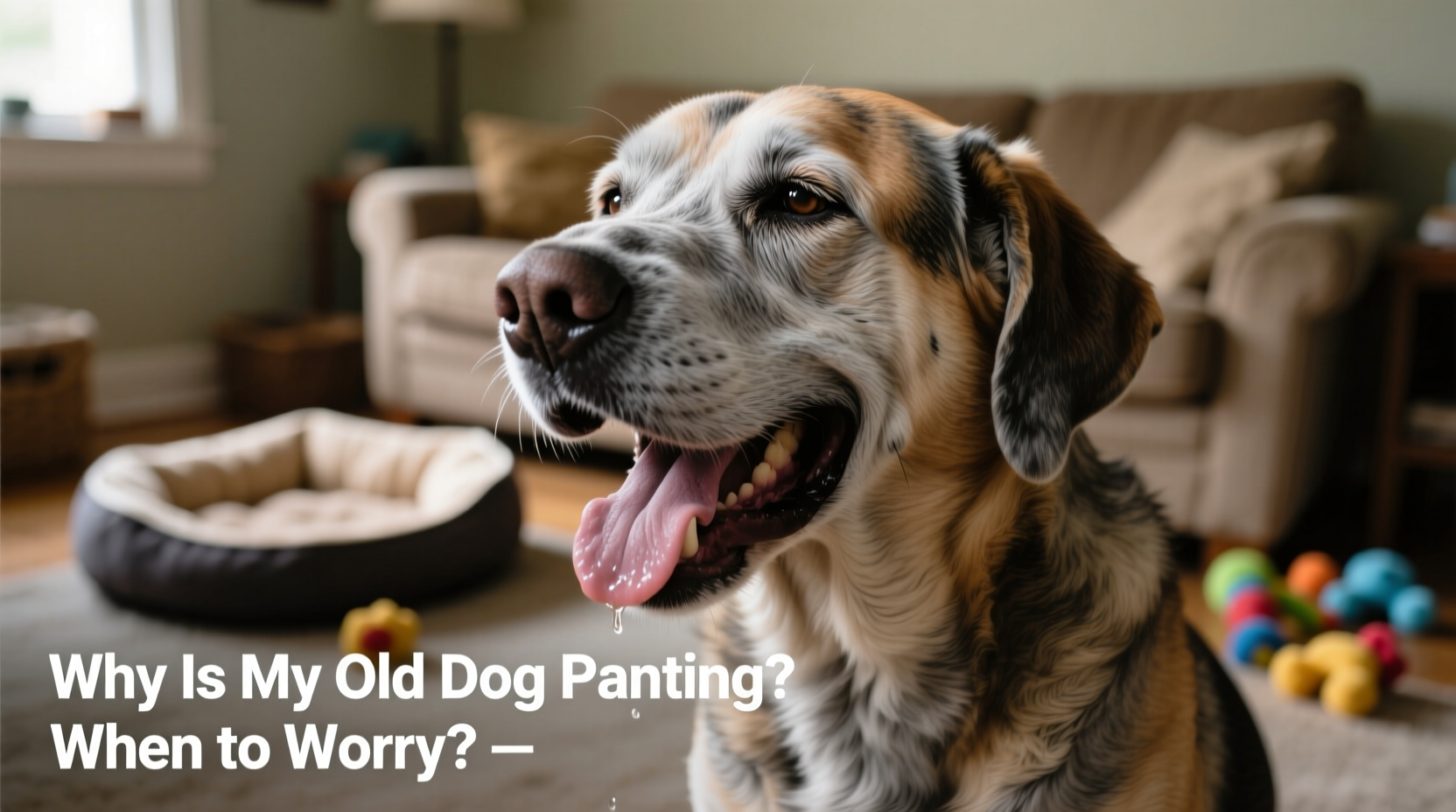
Dogs naturally pant after exercise, in hot weather, or when excited. In older dogs, mild panting after minimal activity may still be considered within the range of normal due to decreased stamina. But persistent, heavy, or unexplained panting—particularly when the dog is resting—is not typical and should be evaluated.
Abnormal panting often has distinct characteristics:
- Occurs frequently at rest or during cool temperatures
- Is louder, deeper, or more labored than usual
- Is accompanied by pacing, restlessness, or difficulty lying down
- Begins suddenly without obvious cause
“Chronic or unexplained panting in senior dogs is rarely just ‘part of aging.’ It’s often the body’s way of signaling discomfort or illness.” — Dr. Laura Simmons, DVM, Veterinary Internal Medicine Specialist
Common Medical Causes of Excessive Panting in Older Dogs
Several health conditions become more prevalent as dogs age and can lead to increased panting. Recognizing these potential causes allows pet owners to seek timely veterinary care.
Heart Disease
As dogs age, heart function may decline. Conditions like mitral valve disease or dilated cardiomyopathy reduce the heart’s ability to pump blood efficiently, leading to fluid buildup in the lungs (pulmonary edema). This makes breathing difficult and prompts panting even at rest.
Respiratory Issues
Lung diseases such as chronic bronchitis, pneumonia, or pulmonary hypertension impair oxygen exchange. Tumors in the chest cavity can also restrict lung expansion, forcing the dog to breathe faster and harder.
Arthritis and Chronic Pain
Pain alters a dog’s breathing pattern. Older dogs with osteoarthritis may pant not from heat but from discomfort, especially when trying to lie down or stand up. Pain-induced panting is often subtle but consistent.
Cushing’s Disease (Hyperadrenocorticism)
This endocrine disorder, common in older dogs, causes the adrenal glands to produce too much cortisol. Symptoms include increased thirst, appetite, hair loss, and notably, excessive panting due to hormonal imbalances affecting respiration.
Kidney Disease
When kidneys fail, toxins build up in the bloodstream (uremia), which can lead to nausea, weakness, and altered breathing patterns. Panting may occur as the body struggles to compensate for metabolic imbalance.
Anemia
Reduced red blood cell count means less oxygen is delivered to tissues. The dog compensates by increasing respiratory rate, resulting in panting even with minimal exertion.
Tip: Monitor your dog’s breathing rate while sleeping. A normal resting respiratory rate is 15–30 breaths per minute. Consistently higher numbers warrant a vet visit.Behavioral and Environmental Factors
Not all panting stems from physical illness. Cognitive dysfunction, anxiety, and environmental stress can also trigger excessive panting in senior dogs.
Cognitive Dysfunction Syndrome (CDS)
Similar to dementia in humans, CDS affects up to 60% of dogs over 15 years old. Affected dogs may pace at night, appear confused, and pant due to disorientation or anxiety, especially in unfamiliar settings or after routine changes.
Anxiety and Stress
Loud noises, separation, or changes in household dynamics can cause stress-related panting. Older dogs may become more sensitive to disruptions as their senses decline.
Medication Side Effects
Some medications prescribed for arthritis, seizures, or Cushing’s disease (e.g., prednisone) can increase panting as a side effect. Always discuss this with your veterinarian before adjusting dosages.
| Condition | Associated Symptoms | Panting Pattern |
|---|---|---|
| Heart Disease | Coughing, lethargy, blue gums | Labored, frequent at rest |
| Arthritis | Limping, stiffness, reluctance to move | Intermittent, linked to movement |
| Cushing’s Disease | Increased drinking/urination, pot-bellied appearance | Persistent, day and night |
| Cognitive Decline | Night pacing, confusion, house soiling | Episodic, often at night |
| Anemia | Pale gums, weakness, rapid fatigue | Rapid, shallow breathing |
When to Worry: Red Flags That Require Immediate Attention
While occasional panting may not be alarming, certain signs indicate a medical emergency:
- Blue or pale gums – indicates poor oxygenation
- Difficulty breathing – gasping, open-mouth breathing, flared nostrils
- Collapse or extreme lethargy – inability to stand or respond
- Panting combined with vomiting or diarrhea – possible poisoning or organ failure
- Sudden onset of intense panting – could signal pain, internal bleeding, or bloat
If your dog exhibits any of these symptoms, contact your veterinarian immediately or visit an emergency clinic. Delaying care can be life-threatening.
Mini Case Study: Bella, a 12-Year-Old Labrador Retriever
Bella’s owner noticed she was panting heavily at night, pacing the hallway, and seemed unable to settle. Initially attributed to “just getting old,” the panting worsened over two weeks. A vet visit revealed elevated cortisol levels and an enlarged liver—diagnosing Cushing’s disease. With medication and lifestyle adjustments, Bella’s panting decreased significantly within a month, and her sleep improved. This case highlights how early intervention can transform outcomes in senior dogs.
Action Plan: What to Do If Your Senior Dog Is Panting Excessively
Follow this step-by-step approach to assess and address the issue:
- Observe and record: Note when the panting occurs, duration, triggers, and accompanying behaviors (e.g., pacing, whining).
- Check vital signs: Measure resting respiratory rate and examine gum color. Press on the gums—if they don’t turn pink within 2 seconds, seek help.
- Review medications: Consult your vet about whether current prescriptions could be contributing.
- Schedule a vet exam: Include blood work, urinalysis, chest X-rays, or an echocardiogram if needed.
- Implement treatment: Follow through with prescribed therapies, pain management, or behavioral interventions.
Checklist: Monitoring Your Senior Dog’s Breathing
- ✅ Count breaths per minute while sleeping (normal: 15–30)
- ✅ Check gum color daily (should be pink)
- ✅ Note any coughing, wheezing, or effortful breathing
- ✅ Track water intake and urination frequency
- ✅ Schedule biannual wellness exams with blood panels
Frequently Asked Questions
Is it normal for old dogs to pant more as they age?
Some increase in panting after activity is expected due to reduced fitness. However, constant or rest panting is not normal and should be evaluated. Aging itself doesn’t cause heavy panting—underlying conditions do.
Can anxiety cause my senior dog to pant at night?
Yes. Older dogs are more prone to anxiety due to cognitive decline, hearing/vision loss, or environmental changes. Nighttime panting paired with pacing or vocalization often points to confusion or fear.
What tests will the vet run for excessive panting?
A full assessment typically includes a physical exam, blood chemistry panel, complete blood count (CBC), urinalysis, chest X-rays, and possibly an ultrasound of the heart (echocardiogram) or abdominal organs.
Conclusion: Prioritize Your Senior Dog’s Comfort and Health
Excessive panting in an older dog is more than just a quirk—it’s often a cry for help. By paying close attention to changes in behavior, breathing, and overall well-being, you can catch serious conditions early and provide your loyal companion with the care they deserve. Don’t dismiss panting as “just old age.” Advocate for your dog, seek veterinary guidance, and take proactive steps to ensure their golden years are as comfortable and joyful as possible.
💬 Has your senior dog experienced unexplained panting? Share your story or questions in the comments—your experience could help another pet owner recognize the signs sooner.








