A red foreskin can be alarming, but it’s often a sign of a treatable condition rather than a serious health threat. Many men experience this at some point in their lives, yet few discuss it openly due to embarrassment or uncertainty. Understanding the underlying causes—ranging from infections to skin conditions—is essential for proper care and recovery. This article explores the most common reasons behind foreskin redness, outlines key symptoms, and provides practical guidance on treatment and prevention.
Common Causes of Foreskin Redness
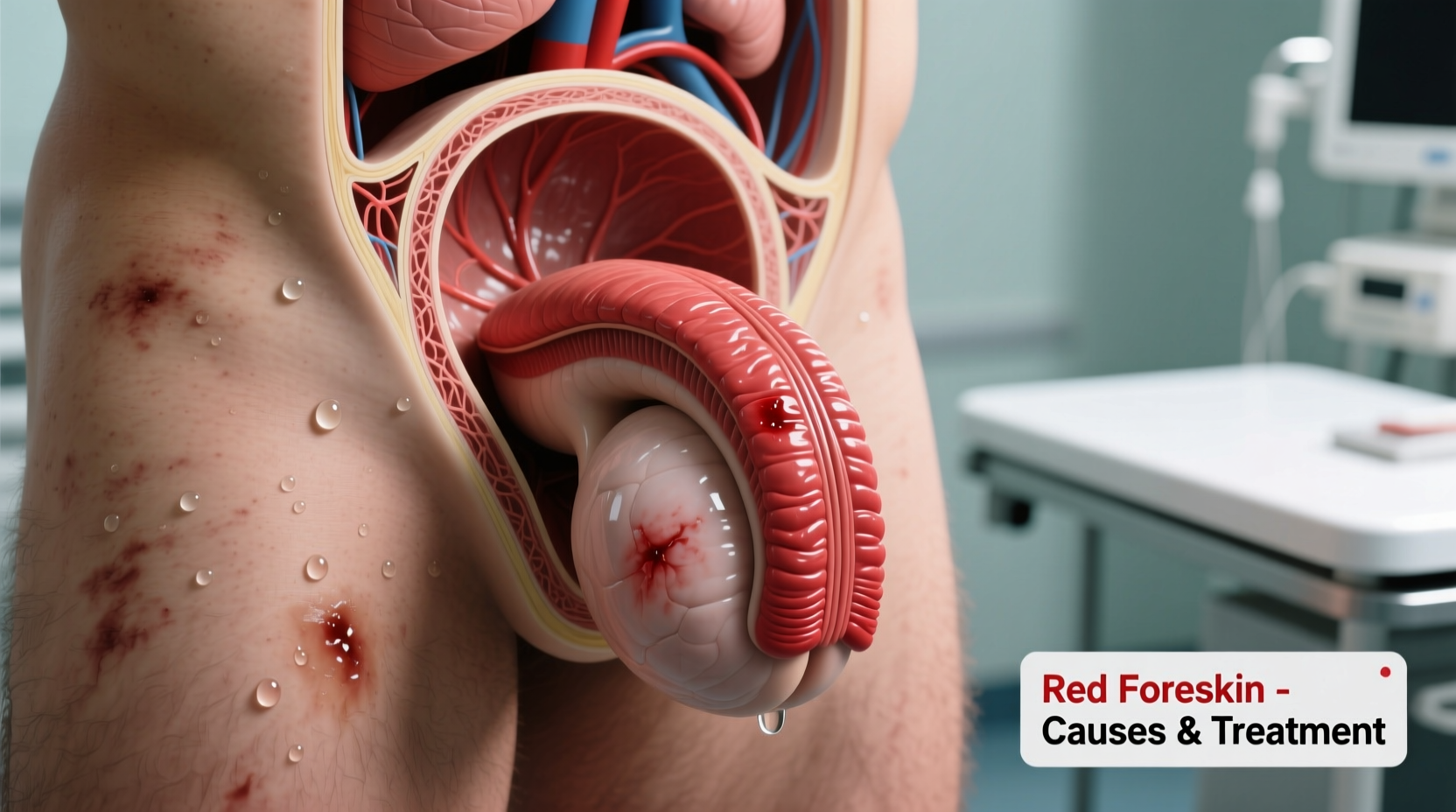
Foreskin redness typically stems from irritation, infection, or inflammatory skin disorders. Identifying the root cause is crucial for selecting the right treatment approach.
- Balanitis: Inflammation of the glans (head of the penis), often extending to the foreskin. It's commonly caused by poor hygiene, fungal infections (like Candida), or bacterial overgrowth.
- Candidiasis (Yeast Infection): A fungal infection that thrives in warm, moist environments. Men with diabetes or those who use antibiotics frequently are more susceptible.
- Bacterial Infections: Including streptococcus or staphylococcus, which can lead to localized inflammation and redness.
- Sexually Transmitted Infections (STIs): Herpes, trichomoniasis, or syphilis may present with redness, sores, or discharge.
- Psoriasis or Eczema: Chronic skin conditions that can affect genital areas, causing flaky, red patches.
- Physical Irritation: Friction from tight clothing, vigorous sexual activity, or allergic reactions to soaps, detergents, or latex condoms.
- Phimosis: A condition where the foreskin cannot be fully retracted, leading to moisture buildup and increased risk of infection.
Symptoms Associated with a Red Foreskin
Redness alone isn’t always concerning, especially if temporary. However, when accompanied by other symptoms, it may indicate an underlying issue needing attention.
| Symptom | Possible Cause | When to Worry |
|---|---|---|
| Itching or burning | Fungal infection, eczema, contact dermatitis | If persistent beyond 2–3 days despite hygiene improvements |
| Swelling | Balanitis, STI, trauma | If swelling restricts urination or retraction of foreskin |
| White discharge or clumps | Candida infection | Requires antifungal treatment |
| Pain during urination or sex | Infection, inflammation | Seek evaluation to rule out STIs |
| Ulcers or blisters | Herpes, syphilis | Immediate medical consultation needed |
Some men also report a foul odor, particularly when smegma (a natural lubricant) accumulates under the foreskin and becomes infected due to poor cleaning.
Treatment Options Based on Cause
Effective treatment depends on accurate diagnosis. Self-treatment without knowing the cause can delay healing or worsen symptoms.
Fungal Infections
Topical antifungal creams such as clotrimazole or miconazole are typically prescribed. Apply twice daily for 7–14 days. Oral fluconazole may be used in severe cases.
Bacterial Infections
Antibiotic ointments like fusidic acid or oral antibiotics (e.g., cephalexin) are effective. Do not share towels or underwear to prevent spreading bacteria.
STI-Related Redness
If herpes is diagnosed, antivirals like acyclovir reduce outbreak severity. Syphilis requires penicillin-based therapy. Partner notification and testing are essential.
Dermatological Conditions
For psoriasis or eczema, low-potency corticosteroid creams (e.g., hydrocortisone 1%) may be used short-term under medical supervision. Moisturizers free of fragrances help maintain skin barrier function.
“Many cases of foreskin redness stem from simple hygiene lapses or irritants. But persistent symptoms should never be ignored—early intervention prevents complications.” — Dr. Alan Pierce, Urologist and Men’s Health Specialist
Step-by-Step Guide to Managing Foreskin Redness
Follow this timeline to address mild to moderate cases safely and effectively:
- Day 1–2: Assess Symptoms
Note any pain, discharge, rash, or fever. Stop using potential irritants like new soaps or condoms. - Day 2–3: Improve Hygiene
Gently retract the foreskin (if possible) and rinse with lukewarm water. Pat dry thoroughly—moisture encourages fungal growth. - Day 3–5: Begin Over-the-Counter Care
Use an antifungal cream if yeast is suspected. Avoid steroid creams unless prescribed. - Day 5–7: Monitor Progress
If redness improves, continue care. If unchanged or worsening, consult a healthcare provider. - After Day 7: Seek Medical Help if Needed
A doctor may take swabs, perform blood tests, or prescribe stronger medication based on findings.
Prevention Checklist
Reduce your risk of future episodes with these daily habits:
- Wash the genital area daily with plain water or a mild, fragrance-free cleanser.
- Dry thoroughly after washing, especially under the foreskin.
- Change underwear daily; choose breathable cotton fabrics.
- Avoid harsh soaps, bubble baths, and scented laundry detergents.
- Practice safe sex and use non-latex condoms if you have allergies.
- Manage underlying conditions like diabetes, which increase infection risk.
- Do not forcibly retract a tight foreskin—this can cause micro-tears and inflammation.
Real-Life Example: A Case of Misdiagnosed Irritation
Mark, a 32-year-old office worker, noticed redness and itching under his foreskin after switching to a new brand of laundry detergent. He initially assumed it was a fungal infection and used an over-the-counter antifungal cream for three days with no improvement. The area became more sensitive and began to crack. Concerned, he visited a urologist, who identified contact dermatitis caused by chemical sensitivity. Mark stopped using the detergent, switched to hypoallergenic soap, and applied a gentle emollient. Within five days, symptoms resolved completely.
This case highlights how easily non-infectious causes can be mistaken for infections—and why professional assessment matters when self-care fails.
Frequently Asked Questions
Can masturbation cause a red foreskin?
Yes, excessive or rough masturbation can lead to friction-related irritation. Using lubrication and reducing intensity usually resolves the issue. However, if redness persists beyond a couple of days, consider other causes like infection.
Is foreskin redness always a sign of an STI?
No. While STIs can cause redness, they are not the most common cause. Poor hygiene, fungal infections, and skin conditions are more frequent culprits. That said, unprotected sex with a new partner warrants STI screening even without dramatic symptoms.
When should I see a doctor about a red foreskin?
See a healthcare provider if redness lasts more than a week, is painful, spreads, or is accompanied by discharge, fever, or difficulty urinating. Also seek help if you suspect phimosis or notice recurring episodes.
Final Thoughts and Next Steps
A red foreskin is a common concern that often responds well to simple care measures. The key is understanding what’s normal and when to escalate care. Most cases stem from manageable factors like hygiene, irritation, or minor infections. However, dismissing persistent symptoms can lead to complications like chronic balanitis, scarring, or transmission of STIs.
Take ownership of your health by practicing consistent genital hygiene, recognizing warning signs, and seeking timely medical advice. Open conversations with healthcare providers are vital—doctors see these issues regularly and are there to help, not judge.
💬 Your health matters. Have questions or experiences to share? Join the conversation below and support others navigating similar concerns.








