
Dog owners often pay close attention to their pet’s bathroom habits—not out of obsession, but because feces can be a powerful indicator of overall health. If you’ve recently noticed that your dog’s poop appears white or chalky, it’s natural to feel concerned. While occasional changes in stool color can be harmless, persistent white or pale-colored feces may point to underlying issues requiring veterinary evaluation. Understanding the potential causes—and knowing when to act—can make all the difference in maintaining your dog’s long-term well-being.
What Causes White Poop in Dogs?
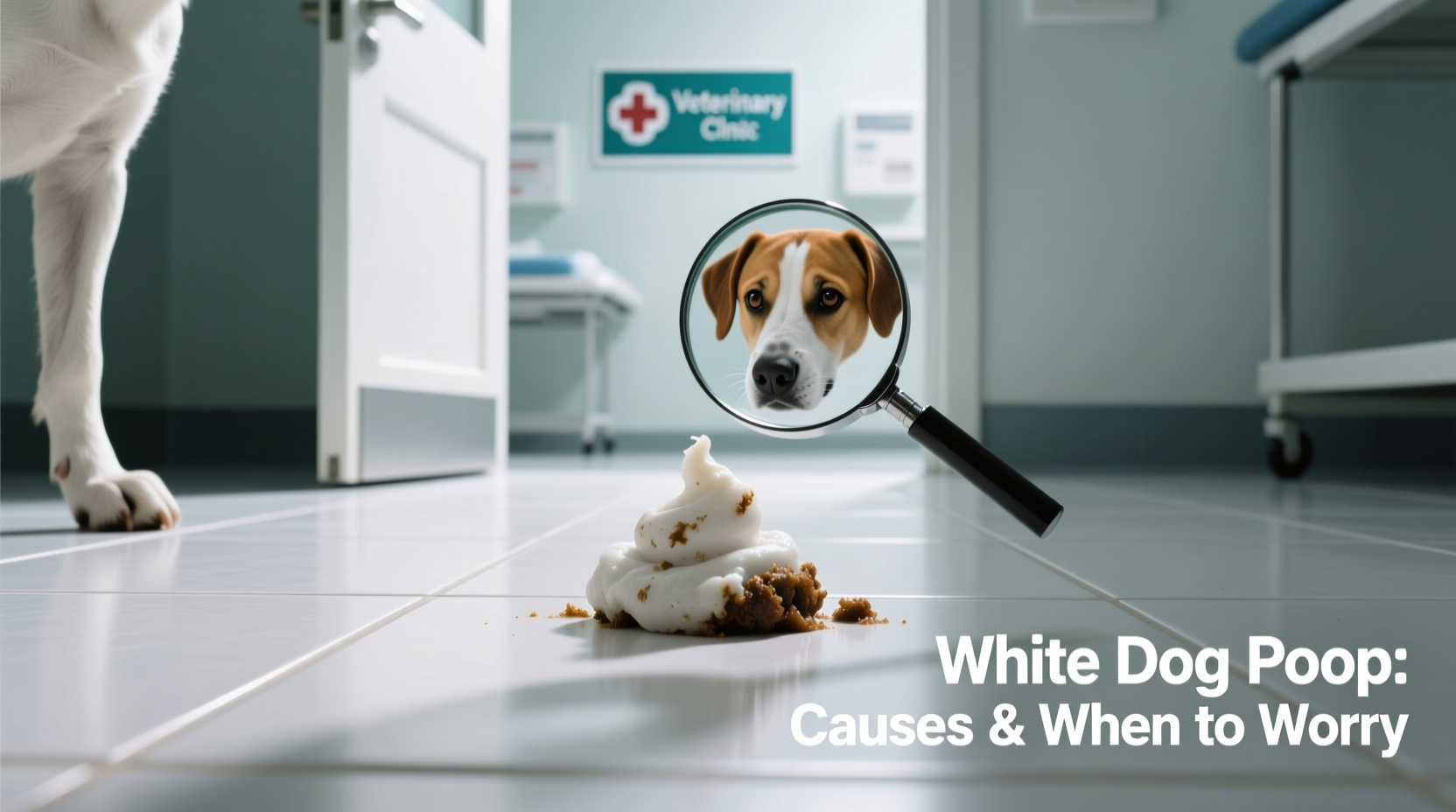
White or light-colored stools in dogs are not typical and usually suggest an issue with digestion or nutrient absorption. The normal brown color of dog feces comes from bile, a digestive fluid produced by the liver and stored in the gallbladder. Bile breaks down fats and undergoes chemical changes as it moves through the intestines, ultimately giving stool its characteristic hue. When this process is disrupted, the stool may appear abnormally pale or white.
Common causes include:
- Excessive calcium intake – Often from raw diets high in bones or bone meal supplements.
- Bile deficiency – Caused by liver disease, gallbladder obstruction, or pancreatic issues.
- Poor fat digestion – Due to exocrine pancreatic insufficiency (EPI) or enzyme deficiencies.
- Dietary imbalances – Sudden changes in diet or consumption of indigestible materials.
- Parasites or infections – Though less likely to cause pure white stool, they can alter digestion.
Calcium Overload: The Most Common Cause
One of the leading reasons for white dog poop is excessive dietary calcium, typically from feeding raw bones. When dogs consume large amounts of bone matter—such as beef marrow bones or knucklebones—their bodies struggle to absorb all the calcium. The undigested calcium passes through the digestive tract and turns the stool into a whitish, chalky, or crumbly substance.
This type of stool often dries quickly and may resemble sidewalk chalk. While not immediately dangerous, chronic overconsumption of bone can lead to constipation, intestinal blockages, or nutritional imbalances.
“Feeding recreational bones once or twice a week is generally safe, but daily bone feeding can overload the system with calcium and disrupt normal digestion.” — Dr. Lisa Nguyen, DVM, Canine Nutrition Specialist
How Much Bone Is Too Much?
A general guideline is that bones should not exceed 10–15% of a raw diet. For most dogs, one appropriately sized raw bone per week is sufficient. Signs of too much bone include:
- White, dry, crumbly stools
- Straining during defecation
- Reduced stool volume
- Occasional vomiting
Liver or Gallbladder Issues: A More Serious Concern
If your dog’s poop is consistently pale, greasy, or clay-colored—not just white—it could indicate a lack of bile reaching the intestines. This may result from:
- Liver disease (e.g., hepatitis)
- Gallbladder obstruction or rupture
- Bile duct blockage (from stones or tumors)
- Pancreatitis affecting bile flow
In these cases, the absence of bile not only changes stool color but also impairs fat digestion. You may notice additional symptoms such as weight loss, yellowing of the gums (jaundice), lethargy, or increased thirst.
Unlike calcium-related white stools, which are firm and chalky, bile-deficient stools tend to be soft, oily, foul-smelling, and may stick to the ground. This condition requires prompt veterinary diagnosis and treatment.
When to Worry: Red Flags to Watch For
| Stool Type | Likely Cause | Action Required |
|---|---|---|
| Chalky, dry, white | High bone/calcium diet | Adjust diet; monitor for constipation |
| Pale, greasy, soft | Bile deficiency (liver/gallbladder) | See vet immediately |
| White specks or threads | Parasites (e.g., tapeworms) | Veterinary deworming needed |
| Intermittent light coloring | Diet change or mild upset | Observe for 24–48 hours |
Step-by-Step: What to Do If Your Dog Has White Poop
- Assess the diet: Have you recently introduced raw bones, bone-in meat, or calcium supplements? Eliminate these for 48 hours and observe changes.
- Check stool consistency: Is it hard and chalky, or soft and greasy? The texture helps differentiate between dietary causes and medical conditions.
- Monitor behavior: Look for signs of discomfort, vomiting, diarrhea, or lethargy.
- Review recent changes: New food, medications, or exposure to toxins?
- Contact your veterinarian: If white stool persists beyond 48 hours or is accompanied by other symptoms, schedule an appointment.
- Prepare for diagnostics: Your vet may request blood work, ultrasound, or a fecal exam to assess liver function and digestion.
Mini Case Study: Max, the Raw-Fed Labrador
Max, a 3-year-old Labrador Retriever, was fed a raw diet including chicken necks and beef femur bones three times a week. His owner noticed his stools had become pale, dry, and difficult to pick up—breaking apart like chalk. Max seemed otherwise healthy, with no vomiting or lethargy.
After consulting a veterinary nutritionist, the owner reduced bone feedings to once weekly and introduced more organ meat and lean muscle. Within five days, Max’s stool returned to a normal brown color and consistency. The case highlighted how easily calcium imbalance can occur—even with well-intentioned raw feeding practices.
Prevention Checklist
To avoid recurring white stools and support digestive health, follow this checklist:
- ✅ Limit recreational bones to 1–2 times per week
- ✅ Balance calcium and phosphorus in homemade or raw diets
- ✅ Avoid feeding weight-bearing bones daily
- ✅ Transition diets gradually over 7–10 days
- ✅ Schedule annual blood panels for early detection of liver or pancreatic issues
- ✅ Keep parasite prevention up to date
Frequently Asked Questions
Can white poop in dogs be caused by worms?
Yes, but not the stool itself. Tapeworm segments can appear as small white grains or rice-like pieces around the anus or in feces. True white *stool* is more likely due to diet or bile issues, while visible worms or segments point to parasitic infection.
Is white dog poop an emergency?
Not always. Chalky white stools from excess bone are usually not an emergency if the dog is acting normally. However, pale, greasy, or clay-colored stools—especially with vomiting, jaundice, or lethargy—require urgent veterinary care.
How long does it take for white poop to go away after stopping bones?
In most cases, stool color returns to normal within 24–72 hours after removing high-calcium items from the diet. If changes persist beyond three days, consult your vet.
Conclusion: Stay Observant, Act Early
White dog poop isn’t always a crisis, but it’s never something to ignore. Whether it’s a simple fix like adjusting your dog’s diet or a sign of a deeper health issue, early awareness leads to better outcomes. Pay attention to patterns, keep track of dietary changes, and don’t hesitate to seek professional guidance when something seems off. Your dog relies on you to notice the subtle signs—sometimes, even in their poop—that something needs attention.
💬 Have experience with white dog poop? Share your story or questions in the comments below—your insight could help another pet owner spot a problem early.








