Cats scratch for a variety of natural, instinctual reasons—marking territory, stretching muscles, shedding claw sheaths, and relieving stress. But when your cat chooses the corner of your living room wall over the brand-new scratching post you bought, it can feel like a personal affront. More importantly, it can lead to damaged walls, baseboards, and frustration on both sides. The good news is that wall-scratching isn’t a sign of defiance or poor training—it’s usually a mismatch between your cat’s needs and the environment you’ve provided. Understanding the root causes and applying targeted solutions can effectively redirect your cat’s scratching habits before permanent damage occurs.
Why Cats Choose Walls Over Scratching Posts
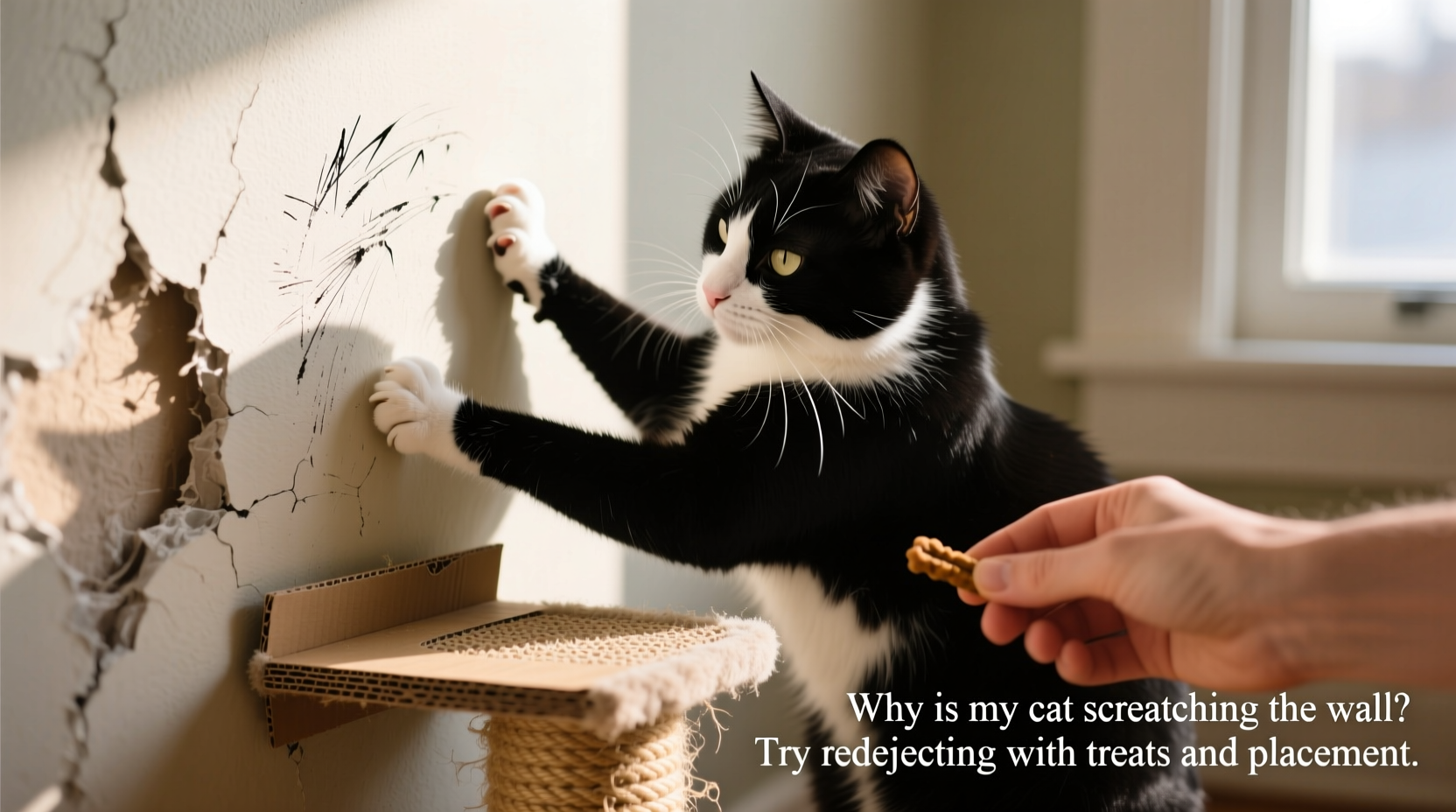
Scratching is not destructive behavior in a cat’s mind—it’s essential. When your cat targets vertical surfaces like walls, baseboards, or door frames, they are typically fulfilling specific physical and psychological needs. The issue often lies not with the cat, but with the availability, placement, or appeal of appropriate alternatives.
One primary reason cats favor walls is height. Many commercially available scratching posts are too short to allow a full stretch, which defeats one of the main purposes of scratching: engaging the back, shoulder, and leg muscles. A cat standing on its hind legs should be able to extend fully against the post. If the post only reaches mid-back level, the cat will naturally seek taller surfaces—like your wall.
Another factor is location. Cats often scratch near entryways, sleeping areas, or along high-traffic paths to mark their territory with scent glands in their paws. If the scratching post is tucked in a quiet corner far from where your cat spends time, it may as well not exist. In contrast, the wall beside the bedroom door is prime real estate for scent marking.
Texture also plays a major role. Most cats prefer coarse, fibrous materials like sisal rope or corrugated cardboard. Posts covered in soft carpet may look appealing to humans but can actually repel cats, especially if they associate carpet with litter boxes or past discipline.
Tip: Observe exactly where and when your cat scratches the wall—this reveals what they’re seeking in terms of height, texture, and location.How to Redirect Scratching Behavior Effectively
Redirecting your cat’s scratching habits requires more than just placing a post nearby. It involves understanding feline preferences and modifying the environment to make the right choice the easiest one. Punishment or scolding will not work and may increase anxiety, leading to more unwanted behaviors.
The key is to make the scratching post more appealing than the wall. Start by matching the characteristics of the surface your cat already favors. If they’re scratching a rough plaster wall, a sisal-wrapped post will be more enticing than a plush carpet model. If they target a corner, consider a triangular or L-shaped post that mimics that spatial configuration.
Placement is equally important. Position new scratching posts directly in front of or adjacent to the spot your cat currently scratches. You can temporarily cover the wall with double-sided tape, aluminum foil, or plastic panels to deter access while encouraging use of the nearby post. Once your cat consistently uses the post for several weeks, you can gradually move it—no more than a few inches per day—to a more convenient location.
Step-by-Step Guide to Redirect Wall-Scratching
- Identify the trigger area: Note the exact spots your cat scratches and the time of day it happens (e.g., after waking).
- Select the right post: Choose a tall, sturdy post (at least 30 inches) wrapped in sisal or cardboard.
- Place it strategically: Put the post directly in front of or beside the scratched wall area.
- Make the wall less appealing: Use deterrents like double-sided tape, tin foil, or textured plastic covers.
- Entice with scent and motion: Sprinkle catnip or use a pheromone spray (like Feliway) on the post.
- Encourage interaction: Gently guide your cat’s paws across the post or dangle toys nearby.
- Reward immediately: Praise or offer treats when your cat shows interest or uses the post.
- Gradually reposition: After consistent use, slowly move the post to a preferred long-term location.
“Cats don’t misbehave—they communicate through behavior. When a cat scratches a wall, they’re saying, ‘This is where I feel the need to mark or stretch.’ Our job is to give them a better outlet.” — Dr. Sarah Langston, DVM, Feline Behavior Specialist
Common Mistakes That Reinforce Wall-Scratching
Even well-meaning cat owners can accidentally encourage unwanted scratching. One common error is providing only horizontal scratchers when a cat clearly prefers vertical surfaces. Another is buying flimsy posts that wobble when scratched, making them untrustworthy from a cat’s perspective.
Some owners place all scratching options in low-traffic areas, such as basements or laundry rooms, assuming it keeps things tidy. But cats are territorial animals and want to mark spaces they frequent—like entrances, windows, or near furniture where they nap.
Using punishment-based deterrents like water sprays or loud noises may stop the behavior temporarily but can damage trust and increase stress. Instead, focus on positive reinforcement and environmental enrichment.
| Mistake | Better Alternative |
|---|---|
| Placing scratching posts in unused rooms | Position them near sleeping areas, windows, or room entrances |
| Choosing short or unstable posts | Invest in tall, heavy-based models (30+ inches) |
| Using only carpet-covered scratchers | Offer sisal, cardboard, or wood textures |
| Punishing the cat for scratching | Redirect and reward use of appropriate surfaces |
| Providing only one scratching option | Offer multiple types and locations throughout the home |
Creating a Cat-Friendly Environment: A Checklist
To prevent future wall-scratching and support overall feline well-being, follow this comprehensive checklist:
- ✅ Provide at least one scratching post per cat, plus one extra
- ✅ Ensure posts are at least 30 inches tall for full stretching
- ✅ Use durable materials like sisal, cardboard, or natural wood
- ✅ Place scratchers in high-traffic and resting zones (bedrooms, living rooms, hallways)
- ✅ Offer a mix of vertical, horizontal, and angled scratchers
- ✅ Stabilize posts so they don’t tip when used
- ✅ Rotate scratchers periodically to renew interest
- ✅ Use catnip, silver vine, or pheromone sprays to attract attention
- ✅ Trim claws every 2–3 weeks to reduce damage potential
- ✅ Install vinyl protectors on vulnerable wall sections if needed
Real-Life Example: Redirecting a Persistent Scratcher
Samantha adopted Luna, a three-year-old tabby, who quickly developed a habit of scratching the hallway wall every morning after waking. Despite placing a carpeted scratching pad in the living room, Luna ignored it completely. Frustrated, Samantha considered using deterrent sprays but decided to consult a feline behavior consultant first.
The consultant observed that Luna always stretched vertically after sleeping and targeted the corner where two walls met—suggesting she wanted height and stability. They recommended replacing the low carpet pad with a 36-inch sisal-wrapped post placed directly in front of the scratched area. The wall was covered with temporary plastic corner guards, and the post was sprayed with Feliway Classic.
Within two days, Luna began sniffing and pawing at the post. By day five, she used it regularly to stretch and scratch. Over the next three weeks, the post was gradually moved ten feet into the living room, where Luna now uses it daily. The wall damage stopped completely, and Samantha added a second post near the bedroom window for variety.
Frequently Asked Questions
Can I train an older cat to stop scratching walls?
Yes. While kittens are easier to shape behaviorally, adult and senior cats can learn new habits with consistency and patience. The principles of redirection, proper equipment, and positive reinforcement apply at any age. Older cats may have established preferences, so it’s crucial to match the replacement post closely to what they already like.
Is it okay to let my cat scratch the wall if it’s just one spot?
If the damage is minimal and structurally harmless, some owners designate a “scratching zone” by covering a section of wall with sisal fabric or mounting a vertical scratcher directly onto the wall. This satisfies the cat’s urge while protecting the rest of the surface. However, allowing unrestricted wall scratching may encourage spreading to other areas.
How many scratching posts does a cat really need?
Veterinary behaviorists recommend at least one scratching post per cat, plus one additional post as a buffer. Multiple locations ensure options are available during different activities (e.g., after napping, upon waking, during play). Variety in type and orientation increases usage and reduces conflict in multi-cat households.
Conclusion: Turning a Problem Into a Solvable Puzzle
Your cat isn’t trying to ruin your walls—they’re simply acting on deeply ingrained instincts with limited options. When scratching moves from post to plaster, it’s not rebellion; it’s communication. By reassessing the height, texture, and placement of scratching alternatives—and supporting those changes with patience and positive reinforcement—you can guide your cat toward healthier choices.
The goal isn’t to eliminate scratching, but to channel it appropriately. With the right tools and understanding, most wall-scratching issues resolve within weeks. Start today by observing your cat’s habits, upgrading their scratching options, and creating an environment where the right choice feels natural. Your walls—and your peace of mind—will thank you.
💬 Have a cat that won’t leave the walls alone? Share your experience or solution in the comments—your insight could help another frustrated pet owner find relief!








