It’s a common sight for dog owners: the moment your puppy’s leash hits the ground after a walk, they dive face-first into the nearest patch of grass and start munching. You might wonder—is this behavior normal? Is your puppy sick? Bored? Or is there something missing from their diet? The truth is, grass-eating in puppies is widespread and usually harmless, but understanding the underlying reasons can help you determine whether intervention is necessary.
While occasional grass consumption rarely leads to serious health issues, frequent or obsessive grazing—especially if followed by vomiting or signs of discomfort—warrants closer attention. This article explores the science, psychology, and practical considerations behind why your puppy eats grass after every walk, offering evidence-based guidance to keep your pup healthy and happy.
Common Reasons Puppies Eat Grass After Walks
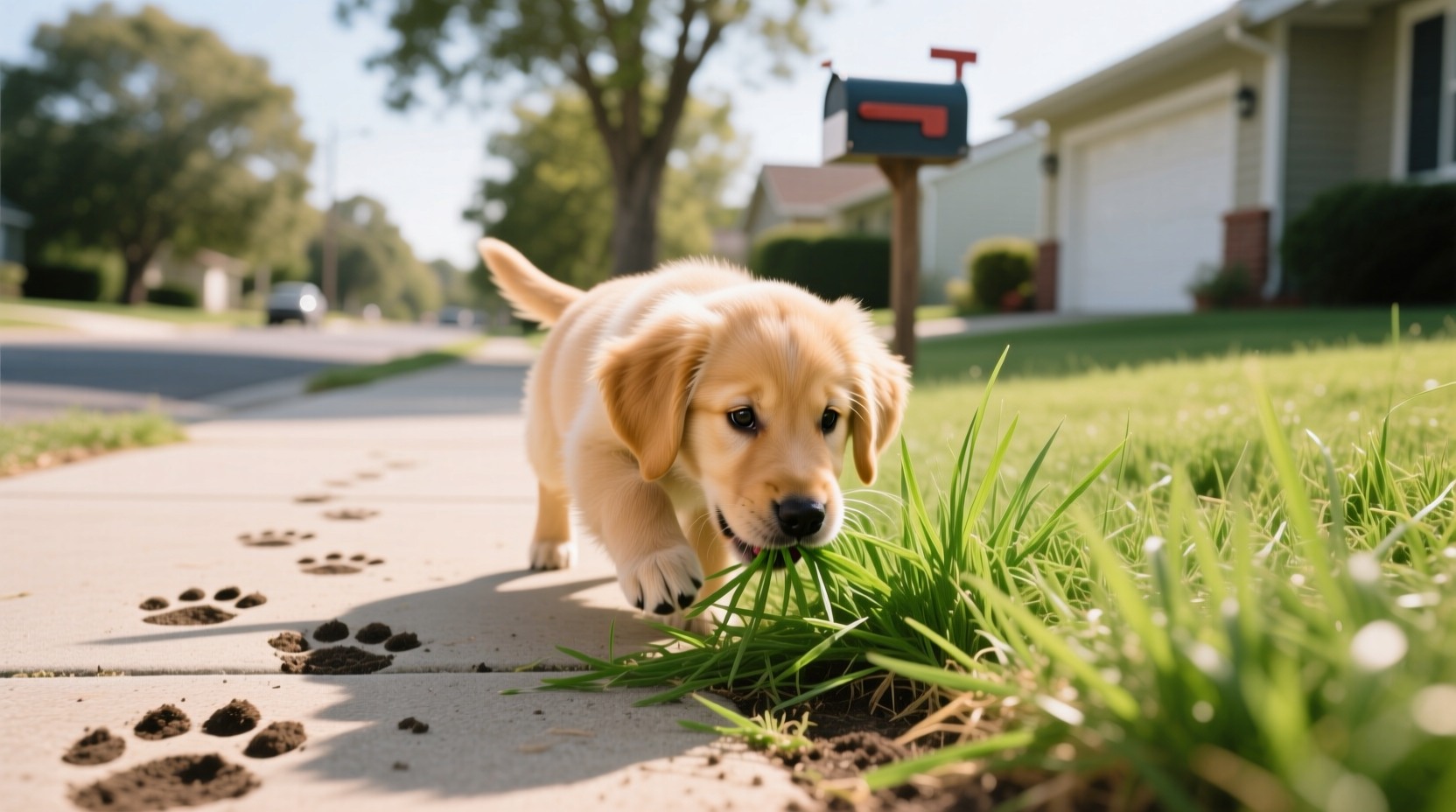
Puppies are naturally curious, and their world is experienced largely through taste and smell. Eating grass isn’t just random—it often serves a purpose, even if that purpose isn’t immediately obvious to us. Several factors contribute to this behavior, ranging from instinctual drives to dietary needs.
- Instinctual Behavior: Dogs are descendants of wolves, which occasionally consumed plant material found in the stomachs of prey. While modern dogs are primarily carnivorous, they retain some omnivorous traits, making grass ingestion a natural, low-risk exploration.
- Digestive Aid: Some experts believe that grass acts as a mild laxative or emetic. If your puppy has an upset stomach or mild gastrointestinal discomfort after a walk, eating grass may be an attempt to induce vomiting or relieve bloating.
- Nutritional Deficiency: Though less common with commercial diets, some puppies may seek out grass if they’re lacking fiber, certain enzymes, or micronutrients. Grass provides roughage, which can support digestion.
- Boredom or Anxiety: Post-walk excitement or pent-up energy can manifest in unusual behaviors. For some puppies, chewing grass becomes a soothing or stimulating activity, especially if they haven’t had enough mental engagement.
- Taste and Texture: Let’s not overlook the simple explanation—some puppies enjoy the taste or crunchy texture of fresh grass, particularly in spring and early summer when it’s tender and juicy.
When Grass-Eating Becomes a Concern
While grass consumption is generally safe, certain patterns should raise red flags. Not all grass is created equal—urban lawns may be treated with pesticides, herbicides, or fertilizers toxic to dogs. Additionally, excessive grass eating accompanied by other symptoms could indicate medical problems.
Warning signs include:
- Frequent vomiting after eating grass
- Diarrhea or blood in stool
- Loss of appetite or lethargy
- Obsessive grass-seeking behavior
- Eating large quantities rapidly
If your puppy consistently gobbles up grass and then vomits, it may not be the grass causing the sickness—but rather the puppy using grass as a tool to self-medicate. In such cases, the root cause—like intestinal parasites, gastritis, or food sensitivities—needs veterinary evaluation.
“Grass eating in dogs is usually benign, but when paired with vomiting or behavioral changes, it’s worth investigating further. Rule out medical causes before assuming it’s purely habitual.” — Dr. Lena Reyes, DVM, Canine Behavioral Specialist
Environmental and Behavioral Influences
The timing of grass consumption—specifically after walks—suggests environmental triggers. Walks expose puppies to new sights, smells, and physical exertion, which can influence post-exercise behavior.
Consider these situational factors:
- Post-Exercise Stimulation: After a stimulating walk, puppies may feel overexcited. Chewing grass can serve as a calming mechanism, similar to how humans fidget when anxious.
- Scent Exploration: Grass carries scents from other animals, rain, or decomposing matter. Your puppy may be “tasting” the environment to gather information.
- Reinforced Behavior: If you react strongly (with laughter, scolding, or attention) when your puppy eats grass, they may repeat the behavior for engagement.
- Lack of Enrichment: Puppies deprived of chew toys or interactive play may turn to grass as a substitute for oral stimulation.
A Real-Life Example: Max the Labrador Retriever
Max, a 5-month-old yellow lab, began eating grass aggressively after every neighborhood walk. His owner, Sarah, initially dismissed it as curiosity. But when Max started vomiting weekly and losing weight, she consulted her vet. Tests revealed a mild case of giardia, a parasitic infection common in puppies exposed to contaminated soil or water. After treatment and switching to shorter, more structured walks with chew toys on hand, Max’s grass-eating habit diminished significantly. This case illustrates how a seemingly innocent behavior can mask a medical issue—and how addressing the root cause resolves the symptom.
How to Manage and Redirect the Behavior
You don’t need to eliminate grass-eating entirely unless it poses a health risk. Instead, focus on management and redirection. The goal is to ensure safety while meeting your puppy’s physical and psychological needs.
Step-by-Step Guide to Reducing Excessive Grass Consumption
- Monitor the Environment: Avoid letting your puppy graze in areas treated with chemicals or known to host animal waste.
- Provide Alternatives: Offer safe chew toys or dog-safe greens like wheatgrass during or after walks.
- Increase Mental Stimulation: Incorporate training drills, scent games, or puzzle toys into your walk routine to reduce post-walk boredom.
- Adjust Diet: Consult your vet about adding fiber-rich ingredients (e.g., pumpkin or psyllium) if digestive issues are suspected.
- Use Positive Reinforcement: Reward your puppy for ignoring grass and focusing on you instead. Clicker training works well for this.
Do’s and Don’ts of Puppy Grass-Eating Management
| Do’s | Don’ts |
|---|---|
| Allow occasional, moderate grass consumption if no toxins are present | Assume all grass is safe—check for pesticide use in parks or yards |
| Observe patterns and document frequency | Scold or punish your puppy for eating grass—it may increase anxiety |
| Consult your vet if vomiting or diarrhea follows grass-eating | Ignore sudden changes in appetite or behavior |
| Offer dog-safe indoor grass kits as an alternative | Assume dietary deficiency without professional input |
FAQ: Common Questions About Puppy Grass-Eating
Is it normal for puppies to eat grass after walks?
Yes, it’s very common. Studies suggest that over 70% of healthy dogs consume grass at least occasionally, and most never show signs of illness. As long as the grass is untreated and the behavior isn’t compulsive, it’s typically nothing to worry about.
Can eating grass make my puppy sick?
Grass itself isn’t toxic, but contaminated grass can carry parasites (like hookworms), bacteria, or chemical residues. Also, some puppies vomit after eating grass—not because the grass made them sick, but because they used it intentionally to clear an already irritated stomach.
Should I stop my puppy from eating grass completely?
Not necessarily. Complete prevention isn’t always possible or needed. Focus instead on ensuring the grass is safe and monitoring for any adverse reactions. If the behavior interferes with training or health, work on redirection techniques with the help of a trainer or vet.
Final Thoughts: Balancing Instinct and Health
Your puppy’s urge to eat grass after every walk is likely rooted in a mix of instinct, sensory curiosity, and mild digestive regulation. In most cases, it’s a self-limiting behavior that fades with age and proper enrichment. However, responsible pet ownership means staying alert to changes in frequency, intensity, or associated symptoms.
The key is not to eliminate natural behaviors but to guide them safely. By understanding the motivations behind grass-eating, providing appropriate alternatives, and partnering with your veterinarian when needed, you can support your puppy’s development without unnecessary worry.
💬 Have a story about your puppy and grass-eating? Share your experience in the comments below—your insight could help another pet parent navigate the same puzzling habit!








