Guinea pigs are among the most expressive small pets, relying heavily on vocalizations to communicate their emotions, needs, and discomforts. One of the most common concerns new and experienced owners share is: “Why does my guinea pig squeak loudly?” These high-pitched sounds can range from excitement to distress, and understanding the context behind each type of squeak is essential for responsible care.
Unlike cats or dogs, guinea pigs don’t bark or meow in ways humans instinctively interpret. Instead, they use a repertoire of chirps, purrs, whines, and notably, loud squeaks—each with distinct meanings. Misinterpreting these sounds can lead to delayed responses to pain, hunger, or social stress. This guide breaks down the science and behavior behind loud squeaking in guinea pigs, helping you decode what your pet is trying to tell you.
The Language of Squeaks: Understanding Guinea Pig Vocalizations
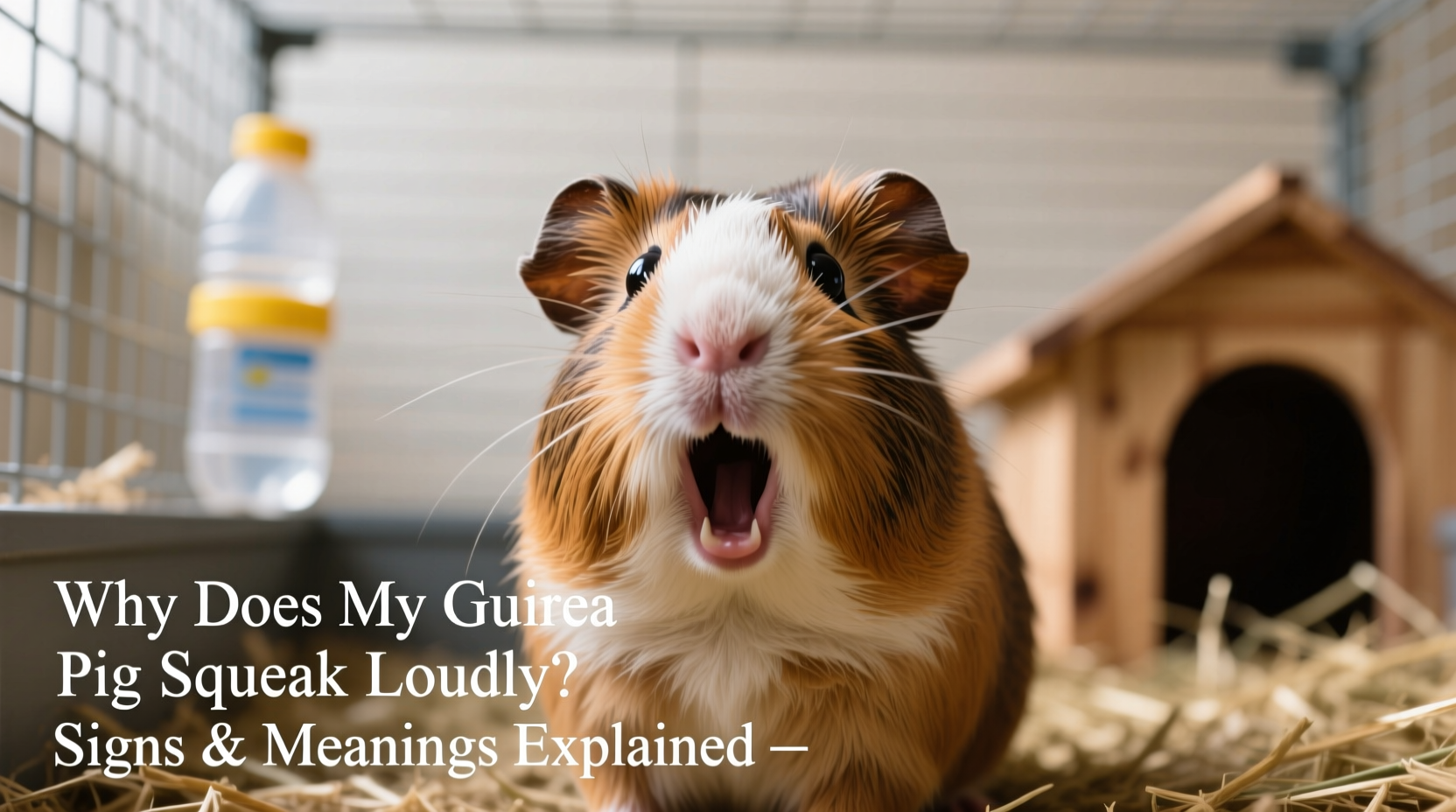
Guinea pigs are highly social rodents that evolved in the wild as prey animals. Their survival depended on subtle communication within herds, especially to signal danger or coordinate group movement. Today’s domesticated guinea pigs retain this complex vocal language, using at least five distinct sounds regularly:
- Wheeking: A high-pitched, repetitive squeal often heard at feeding time.
- Purring: A soft rumbling sound indicating contentment—or sometimes annoyance, depending on pitch and duration.
- Chutting/Chirping: Rare, bird-like noises that may indicate confusion or deep emotional states.
- Teeth Chattering: A warning sign of aggression or fear, usually paired with avoidance behavior.
- Squealing/Squeaking: Sharp, loud vocalizations signaling various emotional states—from excitement to pain.
Loud squeaking is perhaps the most misunderstood of these sounds. It’s not inherently negative; context determines whether it reflects joy, impatience, fear, or physical discomfort. The key lies in observing accompanying body language and environmental triggers.
Tip: Record your guinea pig's squeak using your phone. Comparing audio over time helps identify patterns linked to specific behaviors or events.Common Reasons for Loud Squeaking in Guinea Pigs
Not all squeaks mean the same thing. Below are the primary causes of loud vocalizations, categorized by emotional or physical state.
1. Excitement or Anticipation (Positive Squeaking)
The most frequent cause of loud squeaking occurs during feeding time. Known as \"wheeking,\" this rapid, high-pitched call emerges when guinea pigs hear the rustle of food bags, see their owner approaching with veggies, or anticipate treats. This sound is typically repeated multiple times in succession and accompanied by eager movements like running to the front of the cage or standing on hind legs.
This form of squeaking is entirely normal and even healthy—it shows your guinea pig is engaged, alert, and bonded with you. However, if it becomes excessive or turns into obsessive behavior (e.g., constant wheeking even when food isn't present), it may indicate overfeeding or lack of mental stimulation.
2. Social Communication and Dominance
In multi-guinea pig households, loud squeaks often arise during social interactions. When establishing hierarchy, one pig may mount another, prompting a sharp squeal from the subordinate animal. This is not necessarily a sign of injury but rather a way of saying “I submit” or “back off.”
Occasional dominance-related squeaking is part of natural herd dynamics. However, persistent screaming, chasing, or visible wounds require intervention. Unequal access to food, water, or hiding spots can escalate tension.
3. Pain or Discomfort
A sudden, intense squeak—especially when your guinea pig is being handled—is a red flag for pain. Unlike the rhythmic wheek of excitement, pain-induced squeals are abrupt, singular, and often followed by withdrawal, limping, or teeth grinding (bruxism).
Common sources of pain include urinary tract infections, dental issues (malocclusion), bloating, injuries from rough handling, or arthritis in older animals. If your guinea pig squeaks when touched near the lower abdomen or back, consult a veterinarian immediately.
“Guinea pigs are masters of hiding pain. A single loud squeak during routine handling can be the only outward sign of a serious underlying condition.” — Dr. Laura Bennett, Exotic Veterinarian & Small Mammal Specialist
4. Fear or Startle Response
Loud noises, sudden movements, unfamiliar people, or predators (like dogs or cats nearby) can trigger panic squeaks. These are typically short, piercing cries meant to alert other herd members. Once the threat passes, the squeaking should stop.
If your guinea pig lives in a high-traffic area or near loud appliances (vacuum cleaners, blenders), chronic stress may develop. Signs include reduced appetite, hunched posture, and frequent startled reactions—even without obvious triggers.
5. Mating Behavior and Hormonal Changes
Unneutered males (boars) often emit loud, rhythmic squeaks when they detect a female in heat. This is part of courtship behavior known as “rumblestrutting,” which includes pelvic thrusting and a vibrating purr. Females (sows) may also squeak during estrus cycles or when rejecting advances.
While natural, this behavior can be disruptive in home environments. Spaying or neutering—when appropriate and performed by an experienced vet—can reduce hormonal vocalizations and prevent unwanted litters.
Vocalization Decoded: A Comparison Table
| Vocalization Type | Sound Description | Context / Meaning | Action Required? |
|---|---|---|---|
| Wheeking | Repetitive, high-pitched squeal | Feeding anticipation, excitement | No – normal behavior |
| Alarm Squeal | Sharp, single cry | Fear, surprise, perceived threat | Moderate – assess environment |
| Pain Squeak | Short, intense scream | Injury, illness, discomfort | High – seek veterinary care |
| Dominance Squeak | Mid-tone protest squeak | Social conflict, hierarchy assertion | Monitor – intervene if aggressive |
| Mating Call | Rhythmic squeak with rumbling | Hormonal behavior, courtship | Consider spay/neuter if disruptive |
When to Worry: Red Flags in Squeaking Behavior
While occasional loud squeaking is normal, certain patterns demand attention. Persistent, unexplained vocalizations—especially those occurring at night or without external stimuli—may indicate chronic pain, anxiety, or illness.
Watch for these warning signs:
- Squeaking when resting or alone
- Vocalizing during urination or defecation
- Refusing food or water after squeaking
- Visible trembling, labored breathing, or lethargy following a squeal
- Increased aggression or hiding after vocal episodes
If your guinea pig exhibits any of these symptoms, schedule a vet visit promptly. Conditions like bladder stones, gastrointestinal stasis, respiratory infections, or dental disease can manifest primarily through changes in vocal behavior.
Tip: Keep a daily log of your guinea pig’s behavior, including time, duration, and circumstances of squeaking. This record can help your vet diagnose issues faster.Real-Life Example: Bella’s Sudden Squeaking Episode
Sarah, a first-time guinea pig owner, noticed her two-year-old guinea pig Bella began squeaking loudly every time she was picked up. Initially, Sarah assumed Bella was just excited. But when the squeaking continued even when Bella was left undisturbed—and was accompanied by decreased appetite—she grew concerned.
After recording a video of the behavior and visiting an exotic vet, Bella was diagnosed with early-stage pododermatitis (bumblefoot) caused by prolonged exposure to wire-bottomed flooring. The pain wasn’t visible externally, but the squeaking during handling revealed discomfort in her feet.
With proper bedding changes, antibiotics, and pain management, Bella’s vocalizations ceased within a week. This case highlights how attentive observation of squeaking patterns can uncover hidden health problems before they worsen.
Step-by-Step Guide: Responding to Loud Squeaking
When your guinea pig squeaks loudly, follow this structured approach to determine the cause and response:
- Pause and Observe: Stop moving or handling your guinea pig. Watch for body language cues—flattened ears, wide eyes, crouching, or teeth chattering.
- Assess the Environment: Was there a loud noise? Is another pet nearby? Did someone enter the room suddenly?
- Check Recent Activities: Were you feeding, cleaning, or introducing a new toy? Could this be excitement or fear?
- Inspect for Physical Signs: Gently examine your guinea pig for injuries, swelling, wetness around the genital area, or difficulty walking.
- Review Diet and Routine: Has anything changed in food, bedding, or cage setup recently?
- Document and Decide: If the squeaking stops and no other symptoms appear, monitor closely. If it persists or recurs, contact your veterinarian.
Frequently Asked Questions
Is it normal for guinea pigs to squeak at night?
Occasional nighttime squeaking can occur due to dreams, sudden noises, or shifts in temperature. However, frequent or loud vocalizations at night may indicate discomfort, overcrowding, or stress. Ensure their habitat is quiet, dark, and free from disturbances during rest hours.
My guinea pig squeaks when I pet it—should I stop?
It depends on the type of squeak. A brief, high-pitched sound might mean excitement. But if the squeak is sharp, followed by pulling away or freezing, your guinea pig may feel overwhelmed. Try shorter petting sessions and focus on gentle strokes behind the ears, where most guinea pigs enjoy touch.
Can guinea pigs scream?
Yes, though not in the human sense. A prolonged, intense squeal—sometimes called a “scream” by owners—is usually a sign of extreme fear or pain, such as during a predator attack or severe injury. Immediate assessment is crucial if you hear this sound.
Prevention and Care Checklist
To minimize unnecessary or distress-related squeaking, follow this actionable checklist:
- ✅ Provide a balanced diet rich in hay, fresh vegetables, and vitamin C.
- ✅ House guinea pigs in pairs or small compatible groups to meet social needs.
- ✅ Use soft, absorbent bedding instead of wire floors or dusty materials.
- ✅ Maintain a calm, consistent environment with minimal loud noises.
- ✅ Schedule annual check-ups with an exotic animal veterinarian.
- ✅ Avoid sudden handling, especially with shy or young guinea pigs.
- ✅ Monitor weight weekly to catch health declines early.
Conclusion: Listening with Empathy
Your guinea pig’s squeak is more than just noise—it’s a window into their emotional and physical world. By learning to distinguish between a joyful wheek and a cry of pain, you become a more attuned and compassionate caregiver. These small animals rely entirely on us to interpret their needs, especially since they instinctively hide illness until it’s advanced.
Start today by spending quiet time observing your guinea pig’s vocal patterns. Note when and how they squeak, and pair that with their body language. Over time, you’ll build a deeper bond and ensure your pet lives a healthier, happier life—free from preventable distress.
💬 Have a story about your guinea pig’s squeaking? Share your experience in the comments to help fellow owners understand these lovable, vocal companions better.








