
Guinea pigs are naturally vocal animals, and their wide range of sounds can be both charming and confusing for new owners. While a soft purr or cheerful chirp may signal contentment, constant squeaking often raises concern. Is your pet excited? In pain? Stressed? Understanding the nuances behind guinea pig vocalizations is essential to ensuring their health and happiness. This guide breaks down the science and behavior behind their sounds, helping you interpret what your guinea pig is trying to communicate—and when it’s time to intervene.
The Vocal Nature of Guinea Pigs
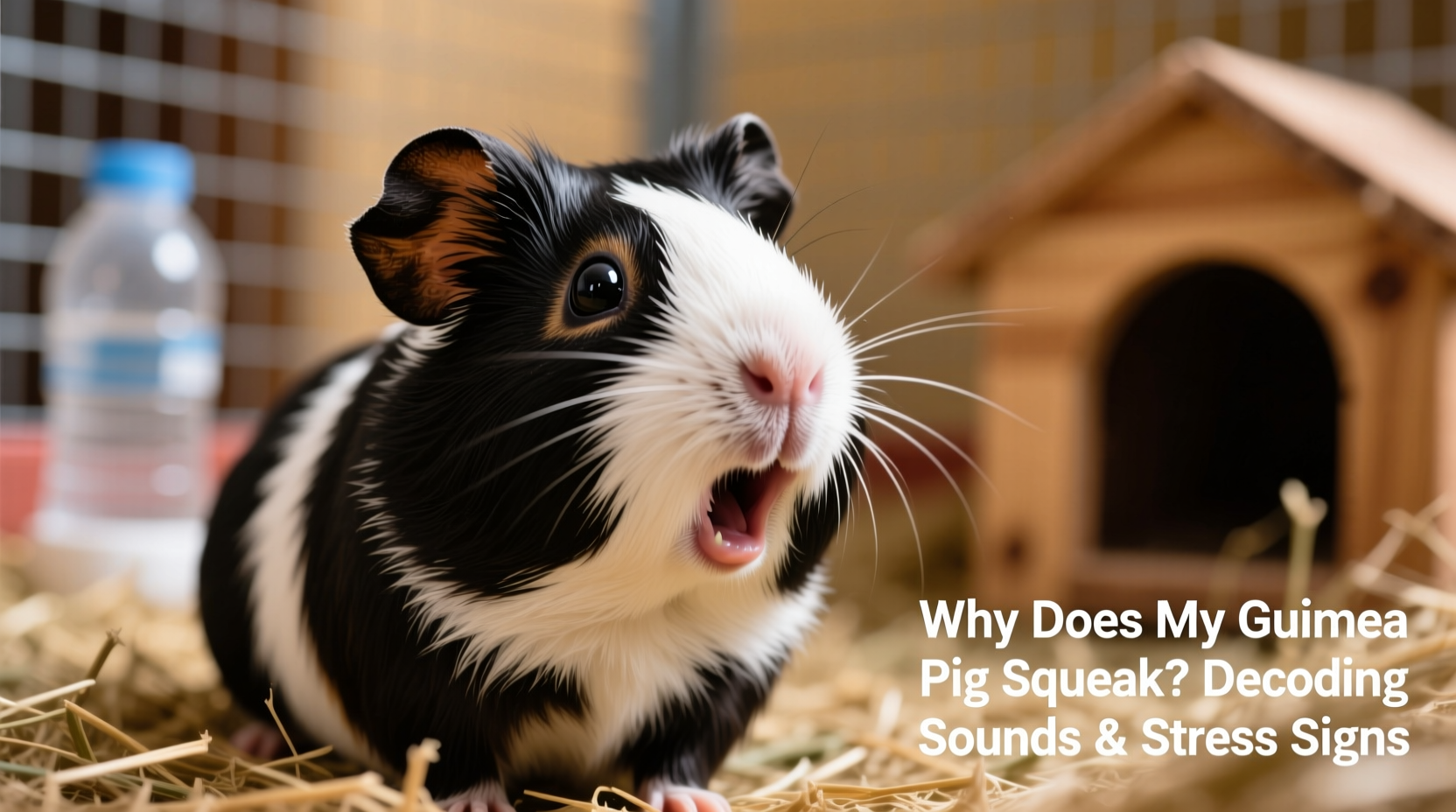
Unlike many small pets, guinea pigs rely heavily on sound to express emotions and interact with their environment. They evolved as social herd animals in the wild, where communication was vital for survival. Today, domesticated guinea pigs retain this instinct, using distinct vocalizations to convey everything from hunger to fear.
The most common sound—high-pitched squeaking—is technically known as \"wheeking.\" It's typically associated with anticipation, especially around feeding time. However, not all squeaks are created equal. The tone, frequency, duration, and context determine whether the sound reflects excitement, discomfort, or distress.
Tip: Observe your guinea pig’s body language alongside vocalizations—ears forward, teeth chattering, or freezing in place can provide critical context.Decoding Common Guinea Pig Sounds
Guinea pigs produce a variety of sounds, each with a specific meaning. Recognizing these can transform your understanding of your pet’s emotional state.
- Wheeking: A loud, high-pitched squeal usually heard when they expect food. Often repetitive and urgent-sounding.
- Purring: A low, vibrating hum. Can indicate contentment (short purrs) or annoyance (longer, deeper purrs).
- Chutting: A rhythmic clicking or clucking noise, often during exploration or when curious.
- Teeth Chattering: A sharp clicking sound made when angry or feeling threatened. Often accompanied by head shaking.
- Hissing: A sign of aggression or fear, typically paired with teeth chattering.
- Whining or High-Pitched Squealing: Indicates pain, fear, or extreme discomfort.
- Chirping: Rare and bird-like; its meaning is still debated but may reflect stress or confusion.
“Guinea pigs don’t vocalize randomly. Each sound has evolutionary purpose—whether to bond, warn, or seek attention.” — Dr. Lena Reyes, Exotic Animal Behavior Specialist
When Constant Squeaking Signals Stress
Frequent or persistent squeaking outside of feeding times may point to underlying stress or discomfort. Unlike occasional wheeking, constant high-pitched noises—especially when combined with hiding, rapid breathing, or refusal to eat—should not be ignored.
Common stressors include:
- Sudden environmental changes (new cage location, loud noises)
- Lack of companionship (guinea pigs are social and thrive with peers)
- Poor diet or dehydration
- Overhandling or rough interaction
- Illness or physical pain
A 2022 study published in the *Journal of Applied Animal Welfare Science* found that guinea pigs exposed to unpredictable noise patterns exhibited significantly higher levels of vocalization and cortisol (a stress hormone) than those in quiet, stable environments.
Tip: Introduce changes gradually—move cages slowly, acclimate to new sounds, and allow time for adjustment.Physical Health and Pain Indicators
One of the most overlooked causes of constant squeaking is undiagnosed pain. Guinea pigs are prey animals and instinctively hide signs of illness, making vocal cues one of the few early warning systems.
Conditions that may cause pain-related squeaking include:
- Dental disease (overgrown molars causing difficulty eating)
- Respiratory infections (often accompanied by sneezing and labored breathing)
- Bladder stones or urinary tract infections (squeaking during urination)
- Skin irritations or mites (excessive scratching and restlessness)
- Gastrointestinal stasis (reduced appetite, bloating, lethargy)
If your guinea pig suddenly begins squeaking when being touched, especially around the back or abdomen, consult a veterinarian immediately. These behaviors may indicate localized pain.
Environmental and Social Triggers
Your guinea pig’s surroundings play a major role in their vocal behavior. A poorly designed habitat can lead to chronic anxiety and excessive noise-making.
| Factor | Healthy Setup | Potential Issue |
|---|---|---|
| Cage Size | At least 7.5 sq ft for two pigs | Small cages increase stress and territorial disputes |
| Bedding | Fleece or paper-based, changed regularly | Wood shavings (cedar/pine) cause respiratory irritation |
| Noise Level | Quiet area, away from TVs and foot traffic | Loud sounds trigger fear responses and constant squeaking |
| Companionship | Same-sex pair or trio, properly bonded | Loneliness leads to vocalizing for attention |
| Diet | Unlimited hay, fresh veggies, vitamin C supplements | Poor nutrition causes dental and digestive issues |
Guinea pigs housed alone often develop behavioral issues, including obsessive squeaking, pacing, and over-grooming. They are not solitary creatures by nature. If you have only one guinea pig, consider introducing a companion—after proper quarantine and supervised bonding sessions.
Mini Case Study: Bella the Lonely Squeaker
Bella, a three-year-old female guinea pig, was adopted by a family who loved her but kept her solo in a bedroom cage. Her new owner noticed she squeaked nonstop, especially at night. Despite a clean cage and regular feeding, the noise continued.
After consulting a vet and ruling out medical issues, the owner reached out to a local guinea pig rescue. They were advised to introduce a compatible female companion. After a careful two-week bonding process, Bella was paired with Luna, a calm two-year-old guinea pig.
Within days, Bella’s constant squeaking decreased dramatically. She began chutting softly during exploration and even purred when petted. The case highlighted how isolation can manifest as vocal distress—even when physical needs are met.
Step-by-Step Guide to Reducing Excessive Squeaking
If your guinea pig is squeaking more than usual, follow this structured approach to identify and resolve the cause.
- Assess Immediate Needs: Check if food, water, or hay is available. Offer a favorite vegetable like cucumber or bell pepper to test responsiveness.
- Observe Body Language: Look for hunched posture, drooling, rapid breathing, or reluctance to move—signs of illness.
- Review Environment: Is the cage too small? Is there loud noise? Has anything recently changed?
- Evaluate Social Situation: Is your guinea pig alone? Are cage mates fighting?
- Check for Pain: Gently observe during handling. Does touching certain areas provoke squealing?
- Consult a Veterinarian: Schedule an exam with an exotic animal specialist if symptoms persist beyond 24 hours.
- Implement Changes Gradually: Adjust bedding, add hiding spots, or begin bonding process with a new companion.
Preventive Care Checklist
Use this checklist weekly to maintain your guinea pig’s well-being and minimize stress-related vocalizations:
- ✅ Provide unlimited access to fresh Timothy hay
- ✅ Offer vitamin C-rich vegetables daily (e.g., kale, parsley, red pepper)
- ✅ Clean cage thoroughly 2–3 times per week
- ✅ Monitor weight weekly (sudden loss is a red flag)
- ✅ Spend 15–30 minutes of gentle handling daily
- ✅ Ensure companionship—never house a guinea pig alone long-term
- ✅ Schedule annual vet checkups with an exotics specialist
- ✅ Rotate toys and rearrange cage layout monthly for mental stimulation
Frequently Asked Questions
Is it normal for guinea pigs to squeak all day?
No, constant squeaking throughout the day is not normal. Occasional wheeking at mealtime is expected, but persistent high-pitched vocalizations suggest unmet needs, stress, or illness. Evaluate environment, diet, and health promptly.
Why does my guinea pig squeak when I pick them up?
Some guinea pigs squeak due to fear or discomfort when handled. If the squeaking stops quickly and they relax, it may just be a startle response. However, if they struggle, freeze, or continue vocalizing, reassess your handling technique and ensure they feel secure. Always support their entire body and avoid sudden movements.
Can guinea pigs get depressed?
While “depression” in the human sense isn’t directly applicable, guinea pigs do experience prolonged stress and behavioral withdrawal when lonely or in poor conditions. Signs include reduced activity, loss of appetite, lack of vocalization (or excessive squeaking), and self-neglect. Providing companionship and enrichment greatly improves emotional health.
Conclusion: Listening Closely to Your Furry Companion
Your guinea pig’s squeaks are more than mere noise—they’re a window into their emotional and physical world. By learning to distinguish between a joyful wheek and a cry of distress, you become a more attuned and compassionate caregiver. Remember, vocalization is their primary method of communication. When they squeak constantly, they’re not being annoying—they’re asking for help.
Taking action starts with observation, continues with thoughtful adjustments, and deepens through consistent care. Whether it’s upgrading their living space, introducing a companion, or seeking veterinary advice, every step you take strengthens your bond and enhances their quality of life.
💬 Have a story about your guinea pig’s unique sounds? Share your experience in the comments and help other pet owners understand these expressive little creatures better!








