
Ferrets are playful, intelligent companions that bring joy to many households. However, one common concern among owners is their natural musky scent—especially when it intensifies during the warmer months. If you've noticed your ferret smelling stronger in summer, you're not alone. This seasonal increase in odor isn't just a coincidence; it's driven by biological, environmental, and behavioral factors. Understanding the root causes is the first step toward managing it effectively without compromising your pet’s health or happiness.
The good news is that with the right care routine, you can significantly reduce or control ferret odor year-round, even in peak summer heat. This guide breaks down the science behind the smell, offers practical solutions, and shares expert-backed strategies to keep your home fresh and your ferret healthy.
Why Ferrets Naturally Smell Musky
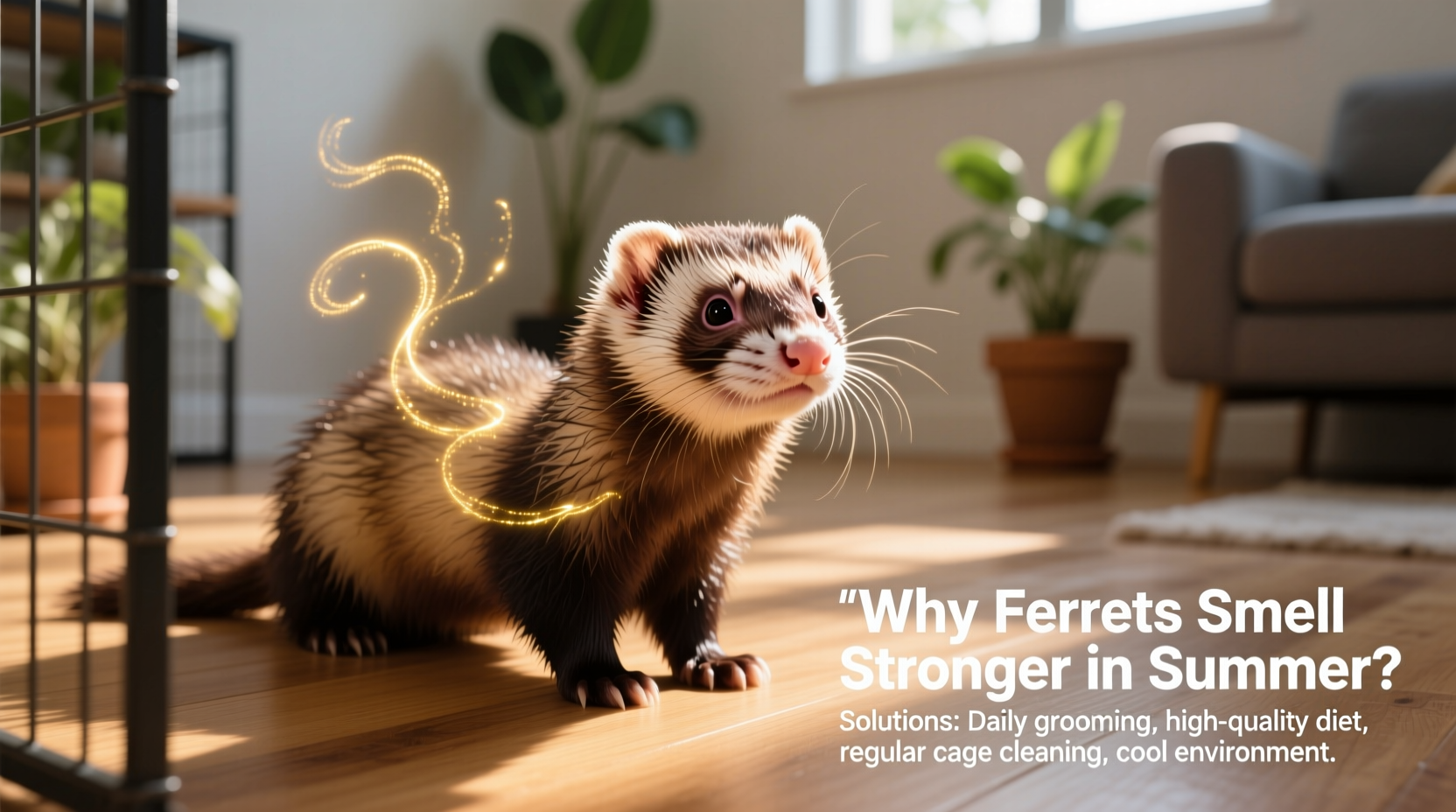
All ferrets produce a distinct odor due to specialized sebaceous glands in their skin that secrete oils. These oils help condition their fur but also carry a strong, musky scent. While this is completely normal, the intensity varies between individuals and can be influenced by genetics, diet, and whether the ferret has been descented.
Descenting—a surgical procedure that removes the anal scent glands—is common in pet ferrets in some countries, particularly the United States. However, even descented ferrets retain some body odor because the sebaceous glands across their skin remain active. Intact (non-neutered) males typically have the strongest scent due to higher hormone levels, especially during breeding season.
Tip: Never bathe your ferret too frequently—over-bathing strips natural oils and can trigger the skin to produce more odor-causing sebum.Why Summer Makes the Smell Worse
The combination of heat, humidity, and increased activity creates the perfect environment for ferret odor to intensify. Here’s how summer conditions amplify the issue:
- Increased sweating and oil production: Ferrets don’t sweat like humans, but their sebaceous glands become more active in warm weather, producing more oily secretions that contribute to odor.
- Higher metabolic rate: Ferrets are more active in warmer temperatures, which increases their metabolism and, consequently, their body odor.
- Less ventilation: In summer, homes are often sealed with air conditioning running, trapping odors indoors instead of allowing them to dissipate.
- Diet changes: Some owners switch to lighter or different foods in summer, which can temporarily affect digestion and gas production—both contributors to overall scent.
- Cage buildup: Heat accelerates bacterial growth in litter boxes, bedding, and food remnants, turning minor messes into potent odor sources within hours.
“Ferret odor is natural, but seasonal spikes are often preventable with consistent hygiene and environmental management.” — Dr. Laura Bennett, DVM, Exotic Animal Specialist
Effective Ways to Reduce Ferret Odor in Summer
Managing ferret odor isn’t about eliminating their natural scent completely—it’s about keeping it at a comfortable level for both you and your pet. The following strategies target the root causes and are safe for long-term use.
1. Optimize Cage Cleaning Routine
Your ferret’s living space is the primary source of household odor. During summer, clean the cage at least twice a week—or even every other day if needed.
Focus on:
- Washing bedding in unscented, pet-safe detergent
- Scrubbing hard surfaces with a vinegar-water solution (1:1 ratio) or pet-safe disinfectant
- Replacing litter daily and doing a full litter box change 2–3 times per week
- Removing leftover food promptly
2. Choose the Right Litter
Not all litters are created equal. Some actually trap moisture and promote bacterial growth, worsening odors.
| Litter Type | Odor Control | Safety for Ferrets | Best For Summer? |
|---|---|---|---|
| Paper-based (e.g., Carefresh) | Good | Excellent – dust-free, non-toxic | ✅ Yes – highly recommended |
| Recycled pellet litter | Fair | Good – low dust | ✅ Yes – absorbent and eco-friendly |
| Clay or clumping litter | Poor to Fair | Poor – risk of ingestion and impaction | ❌ No – avoid entirely |
| Wood shavings (pine/cedar) | Fair | Poor – release harmful phenols | ❌ No – toxic to ferrets |
3. Grooming Without Overdoing It
Bathing should be rare—once every 2–3 months max. Frequent washing signals the skin to overproduce oils, making odor worse. When you do bathe, use a ferret-specific or kitten-formulated shampoo that maintains skin pH balance.
Between baths, consider:
- Wiping your ferret with a damp, unscented cloth after playtime
- Brushing weekly to remove loose fur and distribute natural oils evenly
- Trimming nails regularly to prevent scratching and skin irritation
4. Control the Environment
Temperature and airflow play a huge role in odor management.
- Keep room temperature below 75°F (24°C) using AC or fans.
- Use HEPA air purifiers near the cage to filter airborne particles and odors.
- Avoid carpeted areas—if possible, place the cage on hard flooring that’s easy to clean.
- Ensure cross-ventilation in the room, even if only for short periods when your ferret is secured.
Step-by-Step Guide to a Low-Odor Summer Ferret Routine
Follow this weekly plan to stay ahead of odor buildup:
- Day 1 (Monday): Full cage scrub-down. Replace all bedding and wash tunnels/toys with mild soap. Rinse thoroughly.
- Day 2 (Tuesday): Spot-clean litter box and wipe down food/water containers. Vacuum around cage area.
- Day 4 (Thursday): Rotate toys and inspect for chew damage or residue. Wipe with vinegar solution if needed.
- Day 6 (Saturday): Light grooming session—brush fur and check ears for wax buildup.
- Day 7 (Sunday): Air out the room. Open windows (if safe), run air purifier, and assess any lingering smells.
This proactive cycle prevents odor from accumulating and makes deep cleaning less overwhelming.
Mini Case Study: Managing Odor in a Multi-Ferret Household
Sarah, a ferret owner in Florida, had three descented ferrets living in a large playpen setup. Every summer, her apartment would develop a persistent musky smell despite daily litter scooping. After consulting a veterinarian, she realized two issues: she was using pine shavings as bedding, and the cage wasn’t being deep-cleaned frequently enough.
She switched to paper-based litter, replaced all wooden accessories with plastic ones, started using an air purifier, and implemented a twice-weekly cage wash schedule. Within two weeks, the odor dropped noticeably. “I didn’t realize how much the wood was contributing,” Sarah said. “Now my place smells neutral, and my ferrets seem healthier too.”
Common Mistakes That Make Odor Worse
Even well-meaning owners can accidentally worsen the problem. Avoid these pitfalls:
- Using scented sprays or perfumes: These irritate ferret respiratory systems and mix poorly with natural oils, creating a worse smell.
- Overfeeding fatty treats: High-fat diets increase sebum production. Stick to high-protein, low-fat ferret food.
- Neglecting toy hygiene: Tunnels and hammocks trap oils and dander. Wash them monthly or replace as needed.
- Ignoring dental health: Bad breath contributes to overall odor. Check teeth regularly and provide chew toys to reduce plaque.
FAQ
Can I neuter my ferret to reduce odor?
Yes. Neutering (for males) or spaying (for females) significantly reduces hormonal odor, especially in intact adults. Most pet ferrets are already altered before adoption, but if yours isn’t, consult your vet. The procedure not only minimizes scent but also prevents serious health issues like adrenal disease.
Is it safe to use baking soda in the litter box?
In small amounts, yes—but with caution. Baking soda is a natural deodorizer, but ferrets may ingest it while digging. Use a light sprinkle at the bottom of the box, never as the main litter. Better alternatives include odor-absorbing paper litters or activated charcoal pads placed beneath the liner.
Do certain foods make ferrets smell worse?
Absolutely. Low-quality foods with fillers, grains, or plant-based proteins are harder to digest and can lead to gassier stools and stronger body odor. Feed a premium ferret diet high in animal protein (35%+) and fat (18–22%), with no carbohydrates. Brands like Marshall Premium or Kaytee Forti-Diet Pro Health are formulated specifically for odor control and digestive health.
Checklist: Summer Ferret Odor Control
Stay on track with this printable-style checklist:
- ☐ Clean cage thoroughly 2x per week
- ☐ Scoop litter daily
- ☐ Use paper-based, dust-free litter
- ☐ Brush ferret weekly
- ☐ Bathe no more than once every 8 weeks
- ☐ Run air purifier near living area
- ☐ Keep room cool and ventilated
- ☐ Feed high-protein, grain-free diet
- ☐ Inspect and clean toys monthly
- ☐ Avoid cedar, pine, and scented products
Conclusion
Summer doesn’t have to mean surrendering to a smelly home. By understanding why your ferret’s odor intensifies in warm weather—and taking targeted, consistent action—you can maintain a fresh, healthy environment for both of you. The key is prevention: regular cleaning, smart product choices, proper diet, and attention to your ferret’s natural biology.
Remember, a slight musk is normal and part of what makes ferrets unique. But overpowering smells are a sign that something in the care routine needs adjustment. With the strategies outlined here, you’re well-equipped to enjoy your ferret’s antics without the unwanted aroma tagging along.
💬 Have a tip that worked for your ferret? Share your experience in the comments and help fellow owners breathe easier this summer!